Can I Enroll in School in Puerto Rico on a Tourist Stay?
One of the trickiest things for families considering a move to Puerto Rico, or even just an extended stay, is figuring out how the kids will continue their education. It's a question that brings a lot of anxiety and confusion, especially when you're caught between the idea of a laid-back island life and the very real requirements of a formal education system. This guide is here to clarify a common misconception: whether your child can simply enroll in a local school while you're here on a tourist stay, and what the actual path to getting them into a school looks like.
The Core Question: Tourist Status and School Enrollment in Puerto Rico
Many families dream of coming to Puerto Rico for an extended period, perhaps a few months, wanting their children to experience local culture and education. It’s a lovely idea, and the immersion would be fantastic! However, the reality of school enrollment is tied directly to your legal status here, and a tourist stay simply doesn't meet the requirements for formal, long-term educational institutions, whether public or private.
Understanding "Tourist Stay" vs. "Residency"
Let's get this straight from the start: a "tourist stay" implies a temporary visit with no intention of establishing permanent domicile. For U.S. citizens, this might mean coming and going as you please, but it doesn't automatically grant you the rights and responsibilities of a bona fide resident. For foreign nationals, it means adhering strictly to your visa terms, which are typically for leisure, business meetings, or short-term training, not for establishing family life or enrolling in local schools.
The key difference lies in intent and duration. A tourist is here for a limited time, their primary residence and legal ties remain elsewhere. A resident, on the other hand, intends to make Puerto Rico their home, establishing a tax home, a closer connection, and spending the majority of their time on the island. This distinction isn't just bureaucratic; it impacts everything from taxes to, yes, school enrollment. Trying to enroll a child in a public or private school while on a tourist stay is akin to trying to get a local driver's license or registering to vote – it just doesn't align with the legal framework for visitors. Many expats experience frustration with these types of administrative hurdles in Puerto Rico, and it’s completely understandable to feel overwhelmed by the distinctions.
Why Schools Require Proof of Residency
Schools, whether public or private, are not just places of learning; they are government-funded (public) or legally registered institutions (private) with specific requirements for their students. These requirements are in place for several critical reasons:
- Funding and Resources: Public schools in Puerto Rico, like anywhere else, receive funding based on their student population, which is directly tied to the residency of those students. Allowing non-residents to enroll would skew resource allocation and create legal discrepancies. Private schools, while not government-funded, still operate under strict regulations regarding student registration, often needing to verify a student's legal presence and local address for various certifications and administrative purposes.
- Legal Responsibility and Accountability: Schools are legally responsible for the children under their care. This responsibility extends to ensuring students have proper medical records, emergency contacts, and that their parents or guardians have a stable, verifiable address on the island. A tourist address, by its very nature, is temporary and often not sufficient for these long-term legal and safety requirements.
- Curriculum Alignment and Long-Term Planning: The school system is designed for continuous education. While short-term visitors might disrupt continuity, residents commit to the curriculum, testing, and progression through the grades. This consistency is crucial for both the individual student and the overall educational environment. When you contact schools, they’ll want to know you’re truly here to stay and integrate into the system.
In essence, schools need to know that your child is a permanent, or at least long-term, fixture in the community they serve. This means you, as the parent, must be able to demonstrate your intent to reside in Puerto Rico, typically by providing proof of bona fide residency.
Navigating Educational Options While Establishing Residency
So, if direct enrollment isn't an option on a tourist stay, what can you do? This is where many families have to get creative and plan meticulously. The good news is there are alternatives that can bridge the gap while you take the necessary steps to establish your legal residency in Puerto Rico.
Temporary Solutions and Alternatives for Education
While your children can't enroll in a formal K-12 school on a tourist visa, you're not entirely out of options for their education during your initial transition. Many families face this exact challenge during their first few months here.
- Homeschooling: This is often the most straightforward interim solution. Puerto Rico does have provisions for homeschooling, though you'll need to understand the local regulations. This allows you to maintain control over the curriculum and schedule, which can be incredibly flexible during a move. You might bring your existing curriculum or find online resources. This allows your child to continue their studies uninterrupted while you sort out the logistics of your move.
- Online Schooling: Many U.S. states and private institutions offer accredited online schooling programs that students can access from anywhere with an internet connection. This is a fantastic option for maintaining academic continuity, especially if your child is nearing high school or has specific academic needs. Platforms like K12 or various virtual academies can be lifesavers. It means your child stays connected to a familiar curriculum and can even gain credits that would transfer easily if you eventually enroll them in a Puerto Rico school or move back to the mainland.
- Private Tutoring: Once you arrive and start making connections, you might find local tutors, especially in urban centers like San Juan, Guaynabo, or Ponce. These tutors can help with specific subjects, offer language immersion (Spanish and/or English), or even provide a more structured educational environment a few times a week. It's not formal school enrollment, but it offers personalized attention and can ease the transition into a new academic setting.
- Language Immersion Programs: If your primary goal is for your child to absorb the local culture and language, consider short-term, informal language programs or camps. These are usually recreational or enrichment activities, not formal schooling, but they offer incredible cultural benefits and help children adapt to their new environment and make friends.
It's crucial to remember that these are stop-gap measures. They are not substitutes for formal enrollment in the public or private school system, which requires established residency.
The Path to Official School Enrollment: Establishing Bona Fide Residency
To actually enroll your child in a public or private school in Puerto Rico, you, as the parent or legal guardian, must become a bona fide resident of the island. This isn't just a casual term; it's a specific legal status recognized by the IRS and the government of Puerto Rico. It requires demonstrating a clear intent to make Puerto Rico your permanent home. We have a much more detailed guide on How to Establish Bona Fide Residency in Puerto Rico (2027), which I highly recommend reading.
Generally, establishing bona fide residency involves meeting three key tests:
- Presence Test: You must be physically present in Puerto Rico for at least 183 days during the tax year. This means actually living here for the majority of the year.
- Tax Home Test: Your "tax home" (your main place of business or employment, regardless of where you maintain a family home) must be in Puerto Rico.
- Closer Connection Test: You must demonstrate a closer connection to Puerto Rico than to the U.S. mainland or any other foreign country. This involves showing where your personal and economic ties are.
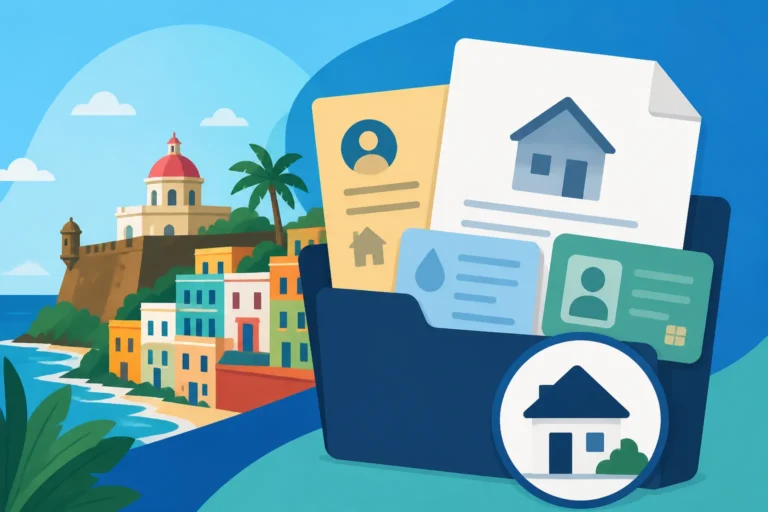
What does this mean in practical terms for school enrollment? It means you'll need to provide documentation that proves your residency. This isn't just about showing a lease, though that's a good start. It's about demonstrating a holistic commitment to living here. You'll need things like:
- Puerto Rico Driver's License or State ID: This is a crucial document. You can find more information on How to Get a Puerto Rico Real ID Driver's License.
- Utility Bills in Your Name: Think LUMA for electricity and AAA for water. These are vital proofs of local address. Our guide on The Newcomer's Guide to Setting Up Utilities (LUMA/AAA) in Puerto Rico can walk you through this process.
- Lease Agreement or Property Deed: A long-term rental agreement or proof of property ownership clearly shows your local address.
- Voter Registration: Registering to vote in Puerto Rico is another strong indicator of your intent to reside here.
- Bank Accounts: Establishing local bank accounts demonstrates your financial ties to the island.
- Local Employment or Business Registration: If you're working or running a business here, that's another strong piece of evidence.
Once you have established these ties and gathered this documentation, you are well on your way to proving bona fide residency, which then unlocks the doors to school enrollment.
Here's a quick look at the differences:
| Feature | Tourist Status | Resident Status |
|---|---|---|
| Duration of Stay | Temporary, limited (e.g., up to 90 days for foreigners) | Long-term, permanent intent |
| Primary Domicile | Elsewhere (mainland US or other country) | Puerto Rico |
| Intent | Leisure, temporary business, visit | Living, working, establishing roots |
| School Enrollment | Generally Not Permitted for formal K-12 schools | Permitted in public and private schools |
| Proof of Address | Hotel booking, short-term rental | Utility bills (LUMA, AAA), long-term lease, property deed |
| Required ID | Mainland ID/Passport | Puerto Rico Driver's License/ID, voter registration |
Practical Steps for Enrolling Your Child Once Residency is Established
Once you've cleared the hurdle of establishing your bona fide residency, the process of enrolling your child in school becomes much more straightforward. It still requires some legwork, but it's a clear path.
Gathering Required Documentation
Even after you've proven your residency, schools will have their own list of specific documents they require for student enrollment. This list can be extensive, and it's always best to start gathering these items well in advance. Don't underestimate the time it takes to get all your ducks in a row, especially if you're dealing with documents from another jurisdiction.
You'll typically need:
- Child's Birth Certificate: An original or certified copy is usually required.
- Immunization Records (Vacunas): Puerto Rico has specific vaccination requirements for school entry. Make sure your child's records are up-to-date and easily accessible. Our guide on Understanding Childhood Vaccination Requirements in Puerto Rico can provide the specifics. If your records are from the mainland, ensure they are translated into Spanish if necessary, though most schools accept English records.
- Previous School Transcripts/Records: Any academic records from their previous school, especially report cards and proof of grade level, are essential. This helps the new school place your child appropriately.
- Proof of Parent/Guardian ID: Your valid Puerto Rico driver's license or non-driver ID card will be necessary.
- Proof of Address in Puerto Rico: This is where those LUMA and AAA bills, or your lease agreement, come in handy. They'll want to see that you reside within the school's catchment area (for public schools) or simply have a stable address on the island (for private schools).
- Social Security Card: Your child's Social Security number is usually required for enrollment.
It's a good idea to make multiple copies of everything and keep them organized. Some private schools might also require entrance exams or interviews for the child and parents.
Choosing the Right School: Public vs. Private
This is a big decision for many families, and Puerto Rico offers a range of options, each with its own advantages and challenges. The choice often depends on your family's priorities, your child's academic needs, and your long-term goals.
- Public Schools (Escuelas Públicas): The public school system in Puerto Rico is primarily Spanish-speaking. While there might be some English as a Second Language (ESL) support, the general instruction will be in Spanish. This can be fantastic for language immersion, but it can also be a significant adjustment for children not fluent in Spanish. Public schools are neighborhood-based, meaning your child will attend the school assigned to your residential area. While the quality can vary, many public schools offer a rich cultural experience.
- Private Schools (Colegios Privados): Puerto Rico has a robust private school system, particularly in areas like San Juan, Dorado, and Ponce. These schools often offer bilingual education, with instruction in both English and Spanish, or even fully English curricula for specific subjects. They might follow U.S. or international curricula, offer advanced placement courses, and often have smaller class sizes and more extensive extracurricular activities. Institutions like St. John's School, Commonwealth-Parkville School, and TASIS Dorado are well-regarded options, though they come with significantly higher tuition costs. It's worth exploring our guide on Are Private Schools Better Than Public Schools in Puerto Rico? for a deeper dive into this comparison.
When choosing, consider visiting schools, talking to other expat parents, and understanding the academic and social environment each offers. Remember, if you're exploring private schools, don't forget to factor in tuition and other associated costs when planning your The Complete Guide to Cost of Living in Puerto Rico (2026).
The Enrollment Process Itself
Once you have your documents and have chosen a school, the enrollment process typically involves:
- Contacting the School: Reach out to the school registrar or admissions office well in advance, ideally months before the school year begins (usually August). Inquire about their specific enrollment deadlines and requirements.
- Scheduling Appointments: You'll likely need to schedule an appointment to submit documents and for any required interviews or assessments.
- Submitting Documents: Bring all your meticulously organized documents. Be prepared for them to ask for originals or certified copies.
- Registration Fees: For private schools, be ready to pay application and registration fees. Public schools typically do not have tuition fees, but there might be small administrative costs.
- Placement: The school will review your child's records and potentially conduct their own assessments to determine the appropriate grade level and class placement.
- Orientation: Many schools offer an orientation for new students and parents, which is a great opportunity to get acquainted with the school community and ask any remaining questions.
It's a process that demands patience and persistence, but it’s entirely navigable once you understand the steps involved. You can find a more detailed walkthrough in our post about How to Enroll Your Child in a Puerto Rico School.
Planning Your Move and Transition
Relocating to Puerto Rico with children involves more than just finding a place to live; it requires careful planning to ensure a smooth transition, especially regarding their education and well-being.
Timing Your Move for School Year Alignment
The academic calendar in Puerto Rico generally runs from mid-August to late May or early June, similar to the mainland U.S. If you plan to enroll your child in a formal school, timing your move to align with the start of the school year is highly advisable.
- Arrive Early: Ideally, you'd want to arrive in Puerto Rico a few months before the school year begins. This gives you ample time to establish your residency, gather all necessary documentation, settle into your new home, and go through the enrollment process without rushing. Trying to enroll mid-year can be challenging, as classes might be full, and your child could miss crucial curriculum.
- Mid-Year Enrollment Challenges: While not impossible, enrolling a child mid-year can be more complicated. Schools might have limited availability, and your child might struggle to catch up, especially if there's a language barrier. If a mid-year move is unavoidable, communicate openly with potential schools about your situation and seek their guidance on the best way to integrate your child.
- Summer Programs: If you arrive during the summer, consider enrolling your child in summer camps or programs. Many private schools offer them, providing a great way for your child to meet other kids, practice Spanish, and get familiar with the school environment before formal classes begin.
Thoughtful timing can make a world of difference in your child's adaptation and academic success.
Health and Administrative Considerations
Beyond school enrollment, there are other crucial aspects to consider when bringing your family to Puerto Rico.
- Health and Vaccinations: As mentioned, up-to-date vaccination records are mandatory for school enrollment. Ensure your child has all required immunizations before you arrive. It's also wise to get a general check-up from a pediatrician on the island soon after you arrive to establish care and ensure all health requirements are met. Our guide on Understanding Childhood Vaccination Requirements in Puerto Rico will give you the specifics. And speaking of health, having robust health insurance in place is non-negotiable. Look into plans like those offered by Cigna Global which can provide international coverage before you settle into a local plan. You’ll want to be sure you have coverage from the moment you land. For local options, How to Get Health Insurance When You Move to Puerto Rico is an excellent resource.
- Relocation Logistics: Moving an entire household, especially with children, is a massive undertaking. Consider using reputable relocation services like Sirelo to help with the logistics of shipping your belongings, including all your children's essentials and school supplies. They can help streamline the process, ensuring everything arrives safely and on time. We have a comprehensive The Complete Relocation Checklist for Moving to Puerto Rico (2027) that covers everything from utility setup to pet relocation, so nothing is overlooked.
- Adapting to a New Environment: Moving to an island with a different culture and language (even with English widely spoken in tourist areas) is a significant change for children. Prepare them by learning some basic Spanish together, researching Puerto Rican culture, and being open about the exciting changes ahead. Having a supportive environment at home and seeking out local activities and social groups can greatly aid their adjustment.
By addressing these logistical and emotional aspects proactively, you can ensure a smoother, more positive experience for your entire family as you embark on your new life in Puerto Rico.
Disclaimer
The information provided in this article is for general informational purposes only and does not constitute legal, tax, or professional advice. While we strive to provide accurate and up-to-date information, laws and regulations in Puerto Rico can change. Always consult with a qualified local professional for advice tailored to your specific situation before making any decisions related to residency, education, or other personal matters.