The Complete Relocation Checklist for Moving to Puerto Rico (2027)
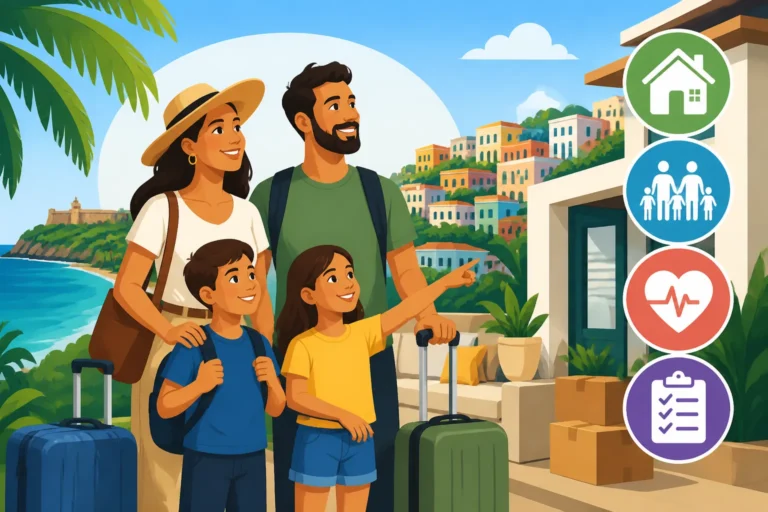
Moving to Puerto Rico, while an exciting dream for many, often feels like trying to solve a Rubik's Cube blindfolded. The administrative hurdles, cultural nuances, and sheer volume of details can quickly turn that dream into a stressful blur. This comprehensive relocation checklist is designed to cut through the confusion, offering you a step-by-step roadmap to make your transition to la Isla del Encanto as smooth and informed as possible.
The Initial Spark: Deciding to Make the Leap to Puerto Rico
That initial idea, that whisper of what if, can grow into a full-blown relocation plan surprisingly fast. But before you start packing your bags, it's crucial to really dig into why you're moving and what you expect from life on the island. Trust me, a little introspection now can save a lot of heartache later.
Why Puerto Rico? Understanding Your Motivation
For many, Puerto Rico represents a fresh start, a vibrant culture, and a warmer climate. You might be drawn by the allure of the Caribbean sea, the rich history of Old San Juan, or perhaps the compelling Understanding Act 60 Tax Incentives in Puerto Rico: The Full Guide (2026) that has attracted so many entrepreneurs and investors. Others seek a slower pace of life, a stronger sense of community, or simply a chance to live in a place where palm trees sway outside their window instead of snow falling. Whatever your motivation, it's valid, and it's the engine driving this massive change.
However, it’s important to acknowledge that the idyllic postcard image often hides the realities of island life. There are infrastructure challenges, a unique bureaucracy, and a pace of business that can feel frustratingly slow compared to the mainland. Your "why" will be your guiding star when things get tough. If you're coming solely for a tax break without genuinely embracing the culture or contributing to the local economy, you might find yourself feeling isolated and disillusioned. Conversely, if you're here for the people, the food, and the sunshine, you'll be far more resilient when the power inevitably flickers or a government office requires multiple visits. Take the time to envision your daily life here, not just your vacation days.
Initial Research and Scouting Trips
Before committing to anything, go there. Seriously, pack your bags and spend a good chunk of time exploring. Browsing Instagram feeds and reading blogs (even mine!) is helpful, but there's no substitute for boots on the ground. A Planning a Scouting Trip Before Moving to Puerto Rico is absolutely essential. This isn't just a holiday; it's a fact-finding mission. You need to drive the roads, experience the traffic, visit grocery stores, see potential neighborhoods during different times of the day, and gauge the availability of essential services.
During your scouting trip, pay close attention to the infrastructure in the areas you’re considering. How reliable is the electricity? Is the internet fast enough for your needs? Where are the nearest hospitals or clinics? What's the commute like from your desired neighborhood to work or school? Don't be afraid to ask locals for their honest opinions; most Puerto Ricans are incredibly welcoming and will share insights if you approach them respectfully. Try to live like a local for a bit – rent an Airbnb, shop at the supermercado, and visit local coffee shops. This immersive experience will give you a much clearer picture of what your "new normal" might look like. It's a chance to dispel myths and confront realities, ensuring your decision is based on informed experience rather than just aspiration.
Establishing Your Legal Footing: Residency and Documentation
This is where the rubber meets the road, and often where the headaches begin. Understanding and proving your residency in Puerto Rico is fundamental, especially if you're looking to benefit from specific tax incentives. It's not just about showing up; it's about establishing genuine ties.
Proving Bona Fide Residency
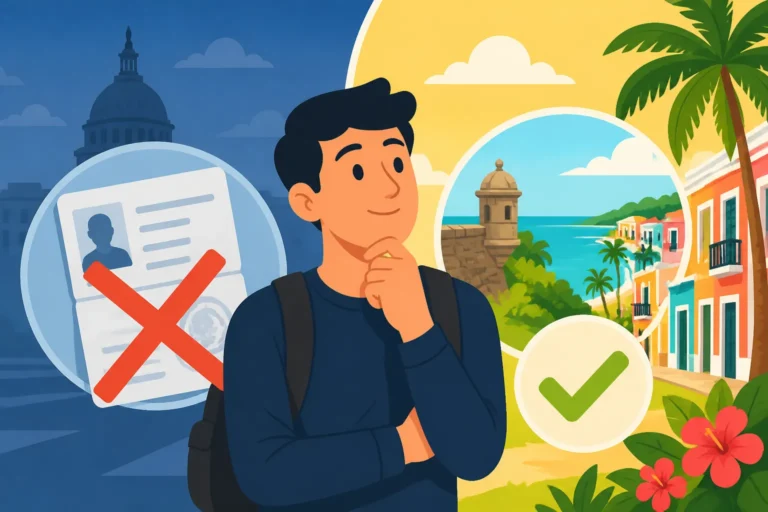
Becoming a bona fide resident of Puerto Rico is perhaps the most critical administrative step, especially if you're a US citizen aiming for the local tax benefits offered under Act 60. It's far more complex than simply spending a few months here. The IRS has very specific criteria, and if you don't meet them, you could face severe penalties. This isn't something to take lightly or try to cut corners on. You need to demonstrate a true intent to make Puerto Rico your home, not just a tax haven.
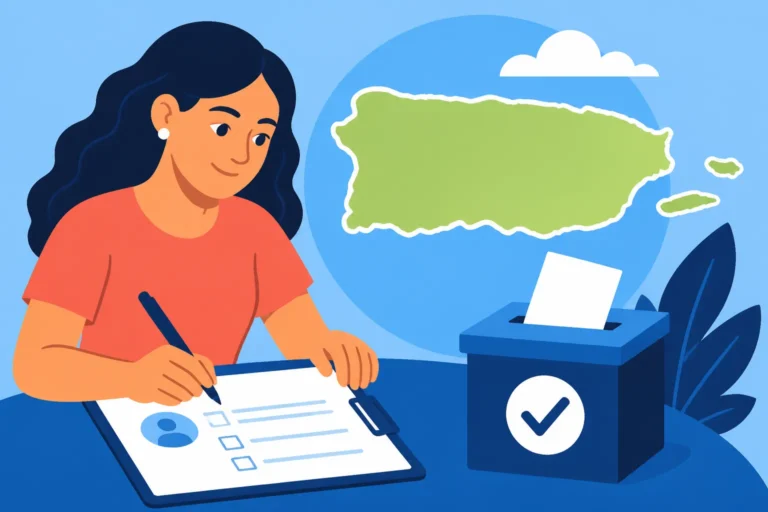
The IRS outlines three main tests you must satisfy: the Presence Test, the Tax Home Test, and the Closer Connection Test. The Presence Test generally requires you to be physically present in Puerto Rico for at least 183 days during the tax year. This means actively tracking your days in and out of the island. The Tax Home Test requires your primary place of business or employment to be in Puerto Rico. If you work remotely, this can get tricky and might involve formalizing your employer's agreement to list your Puerto Rico address as your work location. Finally, the Closer Connection Test is about proving that your center of vital interests is in Puerto Rico. This includes things like where your family resides, where your personal belongings are located, where you have bank accounts, where you vote, and where you're registered to drive. You can dive deeper into this with our guide on How to Establish Bona Fide Residency in Puerto Rico (2027). The more connections you establish here and sever from the mainland, the stronger your case.
Essential Documents for Your Move
Ah, paperwork! The bane of every expat's existence, and Puerto Rico is no exception. Before you even think about packing, start gathering and organizing all your vital documents. This isn't just about what you'll need for moving day; it's about what you'll need for the first few months of setting up your life. Think birth certificates, marriage licenses, social security cards, passports, and driver's licenses. But don't just grab the originals. Make multiple certified copies, and better yet, have them apostilled if you foresee needing them for international purposes, even though Puerto Rico is a U.S. territory, having them apostilled for certain processes can sometimes streamline things if you're dealing with entities that aren't fully familiar with the territory's status.
Beyond the basics, you'll need all your financial records: bank statements, investment account summaries, and previous tax returns. Medical records for yourself and your family (including vaccination records for children) are also non-negotiable. Don't forget academic transcripts for school enrollments, and vehicle titles if you plan to ship a car. And here’s a pro tip: create both physical and digital backups of everything. Store digital copies in a secure cloud service and on an external hard drive. When you’re dealing with government offices in Puerto Rico, you often need physical copies, and sometimes they'll even ask for a copy of a copy! It feels redundant, but it's the reality. Getting everything neatly organized now will save you countless frustrating trips back and forth when you're trying to set up your new life.
Financial Foundations: Banking, Taxes, and Budgeting
Setting up your financial life in Puerto Rico is a cornerstone of a successful move. While it's part of the U.S. banking system, there are enough differences and local peculiarities to warrant its own dedicated attention. Don't assume your mainland financial institutions will seamlessly translate here.
Setting Up Your Puerto Rico Bank Account
Even though Puerto Rico operates under the U.S. dollar, having a local bank account is absolutely crucial for day-to-day living. Your mainland bank might work for ATMs and occasional transactions, but for setting up utilities, receiving local payments, or paying rent, a local account is almost always required. You'll find institutions like Banco Popular and Oriental Bank are the dominant players, with branches scattered across the island. The process of opening an account can be a bit of a bureaucratic dance, but it’s manageable if you go prepared.
Typically, you'll need a valid photo ID (your U.S. driver's license or passport), your Social Security number, and proof of your Puerto Rico address. This last part can be a chicken-and-egg situation: you need a utility bill to prove residency, but you need a bank account to set up some utilities! Sometimes a lease agreement or even a letter from your employer stating your local address can suffice. Be patient, bring extra documents, and be prepared for potential language barriers, though many bank employees speak English. Our guide on The Newcomer's Guide to Opening a Bank Account in Puerto Rico provides a deeper dive into this often-frustrating but essential step. Once you're set up, things like ATH Móvil, Puerto Rico's popular mobile payment app, will make your daily financial life much smoother.
Understanding the Tax Landscape
One of the biggest draws for many newcomers, and also one of the biggest sources of confusion, is Puerto Rico's unique tax system. As a U.S. citizen and resident of Puerto Rico, you generally don't pay federal income tax on your Puerto Rico-sourced income. That's a huge deal! However, you do pay income tax to the Puerto Rico Treasury Department (Hacienda), which has its own set of rules, forms, and filing deadlines. It’s a parallel tax universe, and understanding it is paramount.
Beyond income tax, you’ll encounter the Sales and Use Tax (IVU), which is currently 11.5% and applies to most goods and services. If you purchase property, you'll also be subject to property taxes (CRIM). The entire system can feel dauntingly complex, especially when you're trying to reconcile federal and local obligations. For those pursuing significant tax advantages, such as the famous Act 60 incentives for individual investors or export service businesses, the complexity ramps up significantly, requiring specialized legal and accounting advice. Don't just rely on hearsay; consult with a qualified professional who understands both U.S. federal and Puerto Rico tax law. Our detailed guide, The Complete Guide to Taxes in Puerto Rico for New Residents (2027), is an absolute must-read to navigate this intricate system without making costly mistakes.
Finding Your Home and Getting Settled In
Once the initial paperwork is underway, finding a place to live is usually the next big priority. Puerto Rico offers a diverse range of housing options, from bustling city apartments to serene beachfront homes, each with its own quirks and considerations.
Navigating the Housing Market Renting vs Buying
The housing market in Puerto Rico is as varied as its landscape. Do you envision yourself in a high-rise apartment overlooking Condado beach, a charming historic home in Old San Juan, or a sprawling property in the tranquil hills of the central mountains? Your lifestyle, budget, and long-term plans will dictate whether renting or buying is the right path for you. Renting is often the easiest entry point for newcomers, allowing you to get a feel for different areas before committing. However, be prepared for a competitive market in popular areas, and be mindful that many landlords or real estate agents may not operate with the same speed or digital efficiency you might be used to on the mainland. Lease agreements are commonly in Spanish, so ensure you have a trusted translator if your Spanish isn't fluent. Our guide, The Complete Guide to Renting an Apartment in Puerto Rico (2027), offers crucial advice on navigating this process.
If you’re considering buying, the process is robust but requires patience and diligence. Property titles, known as escrituras, need thorough due diligence to ensure clear ownership. Working with a reliable, English-speaking real estate agent and a qualified attorney is non-negotiable. Mortgage processes can be slower than on the mainland, and financing options might vary. You'll also need to consider things like hurricane insurance and potential flood zones, depending on the property's location. For a comprehensive overview, check out How to Buy Property in Puerto Rico: The Full Guide (2027). Whether renting or buying, scouting trips are invaluable here, allowing you to visit various neighborhoods like Dorado, Rincón, or San Juan's many districts, to truly find your fit.
Utility Setup and Essential Services
Getting your utilities set up in Puerto Rico is one of those administrative tasks that can test the patience of even the most seasoned expat. The main players are LUMA Energy for electricity and the Puerto Rico Aqueduct and Sewer Authority (AAA) for water. While improvements have been made, particularly since Hurricane Maria, expect a process that might involve multiple visits to their offices, sometimes long wait times, and a reliance on physical documents. This is where those certified copies of your lease agreement, photo ID, and Social Security card come in handy – bring plenty.
Starting services often requires a deposit, which can sometimes be hefty. When you move into your new place, check to see if the previous tenant's account is still active or needs to be shut off before you can open a new one. This can create frustrating delays. For internet and mobile services, you have several choices, including Liberty, T-Mobile, Claro, and AT&T. Coverage and reliability can vary by region, so ask neighbors about their experiences. Remember that sometimes the internet infrastructure, especially outside metropolitan areas, might not be as robust as you're accustomed to. Setting up these essential services is a marathon, not a sprint, but once they're in place, you can truly start to feel at home.
Logistics of Moving Your Life (and Belongings)
Once you’ve got your home base sorted, the next major hurdle is figuring out how to get your entire life, from your favorite armchair to your car, onto an island. This part of the move often comes with unexpected costs and logistical challenges.
Moving Your Possessions: Shipping and Customs
Deciding what to bring with you to Puerto Rico and what to leave behind is a monumental task. Shipping costs can quickly add up, making it more economical to sell bulky items and repurchase them on the island. However, for cherished belongings or specialized equipment, shipping is the only way. You'll generally have two main options: freight shipping for larger items or using a dedicated moving company. Companies like Sirelo can connect you with international movers specializing in moves to the Caribbean, which can be a huge relief given the complexities involved. They'll help you navigate container sizes, customs declarations, and delivery timelines.
Be aware that shipping can take several weeks, sometimes even months, so plan accordingly and have essentials packed in your checked luggage. Customs regulations, while generally straightforward for U.S. citizens moving to a U.S. territory, still require meticulous documentation. Create a detailed inventory of everything you're shipping, with approximate values. Avoid shipping anything perishable, as delays can lead to spoilage, and be cautious about high-value items unless they are specifically insured. It’s also wise to research what might be prohibited or subject to extra scrutiny, such as certain plants or agricultural items. The general rule of thumb: when in doubt, declare it, or leave it behind.
Vehicle Relocation and Local Driving
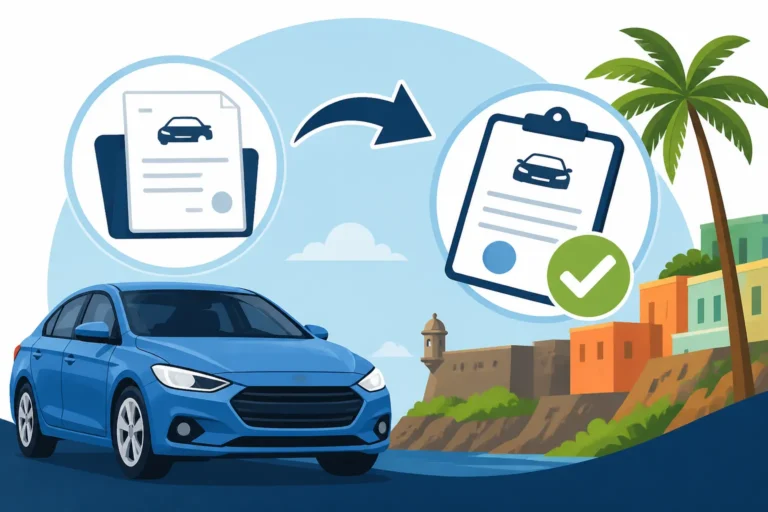
The decision of whether to ship your current vehicle or purchase a new one in Puerto Rico is a common dilemma. Shipping can be expensive, with costs varying significantly based on the type of vehicle and the port of origin. You’ll need to coordinate with shipping companies, arrange for transport to the port, and then manage the pickup and customs clearance process in Puerto Rico, usually at the port of San Juan. Once your car arrives, you'll have to go through the local Department of Transportation and Public Works (DTOP) and the CESCO (Centro de Servicios al Conductor) for registration, titling, and obtaining your Marbete (the annual vehicle inspection and registration sticker). This can be a multi-step process involving various fees, inspections, and potentially long waits.
Alternatively, buying a car locally can simplify things, but new and used car prices in Puerto Rico can sometimes be higher than on the mainland due to import fees and taxes. Regardless of how you acquire your vehicle, you’ll need to obtain a Puerto Rico driver's license. Your mainland license is typically valid for a grace period (often 120 days), but you'll eventually need to transfer it. This involves visiting a CESCO, passing a vision test, and navigating yet more paperwork. You'll also need to purchase local insurance, including the mandatory ACAA (Administración de Compensaciones por Accidentes de Automóviles) coverage. Our guide on Driving in Puerto Rico: Licenses, Registration and Rules for Newcomers (2027) breaks down all the details to keep you on the right side of the road.
Health, Education, and Community Integration
These are the elements that truly transform a place into a home. Getting your healthcare sorted, ensuring your children have good schooling, and finding your tribe are vital for long-term happiness and stability on the island.
Navigating Healthcare on the Island
Understanding healthcare in Puerto Rico can feel like learning a new language. While it's part of the U.S. system, it operates distinctly from mainland models. You'll find a mix of public and private options, but for most expats, a private health insurance plan is the preferred route for accessing quality care and avoiding long wait times in the public system. Major local insurers like MCS, Triple-S, and Humana offer plans, and it's essential to compare coverage, provider networks, and costs carefully. For those who need more flexible or international coverage, providers like Cigna Global offer plans that can cover you both in Puerto Rico and during your travels, which can be a great peace of mind. Many mainland plans, especially HMOs or PPOs, may have limited or no coverage in Puerto Rico, so don't assume your existing plan will suffice.
Once you have insurance, the next step is finding a primary care physician (PCP) and understanding how specialist referrals work. Many doctors in urban areas, particularly in San Juan, are bilingual, but finding an English-speaking specialist in more rural areas might be a challenge. Hospitals such as Hospital Auxilio Mutuo, Ashford Presbyterian Community Hospital, and Hospital Pavia Santurce are well-regarded private institutions in the San Juan metropolitan area. Getting your health insurance sorted out promptly upon arrival is critical, as you don't want to be caught in an emergency without coverage. Our guide, The Complete Guide to Healthcare in Puerto Rico for New Residents (2027), provides an in-depth look at all your options and considerations.
Schools and Social Integration
For families moving to Puerto Rico, education is often a top concern. The island offers a variety of schooling options: public schools, private schools, and a growing homeschooling community. Public schools are taught primarily in Spanish, and while they can offer a wonderful immersion experience, the curriculum and resources might differ significantly from what you're used to. Private schools, especially those in and around San Juan, often offer bilingual programs or English-only instruction, following U.S. or international curricula. Institutions like St. John's School or Commonwealth-Parkville School are popular choices for expat families, but tuition can be substantial and admissions competitive. You'll want to investigate schools well in advance, as application deadlines and waitlists are common.
Beyond schooling, actively working on social integration is paramount for a fulfilling life here. Join expat groups, participate in local community events, volunteer, or pick up a new hobby. Learning Spanish, even just conversational phrases, will open countless doors and demonstrate your respect for the local culture. Puerto Ricans are incredibly friendly and family-oriented, and making an effort to connect can lead to deep and lasting friendships. Don't be afraid to put yourself out there; the rewards of building a community on the island are immense. For a detailed breakdown of the education landscape, check out our resource on Schools and Education in Puerto Rico: A Complete Guide for Families.
The "New Normal" – Settling In and Thriving
You've moved, you're unpacked, and the initial chaos is behind you. Now comes the exciting, challenging, and deeply rewarding phase of truly integrating and building a life in Puerto Rico. This isn't just about administrative tasks; it's about mindsets, cultural understanding, and long-term resilience.
Cultural Immersion and Language
One of the greatest joys of living in Puerto Rico is the vibrant culture, but it's also where some of the biggest adjustments lie. Embracing la cultura boricua means understanding the nuances of communication, the rhythm of island time, and the deep sense of family and community. Things might move at a slower pace, mañana doesn't always mean tomorrow, and directness can sometimes be seen as rude. Learning Spanish is not just a polite gesture; it's a lifeline. While many people, especially in tourist areas and major cities, speak English, being able to communicate in Spanish will unlock deeper connections, simplify daily tasks, and show genuine respect for your new home. Start with basic conversational phrases, engage in language exchange programs, or take classes. You don't need to be fluent overnight, but consistent effort will be greatly appreciated and make your life so much richer.
Beyond language, immerse yourself in local traditions. Try all the food, listen to the music, attend a fiesta patronal, and understand the island's complex history. You'll find that Puerto Ricans are incredibly proud of their heritage and eager to share it with those who show genuine interest. Be open, be patient, and embrace the differences. The island will challenge you in ways you didn't expect, but it will also charm and reward you with experiences you couldn't find anywhere else. Remember, you're not just living in Puerto Rico; you're becoming a part of it.
Ongoing Administration and Maintenance
Just because you've moved doesn't mean the administrative tasks stop. Far from it! Living in Puerto Rico, like anywhere else, requires ongoing attention to renewals, filings, and maintenance. You’ll need to remember to renew your vehicle registration (Marbete) annually, file your Puerto Rico income tax return (Planilla) with Hacienda, and keep your driver's license current. If you're an Act 60 decree holder, there are specific annual compliance requirements and charitable donations you must make and report. Neglecting these ongoing tasks can lead to penalties or even jeopardizing your residency status, so staying organized is key.
Furthermore, you'll need to adapt to practical aspects of island living, like preparing for hurricane season, which runs from June to November. This involves stocking up on supplies, ensuring your home is secure, and having a communication plan. Staying informed about local news and community alerts is important. Building a strong support network of fellow expats and local friends will be invaluable for sharing tips, navigating challenges, and simply enjoying life. Puerto Rico is a place of incredible resilience and beauty, but it demands a certain level of proactive engagement and adaptability from its residents. Embracing this continuous learning curve is part of what makes the experience so unique and ultimately, so rewarding.
| Category | Essential Tasks | Documents/Actions Needed | Timeline |
|---|---|---|---|
| Pre-Move Decisions | Define "Why Puerto Rico?" | Self-reflection, research on lifestyle/tax benefits | Ongoing, before serious planning |
| Conduct Scouting Trips | Visit potential neighborhoods, schools, businesses; assess infrastructure | 3-6 months before move | |
| Legal & Financial | Gather All Vital Documents | Passports, birth certs, marriage certs, SSN, medical records, tax returns (originals & certified copies) | 6 months before move |
| Establish Bona Fide Residency Intent | Understand Presence, Tax Home, Closer Connection Tests | Immediately upon deciding to move | |
| Open Puerto Rico Bank Account | Photo ID, SSN, proof of PR address (lease/employer letter) | Within 1-2 weeks of arrival | |
| Understand Puerto Rico Tax System | Consult tax professional for Hacienda, IVU, Act 60 implications | Before generating PR-source income | |
| Housing & Utilities | Secure Housing (Rent/Buy) | Work with agents, sign lease/purchase agreement, ensure clear titles | 2-3 months before move (rent) / 6+ months (buy) |
| Set Up Electricity (LUMA) | Photo ID, SSN, lease agreement, deposit | Within 1 week of occupancy | |
| Set Up Water (AAA) | Photo ID, SSN, lease agreement, deposit | Within 1 week of occupancy | |
| Set Up Internet/Mobile | Choose providers (Liberty, Claro, T-Mobile), review plans, installation | Within 1-2 weeks of occupancy | |
| Logistics | Plan for Shipping Possessions | Inventory, choose movers (e.g., Sirelo), customs declarations, insurance | 3-4 months before move |
| Decide on Vehicle Relocation | Ship car (port fees, customs) or buy locally | 2-3 months before move | |
| Obtain Puerto Rico Driver's License | Visit CESCO, vision test, paperwork, fees | Within 120 days of arrival | |
| Register Vehicle | CESCO, inspection, Marbete, ACAA insurance | Immediately after car arrives/purchased | |
| Integration | Secure Health Insurance | Compare local plans (Triple-S, MCS) or international (e.g., Cigna Global), enroll | Before/immediately upon arrival |
| Enroll Children in School (if applicable) | Research public/private schools, application, immunization records | 6-12 months before move | |
| Begin Spanish Language Learning | Classes, apps, local interaction | Ongoing | |
| Seek Community & Expat Groups | Online forums, local events, social clubs | Ongoing |
Disclaimer
The information provided in this guide is for general informational purposes only and does not constitute legal, financial, or tax advice. Moving to a new country, even a U.S. territory, involves complex legal and financial considerations that can vary based on individual circumstances. It is highly recommended that you consult with qualified legal, tax, and financial professionals specializing in Puerto Rico and U.S. federal regulations before making any decisions related to your relocation or financial planning. While every effort has been made to ensure accuracy, laws and regulations can change, and this guide may not reflect the most current information.