How to Establish Bona Fide Residency in Puerto Rico (2027)
Establishing bona fide residency in Puerto Rico requires meeting three IRS tests regarding physical presence, tax home, and closer connections.
Establishing bona fide residency in Puerto Rico requires meeting three IRS tests regarding physical presence, tax home, and closer connections.

U.S. citizens moving to Puerto Rico learn federal and local residency requirements, tax rules, and initial paperwork for the island.
Puerto Rico property purchases involve unique ownership types, local notary roles, and financing steps explained for prospective mainland buyers.
Renting an apartment in Puerto Rico involves navigating informal local markets, cultural differences, and specific neighborhood options across the island.
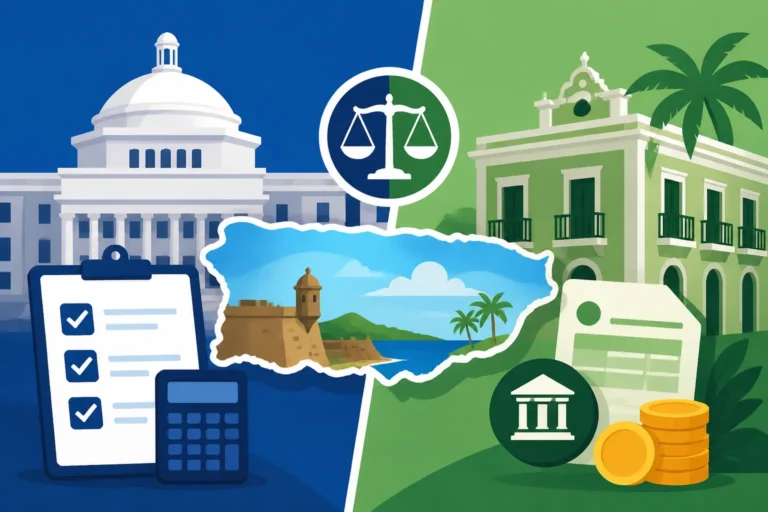
Puerto Rico tax regulations divide responsibilities between the IRS and local Hacienda, determining how residents pay income taxes.
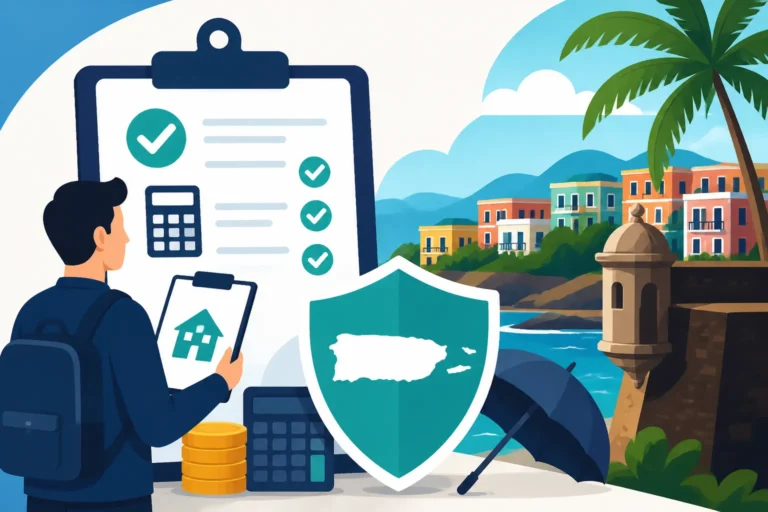
Puerto Rico tax rules for new residents explain federal and territorial residency tests, Hacienda filing, IVU, CRIM, and Act 60 incentives.

Puerto Rico employment opportunities, key industries, language requirements, local networking strategies, and professional licensing rules for newcomers.

Employment rules in Puerto Rico, tax withholding systems, hiring markets, and labor laws explained for newcomers.
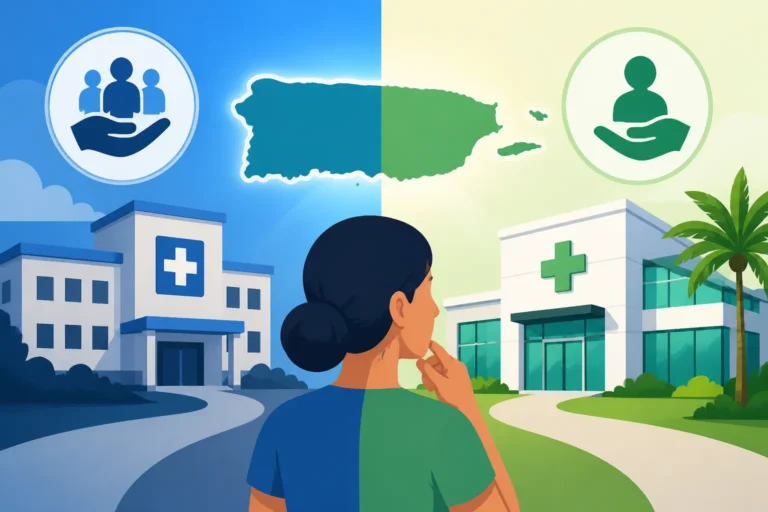
Puerto Rico healthcare features a bifurcated system explaining public Vital plans and private commercial networks for newcomers.

Healthcare in Puerto Rico requires understanding local insurance networks, public versus private hospital systems, and specialist referrals.

Retiring to Puerto Rico permanently involves meeting specific residency tests, navigating tax laws, and managing local healthcare systems.
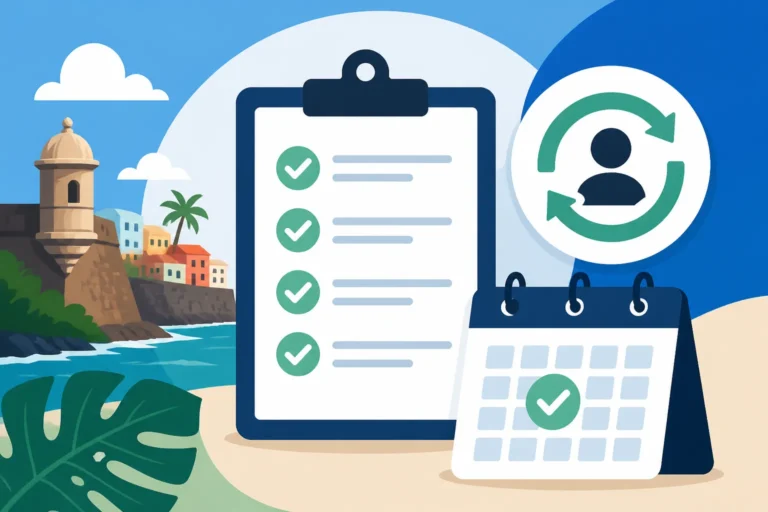
Act 60 decree maintenance in Puerto Rico requires annual residency proof, timely reports, donations, and records.
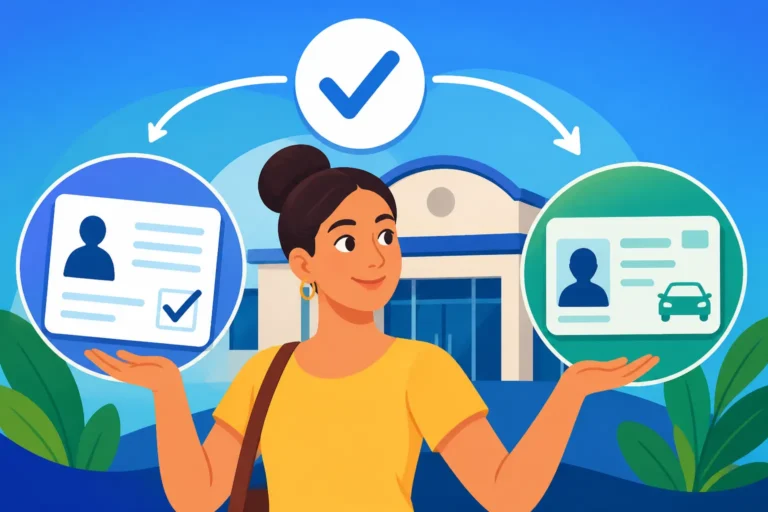
Updating your driver license at CESCO and voter registration at CEE requires visiting two separate agencies in Puerto Rico.
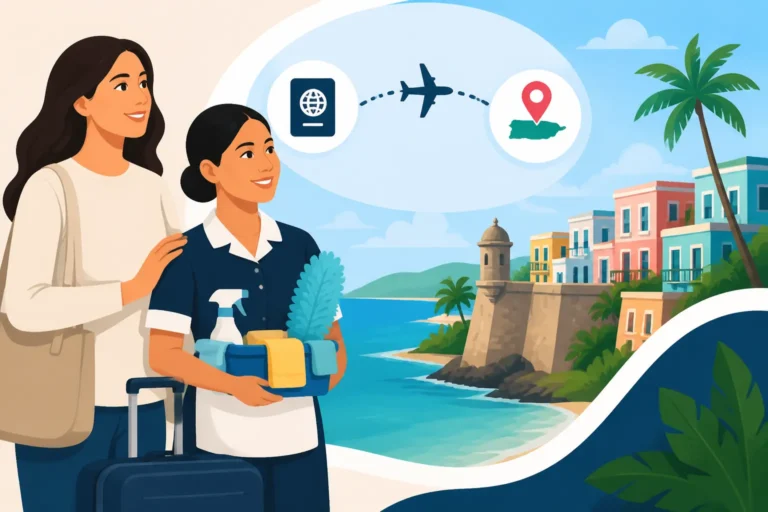
Employment laws and immigration rules for domestic workers in Puerto Rico involve local labor statutes, taxes, and strict U.S. federal guidelines.

IRS bona fide residency rules for retirees in Puerto Rico include the Presence Test, Tax Home Test, and Closer Connection Test.
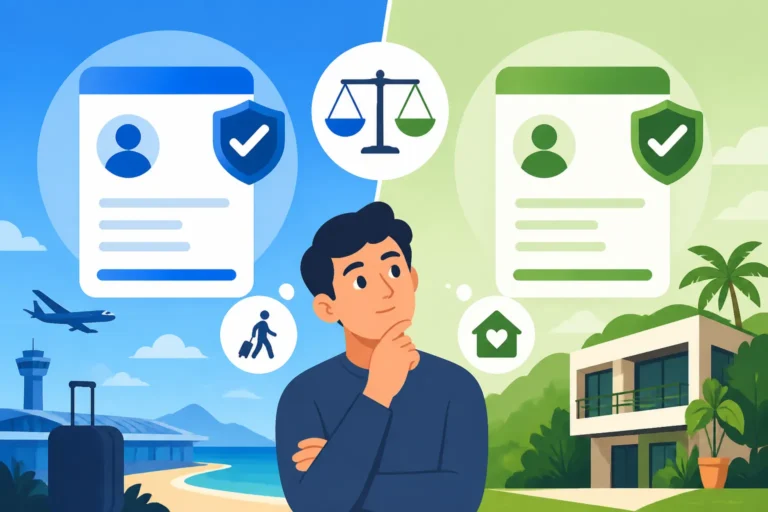
The difference between an entry permit and residency for foreigners in Puerto Rico affects legal rights, employment, and healthcare.
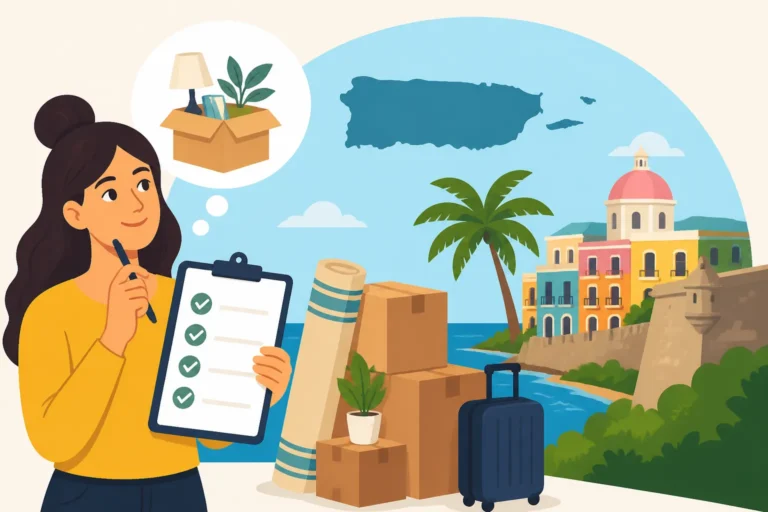
Moving to Puerto Rico requires evaluating residency status, financial preparedness, local healthcare options, and daily living logistics.
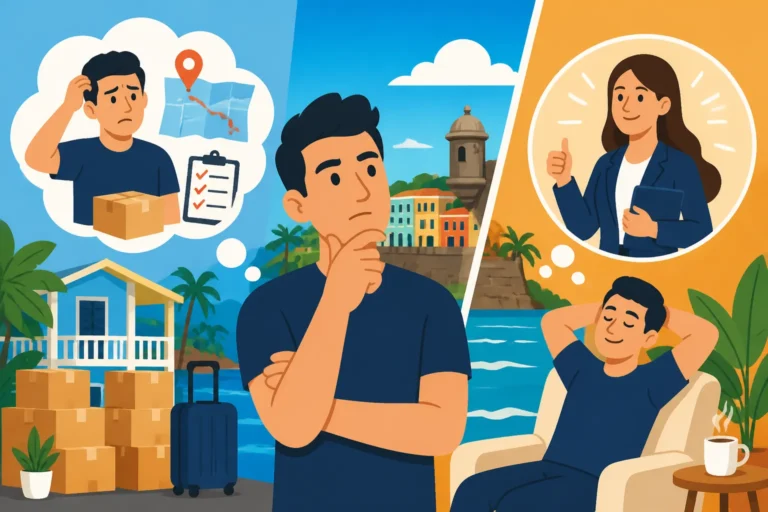
Independent relocation to Puerto Rico offers cost savings and personal control, but requires navigating complex local bureaucracy and language barriers.
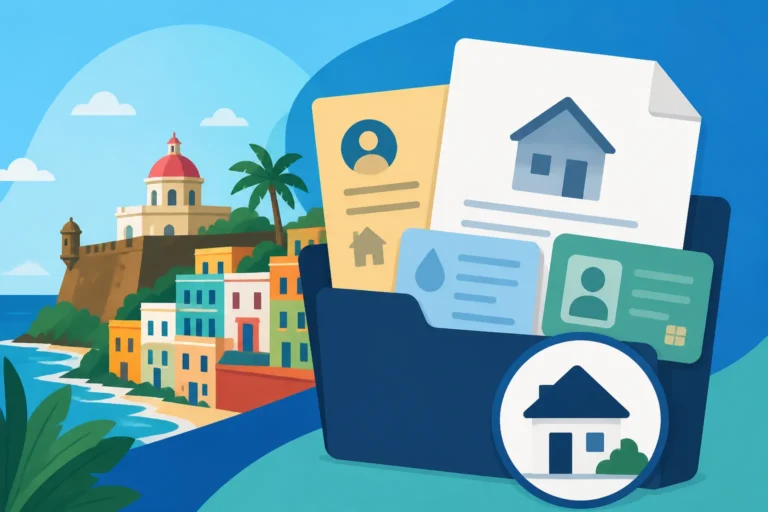
Required travel records, utility bills, tax filings, and local bank statements needed to prove bona fide residency in Puerto Rico.
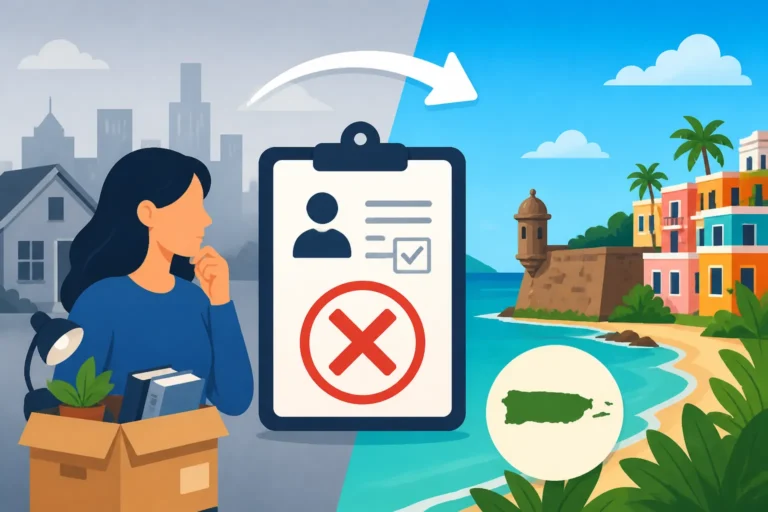
Canceling your mainland voter registration after moving to Puerto Rico helps prevent legal complications and dual voting issues during elections.