How Do I Get a Puerto Rico Driver’s License?
One of the first real bureaucratic hurdles you’ll face after the initial excitement of moving to Puerto Rico wears off is almost certainly going to be anything related to driving. Navigating the Departamento de Transportación y Obras Públicas (DTOP) and its Centro de Servicios al Conductor (CESCO) offices can feel like trying to solve a Rubik's Cube blindfolded, especially when you’re still getting used to the rhythm of island life and the beautiful, but sometimes dizzying, flow of Spanish-first administrative processes. Don't worry, friend, you're not alone. This guide will walk you through exactly how to get your Puerto Rico driver's license, sparing you some of the headaches I certainly experienced when I first landed here.
The Initial Driving Phase: Using Your Mainland License
When you first arrive, it’s a natural question: can I just keep using my driver's license from the mainland US? The good news is, yes, for a temporary period, you absolutely can. This grace period is a lifesaver, giving you a chance to settle in without immediately adding another layer of paperwork to your plate. However, it's crucial not to drag your feet, because that temporary period flies by faster than you think, and then you're technically driving illegally.
Your Grace Period with a US Mainland License
So, you’ve just made the big move, perhaps with the help of a reputable moving service you found through resources like Sirelo. You’re unpacking, figuring out the grocery stores, and generally getting your bearings. During this time, your valid driver's license issued by any U.S. state or territory is generally accepted for up to 120 days from your arrival date. This is a common courtesy, acknowledging that people need time to adjust and get their local affairs in order. It allows you to legally drive your car, or a rental, while you scout out neighborhoods, attend appointments, and generally explore your new home.
However, this isn't an indefinite pass. It's a window, not a permanent solution. The clock starts ticking the moment you establish residency here, which often aligns with when you move your belongings, start a job, or enroll children in school. Don't wait until the last minute. Trust me, you'll want to tackle this sooner rather than later to avoid any complications. Imagine being pulled over on day 121 and having your valid mainland license suddenly become insufficient. It’s a frustrating scenario you absolutely want to avoid.
Why a Puerto Rico License Becomes Essential
Beyond the legal requirement after the grace period, obtaining a Puerto Rico driver's license serves several practical purposes. Firstly, it’s a key piece of identification. While your U.S. state license might work for some things, a Puerto Rico-issued ID is often preferred, if not required, for local transactions. Think about opening a bank account, setting up utilities, or even just proving your age at a local establishment – a Puerto Rico license streamlines these interactions. It’s a clear signal that you’re a resident, not just a tourist.
Secondly, and perhaps most importantly for those looking to establish their new life, a Puerto Rico driver's license is a significant piece of evidence for establishing How to Establish Bona Fide Residency in Puerto Rico (2027) for tax and legal purposes. The more official documents you have with a Puerto Rico address and issuance, the stronger your case for bona fide residency. It links you definitively to the island. For instance, when you're proving your "closer connection" to the island, having a local driver's license along with your utility bills like your How Do I Set Up LUMA Electricity After Moving to Puerto Rico? or a lease agreement for your new home, really helps solidify your status in the eyes of the government.
The Step-by-Step Process to Get Your Puerto Rico Driver's License
Alright, deep breaths. This is where the rubber meets the road. Getting your Puerto Rico driver’s license is a multi-step process that requires patience, organization, and sometimes, a good sense of humor. The CESCO offices, while improving, can still be a bit of a labyrinth. But don't worry, I've got your back with a breakdown of what to expect.
Gathering Your Essential Documents
This is arguably the most critical part of the entire process. Show up without one single required document, and you’ll be sent home, probably after waiting for an hour or two. So, make a checklist and double-check everything. You'll need original documents, and in some cases, copies, so it’s always better to over-prepare than to under-prepare.
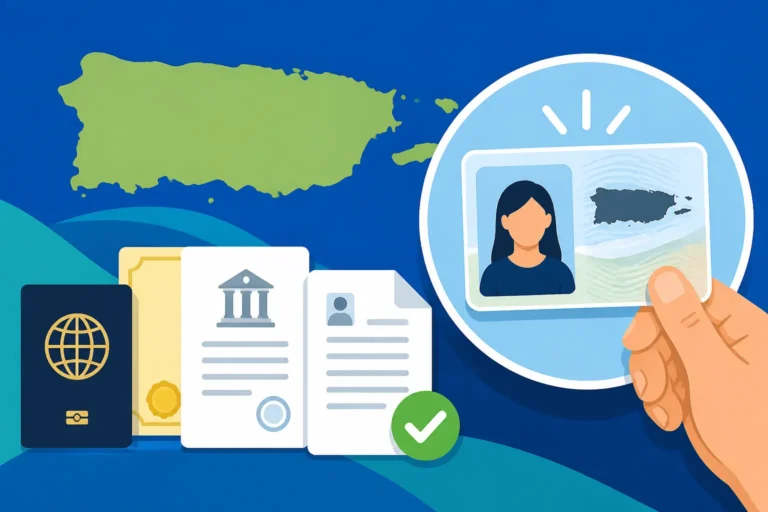
Here’s a general list of what you’ll need to bring to CESCO:
- Proof of Identity: Your birth certificate (original or certified copy) and a valid U.S. state driver's license (if you have one) or passport.
- Proof of Social Security Number: Your Social Security card. This is non-negotiable.
- Proof of Address in Puerto Rico: This can be tricky. You generally need two separate documents showing your name and your current Puerto Rico address. Acceptable documents include utility bills (LUMA, AAA, internet), a bank statement, a valid lease agreement, or a property deed. Make sure they are recent – usually within the last 60-90 days. If your bills aren’t in your name yet, you might need a notarized letter from the person whose name is on the bill, along with their ID and proof of address. This is a common sticking point for newcomers, so plan ahead!
- Medical Certificate (Certificado Médico): This is a form that needs to be filled out and signed by a licensed doctor in Puerto Rico, confirming you're fit to drive. You can usually find doctors near CESCO offices who offer this service for a fee, or you can get it from your regular physician. It's best to get this done right before your CESCO visit, as it has a limited validity.
- Internal Revenue Stamps (Sellos de Rentas Internas): You’ll need specific stamps for the driver's license process. These can be purchased at CESCO itself (if their machine is working), Colecturías (tax collection offices), or sometimes at authorized pharmacies or banks. The required denominations can change, so it's wise to check the DTOP website or call your local CESCO for the most current information. Typically, you’ll need stamps for the license issuance itself, and potentially for any tests.
- Proof of Residency (for transfer): If you're transferring a valid U.S. mainland license, you'll need that physical license. They will often collect it once your PR license is issued.
- Non-resident documentation (if applicable): If you’re not a U.S. citizen but have legal residency (e.g., a Green Card holder), you’ll need your Green Card and potentially other immigration documents.
You can refer to resources like What Documents Do I Need to Move to Puerto Rico? for a broader list of identification requirements when establishing yourself on the island.
| Document Type | Specifics | Notes |
|---|---|---|
| Proof of Identity | Birth Certificate (Original/Certified Copy) | Must be original or certified. |
| Valid US State Driver's License/Passport | Required for mainland license transfer. Passport for general ID. | |
| Social Security | Social Security Card (Original) | Non-negotiable. |
| Proof of Address | Two different documents (utility bills, lease, etc.) | Must show your name and PR address. Recent (last 60-90 days). If not in your name, a notarized letter from account holder, their ID, and their proof of address may be required. Examples: How Do I Set Up Water Service (AAA) in Puerto Rico? |
| Medical Certificate | Signed by a PR-licensed physician | Get this close to your CESCO appointment as it has limited validity. |
| Internal Revenue Stamps | Various denominations for fees | Purchase at CESCO, Colecturías, authorized pharmacies/banks. Check current requirements. |
| Previous License (if applicable) | Your valid US state driver's license | They will collect it upon issuance of your PR license. |
Navigating the CESCO Office
Okay, documents in hand, you’re ready for CESCO. My biggest tip? Make an appointment, often called a cita. While walk-ins are sometimes accepted, the wait times can be astronomical. Most CESCO offices now use an online appointment system, which is a godsend. Look for "CESCO Cita Online" or similar on the DTOP website. Schedule your appointment well in advance, as slots can fill up quickly.
When you arrive at CESCO, prepare for a bit of a wait even with an appointment. The process usually involves:
- Initial Screening: A staff member will quickly review your documents to ensure you have everything before you even get a number to wait. This is where most people get sent home if they’re missing something, so if you made it past this step, pat yourself on the back!
- Waiting Area: You'll receive a number and wait for your turn. This is a great time to practice your Spanish, people-watch, or simply enjoy the air conditioning (if it's working).
- The Window: When your number is called, you'll go to a window where a CESCO agent will meticulously review all your documents. They'll input your information into the system, verify everything, and process your request. Be polite, patient, and have all your documents neatly organized.
- Eye Exam: Yes, even if you just did one for your medical certificate, you'll likely do a quick eye exam on-site. It's usually a simple chart reading.
- Photo and Fingerprints: They’ll take your photo for the license (try to look presentable, though CESCO photos are notoriously unflattering everywhere!) and record your fingerprints.
- Payment and Issuance: Finally, you'll pay the fees (using the stamps you purchased). Once everything is approved, they’ll print your shiny new Puerto Rico driver's license right there on the spot. It’s a moment of pure relief, believe me!
Remember, while a basic understanding of Spanish is incredibly helpful, many CESCO employees, especially in larger metropolitan areas like San Juan or Mayagüez, will also speak English. However, always approach with patience and a smile – it goes a long way.
The Costs Involved
The cost of obtaining your Puerto Rico driver's license isn't exorbitant, but it’s good to know what to expect. The primary costs come from those sellos de rentas internas (internal revenue stamps) and the medical certificate.
- Medical Certificate: This usually ranges from $20-$40, depending on the doctor and location.
- Driver's License Issuance Stamps: As of my last check, the stamps for a standard driver's license renewal or new issuance are around $18 for a three-year license. However, these figures can fluctuate, and specific stamp denominations (like a $2 or $5 stamp) may be needed for various forms or tests.
- Knowledge Test (if applicable): If you need to take the written exam (for instance, if you don't have a valid mainland US license to transfer, or if you're getting a motorcycle endorsement), there will be an additional small fee for the stamp required to take the test, typically around $11.
- Driving Test (if applicable): Similarly, for the practical driving test, there's another stamp fee, usually around $16.
Always check the most current fees on the DTOP website or by calling CESCO before your visit. It’s a small detail, but having the correct stamps can save you a separate trip to the Colecturía.
Special Considerations and Common Hurdles
It's never a completely straightforward process when dealing with government agencies, especially when you're an expat in a new country. Here are a few extra tips and common challenges you might encounter.
Transferring Your Mainland License vs. Starting Fresh
For most U.S. citizens and permanent residents moving from the mainland, the process is largely a transfer. This means that as long as your mainland license is valid and unexpired, you generally do not need to take the written knowledge test or the practical driving test. You’re essentially exchanging your old license for a new Puerto Rico one, provided you meet all the residency and documentation requirements. This is a huge relief, as both tests can add significant time and stress, especially if you're not fluent in Spanish.
However, if your mainland license is expired, or if you never had a driver's license before, or if you are a foreign national without a recognized reciprocal agreement, you will have to go through the full process. This involves studying the Puerto Rico driver’s manual (available in Spanish and sometimes English online), passing the written test, and then scheduling and passing a practical driving test. The practical test is often done in your own vehicle, and an examiner will observe your driving skills on a designated route. This is where that grace period truly becomes invaluable, giving you time to study and prepare if this applies to you.
Language Barriers and Cultural Nuances
While Puerto Rico is a U.S. territory, Spanish is the primary language, especially in official settings. You’ll find that many forms are exclusively in Spanish, and while CESCO employees in urban areas might be bilingual, it’s not guaranteed. Having a basic grasp of Spanish phrases related to personal information, directions, and administrative tasks will make your experience significantly smoother. If your Spanish isn't quite there yet, consider bringing a friend or family member who is fluent to help translate. Patience is truly a virtue here. Things often move at a slower pace than you might be used to on the mainland, and getting frustrated won't speed anything up. A polite, understanding demeanor goes a long way. This is part of adapting to the island's rhythm, which is a beautiful thing once you settle in! For those looking to master the local dialect, consider resources that focus on Learning and Working in Spanish in Puerto Rico: A Practical Guide.
What to Do If You Don't Have a US License
For those who are not U.S. citizens or residents from a U.S. state or territory, the process of getting a Puerto Rico driver's license is more akin to starting from scratch. You'll likely need to:
- Verify your legal status: Ensure you have the appropriate visa or residency documents allowing you to live in Puerto Rico long-term.
- Obtain a learner's permit: This typically involves passing a written exam (the examen de conocimientos), which covers traffic laws, road signs, and safe driving practices in Puerto Rico. You'll need to study the official driver's manual.
- Practice driving: Once you have your learner's permit, you can drive with a licensed adult over 21 in the passenger seat.
- Take the practical driving test: After sufficient practice, you'll schedule and take the examen práctico (practical driving test) at CESCO.
This process is more involved and will require significant preparation. Make sure your health insurance, perhaps a reliable expat plan from Cigna Global, is in order before embarking on this administrative marathon! It’s all part of the journey when establishing The Complete Relocation Checklist for Moving to Puerto Rico (2027).
Beyond the License: Maintaining Your Driving Privileges
Getting your Puerto Rico driver's license is a huge milestone, but it's not the end of the road. There are a few ongoing responsibilities and related documents you'll need to keep in mind to maintain your legal driving status on the island. After all the effort you put into getting it, you certainly don't want to lose it over a simple oversight.
Vehicle Registration and Inspection Requirements
Once you have your license, the next big step is ensuring your vehicle is properly registered and inspected. In Puerto Rico, every vehicle needs a marbete, which is essentially your vehicle registration sticker. This sticker is renewed annually and requires your vehicle to pass a safety inspection.
The process for this involves taking your car to an authorized inspection station (often mechanics or designated "Inspección de Vehículos" centers). They'll check your lights, tires, brakes, emissions (if applicable for your vehicle type), and other safety features. Once it passes, you'll receive a certification that allows you to purchase your new marbete at a CESCO office or designated collection point. This process is distinct from your driver's license, but equally important for legal driving. For more in-depth information, you can explore How to Register and Title a Vehicle (DTOP/CESCO) in Puerto Rico and Understanding the Marbete (Vehicle Sticker) and Inspection in Puerto Rico.
Renewing Your Puerto Rico Driver's License
Puerto Rico driver's licenses typically have a validity period of either three or six years, though older licenses might still show longer durations. As the expiration date approaches, you'll need to initiate the renewal process. This is generally less cumbersome than getting your initial license, assuming your information hasn't changed drastically.
The renewal usually requires an updated medical certificate, current proof of address (again, those utility bills are key!), and the purchase of new sellos de rentas internas for the renewal fee. You’ll also likely get a new photo taken. It’s always a good idea to start the renewal process a few weeks before your license expires, just in case there are unexpected delays or document issues. Don't let it lapse! Driving with an expired license is a surefire way to encounter fines and complications.
Importance of Car Insurance
While having a driver's license allows you to legally operate a vehicle, it’s just as important to have proper car insurance. In Puerto Rico, basic liability insurance (ACAA) is included when you purchase your marbete. However, this minimal coverage is often insufficient for comprehensive protection, especially given the driving conditions on the island. Many residents opt for additional private car insurance to cover damages to their own vehicle, theft, or more extensive liability.
Consider shopping around for private insurance policies from local providers. Just as you'd ensure you have comprehensive health coverage, perhaps a robust plan from Cigna Global, for yourself, securing adequate car insurance is a fundamental part of responsible driving here. This not only protects you financially in case of an accident but also provides peace of mind on the roads.
Final Thoughts and Moving Forward
Getting your Puerto Rico driver's license might feel like a monumental task, and at times, it will certainly test your patience. But it's a rite of passage for every newcomer, a significant step in truly integrating into island life. Think of it as another box checked on your grand adventure of The Complete Guide to Moving to Puerto Rico as a US Citizen (2027).
By preparing diligently, understanding the requirements, and approaching the CESCO offices with a calm and organized mindset, you'll navigate the process successfully. Remember to double-check your documents, consider making an appointment, and don't hesitate to ask for clarification if something isn't clear. Before you know it, you'll have that new license in your hand, giving you the freedom to explore every corner of this beautiful island on your own terms. Just like when using resources like Sirelo to map out your relocation, having a clear guide for each step of this administrative process makes all the difference.
Disclaimer
Please note that the information provided in this guide is for general informational purposes only and is subject to change. While we strive to keep our content up-to-date, administrative procedures, required documents, and fees related to obtaining a driver's license in Puerto Rico can be modified by the Departamento de Transportación y Obras Públicas (DTOP) or other government entities without prior notice. It is always recommended to consult the official DTOP website or visit a CESCO office directly for the most current and accurate information before initiating your application process.