What Documents Do I Need to Move to Puerto Rico?
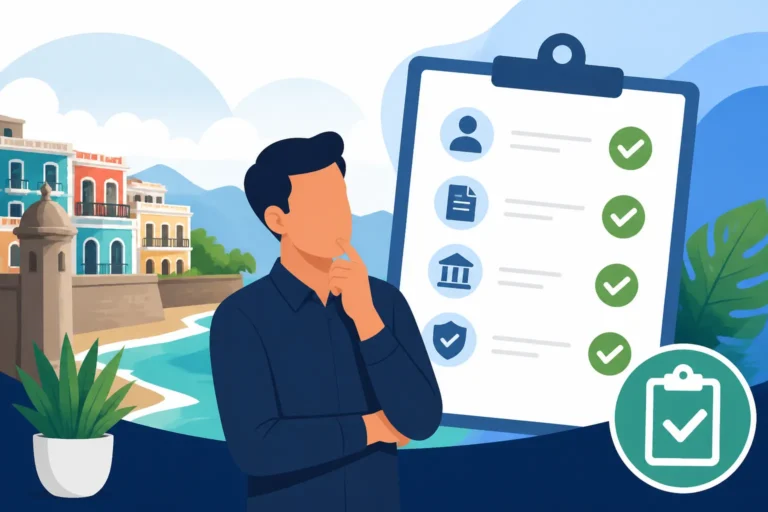
Alright, my fellow adventurous spirits, let's talk about the nitty-gritty of making Puerto Rico your new home. The dream of living on the island is glorious, but the reality of moving can quickly turn into a bureaucratic maze, especially when it comes to gathering all the necessary documents. It’s easy to feel overwhelmed, wondering what exactly you need to bring or acquire to navigate everything from getting a driver's license to enrolling the kids in school. This guide will meticulously break down every crucial piece of paperwork you'll need, helping you streamline your move and avoid those frustrating, time-consuming trips to government offices where you inevitably discover you’re missing just one more thing.
Establishing Your Puerto Rico Identity: The Essentials
Moving to a new place always involves proving who you are, and Puerto Rico is no different. While U.S. citizens don't need a visa to move here, establishing your identity and legal presence on the island requires a specific set of documents. Getting these foundational pieces in order early will smooth out almost every other administrative task you'll encounter.
Proof of U.S. Citizenship or Legal Status
Even though Puerto Rico is a U.S. territory, you still need to prove your citizenship or legal residency status for various local processes. Don't assume that because you're moving from the mainland, your status is automatically understood. Think of it as crossing a state line where they still want to see your ID, but with a bit more paperwork involved.
The most straightforward way to do this is with your U.S. Passport. A valid passport serves as irrefutable proof of identity and citizenship. If you don't have one, or prefer not to carry it around for everyday tasks, a certified U.S. Birth Certificate along with a government-issued photo ID (like your existing mainland driver's license) will usually suffice. For those who became citizens through naturalization, your Certificate of Naturalization is the key document. It’s always a good idea to bring original copies, and a few certified copies, as some agencies might require them for their records. Keep these vital documents safe and accessible, but not necessarily on your person every day. When you're working on establishing your Bona Fide Residency in Puerto Rico (2026), these documents are your starting point.
The All-Important Driver's License and ID
Ah, the Department of Transportation and Public Works, or DTOP as we call it, often intertwined with the Driver Services Centers, known as CESCO. This is usually one of the first and most "memorable" bureaucratic experiences for newcomers. Getting your Puerto Rico driver's license or a non-driver ID is paramount, not just for driving, but because it quickly becomes your primary form of local photo identification. It proves you're here.
To transfer your mainland driver's license, you'll generally need your current valid mainland driver's license, your U.S. Social Security card (original!), your birth certificate or U.S. passport, and two forms of proof of address in Puerto Rico. This "proof of address" is often where people hit a snag because you might not have utility bills in your name yet. A signed lease agreement, a bank statement from a local Puerto Rico bank, or a notarized letter from your landlord can sometimes work. Be prepared for potential long waits and bring every single document you could possibly think of, plus copies. The CESCO process can be a test of patience, but it’s a rite of passage. For a deeper dive into this, check out The Guide to Getting Your Puerto Rico Driver's License and ID (2027).
Social Security and Tax Information
Your U.S. Social Security number (SSN) remains valid and essential in Puerto Rico. You won't need a new one. This number is crucial for everything from employment to banking to healthcare. However, when it comes to taxes, things get a little different. While you'll still use your SSN for federal purposes, you'll also need to interact with Hacienda, Puerto Rico's Treasury Department.
If you plan to work in Puerto Rico, either for an employer or as a self-employed individual, you’ll need to register with Hacienda. This typically involves getting a merchant registration certificate if you're self-employed or a business owner, and for employees, ensuring your employer has your SSN for local tax withholding. You'll file a separate local tax return, called a Planilla, with Hacienda. Keeping all your financial records organized from the get-go is key. Don't forget to look into How to Register with Hacienda and Get a Tax Account in Puerto Rico to avoid any surprises down the line.
Setting Up Your Home and Daily Life: Practical Documents
Once you've got your personal identity sorted, the next hurdle is establishing your physical presence and daily routines. This involves everything from finding a place to live to getting around the island, and each step requires its own set of paperwork.
Proof of Residency and Address
This is arguably one of the most frequently requested document types and can be surprisingly tricky to acquire when you first arrive. The infamous Catch-22: you need proof of address to get utilities, but utility bills are proof of address. It's enough to make you want to pull your hair out!
Start with your rental agreement or contrato de arrendamiento. This signed document, ideally notarized, is usually your strongest initial proof. Follow that up with establishing utility services. Once you have your first bill from LUMA (electricity) or AAA (water), those become invaluable. For an in-depth look at this, read The Newcomer's Guide to Setting Up Utilities (LUMA/AAA) in Puerto Rico. Bank statements from a local institution like Banco Popular or Oriental Bank, with your new Puerto Rico address, also work well. Even something like mail forwarding confirmation from the USPS can sometimes be accepted. Remember to keep copies of everything. The more official documents you have showing your name and a Puerto Rico address, the easier it will be to prove residency for subsequent tasks.
Vehicle Registration and Insurance
If you’re bringing a car from the mainland or buying one here, be prepared for a few rounds of paperwork. Navigating the CESCO system for vehicle registration is another adventure in itself. You'll need your mainland title or certificate of origin, proof of ownership (bill of sale if purchased locally), your current mainland registration (if applicable), and your Puerto Rico driver's license.
Don't forget the marbete, which is Puerto Rico’s vehicle registration sticker, and proof of compulsory liability insurance (ACAA). If you're importing a vehicle, you'll also have to deal with customs declarations and potentially an excise tax, which can be significant. It’s a process that requires meticulous attention to detail and patience. Make sure to consult How to Register and Title a Vehicle (DTOP/CESCO) in Puerto Rico for a step-by-step guide on what to expect.
Banking and Financial Records
Opening a local bank account is usually one of the first things newcomers do, and thankfully, it’s generally straightforward for U.S. citizens. However, you'll still need specific documents to get started. Most banks will require a valid photo ID (your new Puerto Rico driver's license is perfect here, but a U.S. passport also works), your Social Security card, and proof of your Puerto Rico address. This is another instance where your lease agreement or an initial utility bill comes in handy.
Having local accounts at institutions like Banco Popular or Oriental Bank is essential for managing daily finances, receiving paychecks, and paying local bills. While many mainland banks have branches or ATMs here, having a local account makes life significantly easier. For a complete walkthrough of this essential step, check out The Newcomer's Guide to Opening a Bank Account in Puerto Rico. Don't forget to transfer money wisely, and keep good records of your financial transactions.
Moving with Family and Special Circumstances
Relocating isn't just about you; it's about establishing a new life for everyone you're bringing along, including children and even pets. Each family member or unique situation will require its own set of documents, adding layers to the already complex moving process.
Children's School Enrollment Documents
If you’re moving with children, enrolling them in school is a top priority. Whether you opt for public or private schools, there’s a standard set of documents you’ll need. For public schools, this usually includes the child's birth certificate, their immunization records (which must meet Puerto Rico's vaccination schedule), academic transcripts or report cards from their previous school, and proof of residency in Puerto Rico.
Private schools often have additional requirements, which can include letters of recommendation, entrance exams, and more extensive academic histories. It’s best to contact your chosen schools directly well in advance to get their specific checklist. This can be a surprisingly time-consuming process, so starting early is key. We have a dedicated guide to help you navigate this: How to Enroll Your Child in a Puerto Rico School.
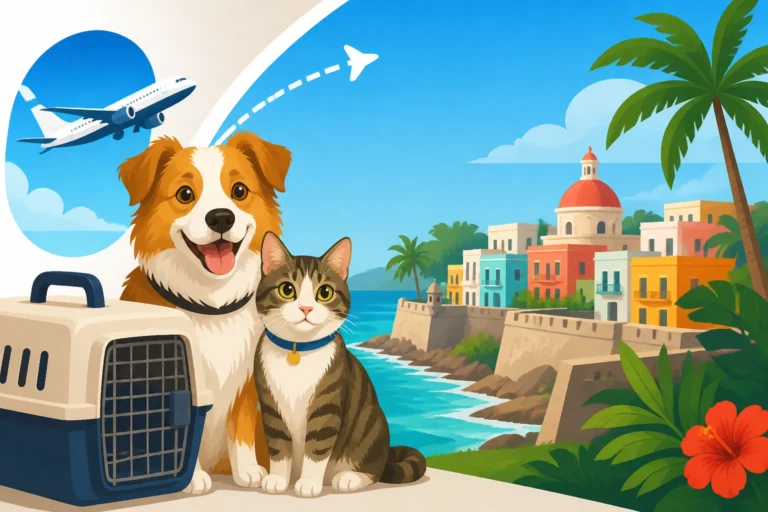
Pet Relocation Documents
Our furry friends are family too, and bringing them along requires proper documentation to ensure a smooth transition. For most domestic animals, you'll need a current health certificate issued by a licensed veterinarian, typically within 30 days of travel, and proof of rabies vaccination. This proof often needs to be on a specific form that is recognized by federal and local authorities.
Always check with the U.S. Department of Agriculture (USDA) and the Puerto Rico Department of Agriculture for the most up-to-date requirements, as regulations can change. Airlines also have their own strict rules regarding pet travel, including crate size, breed restrictions, and temperature limitations. If you're wondering how to make the move with your animal companions, consult How to Move Your Pets to Puerto Rico.
Professional Licenses and Credentials
For many professionals, moving to Puerto Rico isn't just about enjoying the sunshine; it’s about continuing their career. However, your mainland professional license or certification might not be directly transferable. Many professions in Puerto Rico, from healthcare to law to engineering, are regulated by local boards or colegios.
This means you’ll likely need to go through a process of validation or re-licensing. This can involve submitting your mainland credentials, taking local exams, or demonstrating continuing education. It's crucial to research the specific requirements for your profession well before you move. Ignoring this step could delay your ability to work on the island significantly. A good starting point for understanding this process is How to Get a Professional License to Work in Puerto Rico.
Beyond the Basics: Important Records to Keep Handy
While the previous sections covered the immediate essentials, a truly smooth relocation, and life in Puerto Rico, means being prepared for various scenarios. Having these additional documents readily available can save you immense stress down the line.
Medical Records
Don't underestimate the importance of your medical history. When you're establishing care with a new doctor or clinic in Puerto Rico, they'll want to know your background. Bring copies of your family's immunization records, a detailed list of all current medications (including dosages), any known allergies, a summary of significant medical conditions or past surgeries, and contact information for your previous primary care physician.
This information is vital for seamless care and especially critical in an emergency. Having these records can help your new healthcare providers, like those at Ashford Presbyterian Community Hospital or Auxilio Mutuo, quickly understand your needs. While we’re on the topic of health, securing health insurance is paramount. Options like Cigna Global offer plans that can cover you internationally, which might be a consideration depending on your travel plans and specific needs. Always have a plan for Emergency Medical Care in Puerto Rico: What Every Resident Needs to Know.
Financial and Legal Paperwork
Even after you've opened local bank accounts, keep copies of past financial statements, investment portfolios, and any existing wills or powers of attorney. While some legal documents may need to be re-executed under Puerto Rico law, having the originals and copies provides a foundation. Similarly, having copies of your last few years' tax returns (both federal and any state ones you filed on the mainland) can be useful for establishing financial history or for unique tax situations.
If you have any pending legal matters or contracts, ensure you have all documentation related to those as well. Being proactive here can prevent major headaches later on. Remember, while Puerto Rico is part of the U.S. system, there are nuances in legal and financial practices.
Emergency Contact Information
This might seem obvious, but it’s often overlooked in the flurry of packing and moving. Create a physical list (not just on your phone!) of emergency contacts for both on and off the island. Include family members, close friends, doctors, your employer, and any legal or financial advisors.
Also, jot down important local emergency numbers beyond just 911 – for example, numbers for your landlord, local police precinct, or utility companies. Keep this list in an easily accessible place, like taped inside a cabinet or in your wallet. When you're dealing with the logistical complexities of moving, a reliable relocation service like Sirelo can help ensure your belongings arrive safely, allowing you to focus on getting these critical personal details sorted.
Here's a quick summary table of the key documents you'll want to have squared away:
| Document Category | Specific Documents | Purpose | Notes |
|---|---|---|---|
| Personal Identity | U.S. Passport, Birth Certificate, Naturalization Cert. | Proof of citizenship/identity for all official processes | Originals + certified copies crucial. |
| Social Security Card | Essential for employment, banking, and taxes | U.S. SSN is valid. | |
| Mainland Driver's License | Temporary driving, initial ID before PR license | Needed to transfer to a PR license. | |
| Residency & Address | Lease Agreement/Proof of Property Ownership | Primary proof of address for utilities, CESCO, banking | Get a notarized copy if possible. |
| Utility Bills (LUMA, AAA) | Ongoing proof of address, financial history | Takes time to receive first bills. | |
| Local Bank Statements | Secondary proof of address, financial history | Must show PR address. | |
| Vehicle | Vehicle Title/Certificate of Origin | Proof of vehicle ownership | Needed for registration. |
| Mainland Vehicle Registration | May be required for transfer/import | ||
| Proof of ACAA Insurance | Mandatory liability insurance for all vehicles | Required for marbete (registration sticker). | |
| Family & Health | Children's Birth Certificates | School enrollment, proof of identity for minors | |
| Immunization Records (Children) | Mandatory for school enrollment | Ensure they meet PR requirements. | |
| Academic Transcripts/Report Cards (Children) | For school placement and enrollment | ||
| Pet Health Certificate & Rabies Vaccination | Required for pet entry and local registration | Check USDA & PR Dept. of Agriculture for specifics. | |
| Comprehensive Medical Records | Establishing new healthcare, emergency situations | Medication lists, allergies, medical history. | |
| Financial & Legal | Hacienda Registration (if applicable) | For local tax filing if employed or self-employed | Essential for working legally. |
| Previous Tax Returns (Federal/State) | Financial history, some tax planning | ||
| Wills, Power of Attorney, Contracts | Existing legal agreements | May need review/update under PR law. | |
| Other | Professional Licenses/Certifications | Required for working in regulated professions | Often requires local validation/re-licensing. |
| Emergency Contact List (Physical Copy) | Essential in case of phone loss or power outage | Include on-island and off-island contacts. | |
| The Complete Relocation Checklist for Moving to Puerto Rico (2027) | A comprehensive guide to ensure you don't miss anything | Highly recommended for a structured move. |
Moving to Puerto Rico truly is an adventure, and like any good adventure, preparation is your best friend. Don't let the paperwork dampen your spirit; view it as a necessary step to unlock all the wonders the island has to offer. Gather these documents methodically, make copies, and keep everything organized. You'll thank yourself later when you're sipping a piña colada on the beach instead of scrambling for a missing form.
Disclaimer
The information provided in this article is for general informational purposes only and does not constitute legal, financial, or immigration advice. While we strive to provide accurate and up-to-date information, regulations and requirements in Puerto Rico can change frequently. It is highly recommended to consult with appropriate legal, tax, and relocation professionals for advice tailored to your specific situation before making any decisions related to moving to Puerto Rico or managing your documents.