The Complete Guide to Moving to Puerto Rico as a US Citizen (2027)
So, you're a U.S. citizen dreaming of making the leap to Puerto Rico, trading in the mainland hustle for island life. It sounds simple enough, right? Just hop on a plane, maybe ship a few boxes, and you're good to go. But let me tell you, as someone who’s been through it, the reality is a nuanced dance between federal and local requirements that can feel like navigating a maze blindfolded. This comprehensive guide is here to light the way, walking you through every step of moving to Puerto Rico as a U.S. citizen in 2026, from understanding your unique status to setting up your new home.
Understanding the Basics: Why Moving to Puerto Rico Is Different for US Citizens
When you’re a U.S. citizen, the idea of "moving" to Puerto Rico might seem straightforward because, well, it's a U.S. territory. No visas, no complex immigration paperwork, no green card applications – that’s a huge relief compared to moving to an entirely different country. However, that simplicity often masks a layer of administrative quirks and tax implications that are specific to the island’s unique relationship with the federal government. It's not like moving from New York to California; it's a distinct jurisdiction with its own tax system, local laws, and cultural nuances you absolutely need to grasp.
US Citizenship and Residency in Puerto Rico
As a U.S. citizen, you have the automatic right to live and work in Puerto Rico. This means your passport is all you need to enter, and you don't face the same barriers as foreign nationals. You can breathe a sigh of relief on that front. However, merely being in Puerto Rico doesn't automatically confer "residency" in the legal and tax sense. The IRS and Hacienda (Puerto Rico's Treasury Department) have very specific criteria to determine if you are a "bona fide resident" – a term that will become your new mantra.
Think of it this way: you could live in Puerto Rico for six months on an extended vacation, but you wouldn't necessarily be considered a bona fide resident for tax purposes. Conversely, someone could move here, establish all their ties, and be a bona fide resident even if they travel frequently. It's all about proving intent and meeting certain objective tests, which we'll delve into in more detail. This distinction is crucial because it dictates whether your income is primarily taxed by Puerto Rico or the U.S. federal government, and if you qualify for local tax incentives like those under the famous (or infamous, depending on who you ask) Act 60.
The "Bona Fide Resident" Concept
This is the cornerstone of your entire move if you’re looking to genuinely embrace island life and, crucially, access Puerto Rico's unique tax environment. The IRS defines a "bona fide resident" of Puerto Rico as an individual who meets three specific tests for an entire taxable year: the Presence Test, the Tax Home Test, and the Closer Connection Test. If you meet these, your Puerto Rico-source income generally won't be subject to federal income tax, though you'll still pay taxes to Hacienda. Any U.S. source income, however, remains subject to federal tax.
This isn’t just a formality; it’s a critical legal status that impacts everything from your tax returns to your eligibility for local services. Many people get tripped up here, thinking that simply buying property or opening a bank account is enough. It's not. You need to actively sever ties with your previous U.S. tax home and establish robust connections to Puerto Rico. You'll want to dive deep into understanding these nuances, perhaps by reading up on How to Establish Bona Fide Residency in Puerto Rico (2027) to ensure you're on the right track from day one.
Initial Paperwork and Federal vs. Local Rules
Even without immigration hurdles, there's still a significant amount of paperwork to tackle. You’ll be dealing with two distinct administrative systems: the federal one (IRS, Social Security Administration, etc.) and the local one (Hacienda, CESCO for vehicles, AAA for water, LUMA for electricity). It can be a bureaucratic juggle, often feeling like you’re doing everything twice.
For example, while you’ll still use your Social Security number, you’ll likely need to register with Hacienda to get a local tax identification number if you're self-employed or running a business. Updating your address with federal agencies, like the USPS and the IRS, is also paramount to ensure your mail follows you and your tax records are accurate. Then, you'll have to deal with the local equivalents for utilities, vehicle registration, and your driver's license. The key is to approach this with patience and meticulous organization, knowing that each step, though sometimes frustrating, moves you closer to establishing your new life here.
The All-Important Residency Requirements: Beyond Just Showing Up
Okay, so you understand the "bona fide resident" concept. Now, let’s get into the nitty-gritty of how you actually prove it. The IRS doesn't just take your word for it; there are specific tests you must pass. And trust me, the IRS doesn't mess around when it comes to who owes them money. You absolutely need to be diligent about documenting everything.
The Presence Test: Counting Your Days
This is perhaps the most straightforward of the three tests, but also the one that requires the most meticulous tracking. To meet the Presence Test, you must be present in Puerto Rico for at least 183 days during the taxable year. That's more than half the year.
This doesn't mean you can't travel. Many expats here travel back to the mainland for family, business, or just a change of scenery. The trick is to keep a running tally. Every day you're physically on the island counts. If you fly out for a weekend trip to Florida, those two days don't count towards your 183. If you're back for a week, those seven days do. It's a precise calculation. Keep a log, use a travel app, save your flight itineraries – whatever helps you track your physical presence. This is often where people make mistakes, underestimating their time off-island. A short trip here and there adds up quickly. You want to make sure you err on the side of caution and always have a buffer beyond the 183 days.
The Tax Home Test: Where Your Economic Life Is
The Tax Home Test asks, "Where is your main place of business, employment, or post of duty?" If you don't have a regular place of business because of the nature of your work (like a traveling salesperson, although most expats here aren't that), then your tax home is where you regularly live. For most people moving to Puerto Rico, this means establishing your primary income-generating activities on the island.
This is where the idea of remote work for a mainland company gets a little tricky. If your employer is mainland-based, but you're physically working from your apartment in San Juan, then your tax home is Puerto Rico. However, if you're still regularly commuting to a physical office on the mainland, or your primary client base and economic activity remain firmly planted in, say, New York, then the IRS might argue your tax home is not Puerto Rico. This test requires a genuine shift in your professional center of gravity. It's not enough to simply say you work here; your work and economic life need to truly be here.
The Closer Connection Test: Proving Your Intent
This is the most subjective, yet arguably the most important, of the three tests. The Closer Connection Test asks: "Do you have a closer connection to Puerto Rico than to the U.S. or any foreign country?" This is where you demonstrate your genuine intent to make Puerto Rico your home. It’s about building roots.
Think about all the things that tie you to a community:
- Your permanent home: Do you own property or have a long-term lease in Puerto Rico?
- Family: Are your spouse and children living with you on the island?
- Personal belongings: Have you moved the bulk of your possessions here? Think furniture, cars, beloved photo albums.
- Social connections: Are you involved in local community groups, clubs, or religious organizations? Do you have friends here?
- Professional licenses/registrations: If applicable, have you transferred these to Puerto Rico?
- Banking and investments: Have you opened bank accounts with local institutions, like Banco Popular or Oriental Bank? You’ll want to review The Newcomer's Guide to Opening a Bank Account in Puerto Rico for more detailed steps.
- Voter registration: Have you registered to vote in Puerto Rico?
- Driver's license: Have you obtained a Puerto Rico driver's license? (More on this later, but it’s a big one!)
- Medical providers: Do you have local doctors, dentists, and other healthcare providers?
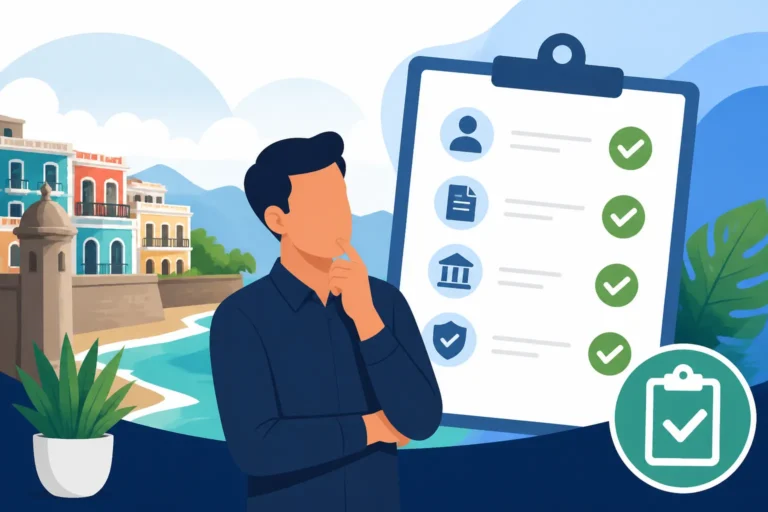
The more "yes" answers you have to these questions, the stronger your case for a closer connection to Puerto Rico. This isn't just a checklist; it's about the totality of your circumstances demonstrating a real commitment to your new life here. If you're still keeping an apartment on the mainland, regularly flying back for dentist appointments, and all your social media shows you "visiting" Puerto Rico, you're not going to pass this test.
Year of Move Special Rules
The year you physically relocate can be a bit tricky because you might not meet the 183-day presence test for that entire tax year, especially if you move mid-year. Thankfully, the IRS provides some relief with "year of move" rules. If you establish bona fide residency during the year, you may be able to elect to be treated as a bona fide resident for the entire year, provided you meet certain criteria, including the "closer connection" test and demonstrating a clear intent to move. However, this is an area where consulting with a tax professional specializing in Puerto Rico and U.S. expat taxes is absolutely essential. Don't try to navigate this particular wrinkle on your own; it's a prime spot for missteps that could have significant tax implications.
The Relocation Checklist: What to Pack, What to Plan, What to Anticipate
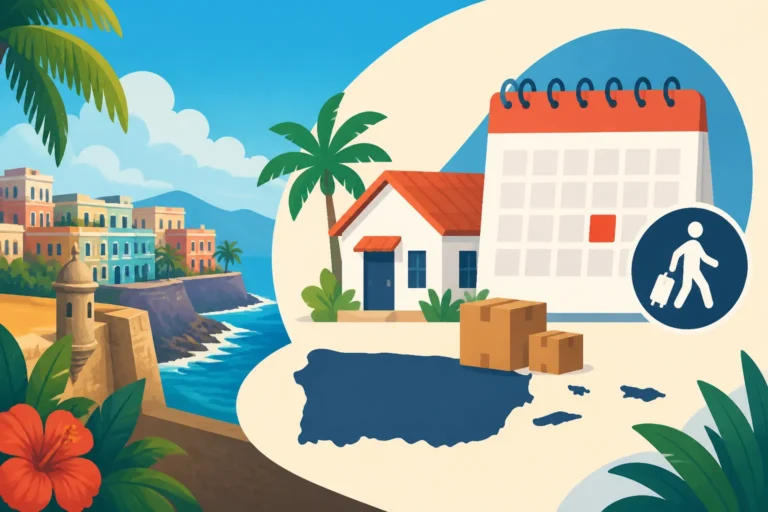
Once you’ve got your head around the residency requirements, it’s time to get down to the brass tacks of the physical move. This part can feel overwhelming, but breaking it down into manageable chunks makes it much less daunting. Trying to wing it usually ends in a mountain of stress and unexpected expenses. A well-laid plan is your best friend here.
Pre-Move Logistics: Housing, Job, Schools
Before you even think about packing boxes, you need to address the big three: where you’ll live, what you’ll do for work, and if you have kids, where they’ll go to school.
- Housing: Finding a place to live can be challenging, especially in popular areas like San Juan, Dorado, or Rincón. Rental markets can be competitive, and properties often move quickly. Start your search well in advance, and consider doing a "scouting trip" to get a feel for different neighborhoods. Websites like ClasificadosOnline.com or various Facebook groups are popular resources. Be prepared for landlords who might require local co-signers or multiple months' rent upfront if you don't have a local credit history. Familiarize yourself with How Much Does It Cost to Rent an Apartment in San Juan in 2026? to set realistic expectations.
- Job: If you’re not bringing a remote job with you, securing employment before you arrive is highly recommended. The job market is different here, and while there are opportunities, especially in tourism, healthcare, manufacturing, and tech, speaking Spanish is often a significant advantage. Network, use local job boards, and tailor your resume for the Puerto Rico market.
- Schools: If you’re moving with children, researching schools is paramount. Puerto Rico offers public, private, and some charter school options. Many expats opt for private bilingual schools, especially if their children aren’t fluent in Spanish, but these come with significant costs. Start applying early, as spots can be limited. Get a head start by reviewing Schools and Education in Puerto Rico: A Complete Guide for Families.
Shipping Your Belongings and Vehicles
This is often one of the biggest logistical puzzles and expenses. Do you ship everything? Sell it all and start fresh? Drive your car onto a boat?
- Household Goods: For household items, you have a few options: full-service movers, freight shipping, or even just checking extra luggage. The cost largely depends on the volume and urgency. Remember that the climate here is humid, so plan for proper storage and consider what items might not fare well in the tropical environment. It's often cheaper to buy new furniture and appliances once you're here rather than shipping heavy, bulky items. Brands like Sirelo specialize in international and domestic moves, and can help you navigate the complexities of getting your possessions to the island. They often provide quotes and help with customs documentation, which can be a lifesaver.
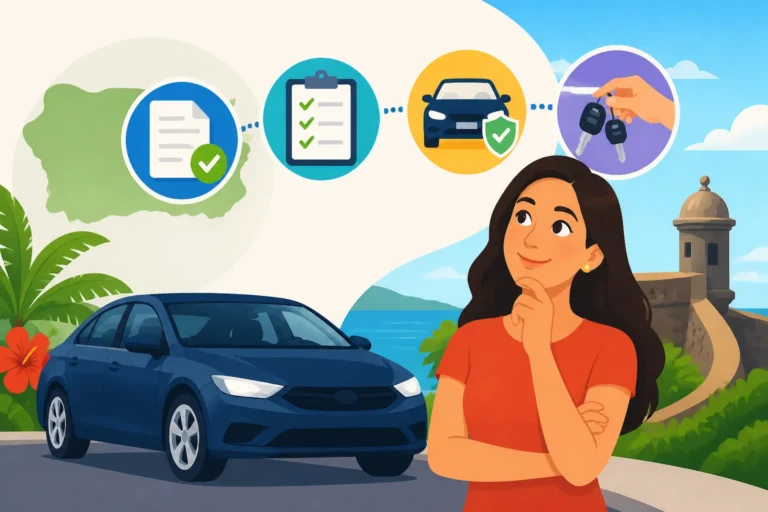
- Vehicles: Shipping a car is a common choice, but it requires careful planning. You’ll need to coordinate with a shipping company, provide vehicle title, registration, and sometimes even a police clearance. Once it arrives, you’ll have to deal with customs, port fees, and then the local vehicle registration process at CESCO (Department of Transportation and Public Works). This typically involves an inspection, paying excise taxes, and getting your marbete (vehicle sticker). Be prepared for potential delays and unexpected fees. Sometimes, it makes more financial sense to sell your car on the mainland and buy a new or used one here, given the shipping costs, excise taxes, and the fact that mainland vehicles tend to rust faster in the salty, humid air.
Pet Relocation Considerations
Moving with pets is absolutely doable, but it requires a lot of forethought and preparation. Puerto Rico has specific requirements for bringing animals onto the island to prevent the spread of diseases.
You’ll generally need:
- Health Certificate: Issued by a licensed veterinarian within 10 days of travel, stating your pet is healthy and free of communicable diseases.
- Rabies Vaccination Certificate: Proof of current rabies vaccination.
- Microchip: Recommended, if not required by your airline.
Airlines have their own strict rules regarding pet travel, including crate size, breed restrictions, temperature embargoes, and even whether pets can fly in cargo or in the cabin. Start researching these requirements well in advance, as last-minute issues can cause significant delays and stress for both you and your furry (or feathered) friends. A good resource for this is How to Move Your Pets to Puerto Rico. Planning is key to ensuring a smooth journey for your beloved companions.
Setting Up Your Life: Essential First Steps on the Island
You've landed, maybe your boxes are on their way, and your pet has settled into their new digs. Now the real work begins: transforming your temporary stay into a permanent home. This involves a series of administrative tasks that, while necessary, can test your patience. Embrace the process, know that it's just part of the journey, and celebrate each small victory.
Getting Your Puerto Rico Driver's License and ID
This is one of the most important administrative steps and a key piece of proving your "closer connection" to Puerto Rico. While your mainland driver's license might be valid for a grace period (usually 30-120 days depending on who you ask and how strictly the rule is interpreted), you absolutely need to get a local one as soon as possible. The process takes place at a CESCO (Centro de Servicios al Conductor) office.
You’ll need:
- Proof of Identity: Usually your U.S. passport or birth certificate.
- Proof of Social Security Number: Your SSN card.
- Proof of Address in Puerto Rico: Utility bill (LUMA, AAA, internet), lease agreement, or bank statement.
- Medical Certificate (Certificado Médico): You need to get an eye exam and a general medical check-up from a licensed doctor in Puerto Rico. They will issue this certificate.
- Affidavit of Residency: Sometimes required if your proof of address isn’t super strong, or if you’re a newcomer. This states under oath that you reside in Puerto Rico.
- Payment for Fees.
Expect long lines, especially without an appointment. It's a rite of passage for every newcomer. Come prepared with all your documents (and copies!), a good book, and plenty of patience. For a detailed walkthrough, check out The Guide to Getting Your Puerto Rico Driver's License and ID (2027). This license will also serve as your primary form of local identification.
Establishing Utilities and Communications
Getting your lights on and your internet running are critical for modern life, and Puerto Rico has its own way of doing things.
- Electricity (LUMA Energy): LUMA Energy is the company responsible for electricity transmission and distribution. Setting up service usually requires visiting a customer service center, providing your lease or property deed, an ID, and paying a deposit. Be prepared for potential bureaucratic hurdles and, at times, inconsistent service. Many residents also invest in generators or solar power due to past grid reliability issues. To understand this process better, refer to How to Set Up Electricity (LUMA) in Your Puerto Rico Home.
- Water (AAA): The Autoridad de Acueductos y Alcantarillados (AAA) manages water services. Similar to LUMA, you’ll typically need to visit an office with proof of residency and ID, and pay a deposit.
- Internet and Mobile: You have several options for internet and mobile service providers, including Liberty Puerto Rico, Claro, T-Mobile, and AT&T. Coverage can vary depending on your location, so it's worth asking neighbors or doing some local research. Setting up internet usually involves an appointment for installation. For mobile, you can often just walk into a store, show your ID, and set up a plan. It's often easier to get a local phone number quickly. For detailed instructions on both, consult The Newcomer's Guide to Setting Up Utilities (LUMA/AAA) in Puerto Rico.
Banking and Financial Preparations
While you can technically keep your mainland bank accounts, establishing local banking relationships is essential for daily life and for solidifying your "closer connection."
- Opening a Local Bank Account: Major banks like Banco Popular de Puerto Rico and Oriental Bank are widely used. You’ll need a valid ID (your new PR driver’s license is great for this), your Social Security card, and proof of address. Some banks might also ask for proof of income or a letter from your employer. Having local bank accounts makes paying bills, receiving local payments, and handling day-to-day transactions much smoother. You'll find specific steps in How to Open a Bank Account at a Puerto Rico Bank as a Newcomer.
- Transferring Funds: You can easily transfer money between mainland and Puerto Rico accounts, as it's still within the U.S. financial system. However, be mindful of transfer limits and potential fees.
- Credit History: Your mainland credit history doesn't automatically transfer to Puerto Rico. You'll need to start building local credit, which can take time. This is important for things like renting, getting a local credit card, or potentially securing a mortgage.
Integrating into Local Life: Community, Culture, and Language
Beyond the paperwork and logistics, truly moving to Puerto Rico means immersing yourself in the vibrant local culture. This is where the magic happens, but it also presents unique challenges that are often overlooked in the excitement of relocation. It's about more than just warm weather; it's about embracing a different pace of life.
Navigating the Culture Shock
Even though Puerto Rico is part of the U.S., it has its own distinct culture, and experiencing culture shock is normal. Things operate on "island time," which means appointments might start late, processes might take longer than you expect, and efficiency isn't always the top priority. This can be frustrating for those accustomed to the fast-paced, highly organized mainland environment.
You'll also notice differences in social interactions, family dynamics, and even driving habits. Embrace the slower pace, learn to laugh at the unexpected, and don't take everything too seriously. Patience and a sense of humor are your most valuable assets. Try new foods, attend local festivals, and engage with your neighbors. The more open you are to experiencing life through a local lens, the smoother your transition will be.
Learning Spanish: A Must-Have Skill
While many people in Puerto Rico, especially in tourist areas and major cities, speak English, Spanish is the dominant language. While you can certainly get by with English in many situations, particularly in professional settings or expat communities, truly integrating and navigating daily life becomes immeasurably easier if you learn Spanish.
Imagine needing to explain a medical issue, discuss a repair with a local contractor, or even just order food at a beloved chinchorro (local eatery). Having a basic grasp of Spanish will not only make these interactions smoother but also show respect for the local culture. It’s a game-changer for building relationships and feeling truly at home. There are many language schools, tutors, and online resources available, so make it a priority if you’re serious about living here.
Finding Your Community and Support Networks
Making new friends and finding your tribe is crucial for a successful relocation. Puerto Rico has a growing expat community, particularly in areas like San Juan, Dorado, and Rincón. Online groups (Facebook is big here for local communities) are a fantastic way to connect with other newcomers and long-term residents. These groups often share invaluable advice, organize meetups, and provide a sense of camaraderie.
Beyond the expat bubble, make an effort to connect with locals. Volunteer, join a sports league, take a class, or simply frequent local businesses. Puerto Ricans are generally warm, hospitable, and family-oriented. Building these connections will not only enrich your experience but also provide a vital support system when you inevitably encounter challenges. Don't be afraid to put yourself out there and explore; the island is full of wonderful people waiting to share their culture.
Healthcare, Education, and Daily Living: What to Expect
Moving to a new place always brings up questions about essential services. How does healthcare work? Where will my kids go to school? What's the real cost of putting groceries on the table? These are practical concerns that directly impact your quality of life, and Puerto Rico has its own systems you’ll need to understand.
Understanding the Healthcare System
Puerto Rico has a dual healthcare system, with both public (government-funded, primarily through the Plan de Salud del Gobierno or "Vital Plan") and private options. As a U.S. citizen, you’ll want to understand how your insurance options work.
- Private Health Insurance: Many newcomers opt for private health insurance, often through local providers like Triple-S, MCS, or Humana. These plans typically offer access to a wider network of private hospitals and specialists, and shorter wait times. If you're coming from the mainland, your existing plan might not cover you adequately here, or at all. It's critical to research Health Insurance in Puerto Rico: Plans, Costs and Options Explained (2026) to find a suitable plan for your needs. For those needing comprehensive global coverage, especially during the transition or if you frequently travel off-island, international providers like Cigna Global can be an excellent option, offering peace of mind.
- Medicare/Medicaid: Medicare operates in Puerto Rico much like it does on the mainland, though many opt for Medicare Advantage plans tailored to the island. Medicaid (locally known as the Vital Plan) is available for eligible low-income residents.
- Finding Doctors: Finding an English-speaking doctor, especially in larger cities like San Juan, is generally not difficult. Word-of-mouth recommendations from other expats or local clinics are a good starting point. Be prepared for some differences in how appointments are scheduled or how records are handled. You can learn more about finding the right care in The Complete Guide to Healthcare in Puerto Rico for New Residents (2027).
Schools and Education Options for Your Family
If you’re moving with children, selecting the right school is a major decision. Puerto Rico's education system can feel quite different from what you might be used to on the mainland.
- Public Schools: The public school system (Department of Education of Puerto Rico) is primarily Spanish-speaking. While there are efforts to incorporate more English, immersion can be a significant challenge for children not fluent in Spanish. The quality of public schools can also vary widely.
- Private Schools: Many expat families choose private schools, particularly in the San Juan metropolitan area. These schools often offer bilingual education (English and Spanish) and follow a U.S.-based curriculum, sometimes with accreditation that makes transitioning back to mainland schools easier. Examples include Baldwin School of Puerto Rico, St. John's School, and Commonwealth-Parkville School. These schools typically have competitive admissions and tuition fees that can rival those of mainland private schools.
- Homeschooling: Homeschooling is also an option for families who prefer a more personalized approach or who find the existing school options don't meet their needs.
It's highly advisable to research specific schools, visit campuses if possible, and talk to other expat parents to find the best fit for your children.
Cost of Living Realities
Many people come to Puerto Rico assuming it will be significantly cheaper than the mainland. While some aspects can be more affordable (like certain property taxes or local produce), others, especially imported goods and electricity, can be surprisingly expensive.
- Housing: Rent varies wildly by location, with popular expat areas often comparable to or even pricier than some mainland cities. Buying property also involves specific local taxes and fees.
- Groceries: Many processed foods and imported goods can be more expensive due to shipping costs. Local produce, however, is generally more affordable and delicious! Learning to shop at farmers' markets and cook with local ingredients can save you money.
- Utilities: Electricity (LUMA) can be notoriously high, especially if you rely heavily on air conditioning. Water (AAA) and internet costs are generally comparable to the mainland.
- Transportation: Gasoline prices are similar to the mainland, but vehicle excise taxes can make buying a car more expensive initially.
- Overall: The Complete Guide to Cost of Living in Puerto Rico (2026) breaks down these expenses in detail, helping you budget effectively for your new island life. It's a nuanced picture, and careful planning is necessary to avoid financial surprises.
Maintaining Your Bona Fide Residency: Long-Term Compliance
Establishing bona fide residency is one thing; maintaining it year after year is another. The IRS requires ongoing compliance with the Presence, Tax Home, and Closer Connection tests. This isn't a one-and-done deal; it's a continuous commitment.
Annual Reporting and Documentation
You'll need to keep meticulous records year after year. This includes:
- Travel Records: Continue to track your days in and out of Puerto Rico to ensure you meet the 183-day Presence Test.
- Financial Records: Document your local bank accounts, investments, and any income generated on the island.
- Utility Bills: Keep proof of your ongoing utility services (LUMA, AAA, internet) in your name.
- Lease Agreements/Property Deeds: Maintain current housing documentation.
- Other Ties: Keep records of your involvement in local community organizations, professional licenses, and any other evidence of your "closer connection" to Puerto Rico.
Essentially, anything that demonstrates your primary home and economic life are firmly rooted in Puerto Rico should be carefully documented and readily available. This will be invaluable if you ever face an audit or need to prove your residency status.
The Importance of Ongoing Connection
Don't let your "closer connection" wane. As life evolves, it's easy to drift. If you find yourself spending more time on the mainland, keeping significant financial or personal ties there, or your tax home shifts back, you could jeopardize your bona fide resident status. This has serious implications for your tax situation, potentially triggering federal taxation on your Puerto Rico-source income.
Make sure your actions consistently align with your intent to live in Puerto Rico permanently. This means continuing to participate in local life, renewing your local licenses and registrations, and making Puerto Rico the center of your personal and professional world. It's an active commitment, not a passive status.
When to Seek Professional Advice
Navigating the intricacies of bona fide residency, especially concerning tax implications like Act 60, is complex. While this guide provides a solid foundation, it's not a substitute for professional, personalized advice.
- Tax Professionals: Engage a tax advisor who specializes in U.S. and Puerto Rico tax law before you move, or at the very latest, early in your first year. They can help you understand your specific tax situation, ensure you comply with all requirements, and assist with filing both your federal (if applicable) and Hacienda tax returns. This is particularly crucial if you're considering Act 60 benefits or have complex income streams.
- Relocation Consultants: For the logistical aspects of moving, a relocation consultant or service can be incredibly helpful. They can assist with everything from finding housing and schools to navigating the CESCO office. Think of them as your local guides, helping you avoid common pitfalls.
- Legal Counsel: For significant transactions like buying property or establishing a business, consulting with a local attorney is always a wise decision. They can ensure you understand local laws and protect your interests.
Moving to Puerto Rico as a U.S. citizen is an adventure, one filled with beautiful scenery, vibrant culture, and unique administrative challenges. With careful planning, patience, and a willingness to embrace the island's rhythm, you can absolutely build a wonderful new life here. Welcome home!
Disclaimer
The information provided in this guide is for general informational purposes only and does not constitute legal, tax, or professional advice. While we strive to provide accurate and up-to-date information, laws and regulations can change, and individual circumstances vary. We strongly recommend consulting with qualified legal, tax, and financial professionals in Puerto Rico for advice tailored to your specific situation before making any decisions related to your relocation or finances.