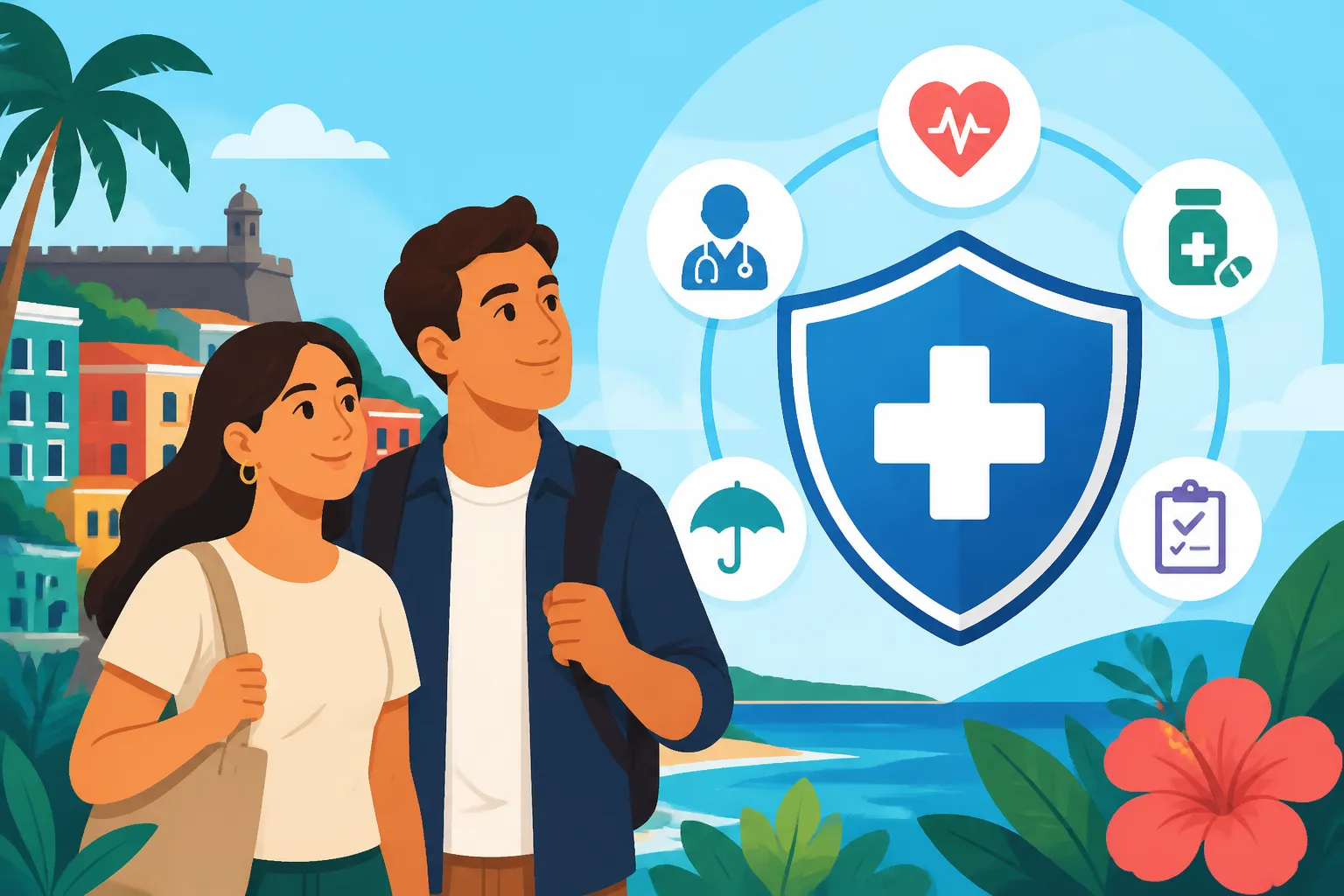
What Is the Best Health Insurance for Newcomers to Puerto Rico?
Moving to the island is a dream for many, but the reality of the administrative transition can be a wake-up call, especially when you realize your mainland health coverage might not follow you. Navigating the fragmented insurance market in Puerto Rico is a major hurdle for newcomers who find themselves caught between different systems. This guide solves that confusion by identifying the best insurance options for your specific needs.
The Reality of Healthcare Coverage for New Arrivals
One of the first things you’ll notice when you step off the plane in San Juan is that while Puerto Rico is a US territory, the insurance infrastructure feels distinctly different. Many newcomers arrive assuming their Blue Cross Blue Shield or Aetna plans from the mainland will work seamlessly here. Unfortunately, unless you have a specific PPO plan with national "BlueCard" access, you might find yourself facing out-of-network rates or, worse, a flat-out refusal of coverage. This is a common frustration that can make those first few months feel incredibly vulnerable.
To manage this transition, you need to understand The Complete Guide to Healthcare in Puerto Rico for New Residents (2026. The local market is dominated by a few major players, and the way they interact with doctors and hospitals is steeped in local bureaucracy. Unlike the mainland, where you might be used to a wide choice of national providers, here you are looking at local giants like Triple-S, MCS, and First Medical. These companies have the deepest networks on the island, but getting enrolled as a new resident requires a bit of patience and a lot of paperwork.
The "gap" period is where most people get stuck. You’ve moved, you’re looking for a permanent home, and you haven't yet established the residency markers needed for a local private plan. During this awkward phase, many expats turn to flexible solutions like SafetyWing to ensure they aren't one accident away from a massive hospital bill. It provides a necessary cushion while you figure out which local provider actually has the best network in your specific municipality.
Comparing the Major Local Private Insurers
When you are ready to commit to a long-term local plan, you will inevitably end up comparing Triple-S, MCS (Medical Card System), and First Medical. Triple-S is often considered the "gold standard" simply because of the sheer size of its provider network. If you are living in a more remote area like Rincon or Isabela, Triple-S is frequently the only provider that local specialists in those regions consistently accept. However, being the biggest also means dealing with a massive administrative machine that can feel slow and impersonal to a newcomer.
MCS is the primary competitor and is highly regarded for its customer service and modern digital tools. Many expats find their "Classic" or "Personal" plans to be more user-friendly than Triple-S. If you are residing in the metro area of San Juan, Guaynabo, or Bayamon, the network differences between MCS and Triple-S are negligible. You’ll want to check out How to Get Health Insurance When You Move to Puerto Rico to see the specific steps for applying to these local carriers, as they often require a physical address and a local ID or social security verification.
First Medical is another strong contender, particularly popular for its competitive pricing. They often offer plans that are slightly more affordable for young families or individuals who don't anticipate frequent specialist visits. However, their network can be a bit more "hit or miss" once you leave the San Juan metropolitan area. It is vital to ask your neighbors or local community groups which insurer the local "CDT" (Centro de Diagnóstico y Tratamiento) or the nearest private hospital prefers.
Why Your Mainland Plan Might Fail You
It is a recurring nightmare for many: you show up at a clinic in Condado with your mainland insurance card, only to be told they don't accept it. This happens because many mainland plans treat Puerto Rico as "international" or simply don't have the contracts in place with local doctors. Even if your plan says it covers "emergency care" in all 50 states and territories, the definition of an emergency can be strictly interpreted, leaving you to pay upfront for urgent care visits that aren't life-threatening.
This is why Understanding the Difference Between Mainland and Puerto Rico Health Plans is so critical for your relocation strategy. Local plans are designed around the specific cost structures of the island. On the mainland, you might be used to high premiums but lower out-of-pocket costs for procedures. In Puerto Rico, the monthly premiums are often significantly lower than in New York or Florida, but the co-pays for specialists and high-tech imaging can add up quickly if you don't choose the right "metal" tier (Bronze, Silver, Gold).
If you are a digital nomad or someone moving under a remote work arrangement, you might want to maintain a global perspective. SafetyWing offers a bridge for those who are technically residents but still travel back to the mainland frequently. Since local PR plans often provide very limited coverage once you leave the island, having a supplemental or primary international plan can prevent you from being "uninsured" the moment you step onto a plane to visit family in the States.
The Importance of the Provider Network or Directorio Medico
In Puerto Rico, the "Directorio Médico" is your bible. Unlike the mainland, where online directories are updated daily, local directories can sometimes lag. It is not uncommon to find a doctor listed in a network who has recently stopped taking that specific insurance or has moved offices.
When evaluating a plan, don't just look at the monthly cost. Look at the specialist referral process. Many local plans are HMO-style, meaning you must see a primary care physician (PCP) to get a referral for everything from a dermatologist to a cardiologist. This can be a significant bottleneck. If you value your time and want to skip the referral line, you should look for "PPO" or "Open Access" tiers. These are more expensive but save you the headache of multiple appointments just to see a specialist.
For those who are still in the "scouting" phase of their move, navigating the local system without a local ID can be nearly impossible. This is another scenario where SafetyWing shines, as it doesn't require you to have a permanent Puerto Rican address to start coverage. It allows you to focus on finding the right neighborhood and the right local doctor before you lock yourself into a year-long contract with a local carrier like Triple-S or First Medical.
Understanding Costs: Premiums vs. Out-of-Pocket
One of the few pleasant surprises about moving to Puerto Rico is the cost of private health insurance. Compared to the US mainland, where an individual plan can easily cost $600 to $800 a month, you can often find high-quality private coverage here for $200 to $400. However, the lower premium often comes with a different philosophy regarding Understanding Co-Pays, Deductibles and Premiums in Puerto Rico. You might find that while your monthly bill is low, you are expected to pay a $20 or $30 co-pay every time you see a doctor, which can add up.
There is also the matter of "deductibles." On the mainland, high-deductible plans are the norm. In Puerto Rico, many private plans have surprisingly low deductibles, but they make up for it with "coinsurance" on expensive items like MRIs or hospital stays. You need to do the math based on your own health history. If you have chronic conditions, paying a slightly higher premium for a "Gold" tier plan from MCS or Triple-S will almost always save you money in the long run.
| Insurance Type | Best For | Network Reach | Ease of Enrollment |
|---|---|---|---|
| Triple-S (Local) | Long-term residents in rural or metro areas | Excellent (Island-wide) | Moderate (Requires PR residency) |
| MCS (Local) | Expats in metro areas who want good tech/support | Great (Metro focus) | Moderate (Requires PR residency) |
| SafetyWing (International) | Newcomers in transition or digital nomads | Global (Includes emergency) | Very Easy (Online in minutes) |
| First Medical (Local) | Budget-conscious individuals/families | Good (Select networks) | Moderate (Requires PR residency) |
Navigating the Waiting Period and Eligibility
There is a frustrating reality that no one tells you: you can't always just "buy" insurance the day you arrive. Most local private insurers have specific enrollment windows, or they require proof of "Bona Fide" residency, which can take time to establish. If you move in the middle of the year, you might find yourself waiting for an open enrollment period unless you have a qualifying life event. Understanding How Much Does Health Insurance Cost in Puerto Rico in 2026? will help you budget for these different phases of your move.
While you are waiting for your local paperwork to clear, do not remain uncovered. The medical facilities in San Juan are excellent, but the costs for the uninsured are high. Using an interim solution like SafetyWing ensures that if you trip on the cobblestones of Old San Juan or catch a tropical illness during your first month, you aren't paying thousands out of pocket. It’s the safety net that allows you to navigate the local bureaucracy at your own pace without the stress of being unprotected.
Finally, keep in mind the documentation requirements. To secure a local plan, you will generally need your Social Security card, a birth certificate or passport, and a utility bill in your name to prove your Puerto Rican address. Check What Documents Do I Need to See a Doctor in Puerto Rico? to ensure you have everything digitized and ready. The more prepared you are, the faster you can move from "visitor" status to being fully integrated into the local healthcare system.
Practical Steps to Finalize Your Coverage
Once you have narrowed down your choice between the big three local players, the next step is to find an "authorized representative" or a broker. In Puerto Rico, insurance is often sold through independent brokers who can help you compare plans side-by-side. This service is usually free to you, as they are paid by the insurance companies. A local broker can be an invaluable ally, often knowing which plans are currently having "speedier" approval processes or which companies are currently offering the best pharmacy benefits.
Before you sign the dotted line, call the doctors you think you might want to use. Ask them directly: "Do you accept the Triple-S Optimo plan?" or "Are you in the MCS Classic network?" This verification is the only way to be 100% sure your coverage will work where you want it to. Use Navigating the Puerto Rico Healthcare System: A Newcomer's Roadmap (2026 to map out your first 90 days of health tasks. By the time you’ve been on the island for three months, you should have your local card in your wallet, your primary doctor selected, and a clear understanding of how to access care.
If you find the local administrative burden too high during your first year, there is no shame in sticking with international coverage until you feel more settled. Many expats find that Does My Mainland Health Insurance Work in Puerto Rico? is a question that leads to a "no," prompting them to use international plans for a longer period than they initially intended. The goal is peace of mind so you can enjoy the island life you moved here for in the first place.
Important Disclaimer
The information provided in this guide is for informational purposes only and does not constitute professional medical or legal advice. Health insurance laws, plan availability, and provider networks in Puerto Rico are subject to frequent changes. Always consult with a licensed insurance broker or the insurance providers directly to confirm current eligibility requirements, coverage details, and costs before making any financial commitments or changes to your healthcare coverage.