How Long Are Wait Times at Public Hospitals in Puerto Rico?
Let's be real, when you first move to an island like Puerto Rico, navigating the healthcare system can feel like trying to untangle a bowl of spaghetti – and that's before you even consider an emergency. One of the most common questions I hear, especially from folks who are new to the island or just visiting, is about public hospital wait times. And trust me, it’s a valid concern. Nobody wants to be sitting for hours, especially when they're not feeling their best. This guide will walk you through what to realistically expect when seeking care at public hospitals here, why the waits can be long, and how you can best prepare.
The Reality of Public Hospital Wait Times in Puerto Rico
If you're used to the speedy, often appointment-based systems of the mainland U.S. or other developed countries, brace yourself. Public hospitals in Puerto Rico operate under different pressures and resources. While they are a critical safety net, they often face significant challenges that directly impact how long you'll be waiting to be seen.
Why the Waits Can Be So Long
The public healthcare infrastructure in Puerto Rico, despite the dedication of its staff, often grapples with several systemic issues that lead to extended wait times. For starters, there's the sheer volume of patients. Many residents, particularly those covered by the government's healthcare program, the Understanding the Vital Plan (Government Health Plan) in Puerto Rico (2027), rely entirely on these facilities. This means these hospitals are often the first and only resort for a huge segment of the population, from minor ailments to critical care.
Then there's the matter of resources. Budget constraints can lead to understaffing, both in terms of doctors and nurses, and administrative personnel. Equipment might be older or less readily available compared to private facilities, which can slow down diagnostic processes. Furthermore, the number of specialists available within the public system is often limited, meaning even if you get through triage quickly, seeing the specific doctor you need might still involve a wait or a transfer. It's a complex web, and unfortunately, the patient at the front desk often bears the brunt of these challenges.
Differentiating Emergencies from Non-Emergencies
This is probably the most crucial distinction you need to understand. If you arrive at a public hospital with a true, life-threatening emergency – a heart attack, severe trauma, stroke symptoms, uncontrolled bleeding – you will absolutely be prioritized. The staff are trained to recognize these critical situations, and you will be moved to the front of the line for immediate attention.
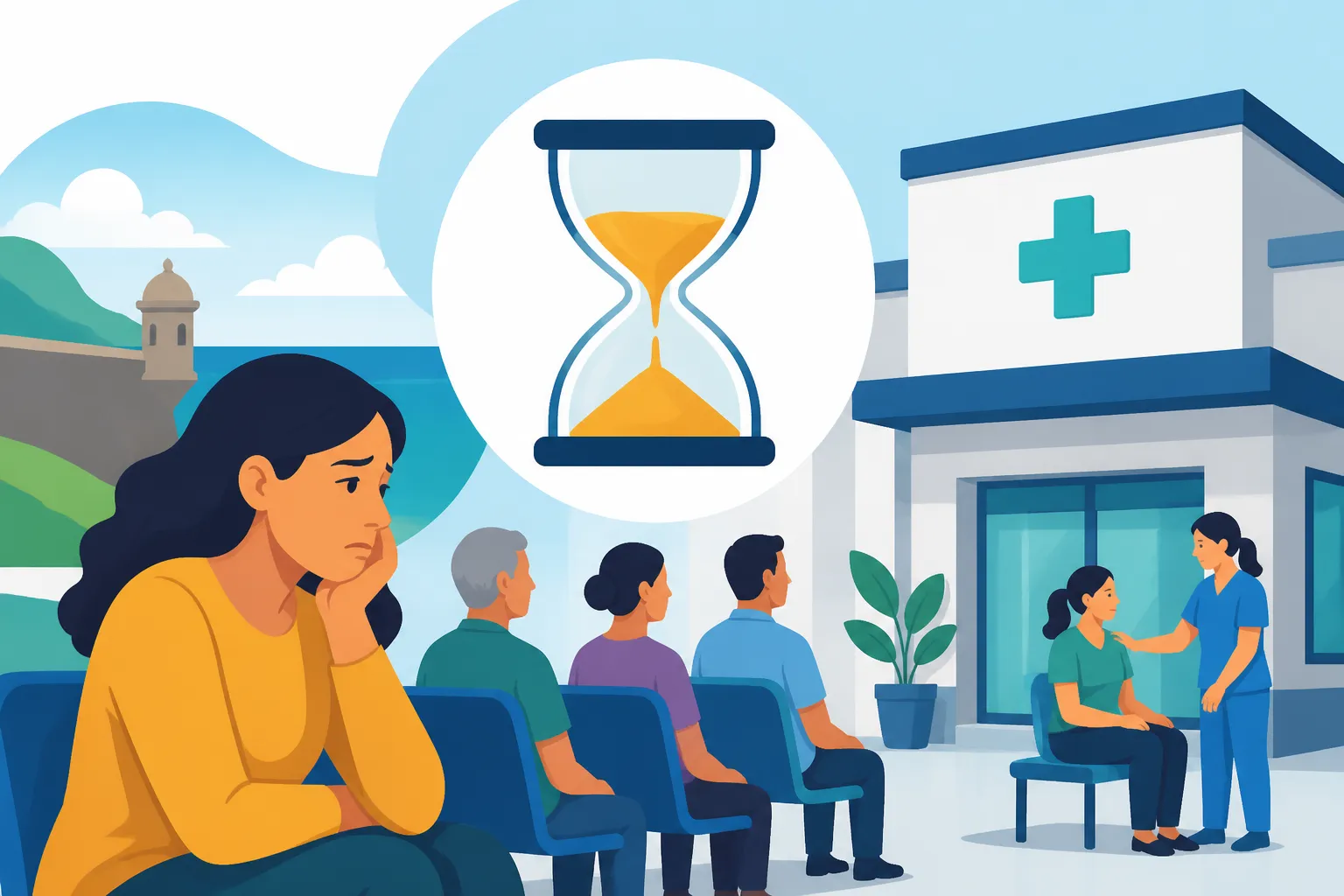
However, many people confuse "urgent" with "emergency." If your issue is painful, worrying, or needs attention soon, but isn't immediately life-threatening, you're likely going to be categorized as "urgent" rather than "emergent." This is where the wait times really kick in. A broken bone that's not openly exposed, severe flu symptoms, a high fever that's not responding to medication, or a deep cut that needs stitches but isn't gushing blood are all urgent, but not critical. You might find yourself waiting for several hours while truly emergent cases are seen, or while beds become available.
The Triage Process: How You're Assessed
Upon arrival at any hospital, public or private, you'll go through a triage process. This isn't just about filling out forms; it's a medical assessment designed to quickly determine the severity of your condition and prioritize patients. A nurse or other medical professional will take your vital signs, ask about your symptoms, and assess your overall condition.
They'll classify your case into a category, often using a system similar to the Emergency Severity Index (ESI), which ranges from 1 (most critical, immediate attention needed) to 5 (least critical, might be seen by a primary care doctor). If you're a Category 4 or 5, you could be waiting for a very long time indeed. This is where you'll see people pulling out books, charging their phones, or even taking a nap in the waiting room – because they know the drill. It's frustrating, yes, but it's the system's way of ensuring that those who need help right now get it.
Navigating the System: What to Expect and How to Prepare
Knowing what's ahead can save you a lot of stress. While you can't magically shorten the lines, you can certainly be better prepared and explore alternatives.
Understanding Public vs. Private Healthcare Access
For newcomers, especially those from the mainland, the distinction between public and private healthcare in Puerto Rico is often stark and critical to understand. The public system, as we've discussed, is strained but vital. It's primarily accessed by those with the Vital Plan or no insurance at all, offering care at little to no direct cost at the point of service, but with the trade-off of longer waits.
Private hospitals, on the other hand, such as those discussed in The Guide to Choosing a Private Hospital in Puerto Rico (2027), are generally better funded, have more staff, and significantly shorter wait times. These are typically utilized by individuals with private health insurance, either through their employer or purchased independently. If you have private insurance, even a temporary travel insurance plan like SafetyWing for your initial days on the island, you'll generally find a much smoother, quicker experience at a private facility. It's a good idea to research How to Get Health Insurance When You Move to Puerto Rico right away.
The cost difference can be substantial, of course, but for many, the peace of mind and faster care are worth the investment. To learn more about the broader picture, you can consult How Puerto Rico's Health System Works: Public vs Private Explained (2027).
Alternative Options for Non-Emergency Care
For those less critical but still urgent issues, heading straight to a public hospital ER might not be your best bet, or even necessary. Puerto Rico has a network of Centros de Diagnóstico y Tratamiento (CDT), which are public diagnostic and treatment centers, essentially community clinics. These CDTs are equipped to handle a wide range of minor illnesses and injuries, such as colds, flu, minor cuts, sprains, and infections.
Wait times at CDTs can still vary, but they are often considerably shorter than a hospital emergency room, especially for non-life-threatening conditions. They can be a fantastic first stop, and if they determine your condition requires hospital care, they can often facilitate a smoother transfer. Finding your local CDT is a smart move – for example, if you're in the central region, you might ask yourself, Where Is the Nearest CDT or Public Clinic in Caguas? before a real need arises.
Another option, if you have private insurance or are willing to pay out-of-pocket, is a private urgent care clinic. These are popping up in more urban areas and offer quick access to doctors for a fee, again, for those non-emergency but urgent needs. A typical How Much Does a Private Doctor Visit Cost in Puerto Rico? might surprise you in its affordability compared to a mainland ER co-pay.
Practical Tips for Your Visit
So, you find yourself needing to visit a public hospital, and you anticipate a wait. Here's what I've learned from personal experience and seeing others navigate the system:
- Go Early or Late: If your condition allows, try to go during off-peak hours, which are typically very early morning (before 8 AM) or late at night (after 10 PM) on weekdays. Mid-day, evenings, and weekends are usually the busiest.
- Bring Documentation: Always have your ID (Puerto Rico driver's license, Real ID, or passport), any health insurance cards (even if it's just a temporary travel insurance like SafetyWing as you're getting settled), and a list of any medications you're taking, allergies, and your medical history. This will expedite the registration process.
- Pack a "Go Bag": Seriously, treat it like a mini-survival kit for waiting. Include a fully charged phone and portable charger, a book or tablet, snacks (if allowed and if you don't have dietary restrictions that might prevent you from eating before a procedure), water, and perhaps a small blanket or sweater – hospitals can be chilly.
- Be Patient and Polite: The staff are doing their best under challenging conditions. A calm, respectful demeanor will serve you much better than impatience or anger, which will only add to your stress and theirs.
- Don't Hesitate to Re-evaluate: If your condition worsens significantly while waiting, inform the triage nurse immediately. Don't suffer in silence.
- Consider a Companion: If possible, bring a friend or family member. They can help with communication, keep you company, and advocate for you if needed.
The Financial Side of Urgent Care: Public, Private, and Insurance
Healthcare costs are always a concern, and Puerto Rico is no different. Understanding the financial implications can help you make informed decisions, especially when you're caught between long public wait times and quicker private options.
Costs at Public Hospitals
One of the primary advantages of the public hospital system is its affordability, particularly for residents who qualify for the Plan de Salud del Gobierno (often called "La Reforma" or the Vital Plan). For these individuals, many services are covered with minimal or no out-of-pocket costs. If you do not qualify for Vital and do not have private insurance, public hospitals will still treat you, especially in an emergency, but you will be responsible for the bill. While typically much lower than private hospital rates, these costs can still accumulate, particularly for diagnostics, specialist consultations, or hospital stays.
It's a common misconception that because it's "public," it's "free" for everyone. That's not always the case if you're not enrolled in the government plan. It's always wise to inquire about costs upfront if you're not in a critical state and don't have coverage. For a more detailed look at expenses, check out The Cost of Healthcare in Puerto Rico: A Complete Breakdown for Newcomers (2026).
Considering Private Care for Shorter Waits
If you have private insurance, or if you're willing to pay out-of-pocket for quicker service, private hospitals and clinics are your best bet for avoiding those lengthy public wait times. Hospitals like Ashford Presbyterian Community Hospital, Hospital Auxilio Mutuo, or Hospital Pavia in San Juan are renowned for their quality of care and efficiency. The How to Use Private Hospital Networks in San Juan guide can help you navigate these options.
The cost for a private ER visit can range from hundreds to thousands of dollars depending on the severity of your condition, tests performed, and treatment. However, if you have a good private health insurance plan, your out-of-pocket expense will be limited to your co-pay and deductible, as outlined in Understanding Co-Pays, Deductibles and Premiums in Puerto Rico. For a non-emergency issue, a visit to a private urgent care center or even a private doctor's office is often far less expensive than an ER visit and will get you seen much faster.
Bridging the Gap: Temporary Insurance Solutions
When you first arrive in Puerto Rico, getting your local health insurance sorted can take time. It's not an overnight process, and there's a period where you might be vulnerable. This is where a good travel insurance plan or temporary health coverage can be a lifesaver. For instance, a policy from a provider like SafetyWing could cover emergency medical expenses during this transitional period, allowing you to access private hospitals and urgent care clinics without the sticker shock of a full out-of-pocket payment. This means you can bypass the often-long waits at public facilities for anything less than a dire emergency. Can Tourists Access Emergency Care in Puerto Rico? also applies to new residents in this transitional phase.
Having this kind of coverage means that if you twist an ankle, get a nasty fever, or have another urgent but non-life-threatening issue, you can confidently walk into a private facility, present your temporary insurance, and likely be seen much faster. It's about proactive planning to ensure you have options beyond the public system's potentially lengthy queues during your critical first months on the island. To get a comprehensive overview of your options, consult Health Insurance in Puerto Rico: Plans, Costs and Options Explained (2026).
| Service Type | Public Hospital ER (Non-Emergency) | Public CDT/Clinic (Non-Emergency) | Private Hospital ER (Non-Emergency) | Private Urgent Care (Non-Emergency) |
|---|---|---|---|---|
| Typical Wait Time | 3-8+ hours (can be much longer) | 1-3 hours | 30 min – 2 hours (often less) | 15-60 minutes |
| Cost (No Insurance) | Moderate to High | Low to Moderate | High | Moderate |
| Cost (Vital Plan) | Minimal / Free | Minimal / Free | N/A (generally not accepted) | N/A (generally not accepted) |
| Cost (Private Ins.) | Co-pay / Deductible | Co-pay / Deductible | Co-pay / Deductible | Co-pay / Deductible |
| Best For | True life-threatening emergencies | Minor illnesses/injuries | Any condition, with private insurance | Minor illnesses/injuries, with private insurance |
Ultimately, while the public hospitals in Puerto Rico are there to provide essential care, be prepared for a potentially long wait if your condition isn't life-threatening. Arm yourself with knowledge about the alternatives, consider temporary insurance like SafetyWing as you settle in, and remember that patience and preparedness go a long way in navigating healthcare on the island.
Disclaimer
Please remember that I am an expat blogger sharing my experiences and research. While I strive to provide accurate and up-to-date information, healthcare systems are complex and can change. This content is for informational purposes only and should not be considered professional medical or legal advice. Always consult with qualified healthcare professionals or legal experts for personalized guidance regarding your specific situation in Puerto Rico.