How Do I Choose a Private Hospital in San Juan?
Navigating the healthcare system in a new home is one of the most stressful experiences an expat can face, especially when you are dealing with a language barrier or a system that feels familiar yet operates under entirely different cultural rules. This guide provides a clear, empathetic roadmap to choosing a private hospital in San Juan, ensuring you receive the highest standard of care while avoiding the common administrative pitfalls and long wait times that frustrate many newcomers.
The Reality of Private Healthcare in San Juan
When I first moved to San Juan, I assumed that because Puerto Rico is a US territory, the hospitals would be carbon copies of what I was used to in Florida or New York. The truth is more nuanced. While the medical technology and doctor training are top-tier—many physicians here are board-certified by the same US boards as mainland doctors—the administrative experience can feel like a different world. In San Juan, private hospitals are the gold standard for anyone who has the means or the right insurance, offering shorter wait times and more modern facilities than the public system.
However, choosing the right facility isn't just about picking the closest building on Google Maps. It involves understanding which hospitals cater to the English-speaking community and which ones specialize in the specific care you might need, whether that is cardiology, maternity, or emergency surgery. If you are still in the process of moving and waiting for local coverage to kick in, How Long Does It Take to Get Health Coverage as a New Resident in Puerto Rico? is a vital read, as many private hospitals will require proof of insurance or a significant cash deposit upfront. For digital nomads or those in a transition phase, a plan like SafetyWing can offer a necessary safety net while you navigate these local requirements.
The local healthcare culture also places a heavy emphasis on personal referrals. While mainlanders often rely on online reviews, locals in San Juan will tell you that knowing which doctor operates out of which hospital is key. Private hospitals here often act as hubs for independent specialist practices, meaning your choice of hospital is often dictated by your choice of physician. Understanding How to Access Specialist Care Through Private Hospitals in Puerto Rico will help you see the link between a private consultation and a potential hospital stay.
Top Private Hospitals in San Juan for Newcomers
San Juan is home to several prestigious private institutions, each with its own "vibe" and area of expertise. For many expats, the decision usually boils down to the "Big Three": Ashford Presbyterian, Auxilio Mutuo, and the Pavia system.
Ashford Presbyterian Community Hospital (El Presby)
Located right in the heart of Condado, Ashford is often the first choice for the expat and Act 60 community. Because of its location in a high-tourist and expat-heavy area, the staff is very used to English speakers. If you are pregnant, this is widely considered one of the best spots on the island. Understanding Maternity Care and Coverage in Puerto Rico is essential if you are planning a family, as Ashford’s birthing suites are highly sought after. The hospital feels smaller and more "community-oriented" than the massive complexes elsewhere in the city.
Hospital Auxilio Mutuo
If you are looking for a massive, all-encompassing medical center, Auxilio Mutuo in Hato Rey is it. This is a non-profit private hospital with a history dating back over a century. It is sprawling and can be intimidating to navigate, but it houses some of the most advanced specialized units on the island, including a renowned transplant center and a premier cancer center. If you have a complex condition, you will likely find yourself here. However, be prepared for a more "local" experience; while many doctors speak perfect English, the administrative staff may primarily speak Spanish. This is a great time to review How to Find an English-Speaking Doctor in Puerto Rico so you can ensure your primary advocate within the hospital is someone you can communicate with clearly.
Hospital Pavia Santurce
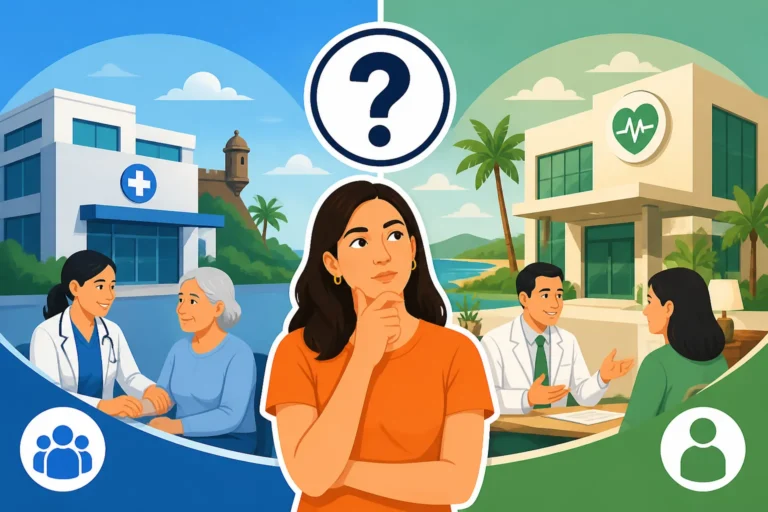
Part of the larger Metro Pavia Health System, the Santurce location is famous for its cardiology and vascular care. It is a high-tech facility that often handles complex surgeries that other hospitals might refer out. For those living in Miramar or Santurce, it is incredibly convenient. The Pavia network is extensive, so if you establish care here, you often have easier access to their affiliated labs and imaging centers across the island. Understanding How Do I Choose Between Auxilio Mutuo, Pavia and Ashford Hospitals? often comes down to your specific health needs versus your preference for a smaller, more intimate facility like Ashford.
| Hospital Name | Primary Location | Key Specializations | Expat Friendliness |
|---|---|---|---|
| Ashford Presbyterian | Condado | Maternity, Pediatrics, General Surgery | Very High |
| Auxilio Mutuo | Hato Rey | Transplants, Oncology, Cardiology | Moderate |
| Pavia Santurce | Santurce | Cardiology, Vascular, Orthopedics | High |
| San Jorge Children's | Santurce | Pediatrics, Pediatric Specialties | High |
| Doctors' Center | Santurce/Bayamon | General Medicine, ER, Imaging | Moderate |
Critical Selection Factors: Insurance, Language, and Accreditation
Choosing a hospital isn't just about the medical care; it’s about the "administrative fit." One of the biggest shocks for new residents is discovering that their favorite mainland insurance might not be accepted, or that the billing process is vastly different from what they expect. This is where a transitionary insurance like SafetyWing can be useful, especially if you are traveling back and forth to the mainland while setting up your residency.
Insurance Acceptance and the "Mainland Gap"
Before you set foot in a San Juan hospital, you must verify if they take your specific plan. Most private hospitals in San Juan accept local providers like Triple-S, MCS, and Humana Puerto Rico. However, mainland US plans (like Blue Cross Blue Shield from a specific state) are often treated as "out of network" or accepted only for emergencies. I highly recommend reading Does My Mainland Health Insurance Work in Puerto Rico? to avoid a massive bill after an ER visit. If you are uninsured or your plan isn't accepted, be prepared to pay a "fianza" (deposit) that can range from $500 to several thousand dollars just to be admitted.
The Language Barrier in Administration
While medical school in Puerto Rico is conducted in English and the textbooks are the same as those in the US, the day-to-day language of the island is Spanish. In a high-stress emergency situation, trying to explain your medical history in broken Spanish is the last thing you want to do. When choosing a hospital, look for those that explicitly market to the international community or have dedicated international patient departments. Ashford is particularly good at this, but even at Auxilio Mutuo, you can request a translator.
Quality and Accreditation (Joint Commission)
Don't just take a hospital’s word for its quality. Look for the Gold Seal of Approval from The Joint Commission. This is the same body that accredits hospitals on the mainland. Most of the major private hospitals in San Juan maintain this accreditation, but it is always worth double-checking. This accreditation ensures that the hospital meets rigorous safety and quality standards, which can provide significant peace of mind when you are far from your previous healthcare network. Detailed insights into these standards can be found in The Guide to Choosing a Private Hospital in Puerto Rico.
Navigating the Hospital Experience: Emergencies and Admissions
Once you have chosen a hospital, you need to know how to actually use it. The emergency room (ER) experience in San Juan can be a test of patience. Even in private hospitals, wait times for non-life-threatening issues can stretch into several hours. It is common to see families gathered in waiting rooms, as the culture here is very supportive and collective.
The Emergency Room Workflow
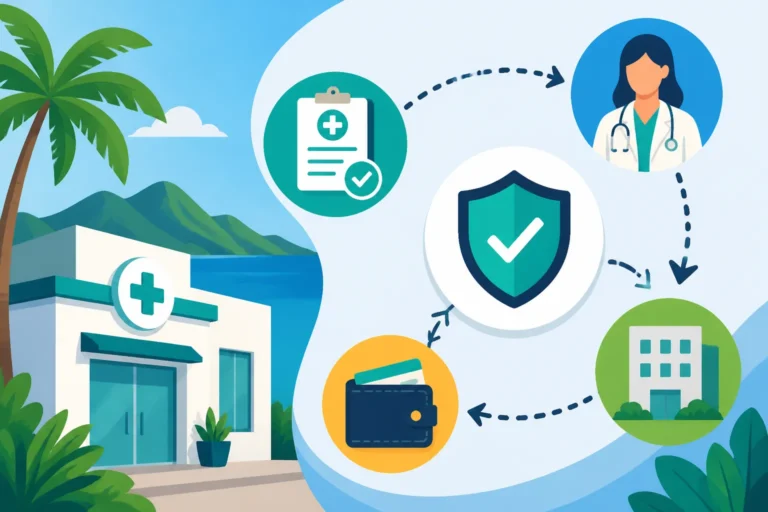
In a private San Juan ER, you will first go through "Triage." If you have a plan like SafetyWing, keep your digital ID card ready on your phone. After triage, you will be asked for your insurance card and a photo ID. If you are a new resident and haven't updated your license yet, your US passport or mainland ID will work. A critical tip: if you are not in a life-threatening state, consider visiting a "CDT" (Centro de Diagnóstico y Tratamiento) first. These are smaller urgent care centers that can handle stitches, X-rays, and IV fluids much faster than a major hospital ER.
Hospital Admissions and Billing
If you are admitted, the process becomes more complex. You will likely be assigned a "Hospitalist"—a doctor who manages your care while you are in the facility. This may not be the specialist you originally saw. Billing in Puerto Rico is notoriously slow and can be confusing. You might receive separate bills from the hospital, the doctor, the anesthesiologist, and the lab. This is perfectly normal here, even if it feels chaotic. To better prepare for the financial side, check out Understanding Hospital Admission and Billing in Puerto Rico.
Medical Records and Continuity of Care
One of the hurdles I faced was moving my medical records from the mainland to San Juan. Not all private hospitals use the same Electronic Health Record (EHR) systems that mainland hospitals do. It is often a good idea to carry a digital or physical copy of your most important records (recent labs, imaging, list of medications) with you. Private hospitals are getting better at digital integration, but having your own "paper trail" can save hours of frustration during a consultation.
Why a Scouting Trip Includes Hospital Visits
If you are currently planning your move, it is wise for a "scouting trip" to include more than just looking at apartments in Condado or Dorado. Take an afternoon to drive to the hospitals you are considering. Look at the parking situation (which can be a nightmare in Santurce), check the proximity to your potential home, and even walk into the lobby to get a feel for the environment.
Living here is a beautiful experience, but the peace of mind that comes from knowing exactly where you will go if something goes wrong is priceless. Whether you are relying on How Puerto Rico's Health System Works: Public vs Private Explained (2027) to choose your long-term insurance or using SafetyWing as a temporary bridge, being proactive is the best way to handle the healthcare transition. San Juan’s private hospitals offer world-class care; you just need to know the "rules of the island" to access it efficiently.
Disclaimer
The information provided in this guide is for informational purposes only and does not constitute medical or legal advice. Healthcare regulations and insurance acceptance in Puerto Rico can change frequently. Always verify current policies, accreditation, and insurance networks directly with the medical facility before seeking treatment. In the event of a life-threatening emergency, always dial 911 or proceed to the nearest emergency room immediately.