Can I Buy Antibiotics Over the Counter in Puerto Rico?
Waking up with a persistent fever, a painful ear infection, or the tell-tale signs of a urinary tract infection is a stressful experience for anyone, but it feels doubly daunting when you are in a new environment. Many newcomers and travelers arrive on the island hoping for a quick fix at the local pharmacy, but the reality of medical regulations often catches them off guard. This guide provides a definitive answer to whether you can buy antibiotics over the counter in Puerto Rico and outlines the exact steps you need to take to receive proper medical treatment without the frustration of being turned away at the pharmacy counter.
The Legal Framework of Antibiotics in Puerto Rico
If you are coming from a neighboring Caribbean island or a country in Latin America, you might be accustomed to a healthcare culture where a quick conversation with a pharmacist is all it takes to walk out with a box of Amoxicillin. However, Puerto Rico operates under a strictly regulated medical framework. Because Puerto Rico is a U.S. territory, it falls under the jurisdiction of the U.S. Food and Drug Administration (FDA) and the Puerto Rico Department of Health.
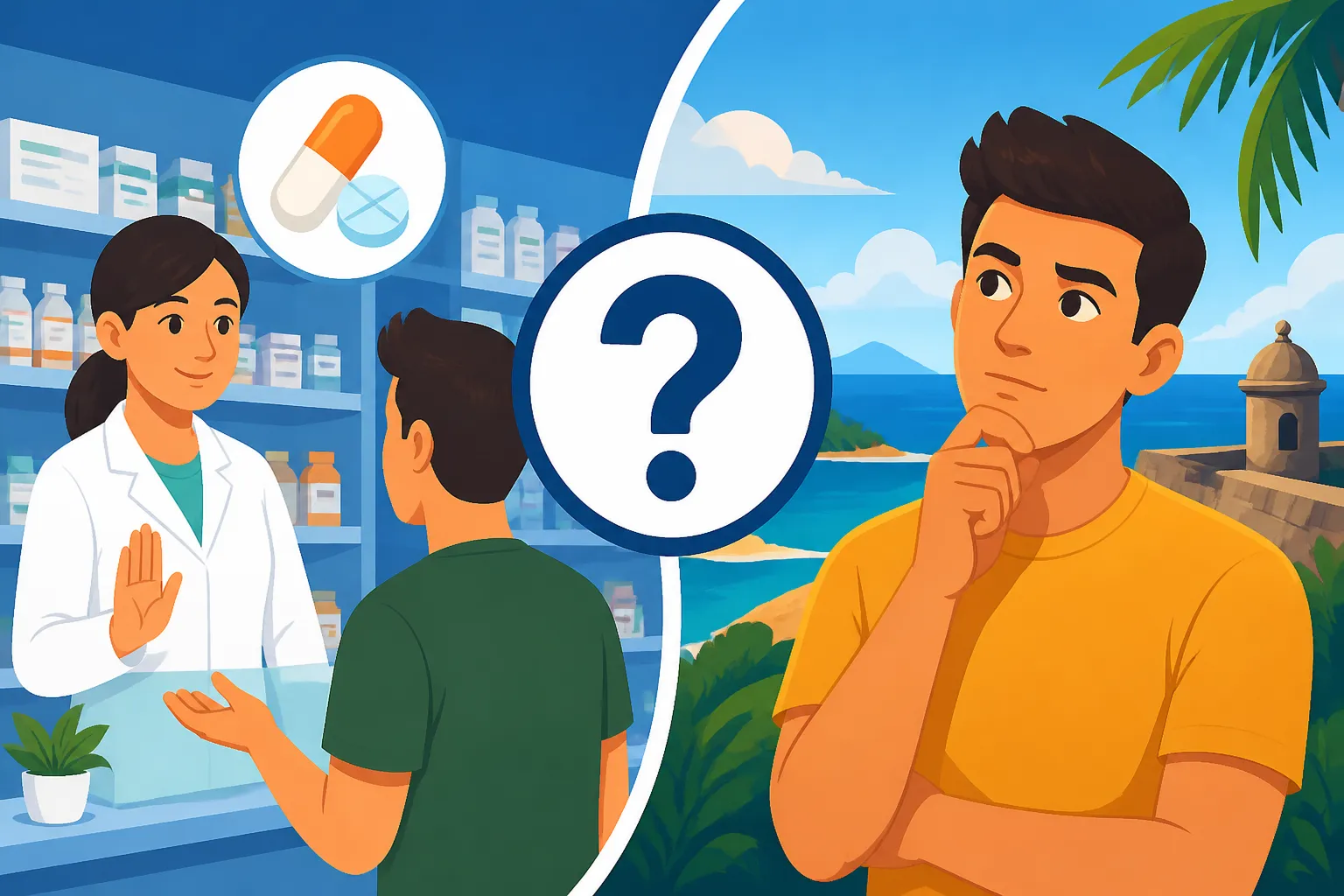
Under these regulations, antibiotics are classified as prescription-only medications. There is no legal "loophole" that allows a pharmacist to dispense these drugs without a valid order from a licensed healthcare provider. This can be a major point of frustration for those who are used to self-diagnosing minor ailments to save time and money. I remember when I first moved here, I thought I could just talk my way into a pack of Zithromax for a sinus infection, only to be politely but firmly reminded that the rules here are identical to those in New York or Florida.
The reason for this strictness isn't just bureaucratic red tape; it is a matter of public health. The global rise of antibiotic-resistant "superbugs" has led authorities to clamp down on the casual use of these drugs. In Puerto Rico, the medical community is very conscious of this risk. Furthermore, many tropical ailments that mimic bacterial infections—such as Dengue fever or certain viral flu strains—cannot be treated with antibiotics. Taking them unnecessarily not only fails to cure the illness but can also lead to adverse side effects or allergic reactions that require even more intensive medical intervention. For travelers who might be worried about navigating these rules while on vacation, having a plan through SafetyWing can provide peace of mind by covering the costs of the necessary doctor visits required to get that prescription.
Where to Go for a Fast Prescription
Since you cannot simply buy antibiotics over the counter, your first hurdle is obtaining a valid prescription. For many expats and tourists, the traditional hospital emergency room is the first thought, but that is often the most expensive and time-consuming route. If your condition is not life-threatening, you have several more efficient options.
One of the most local ways to get care is through a CDT, which stands for Centro de Diagnóstico y Tratamiento. These are community-based clinics that offer a middle ground between a primary care doctor's office and a full-scale hospital. They are equipped to handle minor infections, provide diagnostic tests like blood work or X-rays, and, most importantly, write the prescription you need. If you are wondering Where Is the Nearest CDT or Public Clinic in Caguas? or in any other municipality, a quick search for the local "CDT" will usually point you to the nearest facility.
For those who prefer a more "mainland-style" experience, urgent care centers are becoming increasingly common in urban areas like San Juan, Guaynabo, and Dorado. These facilities usually have shorter wait times than hospitals and are very familiar with treating the types of infections that require antibiotics. Before you head out, it is helpful to understand Emergency Medical Care in Puerto Rico: What Every Resident Needs to Know to ensure you are choosing the right level of care for your symptoms. If you are a digital nomad or a long-term traveler, having coverage from SafetyWing is particularly useful here, as they often handle claims for these types of outpatient urgent care visits quite smoothly.
| Facility Type | Average Wait Time | Best For | English Proficiency |
|---|---|---|---|
| CDT (Public/Private) | 2–6 Hours | Non-emergencies, minor infections | Moderate |
| Urgent Care Center | 1–3 Hours | Fast treatment, English speakers | High |
| ER (Hospital) | 4–12+ Hours | Severe trauma, high fevers, emergencies | High |
| Telehealth | < 1 Hour | Simple prescriptions, repeat issues | Very High |
The Role of Local Pharmacies and the Recetario
Once you have your prescription in hand, you need to find a pharmacy. In Puerto Rico, you will find a mix of massive U.S. chains like Walgreens and CVS, and a robust network of independent pharmacies known as "Farmacias de Comunidad."
The experience at a chain pharmacy will feel very familiar to anyone from the U.S. mainland. They have automated systems, accept most major insurance plans, and usually have at least one pharmacist on duty who is fluent in English. However, for a more personal touch—or if you find yourself in a smaller town—the local community pharmacy is a staple of Puerto Rican life. These pharmacies often serve as the heartbeat of the neighborhood. The pharmacists there often have more time to discuss your symptoms and can be incredibly helpful in explaining how to take your medication.
Understanding Prescription Medications and Pharmacies in Puerto Rico: The Complete Guide is essential for newcomers because it covers the nuances of "recetarios" (the prescription counters) and how to handle refills. It is also worth noting that if you are a traveler using SafetyWing, you should always keep your physical receipt and a copy of the prescription. Most international insurance plans work on a reimbursement basis for medication, so having that paperwork is the difference between getting your money back and paying out of pocket.
One common mistake newcomers make is trying to use a prescription written by a doctor on the U.S. mainland. While some large chains might occasionally honor them if they can verify the physician, many local pharmacies will require a prescription from a doctor licensed specifically in Puerto Rico. If you find yourself in this situation, it is often faster to use a local telehealth service or visit a local clinic rather than arguing at the pharmacy counter. You can learn more about this in our guide on Does My Mainland Health Insurance Work in Puerto Rico? which delves into the complexities of cross-border medical care.
Navigating the Cost of Antibiotics and Consultations
The cost of healthcare is a significant concern for anyone living or traveling abroad. While the medications themselves are often reasonably priced—especially if you opt for generic versions—the "total cost" of getting an antibiotic includes the doctor's consultation fee.
If you do not have a local insurance plan yet, a visit to a private doctor or an urgent care center can cost anywhere from $60 to $150. For those who are new to the island, it is vital to know How to Find and Register with a Primary Care Doctor in Puerto Rico early on, rather than waiting until you are sick. Having an established relationship with a doctor can significantly lower your costs and wait times.
For those without local insurance, generic antibiotics like Amoxicillin or Cephalexin are quite affordable, often costing less than $20 for a full course. However, brand-name antibiotics or specialized treatments for more complex infections can be significantly more expensive. If you are curious about how these costs fit into a larger budget, check out The Cost of Healthcare in Puerto Rico: A Complete Breakdown for Newcomers (2026).
For travelers, SafetyWing acts as a financial safety net. If an unexpected infection turns into a costly ordeal involving multiple doctor visits and lab tests, the insurance coverage ensures that a minor health hiccup doesn't ruin your travel budget. This is especially important because medical costs in Puerto Rico, while often lower than in major U.S. cities, are still significantly higher than in many other parts of the world.
Practical Steps to Take When You Feel Sick
When the first signs of illness appear, do not waste time searching for a pharmacy that might "bend the rules." They won't. Instead, follow these practical steps to get the medicine you need as quickly as possible:
- Assess Your Symptoms: If you have a mild sore throat or a cold, remember that antibiotics do not treat viruses. Start with over-the-counter symptom relief available in the front aisles of any Walgreens or local farmacia.
- Choose Your Provider: If your symptoms persist or worsen (high fever, severe pain, yellow/green discharge), decide between a CDT, an urgent care center, or a telehealth app. For those in the metro area, finding How to Access Specialist Care Through Private Hospitals in Puerto Rico might be necessary if the infection is recurring or complex.
- Prepare Your Documents: Bring your ID (Passport or Driver's License) and your insurance card. If you are using travel insurance, have your policy details ready. Knowing What Documents Do I Need to See a Doctor in Puerto Rico? beforehand will save you a lot of stress in the waiting room.
- Communicate Clearly: If your Spanish is limited, don't worry. Most medical professionals in Puerto Rico are bilingual, especially in urban centers. If you are concerned about the language barrier, you can specifically look for How to Find an English-Speaking Doctor in Puerto Rico.
- Follow Up: Once you receive your prescription, finish the entire course of antibiotics, even if you feel better after two days. This is the best way to prevent the infection from returning and to combat antibiotic resistance.
Addressing Common Misconceptions
There is a persistent myth among some expat circles that you can find "under the table" antibiotics in certain rural areas or through "botánicas." As a veteran expat, I strongly advise against this. Not only is it illegal, but you have no guarantee of the medication's quality, expiration date, or even its actual contents. Puerto Rico’s medical system is high-quality and accessible; there is no reason to risk your health with unregulated sources.
Another misconception is that the "Vital" plan (the government health plan) is only for those in extreme poverty. While it is a needs-based system, many newcomers who are transitioning between jobs or starting a small business may find they qualify. You can research Understanding the Vital Plan (Government Health Plan) in Puerto Rico (2027) to see if it is a viable option for your family during your first few months on the island.
For those who are here on a temporary basis or are digital nomads, the reality is that you are often in a "gray zone" of insurance coverage. This is where a specialized product like SafetyWing becomes indispensable. It bridges the gap between your home country's insurance (which may not cover you here) and the local Puerto Rican plans that often have residency requirements or waiting periods.
Finally, keep in mind that the pharmacy landscape is changing. With more people moving to the island, wait times at popular pharmacies can be long. Always ask the pharmacist for an estimated time for your "receta" to be ready. It is often faster to drop off the prescription, go grab a "café con leche" nearby, and return an hour later rather than sitting in the pharmacy waiting area. If you are interested in how the broader system functions, reading Navigating the Puerto Rico Healthcare System: A Newcomer's Roadmap (2027) can give you the high-level perspective you need to feel like a local in no time.
Medical Disclaimer
The information provided in this guide is for educational and informational purposes only and is not intended as medical advice. Puerto Rico laws regarding prescription medications are subject to change, and you should always consult with a licensed healthcare professional for any medical concerns or to obtain a prescription. Do not attempt to self-medicate or acquire antibiotics through illegal or unregulated channels. If you are experiencing a medical emergency, please dial 911 immediately or proceed to the nearest emergency room.