Can I Get Counseling or Therapy in Puerto Rico?
Moving to a new place like Puerto Rico, with all its vibrant culture and stunning beauty, can still come with a fair share of stress and adjustment. Many of us expats find ourselves feeling a bit adrift or overwhelmed at times, wondering where to turn for support when those feelings get too heavy. This guide is here to walk you through the landscape of mental health services on the island, helping you understand how to access counseling or therapy in Puerto Rico and find the support you deserve.
Understanding Mental Health Services on the Island
When you first arrive, trying to figure out the healthcare system, let alone where to go for mental health support, can feel like navigating a maze blindfolded. It's a common frustration, believe me. The good news is that mental health services are available here, though they might operate a bit differently than what you're used to on the mainland or in other countries. You'll find a mix of public and private options, each with its own quirks and access points.
Public vs Private Mental Health Care
Just like with general medical care, Puerto Rico offers both public (government-funded) and private mental health services. The public system, often accessed through facilities known as CDT (Centros de Diagnóstico y Tratamiento) or specific mental health clinics managed by the Departamento de Salud, aims to provide care to all residents, especially those with limited income or who qualify for the Plan de Salud del Gobierno (Vital Plan). While it's an essential safety net, the public system can come with longer wait times, fewer English-speaking professionals, and a more generalized approach to care. It's designed to handle a broad spectrum of needs, from acute psychiatric emergencies to ongoing therapy, but the resources can sometimes feel stretched.
On the other hand, the private sector offers a wider array of choices, usually with shorter wait times and more specialized services. This is where you'll find independent therapists, psychologists, psychiatrists, and private clinics. Many private practitioners in areas popular with expats, like San Juan, Dorado, or even Rincón, are likely to be bilingual, which can be a huge relief when you're trying to express complex emotions in a non-native language. Of course, the trade-off here is the cost, which can be significantly higher if you're paying out-of-pocket or if your insurance coverage isn't robust. It’s a classic balancing act: access and specialization versus affordability.
Common Mental Health Challenges for Expats
It’s completely normal to experience a range of emotions when moving abroad. Many expats find themselves grappling with culture shock, homesickness, loneliness, or even feelings of isolation, especially in the initial months or even years. The language barrier, while often manageable for daily life, can become a significant hurdle when you're trying to express deep emotional distress or understand nuanced therapeutic advice. Practical stressors, such as navigating bureaucracy, managing finances in a new system, or even just dealing with the occasional power outages, can pile up and contribute to anxiety or depression. Some individuals also experience relationship strain as they adjust, or find that pre-existing mental health conditions are exacerbated by the changes and demands of expat life. Acknowledging these challenges is the first step towards seeking help. Don't feel like you have to tough it out alone; many of us have been there.
Finding the Right Professional and Treatment Options
Once you've decided to seek help, the next step is finding someone who fits your needs. This can feel like dating, but for your brain, and it's perfectly okay to "shop around" for a therapist or counselor you connect with.
Types of Mental Health Professionals
In Puerto Rico, as elsewhere, you’ll encounter different types of mental health professionals, each with distinct qualifications and roles.
- Psychologists: These professionals hold a doctorate (Ph.D. or Psy.D.) and are trained in various therapeutic modalities. They provide counseling and psychotherapy for mental health conditions, emotional challenges, and behavioral issues. They cannot prescribe medication, but often work in conjunction with psychiatrists. Many psychologists specialize in areas like cognitive-behavioral therapy (CBT), dialectical behavior therapy (DBT), trauma therapy, or couples counseling.
- Psychiatrists: These are medical doctors (MDs) who have specialized in psychiatry. They can diagnose mental health conditions, prescribe medication, and offer medication management. Some psychiatrists also provide psychotherapy, but their primary focus is often on the biological and pharmacological aspects of mental health. If you feel you might benefit from medication, a psychiatrist is the professional to consult.
- Counselors/Therapists: This broader category includes licensed professional counselors (LPC), licensed marriage and family therapists (LMFT), and licensed clinical social workers (LCSW). They typically hold a master's degree and are trained to provide various forms of talk therapy and counseling for individuals, couples, families, and groups. Their approach is often more focused on specific life challenges, emotional regulation, and coping strategies.
It’s worth noting that the titles and licensing requirements can vary slightly, so always verify a professional’s credentials. A good starting point is asking for referrals from your primary care doctor, or reaching out to expat communities online or in person.
Language and Cultural Competence
One of the biggest concerns for many English-speaking expats is the language barrier. While Spanish is the primary language, you'll be pleased to know that a significant number of mental health professionals, especially in larger metropolitan areas like San Juan and its surrounding suburbs (Guaynabo, Carolina), are bilingual. Look for professionals who explicitly state they offer services in English. Don't hesitate to ask during an initial consultation if they are comfortable conducting sessions entirely in English, or if they have experience working with clients from diverse cultural backgrounds.
Beyond language, cultural competence is key. A therapist who understands the unique stresses of expat life, or who is sensitive to cultural differences, can make a huge difference. They’ll understand that your feelings of homesickness aren't just "sadness" but often tied to a loss of familiar social cues, support networks, and even food. It’s not just about speaking the same words, but understanding the unspoken context of your experience here. You can find resources by looking for specific directories that list English-speaking therapists or those specializing in expat mental health.
Online Therapy and Telehealth Options
In this day and age, telehealth has become a game-changer, especially for those living in more remote parts of the island or who simply prefer the convenience. Many therapists in Puerto Rico offer online sessions, which can bridge geographical gaps and often make scheduling easier. This is particularly useful if you find an English-speaking therapist you click with, but they're located on the other side of the island.
Furthermore, if you’re still getting your bearings or haven't secured local health insurance yet, online platforms based in the mainland US or internationally can be a temporary solution. However, be aware of licensing laws – a therapist licensed in, say, California, might not be legally permitted to provide ongoing therapy to someone residing in Puerto Rico. Check their licensing rules carefully. For short-term travel insurance, even providers like SafetyWing offer some level of emergency mental health support, which can be crucial if you experience an acute crisis while still new to the island or in transit. This might not cover long-term therapy, but it’s an important consideration for initial coverage.
Understanding Coverage and Costs
The financial aspect of mental health care is often a major concern, and understanding how it works in Puerto Rico is essential.
Health Insurance Coverage
Your ability to access counseling and therapy will heavily depend on your health insurance plan. If you've managed to secure a local private health insurance plan through an employer or directly, odds are it will include some level of mental health coverage. However, the specifics vary wildly. You might have co-pays, deductibles, or limits on the number of sessions covered annually. It's crucial to dive deep into your policy documents or call your insurance provider directly (e.g., Triple-S, MCS, Humana) to understand your mental health benefits. Ask specific questions like:
- Do I need a referral from a primary care doctor to see a psychologist or psychiatrist?
- What is my co-pay per session?
- Do I have a separate deductible for mental health services?
- Is there a limit on the number of sessions covered?
- Are specific types of therapy (e.g., family therapy, group therapy) covered?
- Which providers are in-network for mental health?
If you're still on your mainland US plan, or if you're a digital nomad, this is where things get tricky. Many mainland US plans have limited or no coverage for services rendered in Puerto Rico, even though it's a US territory. It's a frustrating loophole that many expats discover the hard way. For those still evaluating their options, understanding Health Insurance in Puerto Rico: Plans, Costs and Options Explained (2026) is a vital first step.
The government-funded Vital Plan also covers mental health services, but as mentioned, access might involve longer waits and a smaller pool of providers. If you qualify for it, it’s a robust option. You can learn more about Understanding the Vital Plan (Government Health Plan) in Puerto Rico (2027) to see if it’s an option for you.
Out-of-Pocket Costs and Payment Options
If your insurance doesn't cover therapy, or if you prefer to see an out-of-network provider, you'll be paying out-of-pocket. The cost of a private therapy session in Puerto Rico can range significantly, typically from $75 to $150 per session, sometimes more for highly specialized professionals or psychiatrists. Many therapists offer a sliding scale based on income, so it never hurts to ask, especially if you’re upfront about your financial situation.
Payment is usually due at the time of service. Most private practices accept cash, ATH Móvil (a popular local mobile payment app), or credit/debit cards. It’s rare to find places that offer complex payment plans, so be prepared for direct payment. Some providers might also offer a "superbill" or detailed receipt that you can submit to your insurance company for potential reimbursement, even if they aren't directly in-network. This is often an option with PPO plans, though HMOs are usually more restrictive. Always confirm this possibility with both the provider and your insurer beforehand.
Here’s a rough comparison of general access points:
| Feature | Public Mental Health Services | Private Mental Health Services |
|---|---|---|
| Access Points | CDTs, primary care centers (some), specialized mental health clinics, hospitals | Independent practitioners, private clinics, specialized centers, hospitals |
| Cost | Low to no cost (often covered by Vital Plan) | Higher cost (covered by private insurance, out-of-pocket) |
| Wait Times | Can be longer, especially for non-emergency services | Generally shorter, quicker access to appointments |
| Language Options | Predominantly Spanish, fewer English-speaking professionals | Many bilingual (English/Spanish) professionals, especially in expat areas |
| Specialization | Broad range of services, but less specialized niches | Wider range of specializations (e.g., CBT, DBT, trauma, couples) |
| Confidentiality | Standard medical confidentiality practices | Standard medical confidentiality practices |
| Medication Access | Available through psychiatrists in the public system | Available through private psychiatrists |
| Convenience/Flexibility | Less flexible scheduling, may require more travel | More flexible scheduling, telehealth options often available |
Practical Steps for Accessing Care
So, you’re ready to take the plunge. Where do you actually start? It’s not always as straightforward as it is in other places, but with a bit of persistence, you’ll get there.
Getting Referrals and Making Appointments
For many local private insurance plans, you might need a referral from your primary care physician to see a specialist like a psychologist or psychiatrist. This is a common practice in Puerto Rico, so your first stop might be to How to Find and Register with a Primary Care Doctor in Puerto Rico. Your PCP can often provide a list of recommended mental health professionals who are in your insurance network. Don't be afraid to clearly state your need for an English-speaking provider from the outset.
If you don’t have a referral requirement, you can reach out directly to private practitioners. Websites like Psychology Today have a good directory where you can filter by location, insurance, and languages spoken. Local expat groups on social media can also be goldmines for personal recommendations. Once you have a few names, call their offices. Be prepared to introduce yourself, briefly state what you're looking for, and inquire about their availability, fees, and insurance acceptance. It's perfectly acceptable to ask for a brief 10-15 minute phone consultation to see if you feel comfortable with their approach before committing to a full session.
Emergency Mental Health Support
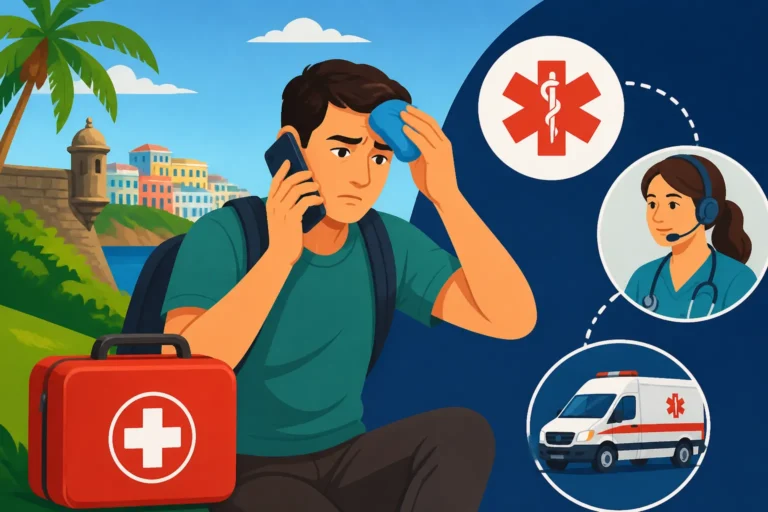
In a crisis situation, knowing where to go is paramount. If you or someone you know is experiencing a severe mental health emergency, such as suicidal ideation, psychosis, or an acute panic attack, the emergency room of any hospital in Puerto Rico is equipped to stabilize the situation. Major hospitals like Auxilio Mutuo, Ashford Presbyterian, and Hospital Pavia in San Juan, for instance, have emergency departments that can assess and provide immediate psychiatric care. The universal emergency number for Puerto Rico is 911, just like on the mainland. Don’t hesitate to use it if it's a life-threatening emergency.
Additionally, there are local crisis hotlines available. The National Suicide Prevention Lifeline (988) is also available across all U.S. territories, including Puerto Rico, offering confidential support 24/7. These services are staffed by trained counselors who can provide immediate support and help you navigate the next steps, whether that’s going to an emergency room or connecting with local resources. Don't feel like you need to suffer in silence, especially during a crisis.
Maintaining Confidentiality and Privacy
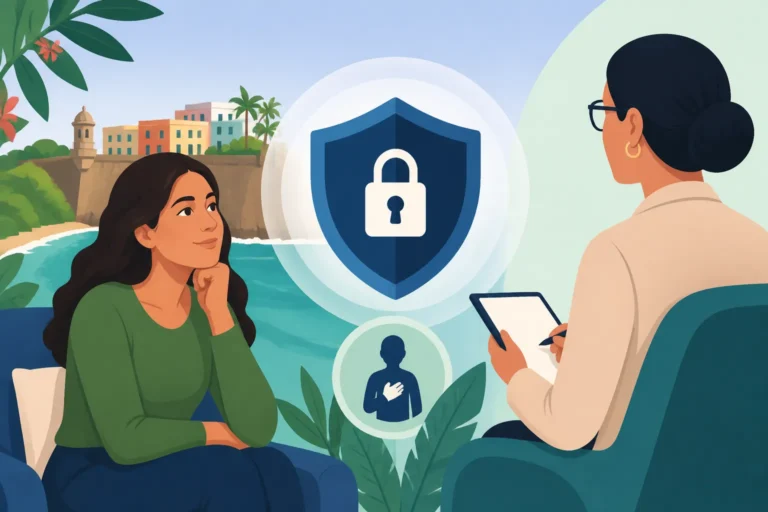
Patient confidentiality is a cornerstone of medical ethics and is protected by law in Puerto Rico, similar to HIPAA standards in the mainland US. This means that your mental health records and discussions with your therapist or doctor are private and cannot be shared without your explicit consent, except in specific situations like imminent danger to yourself or others, or certain legal mandates. When starting with a new professional, they will typically review their confidentiality policies with you as part of the informed consent process. Feel free to ask any questions you have about how your information will be handled. The trust between you and your therapist is incredibly important, and knowing your privacy is protected helps build that foundation.
Disclaimer
The information provided in this guide is intended for general informational purposes only and does not constitute professional medical, legal, or financial advice. While we strive to provide accurate and up-to-date information, circumstances in Puerto Rico can change rapidly. Always consult with a qualified professional for advice tailored to your specific situation.