How Do I Add a Dependent to My Health Plan in Puerto Rico?
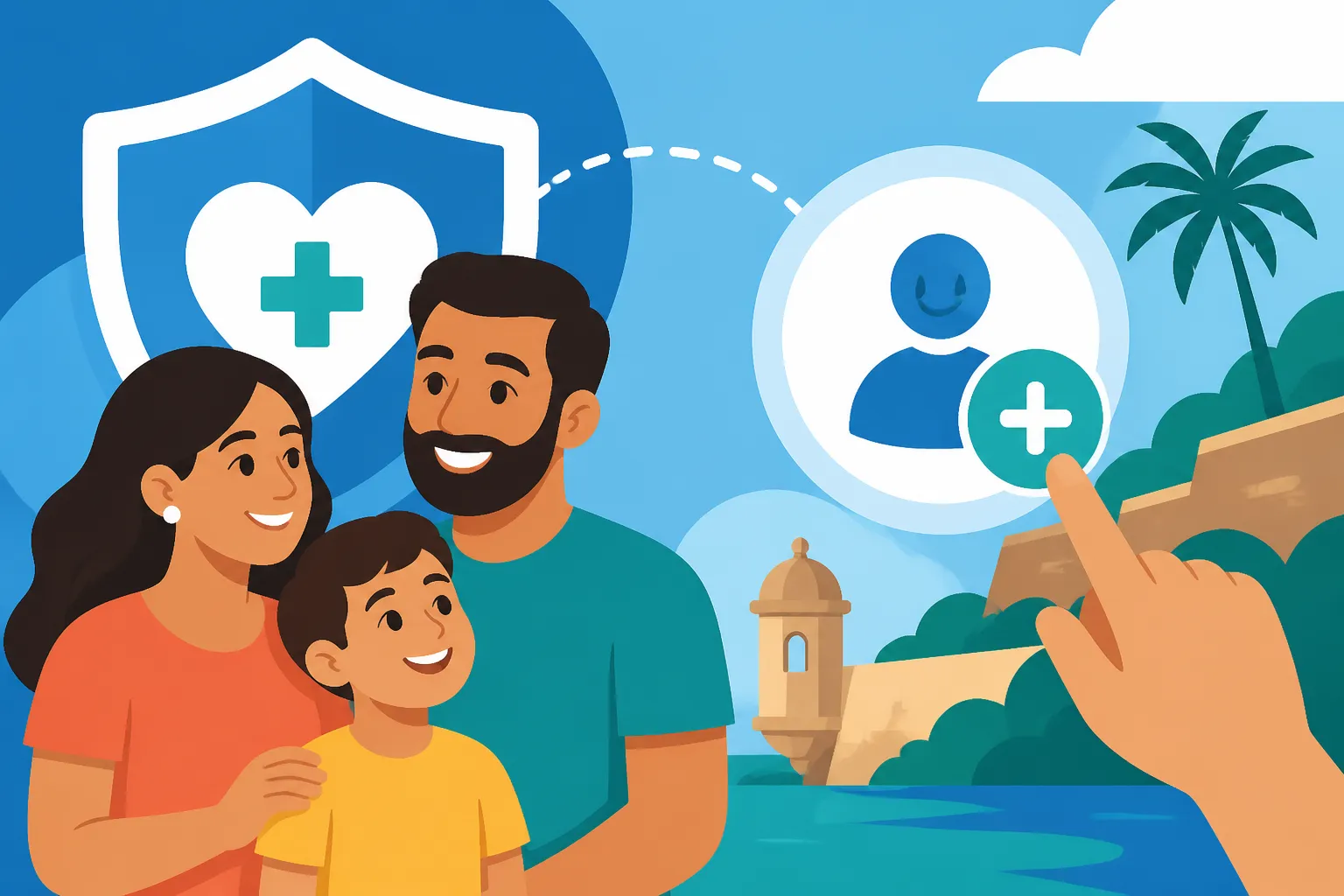
Moving to Puerto Rico and trying to get your family squared away with healthcare can feel like a labyrinth, especially when you're trying to figure out how to add your loved ones to a health plan. It’s not always as straightforward as it is on the mainland, with different terminology and processes that can make your head spin. This guide is here to walk you through the entire process of adding a dependent to your health plan in Puerto Rico, ensuring your family gets the coverage they need without unnecessary stress.
Understanding Dependent Status and Health Plans in Puerto Rico
When you're settling into life in Puerto Rico, one of the biggest initial hurdles is navigating the local healthcare system. It's complex, and adding dependents to your health plan introduces another layer of administrative detail. The term "dependent" generally refers to your spouse and children, but the specifics can vary slightly depending on the type of health plan you have – whether it’s a private insurance plan or the government-sponsored Vital Plan. Each has its own set of rules, eligibility criteria, and required documentation.
Who Qualifies as a Dependent?
In most cases, a dependent on a Puerto Rico health plan includes your legal spouse and your biological or legally adopted children. For children, there’s typically an age limit, often up to 26 years old, especially if they are full-time students. It's crucial to understand these definitions right from the start, as missteps here can lead to delays or denials of coverage. For instance, if you have a stepchild, you'll need to confirm whether your specific plan recognizes them as a dependent without formal adoption, which can sometimes be a sticky point.
It's not just about marital status or biological ties; it often comes down to financial dependency or residential status, especially for older children. For example, if your 24-year-old is away at college on the mainland, they might still qualify, but your insurance provider will want proof of enrollment and potentially proof of their primary residence still being with you in Puerto Rico. Don't assume anything; always double-check with your specific insurer's policy documentation.
Types of Health Plans and Their Dependent Rules
Puerto Rico offers a mix of healthcare options. You have your private health insurance providers, much like on the mainland, and then there's the Vital Plan, which is the government's health insurance program for low-income residents, similar to Medicaid. The rules for adding dependents will differ significantly between these two.
Private plans, offered by companies like Triple-S, MCS, or Humana, usually have more standardized processes, though even then, each plan can have unique quirks. For these plans, you'll typically be able to add a spouse or children during open enrollment periods or special enrollment events, such as marriage, birth, or adoption. The enrollment window for these life events is usually quite narrow, so you have to act fast.
The Vital Plan, on the other hand, is needs-based. Eligibility for dependents is tied directly to the household income and other specific criteria. If you qualify for the Vital Plan, your dependents will also need to meet these strict income and residency requirements. The process for applying to the Vital Plan is rigorous and involves proving your financial situation, which can be a bureaucratic headache, to say the least. Understanding the Vital Plan (Government Health Plan) in Puerto Rico (2026) is a deep dive in itself, but it’s essential to know if this is the route you’re considering for your family.
Step-by-Step Guide to Adding a Dependent to Your Private Health Plan
Alright, let’s get down to the nitty-gritty. Adding a dependent to your private health plan in Puerto Rico generally follows a structured path, but believe me, there can be detours if you’re not prepared. It's a journey that requires patience and meticulous attention to detail.
Gathering Essential Documentation
This is often where the real fun begins (and by fun, I mean exasperation). The local bureaucracy loves its paper, and you’ll need to provide a host of documents to prove your dependents’ eligibility. Missing even one item can send you back to square one, prolonging the waiting period for coverage.
Here's a list of commonly requested documents:
- For a Spouse:
- Marriage Certificate (original or certified copy)
- Your spouse's birth certificate
- Your spouse's Social Security card
- Your spouse's valid photo ID (e.g., Puerto Rico driver's license or state ID)
- Proof of shared residency (e.g., utility bills in both names, shared lease agreement)
- For Children:
- Child's Birth Certificate (original or certified copy, showing parental relationship)
- Child's Social Security card (if applicable)
- Guardianship or adoption papers (if applicable)
- Proof of student status for older children (e.g., enrollment verification from a university)
- For newborns, a "Certificado de Nacimiento" (birth certificate) is paramount. Remember, the process to get that official birth certificate can take a few weeks after the birth itself, so plan accordingly. Getting ahead on how to add your newborn to your health plan in Puerto Rico can save you future headaches.
- For all dependents:
- Your own current health insurance policy details
- Proof of your bona fide residency in Puerto Rico.
Important Tip: Always bring original documents, even if they only ask for copies. Often, they want to see the original to verify the copy. Also, consider having key documents translated into Spanish by a certified translator if they are not already in Spanish or English, although most health insurers here are accustomed to English documents.
Navigating the Application Process
Once you’ve got your mountain of paperwork, it’s time to apply.
- Contact Your Provider: Your first step should always be to directly contact your health insurance provider. This could be Triple-S, MCS, Humana, or whoever you’re with. Ask them for the exact forms needed for dependent enrollment and confirm the specific documents they require based on your situation. Their websites often have a list, but a call can clarify any unique circumstances.
- Complete the Forms: Fill out all application forms meticulously. Double-check every field. Any error, no matter how small, can cause a rejection. This is particularly true for Social Security numbers and dates of birth.
- Submit Your Application: You’ll likely need to submit your application and documents in person at a regional office, especially for initial enrollment. Some providers might allow online submission or mailing, but for something as critical as adding a dependent, an in-person visit often ensures everything is received and processed correctly the first time. Keep copies of everything you submit, along with a dated receipt or acknowledgment from the insurer.
- Follow Up: The waiting game begins. Don't be afraid to follow up regularly – weekly, even – to check on the status of your application. Bureaucracy moves at its own pace here, and a friendly, persistent follow-up can sometimes nudge things along. Ask for a specific contact person if possible.
| Dependent Type | Key Documents Required (Common) | Special Considerations |
|---|---|---|
| Spouse | Marriage Certificate, Birth Certificate, SS Card, Photo ID, Proof of Shared Residency | May need proof of continuous residency in PR. |
| Minor Child | Birth Certificate, SS Card (if available) | Parental relationship must be clearly established. |
| Adult Child (under 26) | Birth Certificate, SS Card, Proof of Student Status, Proof of Residency | Usually requires full-time student status or dependency proof. |
| Newborn | Certificado de Nacimiento (Birth Certificate) | Must be added within a specific window (e.g., 30 days) of birth. |
| Adopted Child | Adoption Decree, Birth Certificate, SS Card | Legal adoption papers are critical. |
Enrollment Timelines and Waiting Periods
Even after you submit everything, it’s not always immediate coverage. There can be enrollment timelines and sometimes, waiting periods.
- Open Enrollment vs. Special Enrollment: If you're adding a dependent during your plan's annual open enrollment period, the coverage usually kicks in at the start of the next policy year. However, if you're experiencing a "qualifying life event" like marriage, birth, adoption, or losing other coverage, you typically have a special enrollment period (often 30 to 60 days from the event) to add your dependent. Act within this window!
- Waiting Periods: While most plans cover newborns from birth if added within the special enrollment period, some plans might have a waiting period for new spouses or adopted children, particularly for pre-existing conditions. Always clarify this with your provider. Don't assume. This is especially vital when considering how to get health insurance when you move to Puerto Rico for the first time.
Costs and Financial Implications
Adding dependents to your plan will inevitably impact your premiums, co-pays, and deductibles. It's not just about the monthly bill; it's about the overall financial picture of your family's healthcare.
- Premiums: Expect your monthly premiums to increase. The cost will depend on the number of dependents, their ages, and the specific plan you've chosen. To get a realistic picture, you can research how much does health insurance cost for a family in Puerto Rico?
- Deductibles and Co-pays: Family plans often have a family deductible or out-of-pocket maximum, which is generally higher than individual limits but often capped to prevent excessive costs for multiple family members. Understand your plan's specifics for co-pays per visit, which might also apply per family member.
- Out-of-Pocket Maximums: Familiarize yourself with the family out-of-pocket maximum. This is the most you'll have to pay for covered services in a plan year before your health insurance company starts paying 100% for in-network care. It’s a crucial figure for budgeting your healthcare expenses. Understanding co-pays, deductibles and premiums in Puerto Rico is a separate beast entirely, but it ties directly into your budget when adding family members.
Navigating Special Circumstances and Government Plans
Life doesn’t always fit neatly into boxes, and neither do dependent enrollment scenarios. There are a few special situations that might arise, and then there’s the whole different ball game of the government-subsidized Vital Plan.
Adding a Newborn
This is one of the most common special circumstances, and thankfully, it's usually quite streamlined, provided you act quickly. Once your baby is born in a Puerto Rico hospital, the hospital itself often helps with the initial birth registration. You'll then get a temporary birth record, followed by the official "Certificado de Nacimiento."
Most private health plans allow you a specific window—often 30 days from the date of birth—to add your newborn to your policy. The coverage is typically retroactive to the date of birth, meaning if you add them within that window, their initial medical care from day one should be covered. However, you MUST notify your insurer within that timeframe and complete the necessary paperwork. Don't procrastinate, or you might find yourself on the hook for those early medical bills. You’ll also need their Social Security number once that comes through, which can take a few more weeks.
Marriage and Divorce Situations
When you get married, your new spouse qualifies for a special enrollment period. Again, this is usually a 30-day window from the date of marriage to add them to your plan. You’ll need your marriage certificate and their personal identification documents.
Conversely, divorce is also a qualifying life event. If you are divorcing, your ex-spouse will typically lose eligibility as a dependent on your plan, though dependent children can remain covered. This triggers another special enrollment period for your ex-spouse to secure their own coverage. It's a tough situation, but understanding how to update your plan promptly is crucial for everyone involved.
The Vital Plan (Plan de Salud del Gobierno) for Dependents
For families with lower incomes, the government-sponsored Vital Plan can be a lifeline. However, the process for adding dependents is strictly tied to meeting the overall household eligibility criteria.
- Eligibility is Key: The entire household must meet the income and asset requirements. When you apply for the Vital Plan, you’re not just applying for yourself; you’re applying for your entire eligible family unit. This means detailed financial disclosures and proof of income for everyone in the household.
- Application Process: You’ll need to apply through the local Department of Health or the assigned managed care organizations that administer the Vital Plan. This involves interviews, documentation verification, and sometimes home visits. The paperwork can be extensive, and the process can be slow. Patience is definitely a virtue here.
- Re-evaluations: Eligibility for the Vital Plan isn’t necessarily permanent. Your family’s status will be re-evaluated periodically, so if your income or family structure changes, you need to report it, and your dependents' eligibility might be affected. Understanding the Vital (Plan de Salud del Gobierno) eligibility in Puerto Rico is a complex subject, but vital for those considering this path.
For situations like temporary coverage or travel outside your plan's network, especially if you have family visiting who aren't on your local plan, options like SafetyWing can be incredibly useful. While not a substitute for a full local health plan for residents, it provides good peace of mind for travel emergencies or short-term stays, ensuring your loved ones have some level of protection when they're not fully integrated into the local system.
Common Pitfalls and Pro Tips for Expats
As an expat, you're already dealing with a new language, new cultural norms, and a different administrative rhythm. Adding dependents to your health plan can feel like an unnecessary additional stressor. But trust me, with a few insights and proactive steps, you can avoid many common headaches.
Language Barriers and Communication Issues
Even if you're proficient in Spanish, the technical jargon of insurance can be challenging. Many health insurance representatives in Puerto Rico, especially in urban centers like San Juan, speak English, but it's not a guarantee, particularly at local offices in more rural areas.
- Pro Tip: If you're struggling, bring a local friend or a professional translator with you. Don't guess or assume. Misunderstandings can lead to delays or incorrect coverage. When calling, politely ask if they have an English-speaking representative. Be patient; sometimes it takes a few transfers.
- Read Everything (Even if Translated): Even with a translator, make sure you understand every document you sign. Insurance policies are legally binding contracts, and what might seem like a minor detail could have significant implications down the line.
Maintaining Proof of Residency
Establishing and maintaining your bona fide residency in Puerto Rico is crucial, not just for tax purposes but for healthcare. Insurance providers want to ensure that you and your dependents genuinely reside on the island.
- Pro Tip: Keep meticulous records of your physical presence in Puerto Rico. This includes utility bills, lease agreements or property deeds, bank statements with your Puerto Rico address, and even travel records. These can all serve as proof of your closer connection to the island, a key aspect of bona fide residency. This becomes especially important if you or your dependents spend significant time off-island. How to establish bona fide residency in Puerto Rico is a comprehensive guide worth reviewing.
Don’t Rely on Mainland Assumptions
This is probably the biggest piece of advice I can give you. What worked for you in Florida, California, or New York will likely not work exactly the same way here. The systems are similar in some overarching ways, but the local implementation, forms, and even the "spirit" of the bureaucracy can be quite different.
- Pro Tip: Always ask directly about the specific processes and requirements for Puerto Rico. Don't assume your mainland plan will transfer seamlessly or that the same rules apply. For example, some mainland health insurance plans might offer limited emergency coverage in Puerto Rico, but this is rarely sufficient for comprehensive dependent care. It's a common misconception that your mainland insurance works perfectly here. Understanding the difference between mainland and Puerto Rico health plans is a critical read.
- Leverage Local Expertise: Engage with local brokers or consultants who specialize in Puerto Rico health insurance. They understand the nuances of the market and can often anticipate issues before they arise.
Dealing with Delays and Frustration
It's inevitable. There will be delays, you’ll likely need to resubmit something, or you’ll get conflicting information. It’s part of the expat experience here, sadly.
- Pro Tip: Keep a log of every interaction: who you spoke to, when, what was discussed, and any reference numbers. This detailed record can be invaluable if you need to escalate an issue. Be polite but firm and persistent. The goal is to get your family covered, and sometimes it feels like you're fighting for every inch. When you’re caught in a loop, knowing how to switch or upgrade your health plan in Puerto Rico might even become an option if your current provider is too difficult.
Adding a dependent to your health plan in Puerto Rico requires a bit of homework, a lot of patience, and a willingness to navigate a system that often feels designed to test your resolve. But with careful preparation and persistent follow-up, you can ensure your entire family has the health coverage they need to thrive on this beautiful island.
Disclaimer
The information provided in this article is for general informational purposes only and does not constitute legal, financial, or medical advice. Healthcare regulations and insurance policies in Puerto Rico can change frequently. It is essential to consult with a qualified local insurance agent, healthcare provider, or legal professional for advice tailored to your specific situation before making any decisions related to your health plan or dependent coverage.