Can Tourists Access Emergency Care in Puerto Rico?
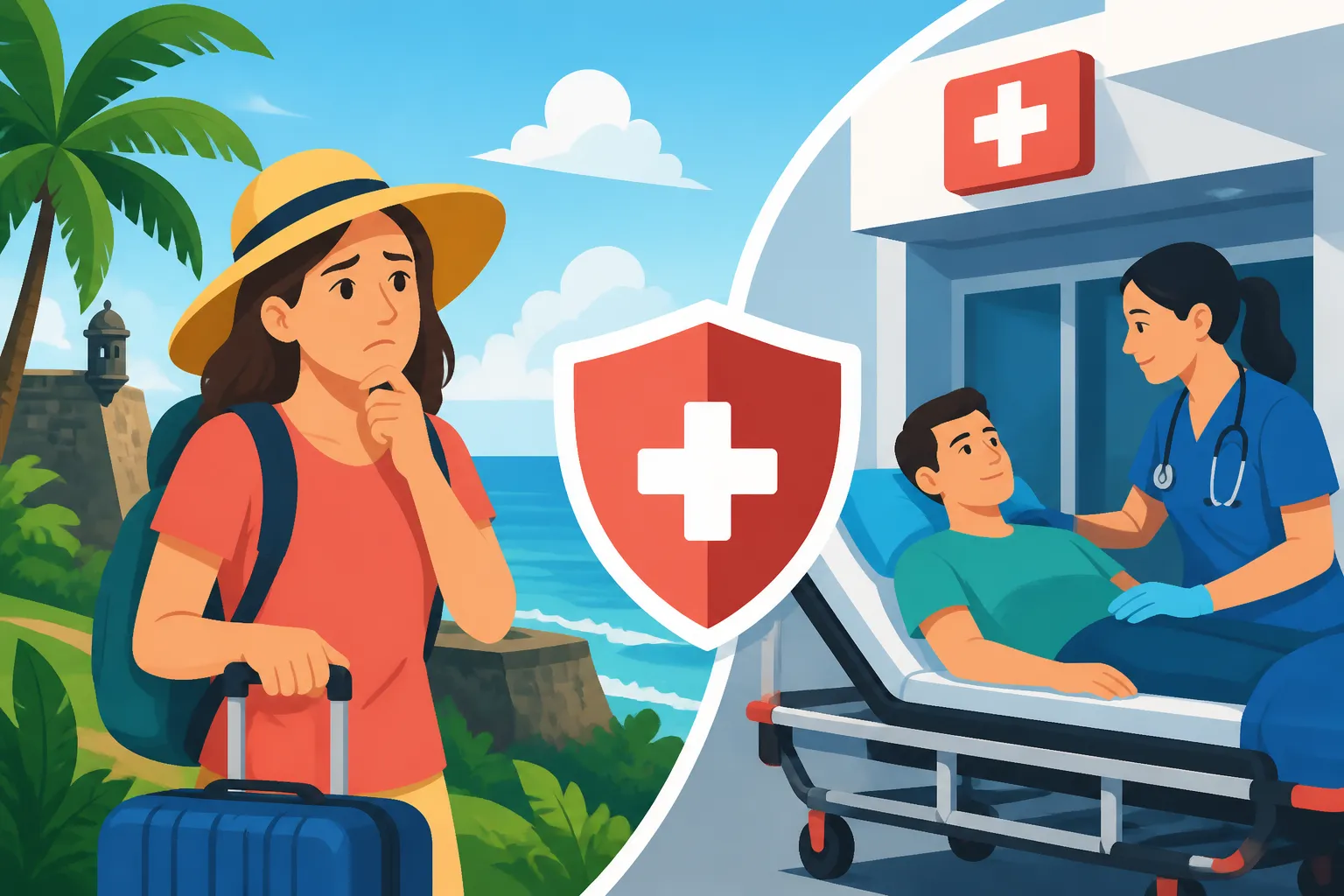
Imagine you are hiking the lush trails of El Yunque or surfing the breaks in Rincón when a sudden accident occurs, leaving you in urgent need of medical attention. Many travelers panic, wondering if they can even walk into a local hospital without a Puerto Rican ID or if they will be turned away at the door. This guide clarifies exactly how tourists can access emergency care, what to expect in terms of wait times and costs, and how to navigate the island's unique medical landscape.
The Legal Reality of Emergency Care Access
One of the most common fears for travelers visiting a new destination is being denied life-saving treatment due to their citizenship or insurance status. In Puerto Rico, you can breathe a sigh of relief on this front. Because Puerto Rico is a U.S. territory, it is bound by the Emergency Medical Treatment and Labor Act (EMTALA). This federal law requires any hospital that accepts Medicare—which is almost every hospital on the island—to provide a medical screening exam and stabilizing treatment to anyone who comes to the emergency department, regardless of their ability to pay or their insurance coverage.
This means if you have a true emergency, such as a broken bone, severe allergic reaction, or a deep laceration from a coral reef, a hospital cannot legally turn you away until you are stabilized. However, "stabilized" is a specific legal term. It means they will ensure you aren't in immediate danger of losing life or limb. Once you are stable, the hospital is well within its rights to ask for payment or insurance information before proceeding with elective or follow-up care.
For many tourists, especially those coming from Europe or Asia, the healthcare system here feels like a hybrid of U.S. efficiency and Caribbean pacing. While the legal right to care exists, the logistical hurdle is often where the frustration begins. You won't be left on the sidewalk, but you might find yourself in a waiting room for several hours if your condition isn't deemed life-threatening. Understanding Emergency Medical Care in Puerto Rico: What Every Resident Needs to Know can give you a better perspective on how the system prioritizes patients.
Navigating Different Types of Emergency Facilities
Not all medical centers in Puerto Rico are created equal. Depending on where you are on the island, your "emergency" might be handled by a massive trauma center or a small municipal clinic. Knowing the difference can save you hours of waiting and hundreds of dollars in unnecessary fees.
Private Hospitals and ERs
In metropolitan areas like San Juan, Guaynabo, and Bayamón, you will find high-end private hospitals. Names like Ashford Presbyterian Community Hospital in Condado or Auxilio Mutuo in Hato Rey are staples for the expat and tourist community. These facilities generally offer a higher standard of comfort and are more likely to have staff who speak fluent English. If you are staying in a tourist hub, The Guide to Choosing a Private Hospital in Puerto Rico is essential reading to identify which facility aligns with your specific needs.
CDTs: The Local Alternative
Outside of the major cities, you will frequently see signs for a "CDT," which stands for Centro de Diagnóstico y Tratamiento. These are community-based clinics that offer urgent care services and basic emergency stabilization. For a tourist with a high fever, a bad case of food poisoning, or a minor sprain, a CDT is often much faster and cheaper than a full-scale hospital ER. However, if your condition is severe, the CDT will likely stabilize you and then coordinate an ambulance transfer to a larger hospital, which can add complexity to your billing.
Urgent Care Centers
In recent years, private urgent care centers have popped up in areas like Isla Verde and Dorado. These are most similar to the "walk-in" clinics you might find on the U.S. mainland. They are excellent for non-life-threatening issues, and many tourists find them more approachable than the chaotic environment of a public hospital ER.
| Facility Type | Best For | Typical Wait Time | Cost Level |
|---|---|---|---|
| Private ER | Serious trauma, chest pain, major surgery | 2 – 6 Hours | High |
| CDT (Clinic) | Fever, minor cuts, infections | 1 – 4 Hours | Moderate |
| Urgent Care | Stitches, flu, basic diagnostics | 30 Mins – 2 Hours | Moderate |
| Centro Médico | Extreme trauma (The island's main trauma center) | Variable (Priority-based) | High |
The Cost of Emergency Care for Non-Residents
The question of "how much" is often more stressful than the medical issue itself. For U.S. citizens visiting from the mainland, your health insurance usually works here, but it is often treated as "out-of-network." You should always check before your trip, as many people ask, Does My Mainland Health Insurance Work in Puerto Rico? to avoid a massive bill later.
For international tourists, the situation is different. If you do not have a U.S.-based insurance plan, you will likely be asked to pay upfront or provide a credit card for a substantial deposit. A simple ER visit for a tourist can easily cost between $500 and $1,500 just for the consultation and basic tests. If imaging like a CT scan or MRI is required, those costs can skyrocket.
This is where having dedicated travel insurance becomes a lifesaver. For example, SafetyWing provides a safety net for international travelers who aren't covered by the U.S. domestic system. If you end up in a private hospital in San Juan, having a policy through SafetyWing can mean the difference between a minor deductible and a multi-thousand-dollar debt. Many hospitals will require you to pay out of pocket first and then seek reimbursement from your provider, so keeping meticulous records is vital. Advisers often tell visitors that The Cost of Healthcare in Puerto Rico: A Complete Breakdown for Newcomers (2026) is the best way to visualize these potential expenses.
Ambulances and the 911 System
In an emergency, your first instinct is to dial 911. In Puerto Rico, 911 is the standard emergency number, but the experience can be different than what you might expect in a major mainland city. There are two main types of ambulances: municipal (government-run) and private.
Municipal ambulances are often stretched thin. In rural areas or during peak festival seasons, response times can be significantly delayed. If you are in a hotel, the concierge will often call a private ambulance service instead, as they tend to be faster. However, private ambulances are rarely covered by standard insurance and can cost $300 to $800 for a single trip, even for a short distance.
If you find yourself in a situation where you need an ambulance, be prepared to give very specific landmarks. Street signs in Puerto Rico can be notoriously missing or confusing. Telling the operator "I am near the Walgreens in Condado" is often more effective than giving a specific street number. If you are curious about the logistics, you can look into How Much Does an Ambulance Cost in Puerto Rico? to prepare for the potential financial impact. Also, knowing What Is the Emergency Phone Number in Puerto Rico? is a basic but critical step for any traveler.
Language Barriers and Communication in the ER
While Puerto Rico is a bilingual territory, the reality in a high-stress emergency room can be different. In the major private hospitals in San Juan, you will almost certainly find doctors and nurses who speak excellent English. However, in smaller CDTs in the mountains or on the west coast, the staff may primarily speak Spanish.
If you don't speak Spanish, don't panic. Medical terminology often has Latin roots that are similar in both languages. However, it is a good idea to have a translation app downloaded for offline use. Better yet, if you are staying in a specific area for a while, it helps to know Where Can I Find an English-Speaking Doctor in San Juan? just in case you need a follow-up that isn't a full-blown emergency.
When you arrive at the ER, you will be met by a triage nurse. Be very clear about your symptoms. If you have a specific insurance provider like SafetyWing, show them your digital ID card immediately. Even if they don't accept direct billing, it signals that you have the means to pay and are a documented traveler. This can sometimes help smooth over administrative hurdles during the intake process.
What Documents Should a Tourist Carry?
When you head to the emergency room, the administrative staff will need specific documentation to process your file. Forgetting these can lead to long delays in being seen for non-critical issues. As a veteran expat, I've seen tourists struggle because they left their identification back in the hotel safe.
You should always have:
- A Valid Photo ID: For U.S. citizens, a driver's license is fine. For international tourists, your passport is required.
- Insurance Information: Both your primary insurance card and any travel insurance documents (like your SafetyWing policy).
- List of Medications: If you are taking any prescription drugs, have a list or photos of the bottles on your phone.
- Payment Method: A credit card with a high limit. Even with insurance, you may be asked for a deposit ranging from $200 to $500 upon entry.
If you are worried about the specific costs of the facility itself, reviewing How Much Does an Emergency Room Visit Cost in Puerto Rico? can help you set realistic expectations for that initial deposit. The more prepared you are with your paperwork, the less time you'll spend arguing with the "front desk" and the more time you'll spend getting treated.
Handling Follow-Up Care and Prescriptions
If the ER treats you and releases you, they will likely give you a prescription for medication. Puerto Rico has an abundance of pharmacies, including major U.S. chains like Walgreens and CVS, which are often open 24/7 in urban areas. These pharmacies are very familiar with U.S. prescriptions.
However, if you are an international tourist, your prescription from home might not be easily refillable here. You will need the local ER doctor to write a prescription that is valid in the U.S. territory. If you need a follow-up visit with a specialist after your ER trip, you might find that wait times for appointments are quite long. In these cases, it’s often better to seek out a private clinic that caters to tourists and expats. SafetyWing can often help coordinate or recommend providers if you are using their services, which takes a lot of the guesswork out of finding a reputable doctor on short notice.
Summary Checklist for Tourists in Need of Care
Navigating a medical crisis in a beautiful place like Puerto Rico is never fun, but it is manageable if you keep a cool head. The island has some of the best medical professionals in the Caribbean, many of whom trained at top-tier U.S. universities. The "system" is what usually trips people up, not the quality of the doctors.
Remember to:
- Assess if you need a full ER or just a CDT/Urgent Care.
- Bring your passport and insurance details.
- Expect a wait if your condition isn't life-threatening.
- Be ready to pay a deposit if you are an international traveler.
- Keep all receipts for your insurance claim later.
By understanding the landscape before you need it, you can turn a potential nightmare into a minor speed bump in your vacation. Whether you are wondering Can I Use Mainland Insurance at Hospitals in Puerto Rico? or just looking for the nearest clinic, a little bit of local knowledge goes a long way.
Disclaimer
This guide is provided for informational purposes only and does not constitute professional medical or legal advice. Healthcare regulations and costs in Puerto Rico can change frequently. Always consult with a qualified medical professional in an emergency and verify your insurance coverage with your provider before traveling. If you are experiencing a life-threatening emergency, dial 911 immediately.