Can I Refill a Prescription at Any Pharmacy in Puerto Rico?
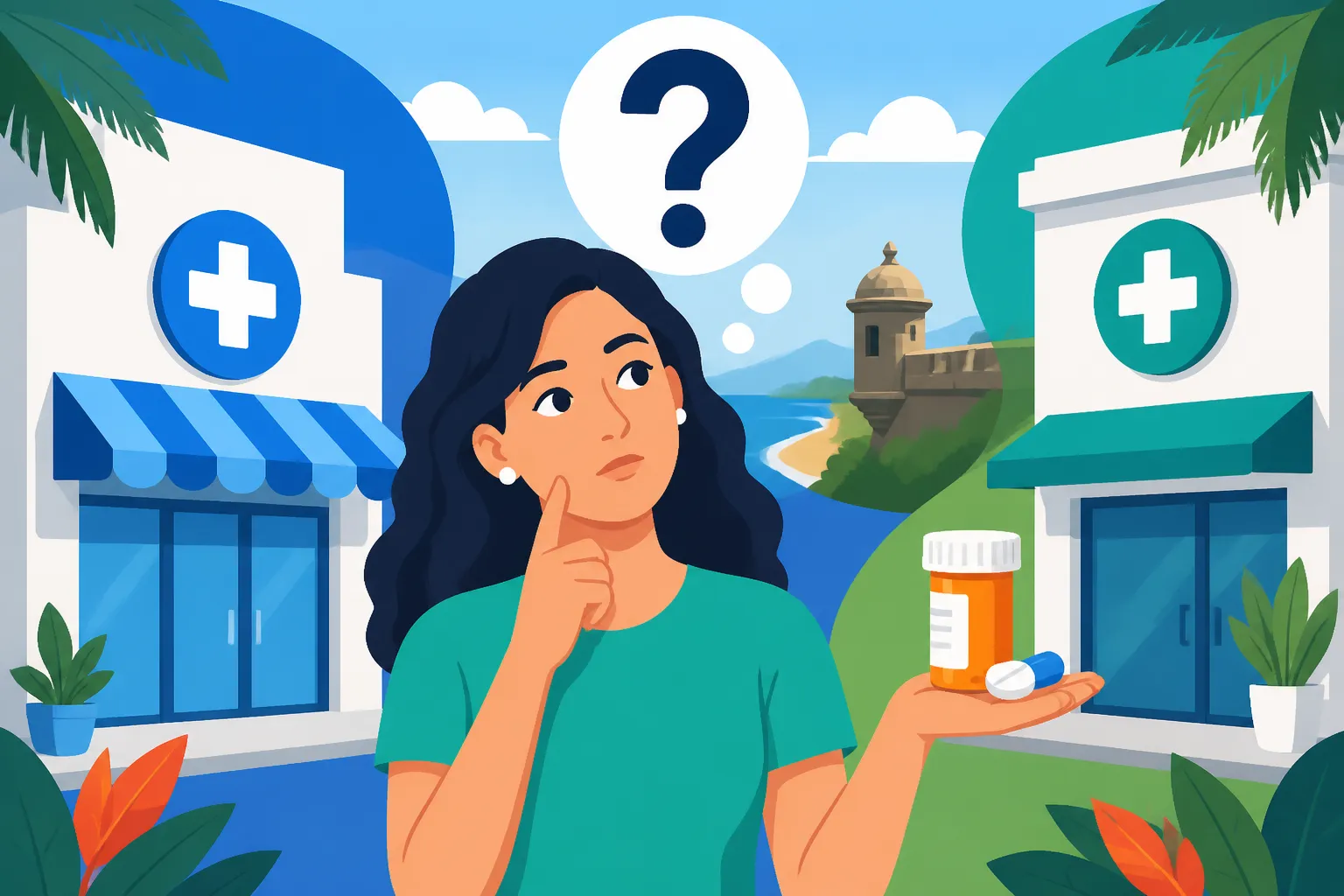
One of the most immediate anxieties many newcomers face when they land on our beautiful island is the question of ongoing medical needs, especially when it comes to prescriptions. You’ve just gone through the Herculean task of moving, setting up utilities, finding a place to live, and now you’re staring at an empty pill bottle, wondering if your pharmacy down the street can simply fill your mainland doctor’s script. It’s a common, valid concern, and the short answer to "Can I refill a prescription at any pharmacy in Puerto Rico?" is, unfortunately, often "no," or at least, "not without a few hoops." This guide will walk you through the realities, the workarounds, and the ultimate path to ensuring you maintain access to your vital medications here on the island.
The Basics of Prescription Refills in Puerto Rico
Moving to a new place always comes with a unique set of challenges, and navigating the healthcare system, particularly prescription refills, is often surprisingly high on that list. It's not as simple as showing your old prescription to a new pharmacist, and understanding why is the first step to a smooth transition.
The "Any Pharmacy" Question: What You Need to Know
You might be used to a seamless system on the mainland where pharmacies can often transfer prescriptions with a quick phone call. Here in Puerto Rico, while we are a U.S. territory, our healthcare infrastructure and regulatory nuances mean things work a little differently.
First off, if you’re coming from the mainland U.S. with a prescription written by a doctor who isn’t licensed in Puerto Rico, a local pharmacy generally cannot fill or refill that prescription. It’s a legal and licensing issue. Puerto Rico has its own licensing board for medical professionals, and a prescription needs to originate from a doctor authorized to practice here. This can feel like a huge barrier, especially if you rely on daily medication. I remember when my friend, bless her heart, ran out of her blood pressure medication weeks after moving here, thinking she could just pop into any Walgreens. She was in for a rude awakening when the pharmacist politely but firmly explained they couldn't honor a mainland script. It’s a common scenario that catches many expats off guard, adding unnecessary stress to an already overwhelming transition.
Secondly, even if you have a prescription from a local doctor, your ability to get it filled at "any" pharmacy will often depend on your insurance network. Just like on the mainland, health insurance plans in Puerto Rico have preferred pharmacies or networks. While major chains like CVS and Walgreens are pretty widespread and often in-network for many plans, smaller, independent pharmacies might not be. Always check with your insurance provider or the pharmacy itself beforehand.
Understanding the Local Pharmacy Landscape
Puerto Rico boasts a robust pharmacy network, ranging from large national chains to cherished local establishments. Getting acquainted with them is crucial for your long-term health management.
You'll find familiar names here that might make you feel a bit more at home, like CVS Pharmacy and Walgreens. These stores are staples across the island, particularly in metropolitan areas like San Juan, Caguas, and Ponce. They often have longer hours, and many even have drive-thru services, which can be a lifesaver on a busy day or when you're not feeling well. These larger chains usually have more extensive stock of common medications and are often integrated into various insurance networks, making them a relatively safe bet once you have a local prescription.
Beyond the big names, you'll also discover local chains and independent pharmacies. Farmacias Plaza is a prominent local chain you'll see in many towns, often offering a more personalized touch. Many smaller towns and rural areas might rely on these independent pharmacies, which can be fantastic once you build a relationship with them. They might be able to special order certain medications, and the pharmacists often know their clientele by name. For a deeper dive into how prescriptions work on the island, you might find our guide, "Prescription Medications and Pharmacies in Puerto Rico: The Complete Guide", particularly helpful.
The key takeaway here is that while the physical pharmacies might look familiar, the underlying rules for getting your medication are distinct. You can’t just assume your old prescription will work, and you need to prepare for that.
Navigating Insurance and Mainland vs. Local Prescriptions
The journey from a mainland prescription to a locally refillable one can feel like a bureaucratic labyrinth. Understanding the differences and aligning your insurance is paramount.
The Mainland Prescription Conundrum
This is probably the biggest headache for new arrivals. That perfectly valid prescription from your trusted doctor back in Florida or New York? It’s likely just a piece of paper here. As mentioned, Puerto Rico's pharmacists cannot legally fill a prescription from a doctor not licensed in the territory. This isn't out of malice, but rather adherence to local regulations and patient safety protocols.
What does this mean for you? It means you absolutely need to see a local doctor to get new prescriptions written for your ongoing medications. This often requires a bit of foresight. Before you make your big move, try to get a longer supply of your essential medications—think 90 days, if your insurance and doctor allow it. This buys you precious time to settle in, find a local primary care physician, and get established in the Puerto Rico healthcare system. If you arrive without a sufficient buffer, you might find yourself in a bind, scrambling to find a doctor while potentially running out of crucial meds.
For those unexpected medical situations or if you find yourself running low on medication before you've established local care, travel insurance can be a temporary lifeline. Some travel insurance providers, like SafetyWing, offer coverage that includes prescription refills for acute conditions or emergencies while you're transitioning. While it won't solve your long-term chronic medication needs, it can certainly bridge a gap if you fall ill or have an urgent, unexpected need for medication before your local health plan kicks in. Remember to always read the fine print on what's covered.
Insurance Networks and Prescription Coverage
Once you’ve successfully transitioned to a local prescription, your next hurdle will be ensuring your insurance covers it and at which pharmacy. This is where your Puerto Rico health insurance plan comes into play. If you haven't yet secured local health coverage, our article, "How to Get Health Insurance When You Move to Puerto Rico", is an excellent resource to get you started.
Most major health insurance plans in Puerto Rico, whether private or the government's Vital Plan, have formularies (lists of covered medications) and preferred pharmacy networks. This means not every pharmacy will offer the same pricing or even carry your specific medication if it's outside their usual stock or network agreement.
When you enroll in a local health plan, whether it's through your employer or a private insurer like Triple-S, MCS, or Humana, you’ll typically receive information about your prescription drug benefits. This usually includes a list of in-network pharmacies and a formulary. It’s always a good idea to call your insurance provider or check their online portal to understand:
- Which pharmacies are in-network for your plan? This directly impacts your co-pays and overall out-of-pocket costs.
- Is your specific medication on their formulary? If not, you might need a prior authorization from your doctor, or your doctor might need to prescribe an alternative.
- What are the co-pays for different tiers of drugs (generic, preferred brand, non-preferred brand, specialty)?
Ignoring these details can lead to surprises at the pharmacy counter. You might present your insurance card expecting a low co-pay, only to be told the medication isn't covered or that the pharmacy isn't in your network, resulting in a much higher cash price. My advice is always to make a quick phone call to your chosen pharmacy with your insurance information before heading over for a refill, especially for new or specialty medications.
Practical Steps for Refilling Prescriptions as a New Resident
So, how do you actually get those life-sustaining medications in hand? It requires a structured approach, starting with finding the right medical professional.
Establishing a Relationship with a Local Doctor
This is, without a doubt, the single most critical step in ensuring uninterrupted access to your prescriptions. You need a Puerto Rico-licensed medical professional to write your prescriptions.
- Find a Primary Care Doctor: Your first mission should be to How to Find and Register with a Primary Care Doctor in Puerto Rico. This doctor will be your gateway to the local healthcare system. Ask for recommendations from other expats, colleagues, or your insurance provider. Many insurance plans have online directories that allow you to search for doctors by specialty and location. In larger areas like San Juan, finding English-speaking doctors is relatively easy, but in more rural parts, it might require a bit more searching.
- Schedule Your First Appointment: Don't wait until you're out of medication. Schedule this appointment as soon as you have your local health insurance sorted out.
- Prepare for Your Visit:
- Bring your current mainland prescriptions: Even though they can't be filled directly, they provide vital information about your current medications, dosages, and prescribing doctors. Your new PR doctor will want to see these.
- Bring any relevant medical records: Summaries of your medical history, recent lab results, or specialist notes can be incredibly helpful. If you have electronic health records, try to get printouts or have them digitally accessible.
- Bring your insurance card and a valid ID: Essential for registration.
- Be clear about your ongoing needs: Explain all your chronic conditions and the medications you regularly take. The doctor will likely review your history, potentially order new tests, and then write new, Puerto Rico-compliant prescriptions.
- Discuss Refills: At your appointment, make sure to ask about the refill process. How many refills will the doctor authorize? What's the process for requesting additional refills when you're running low? Will they send prescriptions directly to a pharmacy, or will you pick up a paper script?
Remember, building a relationship with a local doctor takes time, but it’s an investment in your well-being. This doctor will not only manage your prescriptions but also be your point person for any other health concerns. For a broader view of the system, check out The Complete Guide to Healthcare in Puerto Rico for New Residents (2027).
Essential Tips for Pharmacy Visits
Once you have your local prescription, heading to the pharmacy should be straightforward, but a few tips can smooth out the process.
- Always have your ID and Insurance Card Ready: This is non-negotiable. Pharmacists will need both to verify your identity and process your insurance.
- Know Your Medication Details: Even if the prescription is digital, it helps to know the name and dosage of your medication. Mistakes can happen, and being an informed patient is your best defense.
- Ask About Stock: Especially for less common medications, it's a good idea to call ahead to the pharmacy to ensure they have your prescription in stock. This saves you a potentially wasted trip.
- Be Patient with Wait Times: While many pharmacies are efficient, there can be wait times, especially during peak hours. Plan accordingly.
- Generic vs. Brand Name: Ask your doctor or pharmacist about generic alternatives. Are Prescription Medications Expensive in Puerto Rico? explores how generic drugs can significantly reduce your costs, and they are widely available here, often with the same efficacy.
- Language Barrier: While many pharmacists and pharmacy technicians in tourist areas and larger cities will speak English, it's not guaranteed everywhere. Having a basic understanding of Spanish medical terms or using a translation app can be helpful, especially in smaller towns.
- Understand Your Bill: Before paying, always review the co-pay and ensure it aligns with what you expect based on your insurance. Don't be afraid to ask questions if something looks off.
Here’s a quick overview of what to expect based on where your prescription originates:
| Prescription Origin | Can It Be Refilled in PR? | Requirements |
|---|---|---|
| Mainland U.S. (no local doc) | No | Must see a PR-licensed doctor to get a new prescription. Get a 90-day supply before moving, if possible. |
| Puerto Rico (local doctor) | Yes | Valid PR prescription, active local health insurance (or cash), in-network pharmacy. |
| Foreign Country (non-U.S.) | No | Same as mainland U.S. – requires a PR-licensed doctor to issue a new prescription. |
Special Considerations and Common Pitfalls
Even with the right approach, specific medications and unexpected situations can throw a wrench in your plans. Being prepared for these scenarios can save you a lot of stress.
Controlled Substances and Special Medications
This is one area where the "you need a local doctor" rule is ironclad and often comes with additional layers of scrutiny. Controlled substances, such as certain pain medications, stimulants, or benzodiazepines, are heavily regulated globally, and Puerto Rico is no exception.
If you are on a controlled substance, you absolutely must establish care with a local, Puerto Rico-licensed physician. Your mainland prescription for these types of drugs will almost certainly not be honored. The doctor here will need to evaluate your condition, likely review your medical history extensively, and potentially conduct new assessments before prescribing a controlled substance. They may also have specific protocols for refills, such as requiring in-person visits every month or limiting the quantity dispensed. This is for your safety and to prevent misuse, but it can be a challenging process if you're not prepared.
My personal experience with friends needing ADHD medication or specific anxiety meds highlights this. It wasn’t a quick process. They had to be very proactive in finding a psychiatrist or general practitioner, provide comprehensive documentation of their diagnosis and prior treatment, and then navigate a slightly different dispensing schedule. This is not the time to run out of pills, so plan way, way ahead if you take these kinds of medications.
What If You Get Sick Before Your Insurance Starts?
This is a scenario many expats fear, and rightly so. You've just moved, your new local health insurance might take a few weeks or even a month or two to become active, and suddenly, you're sick or need an urgent refill for a non-chronic condition.
If you don't have active local health insurance, your options are primarily cash payments or relying on travel insurance for acute issues.
- Cash Payments: For urgent, non-chronic issues, a visit to a local clinic (like a CDT – Centro de Diagnóstico y Tratamiento) or even a private doctor for an initial consultation might be necessary. You’ll pay out-of-pocket for the visit, and then likely for the prescription itself. For simple antibiotics or cold medicine, the cash cost might not be prohibitive, but it can add up quickly for more serious conditions or expensive drugs. Our article, "The Cost of Healthcare in Puerto Rico: A Complete Breakdown for Newcomers (2026)", can give you a better idea of potential costs.
- Travel Insurance: This is where a safety net like SafetyWing can be incredibly useful. While primarily designed for travelers, some comprehensive travel insurance plans can cover unforeseen medical expenses, including urgent prescriptions, during your initial transition period before your permanent health insurance is active. This isn’t a substitute for long-term health insurance or for managing chronic conditions, but it can provide peace of mind for sudden illnesses or accidents. Always check the policy details to understand what's covered.
- Emergency Rooms: While you can certainly go to an emergency room for critical situations, it’s the most expensive option and should be reserved for true emergencies. ERs are not the place for routine prescription refills or minor illnesses. For insights into emergency care, read "Emergency Medical Care in Puerto Rico: What Every Resident Needs to Know".
The best defense here is a good offense: plan your move to overlap with your health insurance activation as closely as possible, and if you can, always arrive with a buffer of essential medications. Don’t underestimate the challenges of navigating a new healthcare system, even within the U.S. umbrella. Taking the time to understand "How Puerto Rico's Health System Works: Public vs Private Explained (2027)" will serve you well in the long run.
Disclaimer
The information provided in this guide is for general informational purposes only and does not constitute medical or legal advice. Healthcare regulations and insurance policies in Puerto Rico can change. Always consult with a qualified Puerto Rico-licensed medical professional and your specific health insurance provider for personalized advice regarding your medical care and prescription needs.