Can I Ship My Car to Puerto Rico?
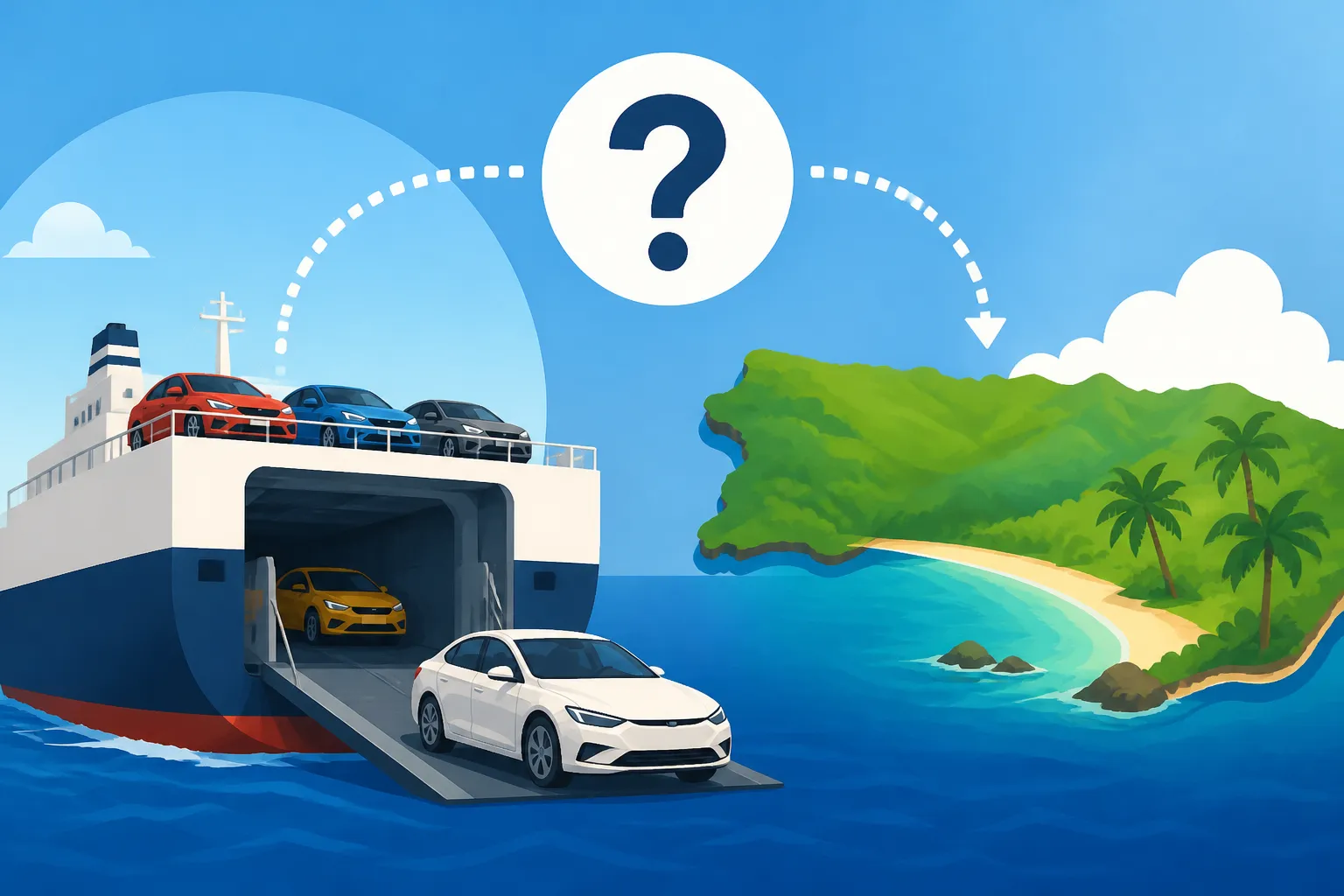
Oh, the joy of moving your life to La Isla del Encanto! You’ve probably got visions of driving your familiar car down sun-drenched coastal roads, wind in your hair, listening to some bomba or plena. But then reality hits: "Can I actually ship my car to Puerto Rico?" and more importantly, "How the heck do I do it without losing my mind (or my vehicle)?" Trust me, you're not alone in feeling overwhelmed by this particular administrative beast. This guide is here to walk you through every twist and turn, from deciding if it’s even worth it to getting your plates and hitting the road in your very own ride.
Deciding Whether to Ship Your Car to Puerto Rico: Is It Worth It?
Before you even start looking at shipping containers, you need to ask yourself if bringing your current vehicle to Puerto Rico is truly the best move. It's a decision fraught with financial implications, logistical headaches, and a hefty dose of emotional attachment. Many expats agonize over this, weighing the comfort of the familiar against the bureaucratic hurdles and costs.
The Pros: Familiarity and Convenience
There’s something incredibly comforting about having your own car when you’re navigating a whole new world. You know its quirks, its blind spots, and how it handles. In a place like Puerto Rico, where everything from the road signs to the driving culture can be a bit different, that familiarity can feel like a lifeline.
Imagine arriving after a long journey, having just unpacked boxes, and then immediately having to dive into car shopping in a new language, dealing with local dealerships, and negotiating prices. It's an exhausting thought, right? If you bring your own car, you bypass that initial stress. You land, pick up your car at the port (eventually!), deal with the registration, and then poof – you have transportation. No urgent need to learn about the local used car market or decipher sales pitches in Spanish while you're still figuring out where to buy groceries. This sense of immediate independence can be a huge boon for newcomers trying to settle into their new life.
The Cons: Cost, Time, and Logistics
Now, let's talk about the less glamorous side. Shipping your car isn't cheap, and it certainly isn't fast. The costs involved can easily run into the thousands of dollars, making you question if that old sedan is truly worth its weight in gold. Beyond the sticker shock, there's the waiting game. Your car won't magically appear the day after you do. It could take weeks, sometimes even a month or more, for it to arrive, clear customs, and be ready for pickup. During that time, you'll be relying on taxis, rideshares, or the kindness of new friends, which can be inconvenient, especially if you're in a less walkable area.
Then there's the dreaded paperwork. Puerto Rico, much like other places with complex import regulations, loves its forms and stamps. You'll need original titles, notarized letters, and more copies than you ever thought possible. And the biggest headache of all, the arbitrios, or excise tax, which can be a significant and often unexpected expense. Many people get sticker shock when they realize how much they have to pay once their vehicle arrives. Also, consider the journey itself: will your car be safe? While reputable shippers do their best, things can happen, and minor dings or even unexpected wear and tear are always a possibility.
When Buying Local Might Be Smarter
Sometimes, despite the emotional attachment, shipping just doesn't make financial or logistical sense. If your car is older, has high mileage, or isn't particularly valuable, the cost of shipping plus the arbitrios could easily outweigh its worth. You might find yourself paying $3,000-$5,000 to ship a car that's only worth $8,000-$10,000 on the mainland. It simply might not be a wise investment.
In such cases, selling your car on the mainland before you move and using those funds to purchase a vehicle once you’re settled in Puerto Rico could be a much more sensible option. This way, you avoid the shipping fees, the import taxes, and the waiting period. The local market, while sometimes pricier than the mainland, offers a wide range of new and used vehicles. You can also specifically look for cars that are already accustomed to the island's climate and road conditions, which can save you maintenance headaches down the line. To get a better sense of the local market, you might want to read our guide on How to Buy a Car as a Newcomer in Puerto Rico.
The Step-by-Step Process of Shipping Your Car
Alright, you've decided to bite the bullet and bring your trusty steed with you. Now, let’s get into the nitty-gritty of how to actually make that happen. This isn't a simple "box it up and send it" kind of deal. It requires meticulous planning, an abundance of paperwork, and a good dose of patience.
Gathering Essential Documentation
This is where the fun (and by fun, I mean frustration) begins. Puerto Rico's customs and registration processes are strict, and they demand a specific set of documents, all in perfect order. Don't even think about trying to submit copies where originals are required, or missing a signature. They will send you back.
You'll need your original vehicle title, clean and clear, showing you as the owner. If you still have a loan on the car, you'll need a notarized letter from your lienholder explicitly authorizing the shipment of the vehicle to Puerto Rico. This is crucial; without it, the car won't leave the mainland port. Your current vehicle registration, a valid photo ID (like your driver's license), and your Social Security card are also must-haves. If you're not going to be personally dropping off or picking up the car, a notarized Power of Attorney for the person handling it on your behalf will be essential. Make several copies of everything – both physical and digital. Trust me on this, paper documents have a way of disappearing when you need them most, especially amidst a big move. For a broader overview of moving documents, check out The Complete Relocation Checklist for Moving to Puerto Rico (2027).
Choosing a Reputable Shipping Company
Selecting the right shipping company is paramount. This isn't just about finding the cheapest quote; it's about entrusting your valuable asset to a company that can navigate the logistics, customs, and potential pitfalls. You'll want to get quotes from several companies. Some well-known carriers that service Puerto Rico include Crowley Logistics and TOTE Maritime. They generally operate out of major ports like Jacksonville, Florida, or Port Everglades (Fort Lauderdale), with routes directly to San Juan.
When comparing quotes, ask about:
- Door-to-port vs. Port-to-port: Do they pick up from your home or do you drop it at their terminal?
- Insurance: What coverage is included? What are the deductibles? Is it comprehensive enough for your car's value? Some basic insurance might only cover total loss, not minor damages.
- Transit time: How long do they estimate the journey will take? This can vary significantly.
- Container options: Will your car be shipped in a shared container (Roll-on/Roll-off or RoRo) or an enclosed, dedicated container? RoRo is usually cheaper, but your car is exposed. Enclosed offers more protection but costs more.
When looking for the best fit, a platform like Sirelo can be incredibly helpful. It allows you to compare multiple international moving companies, including those specializing in vehicle transport, side-by-side. This way, you can read reviews, get competitive quotes, and find a company that aligns with your budget and service expectations. Remember, clear communication with your chosen shipper is key throughout the entire process. And while you're calculating shipping costs for your car, don't forget about other belongings. You can find more information on general shipping expenses in How Much Does It Cost to Ship Belongings to Puerto Rico?.
Preparing Your Vehicle for Shipment
Once you’ve chosen your shipper and have your documents in order, it's time to get your car ready for its voyage. This step is critical, not just for the shipping company but also for Puerto Rico customs.
First and foremost, your car needs to be spotless, inside and out. Seriously. Customs officials in Puerto Rico are notoriously strict about cleanliness. Any dirt, mud, or debris, especially underneath the vehicle, can lead to delays, additional cleaning fees, or even rejection. A thorough wash and vacuum are non-negotiable. Next, fuel levels: shippers typically require your tank to be no more than a quarter full. This is a safety regulation. Any more, and they might siphon it, potentially charging you a fee.
Remove all personal belongings from the vehicle. This includes spare tires, tools, car seats, toll passes, and any valuables. Shippers are generally not responsible for items left inside the car, and customs might inspect it anyway. Consider disabling any car alarms to prevent them from draining the battery during transit. Check all fluid levels (oil, coolant, brake fluid) and ensure there are no leaks. Finally, and this is a big one, take detailed photos and videos of your car from every angle, both interior and exterior, before you hand it over. Document any existing dents, scratches, or imperfections. This visual record will be your best friend if there are any disputes about damage upon arrival.
Costs and Customs: What to Expect Financially
This is often the part that makes people pause and reconsider their decision. The financial aspect of shipping a car to Puerto Rico isn't just about the shipping fee itself. There are layers of taxes and potential charges that can add up quickly. It's essential to budget for these from the outset to avoid any nasty surprises.
Breaking Down Shipping Costs
The base shipping fee for a standard sedan from the East Coast of the U.S. to Puerto Rico can range from $1,500 to $3,000, sometimes more, depending on the carrier, vehicle size, and the method of transport (RoRo vs. enclosed container). This fee usually covers the actual ocean freight.
However, don't forget the additional charges:
- Terminal Handling Charges (THC): Fees for handling your vehicle at both the origin and destination ports. These can add a few hundred dollars.
- Fuel Surcharges: These fluctuate with gas prices, so factor in a variable cost.
- Insurance: While basic coverage might be included, you might opt for additional insurance for better protection against damage or total loss. This could be an extra 1-2% of your car’s value.
- Customs Brokerage Fees: If you hire a customs broker to help navigate the import process, this will be an additional cost, usually a few hundred dollars. While not mandatory, a broker can save you a lot of time and frustration, especially if your Spanish isn't fluent.
Here’s a simplified breakdown of potential costs:
| Item | Estimated Cost Range (USD) | Notes |
|---|---|---|
| Base Shipping (RoRo) | $1,500 – $3,000 | From East Coast US to San Juan |
| Terminal Handling Fees | $200 – $500 | At origin and destination ports |
| Fuel Surcharge | $50 – $200 | Variable, depends on current fuel prices |
| Shipping Insurance | $100 – $500 | Optional, but recommended for comprehensive coverage |
| Subtotal (Shipping) | $1,850 – $4,200 | |
| Excise Tax (Arbitrios) | Highly Variable | Can be $1,000 to $10,000+, depends on vehicle model, year, and value |
| Port/Storage Fees | $50 – $200 (if delayed) | Daily charges if not picked up promptly |
| Customs Broker (Optional) | $300 – $600 | Saves time and hassle with paperwork |
| Total Estimated Cost | $3,200 – $15,000+ | Significant variability due to excise tax |
Understanding Puerto Rico's Excise Tax (Arbitrios)
This, my friend, is the big one, the one that blindsides many unsuspecting newcomers. Puerto Rico levies a substantial excise tax, or arbitrios, on imported vehicles. This isn't just a flat fee; it's calculated based on a complex formula that takes into account your car's estimated market value, its year, make, model, weight, and even engine size. The Commonwealth of Puerto Rico's Treasury Department (Hacienda) has its own valuation tables, which might not always align with what you believe your car is worth.
For example, a newer, mid-range SUV might incur arbitrios in the range of $3,000 to $7,000, while a luxury vehicle could easily see taxes soaring past $10,000 or even higher. It's not uncommon for the arbitrios to be more expensive than the actual shipping cost! You will typically pay these arbitrios directly to Hacienda at a CESCO (the local DMV) office after your car clears customs but before you can pick it up. You need to get an official valuation from Hacienda, which involves presenting your car’s title and other import documents. This process can be slow and requires patience. To get a better grasp of the broader tax landscape, our article How Puerto Rico Taxes Work: Federal vs Local (Hacienda) Explained (2027) offers valuable insights. You'll quickly learn that Hacienda is a major player in many financial aspects of your life here. You might also want to generally understand The Complete Guide to Taxes in Puerto Rico for New Residents (2027) to prepare for other financial obligations.
Other Potential Fees Upon Arrival
Beyond the shipping and arbitrios, there are other potential fees you might encounter. If you don't pick up your vehicle from the port promptly after it clears customs, you could face daily storage fees, which can quickly add up. Port facilities aren't designed for long-term storage, and they'll charge you for it.
There might also be minor inspection fees or processing charges at the port. If you used a customs broker, their fee will be due at this stage as well. It’s always best to have a buffer in your budget for unexpected costs, because "unexpected" is often the norm when dealing with bureaucracy here.
Vehicle Registration and Getting on the Road in Puerto Rico
You've made it this far! Your car has arrived, you've battled Hacienda, and now you’re standing at the threshold of actually driving it. But there’s one more administrative gauntlet to run: getting your car officially registered and ready for the roads of Puerto Rico.
Navigating CESCO: The Local DMV
CESCO, the Department of Transportation and Public Works (DTOP) service centers, is Puerto Rico’s equivalent of the DMV, and it’s where you'll spend a significant chunk of your time getting your car registered. This is not for the faint of heart, so arrive with a deep breath and a large dose of patience. The process can be convoluted, wait times can be extensive, and forms might be exclusively in Spanish.
You'll need a stack of documents, including your customs release form, proof of arbitrios payment, your original vehicle title, your ID, and sometimes even proof of residency. They’ll issue you a new Puerto Rico title, new license plates, and a marbete (vehicle registration sticker). The marbete must be displayed on your windshield and is renewed annually after a vehicle inspection. Make sure you get all these sorted correctly, as driving without proper registration can lead to fines. If you haven't done so already, it’s a good idea to research How to Register and Title a Vehicle (DTOP/CESCO) in Puerto Rico and also How Do I Transfer My Mainland Driver's License in Puerto Rico? to ensure you have all your personal driving credentials in order as well.
Mandatory Vehicle Insurance (ACAA) and Private Options
Before you can legally drive your car off the CESCO lot, you'll need proof of insurance. In Puerto Rico, there's a mandatory auto accident compensation administration (ACAA) insurance that every registered vehicle must carry. This is a basic, no-fault policy that covers medical expenses for accident victims, regardless of who was at fault. The fee for ACAA is usually included in your annual marbete renewal.
However, ACAA coverage is minimal and does not cover damage to your vehicle or liability for property damage to other vehicles. Therefore, it is highly, highly recommended that you purchase additional private comprehensive insurance. Many major U.S. insurance companies have a presence in Puerto Rico or partner with local insurers. Shop around for quotes for collision, comprehensive, and liability coverage from companies like Universal Insurance, Triple-S, or Mapfre. This will protect your investment and give you peace of mind on the road. You can learn more about these requirements in Car Registration Costs and Insurance (ACAA) in Puerto Rico.
The First Drive and Local Road Considerations
Congratulations, your car is officially a Puerto Rico resident! Now for the actual driving part. The roads in Puerto Rico can be an adventure. You'll encounter everything from well-maintained highways (often with tolls, so consider getting an AutoExpreso transponder) to pothole-ridden rural routes. Defensive driving is a must, as local driving habits can be a bit more… assertive… than what you might be used to on the mainland. Be prepared for aggressive lane changes, drivers taking liberties with stop signs, and the occasional animal crossing the road.
Signage can also be tricky; while major routes are usually well-marked, smaller roads might lack clear indications. GPS will be your best friend. While you're juggling all these appointments, navigating new roads, and coordinating your new life, having reliable cell service is a godsend. I remember feeling so lost without good GPS during my early days, so consider picking up an eSIM from a provider like Airalo to stay connected without a hitch as you're making your initial forays. This will ensure you don't get lost on your way to CESCO, or miss an important call from the port. For more general advice on getting around, our guide The Newcomer's Guide to Getting Around Puerto Rico: Transport for Newcomers might be helpful.
It's a process, absolutely, but once you're cruising with your own car, windows down, taking in the beauty of the island, all those bureaucratic headaches might just fade into a distant memory. Enjoy the ride, mi gente!
Disclaimer
The information provided in this guide is for general informational purposes only and does not constitute legal, tax, or financial advice. While we strive to keep the information up-to-date and accurate, regulations and processes in Puerto Rico can change frequently. It is essential to consult with relevant government agencies, legal professionals, tax advisors, and shipping companies for the most current and personalized advice regarding your specific situation before making any relocation or financial decisions.