How Do I Transfer My Mainland Driver’s License in Puerto Rico?
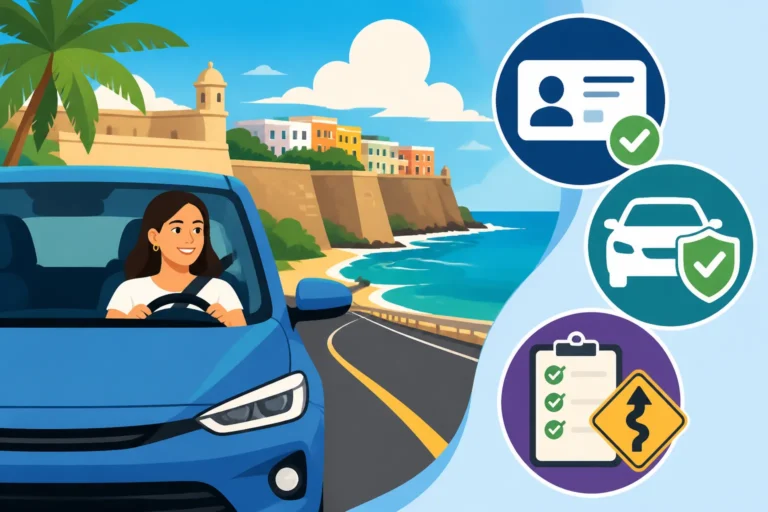
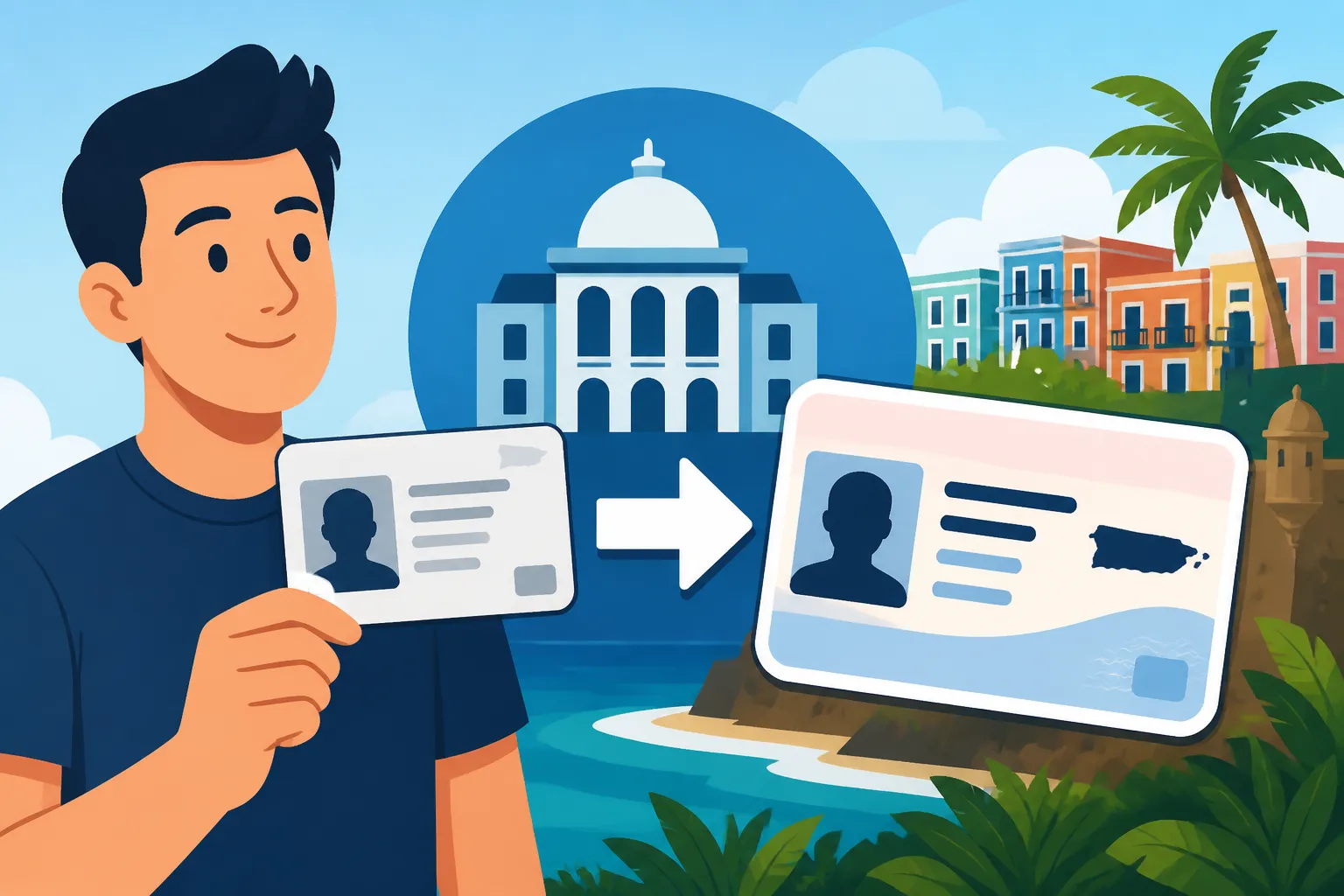
Alright, my friend, let's talk about getting your driver's license sorted in Puerto Rico. I remember the sheer dread of facing down yet another bureaucratic hurdle after my move. You've just arrived, probably buzzing with the excitement of a new life under the Caribbean sun, and then BAM! Reality hits. You realize your trusty mainland driver's license, the one that’s been with you through thick and thin, isn't going to cut it forever here. The thought of navigating another government office, especially one as legendary (and not in a good way) as CESCO, can feel like climbing El Yunque in flip-flops. But take a deep breath; this guide is here to walk you through the process of transferring your mainland driver's license to a Puerto Rico one, step by painstaking step, so you can keep exploring our beautiful island legally and without undue stress.
Understanding the Basics: Your Mainland License and Puerto Rico Rules
When you first land on the island, you'll probably still be using your driver's license from the mainland. And for a little while, that’s perfectly fine. But don't let that initial ease lull you into a false sense of security. As a bona fide resident, there's a definite endpoint to that grace period, and ignoring it can lead to more headaches than a bad piña colada.
The Initial Grace Period: Driving with Your Current License
Most newcomers mistakenly believe they have a hard and fast 30-day or even 60-day legal grace period to drive on their mainland license. The truth is, it's a bit more fluid and less formally defined for residents than it is for tourists. If you're just visiting, your valid mainland license is good to go for the duration of your trip. No worries there. However, once you establish residency in Puerto Rico, the expectation is that you will obtain a local license within a "reasonable" amount of time. What does "reasonable" mean? Well, that's where it gets a little hazy, and it's certainly not something you want to argue with a local police officer about on the side of the road.
Anecdotally, many expats drive on their mainland license for a few months without issue, especially if their vehicle isn't yet registered in Puerto Rico. But this is a risk. Insurance companies, for example, might become very difficult if you're involved in an accident and they discover you're a long-term resident driving on an out-of-state license. It's a "better safe than sorry" situation, and the sooner you tackle this, the more peace of mind you'll have.
Why You Must Transfer Your License as a Resident
Beyond the informal grace period ending, there are concrete reasons why transferring your driver's license is non-negotiable for a new resident. First and foremost, it’s a legal requirement. Once you've established your new life here, you're expected to comply with local laws, and that includes holding a Puerto Rico driver's license. This isn't just about avoiding a ticket; it's about fully integrating into the system. It's one of those foundational pieces of identification that signals you're truly here to stay, much like establishing your Bona Fide Residency in Puerto Rico (2026).
Secondly, it simplifies other aspects of your life. Imagine trying to use a mainland ID at a local bank for certain transactions, or as your primary form of identification if you don't have a Puerto Rico ID card. While some places might accept it, others will look at you sideways. Having a local license streamlines these interactions and ensures you always have valid, locally recognized identification. It’s about more than just driving; it's about navigating daily life smoothly on the island.
The CESCO System: Your New Best Friend (or Foe)
So, where does all this magic happen? You'll be getting very familiar with CESCO, or the Centro de Servicios al Conductor. Think of it as Puerto Rico's version of the Department of Motor Vehicles (DMV), but with its own unique flavor of administrative challenges. Each municipio has at least one CESCO office, and your experience can vary wildly depending on the location, the day, and even the specific employee you encounter.
CESCO is notorious for long wait times, intricate document requirements that sometimes seem to shift with the wind, and a system that can test the patience of a saint. My first visit felt like I was entering a labyrinth without a map. But don't despair! Going in prepared, with every conceivable document and a healthy dose of patience, is your best strategy. Understanding that CESCO is the place for all things driving and vehicle-related – from licenses to Registering and Titling a Vehicle (DTOP/CESCO) in Puerto Rico – will help you mentally prepare for what's to come.
Gathering Your Arsenal of Documents: The CESCO Checklist
This is where the rubber meets the road, or rather, where the paper meets the desk. Having all your documents in order before you even step foot into a CESCO office is the single most important piece of advice I can give you. One missing paper, one unoriginal copy, and you could be sent right back to square one, having wasted hours of your precious island time.
Proof of Identity and Residency: More Than Just a Driver's License
You’d think showing your old driver's license would be enough, right? Wrong. CESCO wants to know who you are, where you came from, and most importantly, that you're truly a resident here.
Here’s what you absolutely need:
- Original Birth Certificate: And I mean the original or a certified copy with the raised seal. Many mainland states provide these as a standard, often laminated, document. If yours isn't, or if you only have a copy, you'll need to order a certified one.
- Social Security Card: Your physical card, not just the number. Make sure it's in good condition.
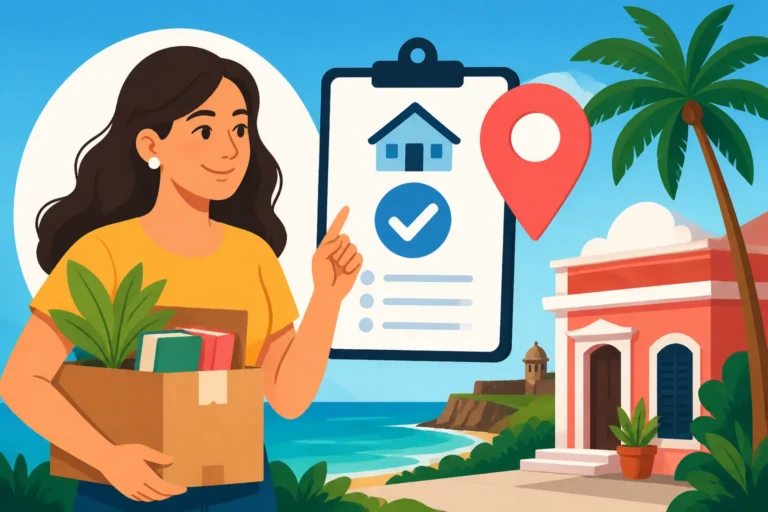
- Proof of Bona Fide Residency: This is critical. You'll need at least two, preferably three, documents showing your name and current Puerto Rico address. This could include:
- Recent utility bills (LUMA, AAA water bill). Make sure they are in your name. Setting up Electricity (LUMA) in Your Puerto Rico Home and Water Service (AAA) in Puerto Rico early on is key.
- A signed lease agreement or property deed if you own your home.
- Bank statements from a local bank (like Banco Popular or Oriental Bank). This is another reason why Opening a Bank Account in Puerto Rico as a Newcomer should be high on your initial to-do list.
- A recent tax return filed with Hacienda (if applicable, but likely not for your first license transfer).
- Mail from a government agency addressed to you at your PR address.
They are looking for undeniable proof that you live here now, not just that you're vacationing. The more official, the better.
Medical Certificate (Certificado Médico): Don't Skip This Step
Before you head to CESCO, you must obtain a "Certificado Médico para Licencia de Conducir" (Medical Certificate for Driver's License) from a doctor licensed to practice in Puerto Rico. This isn't some intense physical; it's usually a quick, routine check-up to ensure you meet basic health requirements for driving. They'll check your vision, hearing, and general physical condition.
You can often find doctors near CESCO offices who specialize in these quick exams, or you can get it done by your newly established Primary Care Doctor in Puerto Rico. Expect to pay a fee, typically around $30-50, cash only at some clinics. Make sure the doctor fills out the official CESCO form correctly and signs/stamps it. This certificate usually has a short validity period (often 30-60 days), so plan your CESCO visit soon after getting it to avoid it expiring. It's a foundational document, and CESCO will not process your application without a current one.
Required Forms and Fees: The Paperwork Trail
Beyond your personal documents and medical certificate, CESCO has its own specific forms and fees. These usually involve purchasing "sellos de rentas internas" (internal revenue stamps) and "comprobantes" (vouchers). These are government-issued stamps and receipts that cover various fees. You can buy them at designated collection centers, sometimes at Hacienda offices, or even at some post offices or cooperativas. The CESCO website or a quick call to the specific CESCO office can usually confirm the exact amounts needed, as they can change periodically.
You'll need to fill out the official driver's license application form, "Solicitud de Licencia de Conducir." This form will ask for personal details, your Puerto Rico address, and information about your previous driving history. While you're "transferring" your license in spirit, CESCO often treats it more like a new license application from an out-of-jurisdiction individual, especially when it comes to the written exam component.
To give you a clearer picture, here’s a simplified checklist:
| Document Category | Specific Item | Notes |
|---|---|---|
| Identity & Citizenship | Original Birth Certificate (Certified) | Must be original or certified copy with raised seal. No photocopies. |
| Original Social Security Card | Physical card required. | |
| Residency Proof | PR Utility Bills (LUMA, AAA) | 2-3 recent bills in your name, showing your PR address. |
| Lease Agreement or Property Deed | Proof of residence at your PR address. | |
| PR Bank Statements | From a local bank (e.g., Banco Popular, Oriental Bank), showing PR address. | |
| Medical Requirements | Certificado Médico (Medical Certificate) | From a PR-licensed doctor. Valid for a limited time (e.g., 30-60 days). |
| CESCO Forms & Fees | Solicitud de Licencia de Conducir | Driver's License Application Form. |
| Sellos de Rentas Internas & Comprobantes | Government stamps/vouchers covering application and licensing fees. Purchase beforehand. | |
| Existing License | Your Current Mainland Driver's License | Although you're transferring, they will need to see this. It will be voided/marked once you receive your PR license. |
This list is your Bible. Do not deviate. And bring extra copies of everything, just in case.
Navigating CESCO: The Actual Transfer Process
You've got your documents, you've taken a deep breath, and you're ready to face CESCO. This is where the real adventure begins. How you approach your visit can significantly impact your experience.
Making an Appointment vs. Walk-ins: Choose Your Battle Wisely
In the past, CESCO was a pure walk-in operation, which often meant hours, if not an entire day, spent waiting in various lines. Thankfully, they’ve made strides with their online appointment system, CESCO Citas. I cannot stress this enough: make an appointment. It will save you immeasurable time and frustration. While the system isn't always perfect, it generally allows you to get in and out much faster.
If you opt for a walk-in (perhaps you couldn't get an appointment, or you're a glutton for punishment), plan to arrive before the office even opens. I'm talking 6:30 AM for an 8 AM opening, especially at busier locations like those in the San Juan metro area. Even then, there's no guarantee you'll be seen, as they often cap the number of walk-ins for the day. Be prepared to be flexible, patient, and possibly to return on another day. Consider using a reliable data plan from a provider like Airalo on your phone if you anticipate long waits and need to stay connected or use online translation tools.
The Eye Exam and Photo: Standard Procedures
Once your documents are reviewed and deemed complete (a huge hurdle, believe me!), you'll typically move on to the more routine parts of the process. This includes a basic eye exam performed right there at CESCO. It's usually a standard Snellen chart test – reading letters from a distance. If you wear corrective lenses, make sure you bring them and wear them.
Following the eye exam, it's photo time. Just like any DMV, they'll snap your picture for your new license. My advice? Don't stress too much about looking your best; they tend to be utilitarian photos. Often, you'll be asked to remove glasses, and smiling is usually discouraged, keeping it fairly serious. This part is generally quick and straightforward.
The Written Exam: Yes, You Still Have to Take It
Here's the kicker that catches many mainlanders off guard: even though you've been driving for years, you will have to take a written exam. This isn't a formality; it's a legitimate test of your knowledge of Puerto Rico's specific traffic laws, road signs (many of which are in Spanish, though the exam itself can be taken in English), and driving regulations.
The exam usually consists of multiple-choice questions. While it’s often available in English, it's crucial to study the official Puerto Rico Driver's Manual ("Manual del Conductor"). You can usually find a PDF version online through the DTOP (Departamento de Transportación y Obras Públicas) website or by searching for "Manual del Conductor Puerto Rico." Don't assume your mainland knowledge is sufficient. There are nuances, especially concerning signs, speed limits in certain zones, and local customs, that are unique to the island. Prepare for it as if you're taking your first driver's test all over again. A failing grade will mean a return trip, which, given CESCO’s efficiency, is something you want to avoid at all costs. This really highlights the importance of understanding Driving in Puerto Rico: Licenses, Registration and Rules for Newcomers (2027).
The Moment of Truth: Getting Your Temporary and Permanent License
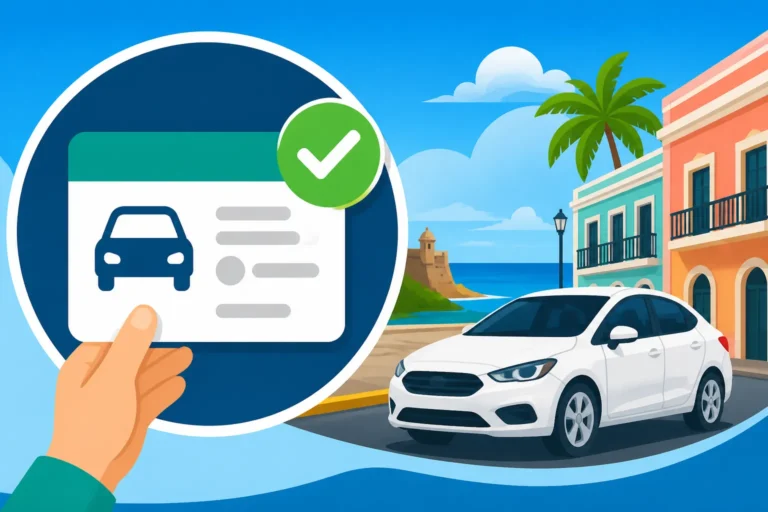
If you successfully pass the written exam (¡Felicidades!), you're almost there. CESCO will usually issue you a temporary paper driver's license on the spot. This temporary license is valid immediately and allows you to drive legally while you wait for your permanent physical card.
The permanent driver's license card is typically mailed to your Puerto Rico address. The waiting period can vary, anywhere from a few weeks to a couple of months. Ensure the address you provide to CESCO is accurate and that your mailbox is correctly labeled to receive mail, as undeliverable mail can cause significant delays. Keep your temporary license and a photo ID (like your passport) with you until your permanent card arrives.
Common Pitfalls and Pro Tips for a Smoother Ride
Moving to a new place always comes with unexpected challenges, and transferring your driver's license in Puerto Rico is no exception. Forewarned is forearmed, so let's talk about some common issues and how to navigate them.
The Language Barrier and Patience Factor
While CESCO offices in larger cities like San Juan, Ponce, or Mayagüez are more likely to have English-speaking staff, it's by no means guaranteed. In smaller towns, you might find that English proficiency is limited. This is where patience truly becomes a virtue. If you're not fluent in Spanish, consider bringing a Spanish-speaking friend or family member along. Failing that, have Google Translate at the ready on your phone (and make sure you have a good data plan, like one you could get with Airalo, for reliable internet access).
More importantly, adopt the local pace. Things move slower here, and getting flustered or impatient will only make the experience more difficult for everyone involved. A friendly smile, a polite "Buenos días," and a calm demeanor will get you much further than frustration ever will. Remember, you're a guest on the island, and adapting to its rhythms is part of the journey.
Document Verification and "The Original" Rule
I mentioned it before, but it bears repeating: originals, originals, originals! CESCO has an almost religious adherence to original documents or certified copies with official seals. A photocopy, even if it's a perfect duplicate, will likely be rejected. This can be particularly frustrating if you've brought what you thought was an acceptable copy from the mainland. Double-check every single document against the requirements.
Furthermore, there can sometimes be slight variations in interpretation of rules between different CESCO offices or even different employees within the same office. What was accepted by one person on Monday might be questioned by another on Tuesday. The best defense against this inconsistency is to have more documents than required, especially for proof of residency, and to ensure they are all in pristine, original condition.
What to Do If Your Mainland License Expires Soon
If you’re reading this before your move and notice your mainland driver's license is due to expire in the next six months or so, renew it on the mainland before you come to Puerto Rico! Seriously, save yourself the headache. Dealing with an expired mainland license and the CESCO transfer process simultaneously will only compound your stress.
If you're already on the island and your mainland license is nearing expiration, prioritize your CESCO visit. An expired license will likely make the entire transfer process more complicated and could potentially require additional steps or even a road test. Don't let it lapse while you're trying to figure things out here.
Beyond the License: Car Registration and Insurance
Getting your Puerto Rico driver's license is a huge milestone, but it's just one part of the puzzle for legal driving on the island. If you're bringing a vehicle from the mainland or purchasing one here, you'll also need to tackle car registration, vehicle title transfer, and mandatory insurance. Your new PR license will be necessary for these steps.
This whole process often feels like a multi-stage boss battle, where each victory (like getting your license) just unlocks the next challenge (like Understanding Car Registration Costs and Insurance (ACAA) in Puerto Rico). It’s a lot to juggle, especially when you’re still getting settled. That's why services that help streamline other aspects of your relocation, like finding reliable movers, can be a godsend. Partners like Sirelo can simplify the logistical side of your move, leaving you more mental bandwidth to conquer CESCO and everything else. Just remember to take it one step at a time, celebrate the small victories, and embrace the process of becoming a true residente of this vibrant island.
Disclaimer
The information provided in this guide is intended for general informational purposes only and does not constitute legal, financial, or professional advice. While we strive to keep the information accurate and up-to-date, regulations and procedures in Puerto Rico, especially concerning government services like CESCO, can change frequently without prior notice. It is highly recommended that you consult directly with the official CESCO/DTOP websites, visit a CESCO office, or seek advice from a local legal professional for the most current and personalized guidance regarding your specific situation. We are not responsible for any outcomes based on the use of this information.