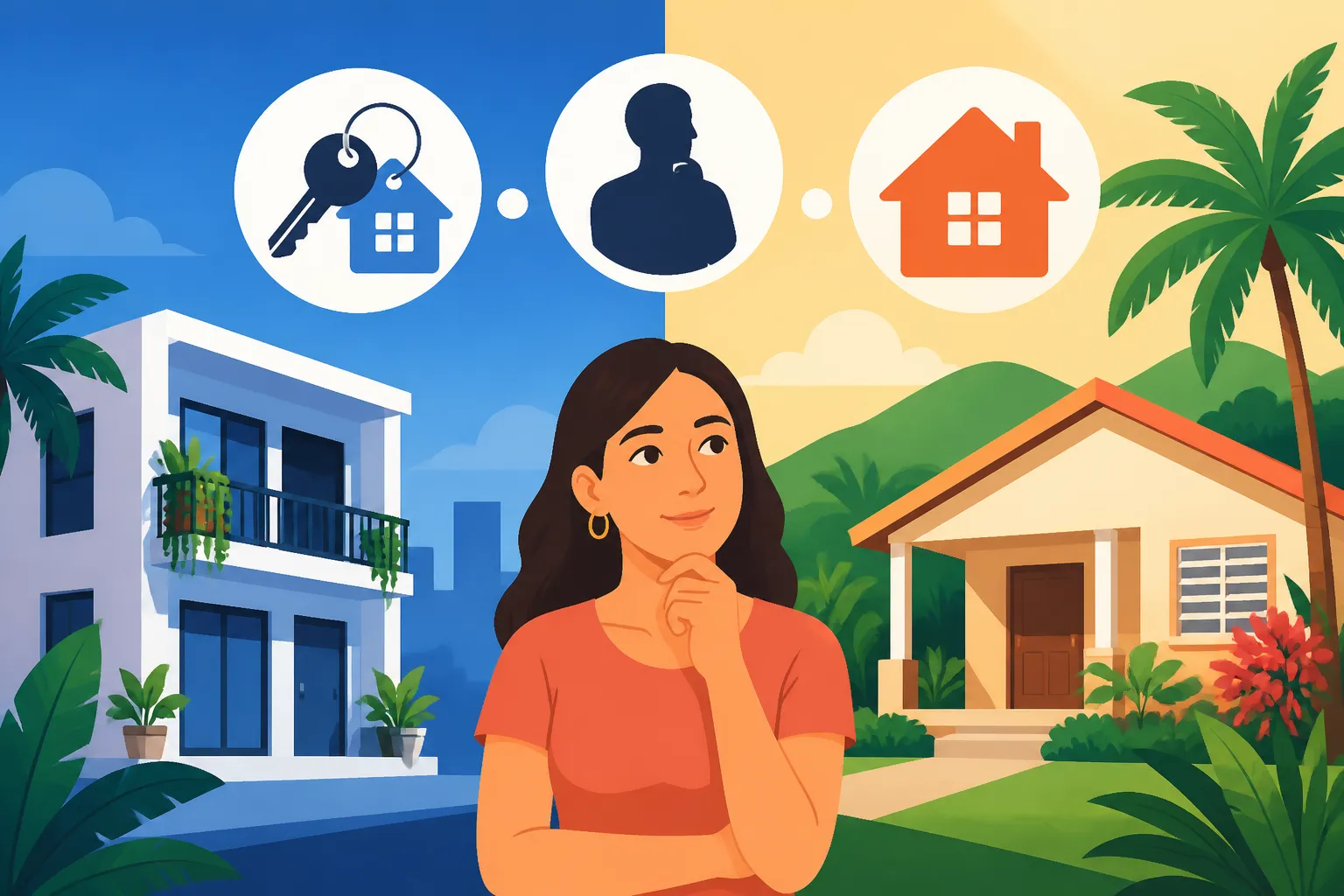
How Do I Choose Between Renting and Buying in Puerto Rico?
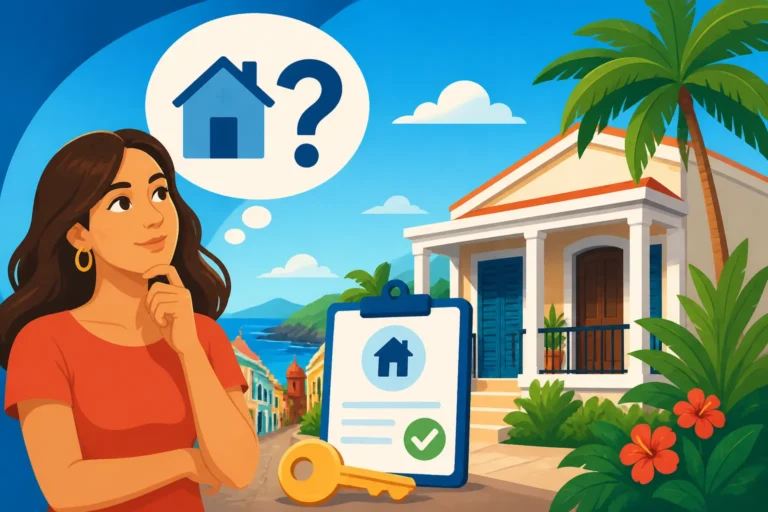
Oh, the age-old question that plagues almost every single one of us who has seriously considered making a life in this beautiful, complicated island: Should I rent or should I buy? Believe me, I've been there. You look at those stunning oceanfront condos, then you see the price tags and the administrative hoops, and your head starts to spin. It’s not just about the numbers; it’s about lifestyle, flexibility, and understanding a market that’s uniquely Puerto Rican. This guide is here to walk you through the nitty-gritty, helping you weigh the pros and cons of renting versus buying a home here.
Understanding Your Personal Situation: The First Step
Before you even start browsing Zillow or calling real estate agents, take a deep breath and truly assess where you are in your journey. This isn't just about your bank account; it's about your long-term vision, your comfort with uncertainty, and how much you really love mamey (just kidding, but seriously, get to know the local fruits!).
How Long Do You Plan to Stay?
This is perhaps the most crucial question. Are you here for a sabbatical, testing the waters for a year or two, or are you envisioning a permanent move, maybe even putting down roots and raising a family? Puerto Rico, for all its charm, is not a place where quick property flips are always easy or profitable, especially if you haven't fully acclimated to the local market and culture.
If your stay is likely short-term, say 1-3 years, renting usually makes the most sense. The transaction costs associated with buying property in Puerto Rico—things like closing costs, legal fees, and the property transfer tax—can be substantial. You'd need to see significant appreciation in a relatively short time just to break even, let alone make a profit. Plus, selling a property here can take time. It's not like the mainland where sometimes a house is under contract within days. You could be looking at months, or even longer, depending on the market and location. If you’re not sure about the long haul, tying up a significant chunk of your capital in a property might leave you feeling trapped or rushing into a sale at a less-than-ideal moment. For those just exploring, having the flexibility of a lease agreement, perhaps even a short-term one, is invaluable. It lets you explore different neighborhoods, different towns, and really get a feel for the island before making such a monumental commitment.
Your Financial Standing and Risk Tolerance
Let's be brutally honest: moving to Puerto Rico, or anywhere new, often comes with unexpected expenses. Whether it's setting up utilities like LUMA and AAA, getting your internet hooked up, or just stocking your pantry with local essentials, the initial outlay can add up. When considering buying, you need to look beyond the mortgage payment. There are property taxes (CRIM), homeowner's insurance (which absolutely must include hurricane coverage, believe me), potential HOA fees if you're in a community, and general maintenance. Remember, the tropical climate here means things wear down faster – mold, rust, and humidity are real factors you’ll contend with.
If your finances are still settling, or you prefer to keep your capital more liquid, renting provides a predictable monthly expense (aside from utilities, of course). You're typically only responsible for the rent and utilities, and major repairs fall to the landlord. This reduces your financial risk and gives you a clearer picture of your monthly budget. However, if you have substantial savings, a stable income, and a strong credit history, buying could be a sound investment. Just make sure you factor in at least a 20% down payment, plus 5-8% for closing costs. Mortgage rates can also be slightly higher here than on the mainland, depending on the lender and your specific situation. This is where understanding The Cost of Healthcare in Puerto Rico: A Complete Breakdown for Newcomers (2026) or even just getting your The Newcomer's Guide to Setting Up Utilities (LUMA/AAA) in Puerto Rico can affect your overall budget planning.
Lifestyle Preferences: Flexibility vs. Permanence
Are you a spontaneous adventurer who loves the idea of picking up and moving to a new part of the island if the mood strikes? Or are you a nesting bird, dreaming of customizing every corner of your home, cultivating a garden, and becoming a fixture in a local community?
Renting offers unmatched flexibility. If you discover that your initial choice of town, say a bustling Condado apartment, isn't quite right, or if you prefer the calmer vibes of the west coast, you can move once your lease is up. It allows you to truly test out different areas without the burden of selling property. You might even use services like Airalo for a seamless data connection while you're scouting different locales. On the flip side, owning gives you that deep sense of belonging and the freedom to truly make a place your own. You can paint walls, renovate a kitchen, or build that outdoor terraza you've always wanted. It provides stability and a long-term investment in your future on the island.
The Realities of Renting in Puerto Rico
Renting here is a very common path for newcomers, and for good reason. It’s often the best way to get your bearings before committing to something more permanent. But like everything else, it comes with its own quirks and considerations.
Advantages of Renting
One of the biggest advantages, as mentioned, is flexibility. When you're new to the island, you don't really know which neighborhood will fit your vibe until you've lived here for a bit. Maybe you thought San Juan was the only place to be, but then you discover the laid-back surf towns of Rincón or the cultural richness of Ponce. Renting lets you explore. If you're wondering How Much Does It Cost to Rent an Apartment in San Juan in 2026?, you'll quickly see that while not cheap, it's generally a more accessible entry point than a down payment on a home.
Another huge plus is the limited responsibility for maintenance and repairs. When the AC inevitably breaks in the tropical heat, or a pipe leaks (and it will happen), that's usually the landlord's problem, not yours. This can save you significant headaches and unexpected expenses, which is a major relief when you're still getting accustomed to calling local contractors and navigating repairs in Spanish. Plus, you avoid the hefty upfront costs associated with buying, such as down payments, closing costs, and property taxes. This capital remains liquid, giving you more financial maneuverability for other relocation expenses, or simply more peace of mind.
Challenges and Considerations for Renters
While renting is often easier, it's not without its challenges. Finding the right rental can sometimes feel like a treasure hunt. The rental market, especially for quality, well-maintained properties, can be competitive in popular expat areas like Condado, Dorado, or even some parts of the west coast. Listings can move fast, and often the best ones are found through word-of-mouth or local real estate agents rather than just online portals.
You'll also need to be prepared for the lease agreement process. Make sure you understand the terms, including who is responsible for utilities, any pet policies, and the security deposit rules. Speaking of deposits, landlords typically ask for one or two months' rent as a security deposit, and sometimes the first month's rent upfront. This can be a substantial amount, so budget accordingly. It's always wise to familiarize yourself with How to Sign a Lease and Understand Tenant Law in Puerto Rico to protect yourself. Additionally, while maintenance is generally the landlord's responsibility, getting them to respond quickly to issues isn't always a given, and "island time" applies here too. Persistence, polite follow-ups, and a good relationship with your landlord go a long way.
| Feature | Renting in Puerto Rico |
|---|---|
| Flexibility | High; easy to move after lease, explore different areas like How Do I Find an Apartment to Rent in Condado?. |
| Upfront Costs | Lower (security deposit, first month's rent); no closing costs or property taxes. |
| Maintenance | Landlord's responsibility (mostly), saving you time and money on repairs. |
| Market Access | Competitive in popular areas; often requires local agents or networking. |
| Customization | Limited; generally cannot make permanent changes to the property. |
| Long-term Value | No equity building or appreciation. |
The Long-Term Picture: Buying Property in Puerto Rico
For many, the dream of owning a piece of paradise in Puerto Rico is a powerful draw. It offers a sense of permanence, a potential investment, and the freedom to create a true home. But it’s a journey that requires patience, due diligence, and a clear understanding of the local landscape.
Benefits of Owning Property
The most obvious benefit of buying is building equity. Over time, as you pay down your mortgage, you own more of the property. If the market appreciates, your investment grows, potentially giving you a significant asset down the line. It's a tangible way to invest in your future on the island. Plus, owning a home here can offer certain tax advantages, though this varies greatly depending on your individual situation, especially if you're looking into programs like Act 60.
Beyond the financial, there's the unparalleled freedom to customize your space. Want to redo the kitchen with local mahogany? Build an outdoor shower? Create a vibrant tropical garden? It’s all yours to command. This is especially appealing for those who truly see Puerto Rico as their long-term home, a place to retire, or raise a family. Becoming a homeowner also often deepens your connection to a specific community. You become more invested in local issues, make friends with neighbors, and integrate more fully into the fabric of daily life. Services like Sirelo, a relocation platform, can offer helpful resources for planning the logistics of moving your belongings to your new permanent home.
Navigating the Buying Process and Potential Pitfalls
Buying property in Puerto Rico can be an intricate process, differing in some key ways from the mainland. First, you'll absolutely need a reliable and local real estate agent and a trustworthy attorney specializing in real estate. These professionals are indispensable for navigating the legalities, title searches, and paperwork. You can't just assume everything works like it does back home; for example, Understanding Property Ownership and Titles in Puerto Rico is critical.
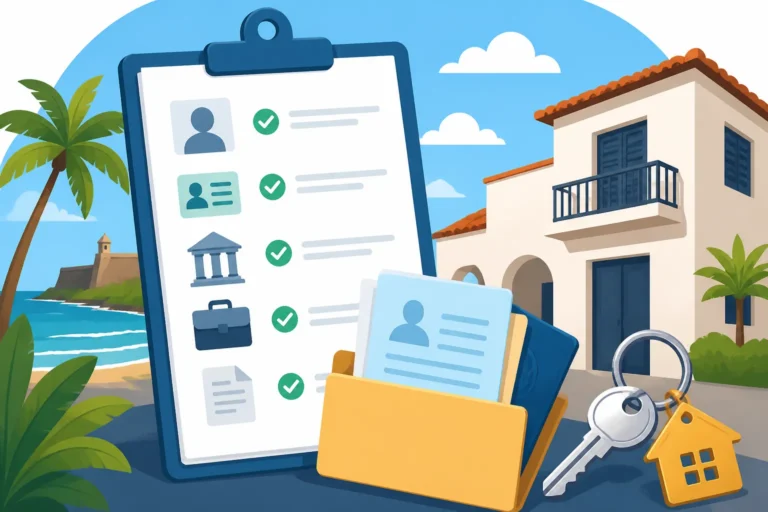
Financing is another hurdle. While US banks operate here, getting a mortgage as a newcomer can sometimes be more complex. Lenders will scrutinize your financial history, and having a good relationship with a local bank like Banco Popular or Oriental Bank can be beneficial. Be prepared for the paperwork! You’ll need to understand How Do I Get a Mortgage to Buy a Home in Puerto Rico? in detail. Interest rates, as mentioned, might be slightly different, and the approval process can feel a bit slower.
Property condition is also a major factor. Older homes often have "deferred maintenance" – issues that have been put off. Thorough inspections are not just recommended, they are essential. Look for signs of water damage, issues with the roof, electrical problems, and foundation concerns. Remember, hurricane season is a reality, and ensuring your home is resilient, or can be made so, is paramount. Also, don't forget about Understanding HOA and Condo Maintenance Fees in Puerto Rico if you're looking at a gated community or condominium. These fees can add a significant amount to your monthly expenses. You also need to consider property taxes (CRIM) and homeowner's insurance, which, post-Maria, can be a substantial annual cost. For detailed insights, consult How to Buy Property in Puerto Rico: The Full Guide (2027).
Making Your Decision: A Side-by-Side Look
Ultimately, the choice between renting and buying in Puerto Rico boils down to aligning your personal circumstances with the realities of the island's market. There’s no single right answer; it’s about what’s right for you.
When Renting Makes More Sense
Renting is often the smarter choice if you:
- Are new to Puerto Rico and uncertain about your long-term plans. Use your first year or two to explore, learn the culture, and figure out exactly where you want to be.
- Prioritize flexibility. If your job or personal situation might require you to move again within a few years, a lease offers a much easier exit strategy.
- Have limited upfront capital. Renting requires a significantly smaller initial investment compared to buying, leaving you with more liquid funds.
- Prefer predictable monthly expenses and less responsibility for maintenance. This can be a huge stress reliever in a new environment.
- Want to avoid the complexities of property ownership in a foreign (yet familiar) jurisdiction. The administrative tasks and legal nuances of buying here can be daunting. You can explore The Complete Guide to Cost of Living in Puerto Rico (2026) to see how renting affects your budget.
When Buying Becomes the Right Move
Buying property is a strong option if you:
- Are committed to making Puerto Rico your permanent home. You see yourself living here for five years, ten years, or more.
- Have a stable financial foundation. This includes a solid down payment, funds for closing costs, and a healthy emergency fund for unexpected home repairs or property-related expenses.
- Desire the freedom to customize your living space. You want to invest time and money into making a house truly your own.
- Are comfortable with the local legal and administrative processes, or have a trusted team to guide you. Working with a good real estate agent and lawyer is non-negotiable here. A platform like Sirelo might offer tools to help you plan your move and find reliable professionals.
- See the potential for long-term appreciation in the real estate market. While past performance is no guarantee, long-term ownership can yield good returns in certain areas. To find your ideal spot, check out The Best Places to Live in Puerto Rico for Newcomers: A Complete Guide (2027).
The decision is deeply personal, and there's no need to rush it. Many expats start by renting, often in areas like San Juan or Dorado, and then, after a year or two, they feel confident enough to consider purchasing. This gives them time to scout the island, understand the market, and build a network of local professionals. Embrace the journey, and don’t hesitate to explore your options thoroughly.
Disclaimer
The information provided in this article is for general informational purposes only and does not constitute legal, financial, or real estate advice. While we strive to provide accurate and up-to-date information based on our experience and publicly available data, laws, regulations, and market conditions in Puerto Rico can change rapidly. Always consult with qualified local professionals, such as real estate agents, attorneys, tax advisors, and financial planners, before making any significant decisions regarding renting or buying property in Puerto Rico.