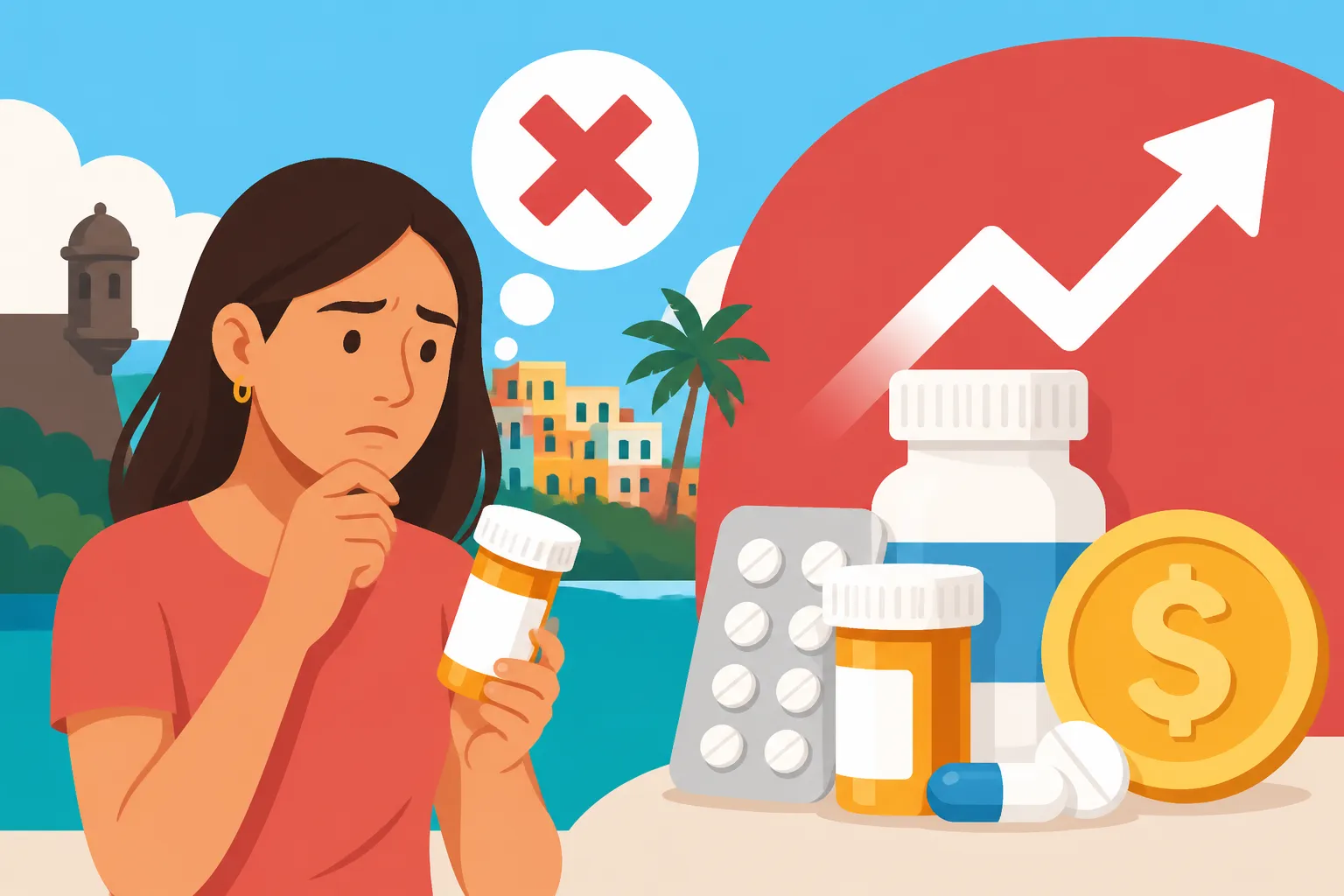
Are Prescription Medications Expensive in Puerto Rico?
One of the most stressful parts of moving to Puerto Rico is realizing that your maintenance medications might cost significantly more—or less—than they did back home. Many newcomers are blindsided by insurance coverage gaps or local supply chain issues. This guide provides a detailed breakdown of medication costs, insurance nuances, and local savings strategies to ensure you stay healthy without breaking the bank.
The Reality of Prescription Pricing in Puerto Rico
When you first walk into a pharmacy in San Juan or Dorado, you might expect prices to be identical to what you saw in Florida or New York. After all, Puerto Rico is a U.S. territory, and the FDA regulates every pill on the shelf. However, the economic reality is far more complex. While Puerto Rico is a global hub for pharmaceutical manufacturing—producing a massive percentage of the world’s top-selling drugs—local retail prices are influenced by the Jones Act, shipping logistics, and a unique tax landscape.
For the most part, if you are paying out-of-pocket (without insurance), prescription medications in Puerto Rico are roughly comparable to mainland prices, though certain brand-name drugs can carry a 10% to 15% premium due to the cost of importing them to the island. Conversely, generic medications are often quite affordable, especially if you step away from the big-box retailers. Understanding The Cost of Healthcare in Puerto Rico: A Complete Breakdown for Newcomers (2026) is essential because your medication budget is inextricably linked to your overall health strategy.
One common frustration for expats is the "lag time" in price updates. If a patent expires on the mainland, it might take a few extra months for the generic equivalent to become widely available at the lower price point in local Puerto Rican pharmacies. Furthermore, many of the mainland discount apps, like GoodRx, have limited functionality here. While some pharmacies will honor the codes, many of the smaller "Farmacias de la Comunidad" (community pharmacies) have their own internal discount programs that often beat the big-chain prices. For those who are still in the process of moving and haven't secured local coverage, using a flexible option like SafetyWing can provide a safety net for medical emergencies, though you should always verify how outpatient prescriptions are handled during your transition period.
How Insurance Impacts Your Out-of-Pocket Costs
In Puerto Rico, the price you pay at the "recetario" (pharmacy counter) is dictated almost entirely by your insurance provider’s formulary. Unlike the mainland, where you might have dozens of PBMs (Pharmacy Benefit Managers), Puerto Rico’s market is dominated by a few major players like Triple-S, MCS, and Humana. Each of these has a specific "Tier" system that determines your co-pay.
If you are transitioning from a mainland plan, you might be surprised to find that your old insurance doesn't work the same way here. While some PPO plans offer "BlueCard" access, many local pharmacies struggle to process mainland-based claims, often requiring you to pay upfront and seek reimbursement later. This is why many residents eventually transition to a local plan. You can learn more about this in our guide on Health Insurance in Puerto Rico: Plans, Costs and Options Explained (2026).
For those on the lower end of the income scale, or those who qualify through other means, the government-subsidized plan is a vital resource. Understanding the Vital Plan (Government Health Plan) in Puerto Rico (2027) is crucial because this plan often has very low or zero co-pays for a wide range of essential medications. However, the formulary is stricter than private plans, meaning you may have to try a generic version before the plan approves a brand-name drug.
| Pharmacy Type | Typical Price Point | Pros | Cons |
|---|---|---|---|
| Big Chain (Walgreens/CVS) | Higher | Open 24/7, familiar systems, English-speaking staff | Longer wait times, higher out-of-pocket costs |
| Farmacia de Comunidad | Lower | Personalized service, local discounts, faster filling | Limited hours, may have less stock of rare meds |
| Hospital Pharmacies | Moderate | Specialized meds available, convenient after ER visits | Can be crowded, primarily for admitted patients |
| Costco/Walmart | Lowest | Great for bulk generic maintenance meds | Requires membership (Costco), often long lines |
Strategies to Reduce Your Prescription Expenses
If you find that your monthly costs are creeping up, there are several "island-style" strategies to bring them down. First and foremost, you must become comfortable with Understanding the Pharmacy System and Generic Drugs in Puerto Rico. The law in Puerto Rico actually encourages pharmacists to substitute generics for brand names unless the doctor specifically writes "Dispense as Written" (DAW) in a very specific format. Generics here are subject to the same rigorous FDA standards as those in the States but cost a fraction of the price.
Another pro-tip is to skip the big chains for your monthly maintenance meds. While Walgreens is convenient because they are everywhere, the local community pharmacies—often family-owned for generations—have much more flexibility with pricing. They want your loyalty and are often willing to work with you if a specific drug is not covered by your plan. They might suggest an alternative that is on your insurance's preferred list, saving you a trip back to the doctor's office for a new script.
For those who are self-employed or waiting for their Act 60 decree to be processed, managing costs is a high priority. During this "in-between" phase, some expats rely on international travel insurance like SafetyWing to cover unexpected medical costs, but for routine prescriptions, you’ll want to look into How to Get Health Insurance When You Move to Puerto Rico. This will allow you to access the negotiated rates that local insurers have with the pharmaceutical distributors.
| Expense Category | Estimated Monthly Cost (Out-of-Pocket) | Estimated Monthly Cost (With Private Insurance) |
|---|---|---|
| Basic Antibiotics | $20 – $50 | $5 – $15 |
| Common Statins (Generic) | $15 – $30 | $0 – $10 |
| Insulin (Vial) | $150 – $300 | $20 – $60 |
| Specialty Biologics | $2,000+ | $50 – $150 (After Deductible) |
Navigating Supply Chain and Availability Challenges
While price is one hurdle, availability is another. Because Puerto Rico is an island, the supply chain can occasionally be disrupted by hurricanes or shipping delays. It is not uncommon for a specific dosage of a popular medication to be out of stock across the entire island for a week or two. To avoid a crisis, veteran expats always keep at least a 30-day "buffer" of their essential meds.
When you are Navigating the Puerto Rico Healthcare System: A Newcomer's Roadmap (2027), you’ll learn that "Doctor Shopping" for prescriptions is highly regulated. You cannot simply use a mainland telehealth script at a local pharmacy in many cases; the pharmacist will often require a signature from a doctor licensed to practice in Puerto Rico (with a local NPI and DEA number for controlled substances). This means your first order of business should be How to Find and Register with a Primary Care Doctor in Puerto Rico. Once you have a local physician, they can send electronic prescriptions (e-prescribing is common in San Juan) directly to your pharmacy of choice.
If you are a digital nomad or frequent traveler using a plan like SafetyWing, you should be aware that while your emergency medical needs are covered, the "convenience" of getting a routine prescription filled might require you to pay the local cash price. Always keep your receipts. If you have a complex condition, it is often worth checking with the specialized pharmacies (Farmacias Especializadas) found near major medical centers like Auxilio Mutuo or Centro Médico. These facilities carry the high-cost, temperature-sensitive biologics that your neighborhood Walgreens might not stock.
Lastly, don't forget to factor in the cost of Understanding Co-Pays, Deductibles and Premiums in Puerto Rico. Sometimes a "cheaper" insurance plan has a massive pharmacy deductible that makes your medications feel expensive until you hit that cap. Conversely, a higher premium plan might offer a "Gold" formulary where almost all generics are $0. Taking the time to compare these options before you sign up for a plan in January (or during a qualifying life event) can save you thousands of dollars over the course of a year.
Essential Advice for Newcomers Regarding Medication
The transition to living on the island involves a learning curve that goes beyond just learning Spanish. You have to adapt to the "rhythm" of the local bureaucracy. This includes the pharmacy. Don't wait until you have one pill left to request a refill. The "sistema" (system) can go down, or the pharmacist might need to call your insurance to get a "prior authorization" (PA), which can take 48 to 72 hours.
If you are moving from the mainland and have a current prescription, try to get a 90-day supply from your current doctor before you leave. This gives you a three-month window to find a local doctor and get integrated into How Puerto Rico's Health System Works: Public vs Private Explained (2027). Many newcomers find that once they are settled, their medication costs actually decrease because they switch from expensive mainland-branded drugs to local generics that are just as effective. Puerto Rico’s medical community is highly skilled, and the pharmacists are generally very helpful, often acting as a first line of medical advice for minor ailments.
Whether you are here for the tax incentives, the beaches, or a new career path, your health is your greatest asset. By understanding the nuances of the local pharmacy landscape, utilizing community resources, and choosing the right insurance coverage, you can ensure that the cost of your medications remains a manageable part of your new life in paradise.
Disclaimer
This guide is for informational purposes only and does not constitute medical or legal advice. Healthcare laws, insurance formularies, and drug prices in Puerto Rico are subject to change. Always consult with a licensed healthcare professional and your insurance provider to confirm coverage and costs specific to your situation. External brands mentioned, such as SafetyWing, are for contextual reference regarding traveler and expat options and do not imply a medical endorsement.