Can I Bring My Car from the Mainland to Puerto Rico?
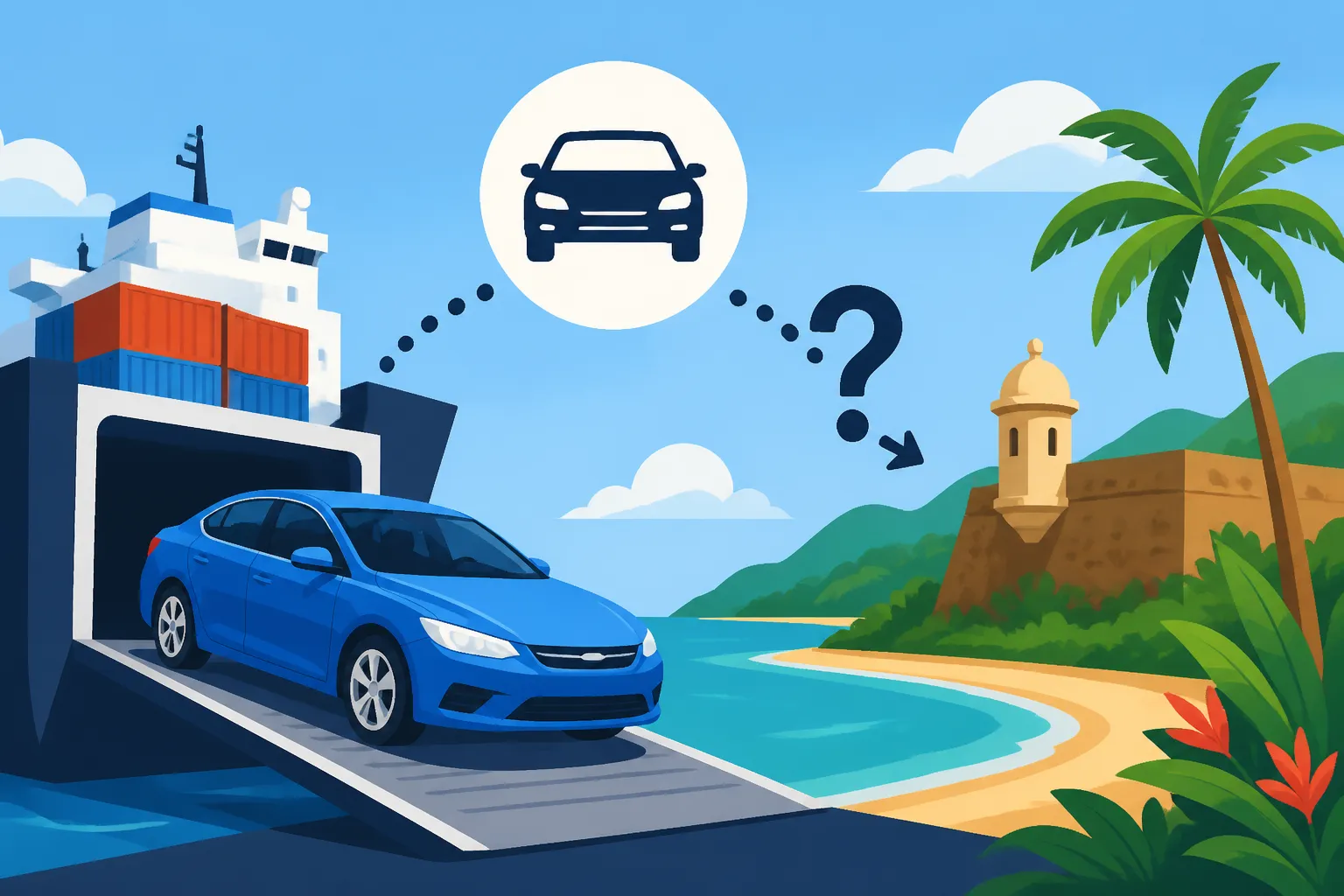
One of the first things many of us wonder when making the monumental decision to move to Puerto Rico is, "What about my car?" It’s not just a matter of driving it down the road; you're looking at a logistical puzzle that involves shipping, customs, inspections, and a whole new set of local regulations. This guide will walk you through the realistic ins and outs of bringing your beloved vehicle from the mainland to our beautiful island, helping you decide if it's truly worth the effort and how to tackle the journey if it is.
Is It Even Worth Bringing Your Car to Puerto Rico? Weighing the Pros and Cons
Believe me, I’ve been there. You look at your car, imagine it cruising down a palm-lined road in Dorado or navigating the winding hills of Rincón, and the thought of parting with it is just too much. But bringing a car from the mainland isn't a simple decision, and it comes with its own set of unique challenges and costs that you need to seriously consider. It's not just about the sentimental value; it’s about practicality and economics.
The Financial Side: Shipping Costs vs. Buying Local
First, let's talk numbers. Shipping your car isn't cheap. The cost can vary wildly depending on the size of your vehicle, the shipping method (open vs. enclosed container), and the specific port on the mainland you're shipping from. You're typically looking at anywhere from $1,000 to $3,000, and sometimes even more, just for the transit. And that's before you even factor in potential import taxes, which are assessed by the Puerto Rico Treasury Department (Hacienda) based on the vehicle's value, weight, and age. Older cars might have lower import taxes, but they could also incur more repair costs once they arrive.
Then there’s the cost of registration and licensing on the island, plus mandatory public liability insurance (ACAA). When you add all these figures together, it can quickly become comparable to, or even exceed, the cost of buying a used car here. For instance, reputable shipping services like those you might find through a platform like Sirelo can give you initial quotes, but remember to ask about all associated fees, not just the transport. Sometimes, the peace of mind of buying a car that's already on-island, familiar with our roads and less likely to raise red flags during inspection, is worth the upfront cost.
Road Conditions and Vehicle Suitability
Puerto Rico's roads are… an experience. From pristine highways to charming but pothole-riddled country lanes, your car will see it all. If your vehicle is a low-slung sports car or an older model with fragile suspension, you might want to reconsider. Many expats opt for SUVs or trucks once they arrive because they handle the diverse road conditions, including unpaved or poorly maintained roads in more rural areas, much better. Plus, if your car is already quite old or has a lot of mileage, the stress of shipping and then adapting to the local environment could lead to unexpected breakdowns and repair expenses. Spare parts for specific mainland models can sometimes be harder or more expensive to source here, too, depending on the make and model.
The Bureaucratic Gauntlet: Step-by-Step Process for Shipping Your Car
If you've decided that bringing your car is the way to go, brace yourself. The process is less "point and shoot" and more "navigate a complex maze." It demands patience, meticulous organization, and a good understanding of what each agency requires. Neglecting even a single document or step can lead to significant delays and added costs once your vehicle arrives at the port in San Juan.
Finding a Reliable Shipping Company and Preparing Your Vehicle
Your first critical step is choosing a reputable auto transport company. Look for companies with experience shipping to Puerto Rico specifically. They should be able to provide clear quotes, timelines, and a comprehensive list of required documentation. Common carriers include Horizon Lines, TOTE Maritime, and Crowley, though many smaller brokers also facilitate the process. Always get multiple quotes and read reviews.
Once you’ve chosen a shipper, you'll need to prepare your vehicle. This usually involves:
- Cleaning: The car must be spotless, inside and out, to allow for thorough inspection. This is non-negotiable. No dirt, no debris, no personal items inside.
- Fuel Level: Most companies require the fuel tank to be no more than ¼ full.
- Battery: Ensure the battery is fully charged and in good working condition.
- Personal Items: Remove everything personal from the vehicle. Shippers will typically refuse to transport a car with personal belongings, and any items found are subject to removal or even disposal. This is for security and insurance reasons.
- Mechanical Soundness: Make sure your car is in good working order. It needs to be able to be driven on and off the ship.
Essential Documentation for Shipping and Importation
This is where the real fun begins. You'll need a stack of documents for both the shipping company and, crucially, for Puerto Rico Customs (Hacienda). Don't just scan and email; have original copies and several sets of photocopies ready.
Here's a general list, but always confirm with your chosen shipper and the Puerto Rico Treasury Department directly, as requirements can change:
- Original Vehicle Title: This is paramount. If you have a lien on your car, you’ll need a notarized letter from the lienholder granting permission to ship the vehicle. This can be one of the biggest hurdles.
- Original Vehicle Registration: Must be current and valid.
- Bill of Sale (if recently purchased): Proof of ownership.
- Valid Driver's License: Your mainland driver's license is fine for shipping purposes, but you'll eventually need to look into How to Transfer Your Mainland Driver's License in Puerto Rico.
- Social Security Card: For identification and tax purposes.
- Employer Identification Number (EIN) or Federal Tax ID: If you have one, especially for businesses.
- Power of Attorney (if someone else is handling pickup): If you can't be there personally, this is essential.
- Proof of Puerto Rico Residency: This often means a utility bill in your name (once you have it), a lease agreement, or other official documents establishing your new address. For a broader overview, check out articles like The Complete Relocation Checklist for Moving to Puerto Rico (2027).
- Customs Form (DOT HS-7 Form): This form confirms your vehicle meets U.S. safety and emission standards. Most cars manufactured for the U.S. market already comply.
It’s an overwhelming amount of paperwork, but meticulous preparation here will save you headaches down the line. Keep copies of everything!
What to Expect When Your Car Arrives in Puerto Rico
The moment of truth! Your car has made its sea voyage and is now docked at the port, likely in San Juan. This isn’t the end of the journey, though; it’s just the beginning of the local administrative process. Expect delays, and remember that patience is a virtue you’ll need in spades here.
Clearing Customs and Paying Import Taxes
Upon arrival at the port (usually Puerto Nuevo in San Juan), your shipping company will notify you that the vehicle is ready for pickup. Before you can even lay eyes on it, you’ll need to clear it through U.S. Customs and Border Protection and then, more importantly for taxes, with the Puerto Rico Treasury Department (Hacienda).
You’ll typically go to the Hacienda office at the port. This is where those import taxes come into play. An assessor will evaluate your vehicle's value, and then calculate the applicable taxes, which include excise taxes (arbitrios) based on the vehicle’s specific characteristics. This can be a surprise for many, as it’s an additional significant cost on top of shipping. Be prepared to pay these taxes on the spot, usually by certified check, money order, or sometimes debit card. Cash is usually not accepted for large sums. Once paid, you'll receive a release form or stamp, signifying your car is cleared for release. This whole process can take several hours, or even an entire day, depending on how busy the office is.
Vehicle Inspection and Pickup Logistics
After Hacienda gives you the green light, your vehicle will undergo a physical inspection by a government agent. They're checking for things like proper identification numbers (VIN), any visible damage, and to ensure it matches the documentation. Once cleared, you can finally arrange to pick up your car from the port.
This pickup process itself can be a logistical challenge. Ports are busy, and getting in and out with a newly released vehicle requires navigating security, finding the right loading dock, and often waiting. It's not uncommon for people to hire local services to assist with this final leg, especially if they are new to the island and unfamiliar with the port's layout and procedures. Some shipping companies offer a "door-to-door" service, but even then, understanding the local fees and potential for delays is crucial.
Getting Your Car Legal on the Island: Registration and Licensing
Having your car physically on the island is one thing; getting it legally registered and ready for the road is another. This involves visits to the Department of Transportation and Public Works (DTOP) and its service centers (CESCO), obtaining local insurance, and getting your vehicle inspection and Marbete (registration sticker).
The CESCO Visit: Registering Your Vehicle
Once you have your vehicle released from the port and have your Hacienda tax forms, your next stop is the local CESCO office (Centro de Servicios al Conductor). These are the equivalent of the DMV on the mainland, but with their own unique flavor of efficiency and queues. You'll need to gather the following documents for CESCO:
- Original Title or Certificate of Origin: If it’s a brand-new car purchased on the mainland.
- Hacienda Tax Payment Receipt: Proof that you paid your import duties.
- Proof of Identity: Your new Puerto Rico Driver's License and ID (2026), if you've already obtained it, or your mainland license and other forms of ID.
- Proof of Address: A utility bill or lease agreement with your Puerto Rico address.
- Application for Vehicle Registration: Often provided at CESCO, but good to fill out in advance if possible.
You'll present these documents, and they will issue you a temporary registration (if applicable) and guide you on the next steps, which typically involve getting a vehicle inspection. Remember, lines can be long, so go early, bring a book, and possibly some snacks. Understanding the nuances of How to Register and Title a Vehicle (DTOP/CESCO) in Puerto Rico can save you a lot of time.
| Document / Step | Required for Shipping | Required for Hacienda | Required for CESCO | Notes |
|---|---|---|---|---|
| Original Vehicle Title | Yes | Yes | Yes | If a lien exists, a notarized letter from the lienholder is critical. |
| Original Registration | Yes | No | Yes | Must be current. |
| Bill of Sale | Recommended | Yes | No | Proof of purchase date and value. |
| Valid Driver's License | Yes | Yes | Yes | Mainland license is fine initially, but you'll eventually need a PR license. |
| Social Security Card | No | Yes | Yes | For identification and tax processing. |
| Hacienda Tax Receipt | No | N/A | Yes | Obtained after paying import taxes at Hacienda. |
| Proof of PR Residency | Recommended | Yes | Yes | Lease agreement, utility bill (e.g., from LUMA or AAA, as detailed in The Newcomer's Guide to Setting Up Utilities (LUMA/AAA) in Puerto Rico), bank statement. |
| Customs Form (HS-7) | Yes | No | No | Provided to the shipping company. |
| Vehicle Inspection | No | No | Yes (post-Hacienda) | This is a physical inspection of the car for roadworthiness, emissions, and to ensure it matches documentation. |
| ACAA Insurance | No | No | Yes | Mandatory public liability insurance. Costs are part of the annual Marbete. More on this can be found in Understanding Car Registration Costs and Insurance (ACAA) in Puerto Rico. |
| Marbete (Sticker) | No | No | Yes | Annual vehicle registration sticker, acquired after all other steps are completed. Crucial for legal driving, as explained in Understanding the Marbete (Vehicle Sticker) and Inspection in Puerto Rico. |
Vehicle Inspection (Revisión) and the Marbete
Before you can get your official Marbete (the annual registration sticker that goes on your windshield), your car needs to pass a technical inspection, or revisión. This inspection checks for basic roadworthiness: lights, brakes, tires, horn, wipers, and sometimes emissions. You can get this done at one of the many inspección centers around the island. It’s usually a quick process if your car is in good condition.
Once your car passes inspection and you have your certificate, you can finally head back to CESCO or a designated collection point (often a bank or collectoría) to pay for and receive your Marbete. The Marbete combines the annual registration fee with mandatory public liability insurance provided by ACAA (Automobile Accident Compensation Administration). This is a critical step, as driving without a current Marbete will quickly get you a ticket. For a deeper dive into these costs, definitely check out Understanding Car Registration Costs and Insurance (ACAA) in Puerto Rico.
Remember, while navigating all these logistical hurdles, it's essential to also keep your personal affairs in order, including health coverage. Companies like Cigna Global offer international health insurance plans that can provide peace of mind during your transition and beyond, ensuring you’re covered no matter where you are.
The process of bringing your car to Puerto Rico is undeniably complex and requires significant time, effort, and financial investment. But for many, having their familiar vehicle on the island is worth every step of the bureaucratic dance. Just be prepared, stay organized, and approach it with a healthy dose of patience and a good sense of humor.
Disclaimer
The information provided in this guide is for general informational purposes only and does not constitute legal, tax, or professional advice. While we strive to keep the information up-to-date and accurate, regulations and procedures in Puerto Rico are subject to change without notice. Always consult with relevant government agencies, legal professionals, and shipping companies for the most current and specific advice regarding your individual situation.