What Should I Pack in a Home Medical Kit for Puerto Rico?
Moving to a new place, especially an island like Puerto Rico, is an adventure filled with excitement, but also a fair share of unexpected bumps and scrapes – sometimes literally! The last thing you want is to be caught off guard by a sudden headache, an upset stomach, or a mosquito bite invasion when you're still learning your way around. This guide is here to walk you through exactly what you should stock in your home medical kit, ensuring you're prepared for common ailments and minor emergencies that pop up when you're settling into your new Caribbean home.
The Foundation: Everyday Ailments and Comforts
You know that feeling when you're jet-lagged, exhausted from unpacking, and suddenly hit with a splitting headache or a nasty sniffle? Or perhaps it's the inevitable "traveler's tummy" that makes an unwelcome appearance. Having the basics on hand means you don't have to scramble to find a farmacia (pharmacy) in an unfamiliar neighborhood when you're feeling miserable. Trust me, it's a game-changer for your peace of mind.
Pain Relief and Fever Reducers
These are the absolute non-negotiables. Whether it's a tension headache from navigating the tráfico (traffic) on your first few drives, muscle aches from moving boxes, or a fever that sneaks up on you, a good supply of pain relievers is paramount. I always keep a bottle of acetaminophen (like Tylenol) and ibuprofen (like Advil or Motrin) on hand.
I've learned that while you can certainly buy these locally, having your preferred brands and dosages from home can be a comfort, especially if you're sensitive to different formulations. Some people find generic brands here work just fine, while others prefer the consistency of what they're used to. It's smart to pack enough to last you at least a month or two, giving you time to scope out local pharmacies and get comfortable with what's available. Don't forget a basic thermometer either; knowing if you have a fever is crucial for determining how serious your symptoms might be.
Allergy and Cold Remedies
Even if you've never had allergies on the mainland, Puerto Rico's tropical climate, diverse flora, and ever-present dust can trigger new sensitivities. Suddenly, you might find yourself battling persistent sneezes, itchy eyes, or a runny nose you never knew you could have. Antihistamines are your best friend here.
Over-the-counter options like loratadine (Claritin), cetirizine (Zyrtec), or diphenhydramine (Benadryl for nighttime relief, but be warned about drowsiness) are excellent to have in your kit. For those stuffy nose moments or nagging coughs, decongestants and a reliable cough syrup will make a world of difference. Think about combination cold medications too, which tackle multiple symptoms at once. Having these staples means you won't be reliant on finding an English-speaking pharmacist while trying to describe your congested misery.
Digestive Distress
Ah, the infamous panza mala (bad belly). It's almost a rite of passage for many expats when they first move to a new country. Whether it's a change in diet, new bacteria in the water (though tap water is generally safe in metro areas, it can still cause initial tummy upset for some), or just the stress of relocating, stomach issues are common.
Load up on anti-diarrheal medication (like Imodium) and antacids (like Tums or Pepcid). Crucially, don't forget oral rehydration salts (like Pedialyte or generic electrolyte powders). These are lifesavers for preventing dehydration, especially in the heat, if you're dealing with a bout of stomach flu. Being able to quickly mix up an electrolyte drink from your own kit means you can focus on resting, rather than worrying about finding specific products at a store.
Navigating Puerto Rico's Unique Environment
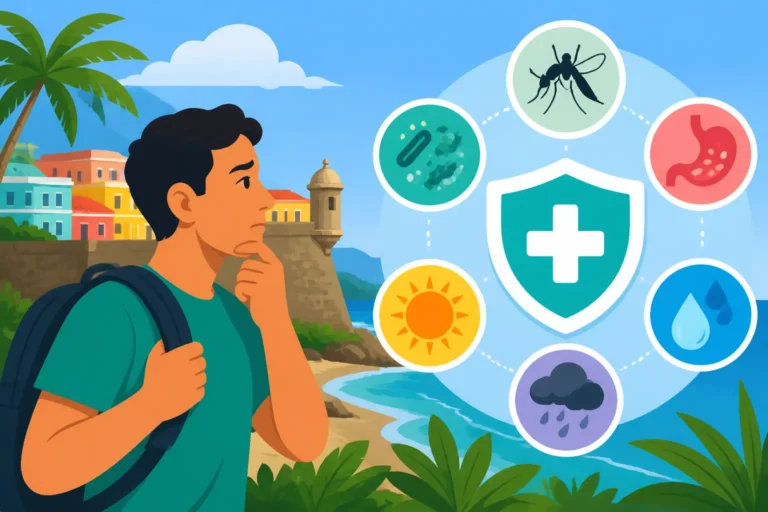
Living in the Caribbean is paradise, but it comes with its own set of environmental considerations. The sun is intense, the bugs are persistent, and humidity is a constant companion. Your medical kit needs to reflect these realities, preparing you for the elements that are unique to island life.
Sun Protection and Aftercare
The sun in Puerto Rico is no joke. Even on cloudy days, UV rays are powerful enough to give you a serious burn if you're not careful. Many newcomers turn lobster-red on their first beach day, despite thinking they were well-protected. Sunscreen with a high SPF (30-50 minimum, higher for prolonged exposure) is an absolute must-have.
Beyond prevention, pack plenty of aloe vera gel or a good after-sun lotion. If you do get a sunburn, soothing your skin immediately can prevent further damage and make you much more comfortable. I also recommend a wide-brimmed hat and UV-protective clothing, which, while not strictly "medical kit" items, are essential for sun safety. Having a variety of sunscreens, including a reef-safe option for when you hit the beaches, is a good idea.
Insect Repellents and Bite Relief
Mosquitoes, jejenes (no-see-ums or sand flies), and other biting insects are an inescapable part of life in Puerto Rico, especially in more rural areas or around dawn and dusk. Beyond being annoying, they can carry diseases like dengue, Zika, or chikungunya, though these are less prevalent now. A strong insect repellent containing DEET, picaridin, or oil of lemon eucalyptus is absolutely essential.
Even with repellent, you're bound to get a few bites. Pack hydrocortisone cream or an anti-itch cream to calm those maddening itches and reduce swelling. Calamine lotion can also be very soothing for widespread bites. Don't underestimate the power of a good anti-itch stick! For more severe reactions, a stronger topical cream might be needed, but for most bites, these over-the-counter solutions work wonders. Having these on hand saves you from suffering through days of incessant itching.
Water and Hygiene Concerns
While urban areas in Puerto Rico generally have potable tap water, some people with sensitive systems or those moving to more remote, rural areas might experience initial adjustment issues. Carrying a personal water filter or water purification tablets can offer peace of mind, especially if you're unsure about the water quality in your specific rental or if you plan on exploring off-the-beaten-path destinations.
Beyond water, basic hygiene is crucial for preventing illness. Hand sanitizer is a given, but also think about antiseptic wipes for cleaning surfaces or minor cuts on the go. While you’ll be covered by local health insurance like a Vital Plan if you qualify, or a private plan from a provider like Triple-S or MCS, having your own solutions for immediate concerns reduces the need for urgent care visits. Having robust coverage, even an international travel and medical insurance like SafetyWing in those initial transition periods, can also provide a solid backup for unexpected medical needs while you are sorting out your permanent health insurance in Puerto Rico. Check out our guide on how to get health insurance when you move to Puerto Rico for more details on this process.
Essential First Aid and Emergency Preparedness
Even in paradise, accidents happen. A clumsy stumble, a minor burn while cooking, or a scraped knee from exploring can easily occur. Being prepared for these small mishaps with a well-stocked first aid section in your medical kit can prevent minor issues from becoming bigger problems and keep you comfortable until you can seek professional care if needed.
Wound Care Basics
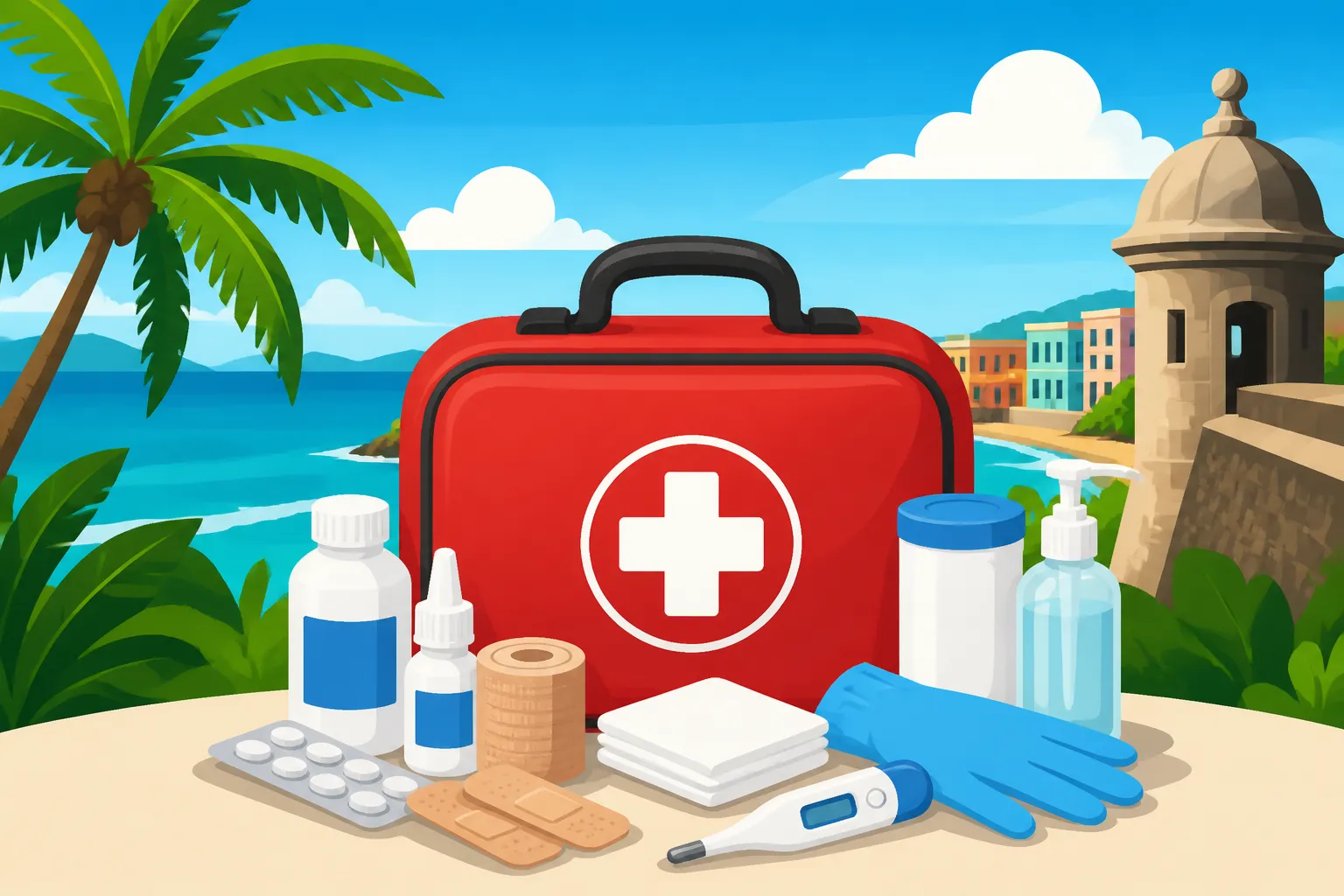
Every home medical kit needs the essentials for treating cuts, scrapes, and minor wounds. A variety of adhesive bandages (band-aids) in different sizes, including some waterproof ones, are indispensable. Pair these with antiseptic wipes or a small bottle of rubbing alcohol or hydrogen peroxide to clean wounds thoroughly.
Don't forget sterile gauze pads and medical tape for larger cuts or abrasions. A good antibiotic ointment (like Neosporin or Bacitracin) applied after cleaning can help prevent infection. Small scissors (blunt-tipped, if possible) and tweezers are also crucial for cutting tape or removing splinters. These simple items can save you a trip to a local clinic for something easily managed at home. For more serious injuries that might require professional medical attention, it's good to know about Emergency Medical Care in Puerto Rico: What Every Resident Needs to Know.
Sprains, Strains, and Bruises
Uneven sidewalks, unexpected potholes, and simply being more active in your new environment can lead to a twisted ankle or a strained muscle. Having supplies for these common injuries will be a blessing. Elastic bandages are excellent for providing support and compression to sprains.
Instant cold packs are great for immediate relief of swelling and pain, especially when you might not have access to a freezer or ice right away. Muscle rubs (like Bengay or Icy Hot) can offer soothing relief for aches and pains. A good analgesic cream or spray can provide temporary comfort. While you hope you won't need them, these items can make a big difference in your comfort levels during recovery. Should you need to visit an emergency room, understanding How Much Does an Emergency Room Visit Cost in Puerto Rico? can help manage expectations.
Emergency Tools and Supplies
Beyond direct medical treatment, a few general tools can be incredibly helpful in a medical emergency or a power outage, which unfortunately still happen from time to time in Puerto Rico. A reliable flashlight or headlamp (with extra batteries!) is a must-have, especially when dealing with power fluctuations. The Newcomer's Guide to Setting Up Utilities (LUMA/AAA) in Puerto Rico touches on these utility realities.
A battery bank for charging your phone ensures you can call for help or look up information, even if the power is out. A whistle can be used to signal for help. If you have specific medical conditions, consider a medical alert bracelet. Also, a basic first aid manual or quick-reference guide can be invaluable if you're faced with an unfamiliar situation and need immediate advice. Remember, for severe emergencies, knowing What Is the Emergency Phone Number in Puerto Rico? (it's 911, same as the mainland US) is critical. In the rare instance of a major emergency or natural disaster, having comprehensive travel and medical insurance like SafetyWing can offer an additional layer of security, especially if you're not yet fully integrated into the local healthcare system.
Personal Medications and Specialized Needs
Beyond the general over-the-counter items, your medical kit must cater to your personal health profile. This is where personalized planning truly comes into play, ensuring continuity of care and preventing unnecessary stress during your transition to island life.
Prescription Powerhouse
This is perhaps the most critical section for anyone with ongoing medical conditions. Do not move to Puerto Rico without at least a 30-day supply (preferably 60-90 days) of all your prescription medications. It takes time to find a new doctor, get new prescriptions written, and navigate the local pharmacy system. While most major pharmacies like CVS and Walgreens have a presence here, specific brands or dosages might differ, or require special ordering.
It's also essential to carry physical copies of your prescriptions, or at the very least, a comprehensive list of all your medications, dosages, and prescribing doctors. This information will be invaluable for your new physician in Puerto Rico. Keep these medications in their original containers. For a deeper dive into how this system works, be sure to read Prescription Medications and Pharmacies in Puerto Rico: The Complete Guide. Don't forget that if you get sick before your local insurance starts, having some temporary international health coverage like SafetyWing can be a true lifesaver for unexpected medical consultations or refills.
Vision and Dental Care
These are often overlooked until a problem arises. If you wear glasses or contact lenses, bring an extra pair of both. Losing or breaking your primary pair can be a huge hassle, and getting a new prescription and fitting takes time. Pack extra contact solution and any specific eye drops you use.
For dental care, a small dental repair kit (for temporary filling repair or reattaching a crown) can buy you time until you can see a dentist. Minor toothaches or gum irritations can be managed with over-the-counter pain relievers and antiseptic mouthwash until a proper appointment can be made. It's a small inclusion that can prevent a lot of discomfort.
Chronic Conditions and Specific Needs
If you manage a chronic condition like diabetes, asthma, severe allergies, or heart conditions, your medical kit needs to be tailored to your specific requirements. Diabetics should ensure they have extra insulin, test strips, and glucose tablets. Asthmatics need extra inhalers and possibly a nebulizer if regularly used. Those with severe allergies should carry at least two EpiPens, especially as you encounter new flora and fauna.
Consider any other specific medical supplies you regularly use, such as specialized dressings, monitoring devices, or specific over-the-counter supplements. It's always best to have more than you think you'll need, especially during the initial months when you're establishing your new healthcare network. Understanding The Complete Guide to Healthcare in Puerto Rico for New Residents (2027) will be a vital resource during this transition. Remember, the cost of healthcare here, as detailed in The Cost of Healthcare in Puerto Rico: A Complete Breakdown for Newcomers (2026), can be surprising without proper planning.
Summary of Recommended Home Medical Kit Items
Here’s a quick overview of what to pack, by category, to ensure you're well-prepared for life in Puerto Rico:
| Category | Essential Items | Puerto Rico Specifics / Considerations |
|---|---|---|
| Pain & Fever | Acetaminophen, Ibuprofen, Thermometer | Headaches from stress/heat, general aches. |
| Allergy & Cold | Antihistamines (non-drowsy & drowsy), Decongestants, Cough Syrup, Saline Spray | New allergies from tropical flora, dust, humidity. |
| Digestive Health | Anti-diarrheal, Antacids, Oral Rehydration Salts, Laxatives | "Traveler's tummy," diet changes, dehydration risk in heat. |
| Sun & Skin | High SPF Sunscreen (reef-safe options), Aloe Vera Gel, After-Sun Lotion | Intense tropical sun, sunburn prevention & relief. |
| Insect Bites | DEET/Picaridin Repellent, Hydrocortisone Cream, Anti-itch Cream/Stick, Calamine Lotion | Mosquitoes, no-see-ums; prevention of vector-borne illnesses, bite relief. |
| Wound Care | Assorted Bandages, Antiseptic Wipes, Antibiotic Ointment, Sterile Gauze, Medical Tape, Small Scissors, Tweezers | Minor cuts/scrapes from everyday life. |
| Sprains & Strains | Elastic Bandages, Instant Cold Packs, Muscle Rub/Analgesic Cream | Uneven terrain, increased activity, minor falls. |
| Personal Rx & Needs | 30-90 Day Supply of Prescriptions, Copies of Prescriptions, Extra Glasses/Contacts & Solution, Basic Dental Repair Kit | Transition time for doctors/pharmacies, continuity of care. |
| Emergency Preparedness | Flashlight, Extra Batteries, Portable Charger for Phone, Whistle, First Aid Manual | Power outages, natural disaster preparedness, general safety. Understanding How to Prepare Your Home for Hurricane Season in Puerto Rico |
Disclaimer
The information provided in this guide is intended for general informational purposes only and does not constitute medical advice. It is essential to consult with a qualified healthcare professional for any health concerns or before making any decisions related to your health or treatment. Always follow the advice of your doctor or other medical professional. We are not medical professionals and cannot provide medical guidance. While we strive to provide accurate and up-to-date information, local regulations, product availability, and medical recommendations can change.