What Health Risks Should Newcomers Be Aware of in Puerto Rico?
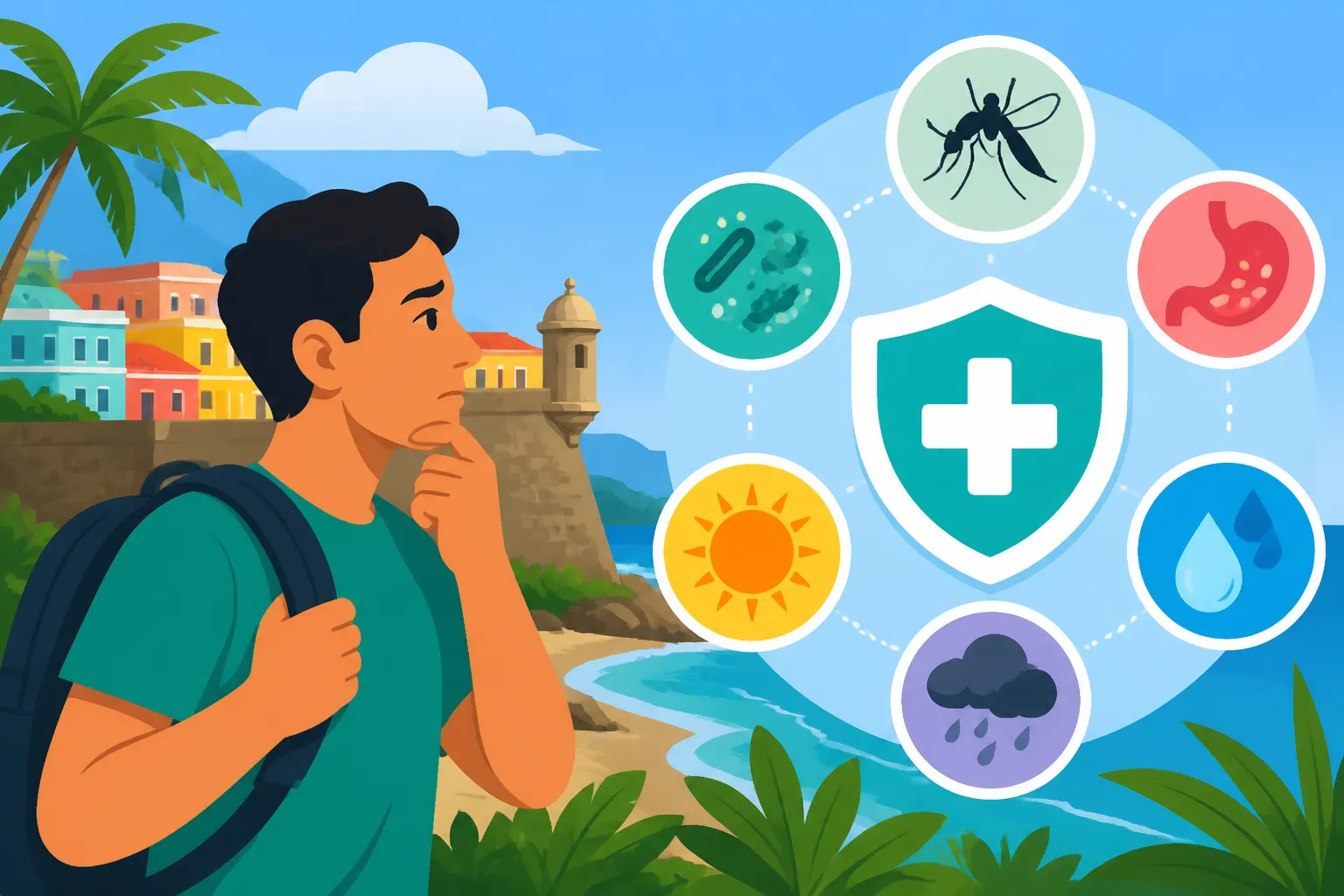
Moving to a new place is exhilarating, but let's be honest, it's also a logistical and emotional marathon, especially when you start thinking about the unknowns like healthcare and potential health issues. The last thing you want is to arrive in paradise only to be sidelined by an unexpected illness or struggle to find proper medical care. This guide is here to walk you through the common health risks newcomers should be aware of in Puerto Rico, from pesky mosquitos to navigating the local healthcare system, so you can settle in with peace of mind.
Understanding Environmental and Vector-Borne Risks
When you arrive in Puerto Rico, you're stepping into a vibrant, tropical environment. While stunningly beautiful, this climate also brings with it certain environmental factors and creatures that can impact your health in ways you might not be used to on the mainland. It's not about fear-mongering, but about being informed and prepared.
Mosquito-Borne Illnesses: Dengue, Zika, and Chikungunya
Ah, the charming mosquito. They’re everywhere in the tropics, and Puerto Rico is no exception. These little buzzers aren't just annoying; they can carry some serious illnesses like Dengue fever, Zika virus, and Chikungunya. I remember when Zika was really active a few years back; it was a constant topic of conversation among expats, especially for those who were pregnant or planning to be.
Dengue, for instance, can range from a mild, flu-like illness to a severe, life-threatening condition. Symptoms often include high fever, severe headache, joint and muscle pain, and a rash. Zika is famous for its link to birth defects, while Chikungunya brings on debilitating joint pain that can last for weeks or even months. The key takeaway here is prevention: use good insect repellent (look for DEET or picaridin), wear long sleeves and pants, especially during dawn and dusk, and make sure your screens on windows and doors are intact. Standing water is a mosquito breeding ground, so be vigilant about emptying any containers around your home. You'll quickly learn that a good fan can be your best friend, both for cooling and for keeping those little vampires at bay.
Sun Exposure and Heat-Related Issues
Coming from cooler climates, the Caribbean sun can be deceptively intense. It’s glorious, yes, but it’s also a powerful force that demands respect. Sunburn isn't just uncomfortable; repeated severe sunburns significantly increase your risk of skin cancer. And beyond that, heat exhaustion and heat stroke are real dangers, especially when you’re still acclimating or if you're engaging in physical activity outdoors.
Many newcomers underestimate the sun, ending up lobster-red on their first beach day. Hydration is absolutely critical here. Always carry water with you, even if you’re just running errands. Wear wide-brimmed hats, sunglasses, and lightweight, light-colored clothing that covers your skin. Seek shade during the peak sun hours, usually between 10 AM and 4 PM. If you start feeling dizzy, nauseous, or experiencing headaches, get out of the sun immediately, hydrate, and cool down. Your body will thank you for taking it easy and protecting your skin.
Water Contact Risks: Leptospirosis and Ciguatera
While we all dream of swimming in crystal-clear Caribbean waters, there are a couple of lesser-known risks associated with water contact that newcomers should be aware of. Leptospirosis is a bacterial disease spread through the urine of infected animals, often found in contaminated freshwater (rivers, lakes, puddles) or wet soil. If you have any open cuts or scrapes, it’s best to avoid swimming in natural freshwater bodies, especially after heavy rains when runoff is higher. Symptoms can range from mild (fever, headache, muscle aches) to severe, affecting the kidneys, liver, or even causing meningitis.
Then there’s Ciguatera fish poisoning, a marine toxin that can accumulate in certain reef fish. It’s not common, but it can be quite nasty if you happen to consume an affected fish. Symptoms can be neurological, gastrointestinal, and cardiovascular, often appearing within hours of eating contaminated fish and sometimes lasting for weeks or months. It's difficult to predict, as the toxin doesn't affect the taste or appearance of the fish. This is why many locals exercise caution when eating certain larger reef fish, especially barracuda, snapper, and grouper. It’s always a good idea to buy your fish from reputable local vendors and ask about the source. This is a subtle risk, but one that definitely underscores the importance of being aware of local food practices and recommendations.
Navigating Food, Water, and Infrastructure Safety
Settling into a new place means adapting to new daily routines, and that often includes how you approach food and water. Puerto Rico, like any place, has its quirks and challenges, especially when it comes to infrastructure, that can indirectly impact your health.
Tap Water Quality and Recommendations
This is a question I get asked all the time: "Is the tap water safe to drink in Puerto Rico?" For the most part, the public water system (operated by the Autoridad de Acueductos y Alcantarillados, or AAA) is treated and considered potable. However, "potable" doesn't always mean it tastes great, or that it's consistently free of issues, especially after heavy rainfalls or infrastructure problems. I personally know many expats who filter their tap water, and many others who exclusively drink bottled water.
In the San Juan metropolitan area and other larger towns, the water quality tends to be more consistent. But in more rural areas, or older buildings, you might encounter issues. My advice? Start with bottled water or a good water filter (like a Brita or a more robust under-sink system) for drinking and cooking. Pay attention to local news about water advisories, especially after storms. It’s better to be safe than sorry, and it helps to avoid any digestive upsets while your body adjusts. It's a small change that can make a big difference in your daily comfort. For more details on this, you might find our guide on The Newcomer's Guide to Setting Up Utilities (LUMA/AAA) in Puerto Rico helpful, as it dives into the specifics of water service.
Foodborne Illnesses and Local Dining
Part of the joy of living in Puerto Rico is diving into the incredible local cuisine. From mofongo to lechón, the food is a highlight. However, as with any new environment, your stomach might need a little time to adjust to different bacteria, preparation methods, and ingredients. Foodborne illnesses can certainly happen if food isn't handled or cooked properly.
When trying street food or new restaurants, especially outside of tourist-heavy areas, use your best judgment. Look for places that seem clean, have a good turnover of customers, and where food is served hot. Wash your hands frequently, especially before eating. If you’re cooking at home, practice good food safety – cook meats thoroughly, refrigerate perishables promptly, and wash fruits and vegetables well, even if you're going to peel them. Raw seafood or undercooked meats, in particular, should be approached with caution, especially when you’re first getting used to the local scene. Don't be afraid to ask questions about how food is prepared, especially if you have a sensitive stomach.
Dealing with Power Outages and Food Spoilage
One aspect of life in Puerto Rico that can take some getting used to is the occasional, and sometimes prolonged, power outage. While improvements are constantly being made with LUMA Energy, it’s still a reality you should be prepared for. Power outages, of course, have a direct impact on food safety, particularly for refrigerated and frozen items.
A prolonged outage means your fridge and freezer eventually warm up, and food can spoil quickly. This isn't just an inconvenience; consuming spoiled food can lead to nasty food poisoning. My best advice: keep a cooler with ice handy for emergencies. Limit opening your refrigerator and freezer doors during an outage to keep the cold in as long as possible. If an outage lasts more than a few hours, start thinking about what needs to be cooked immediately or discarded. When in doubt, throw it out. Investing in a good quality cooler and having a supply of non-perishable foods and bottled water is a smart move for any newcomer. Knowing How to Prepare Your Home for Hurricane Season in Puerto Rico is also vital, as extended outages are more common during that time.
Healthcare System Navigation and Emergency Preparedness
Even if you’re generally healthy, understanding the local healthcare landscape is paramount. The system might operate differently than what you're accustomed to, and being prepared for emergencies is crucial for your peace of mind and well-being.
Language Barriers and Communication Gaps
While many medical professionals in Puerto Rico, particularly in urban areas and private hospitals, speak English, it's not a universal guarantee. This can become a significant hurdle during a medical emergency or when trying to explain complex symptoms. Imagine trying to articulate a very specific pain or a reaction to medication when you're already feeling unwell and there's a language barrier. It's incredibly frustrating and stressful.
Having some basic medical Spanish phrases down can be a lifesaver, and it shows respect for the local culture. Consider downloading a translation app on your phone. If you have a serious or ongoing condition, try to find an English-speaking doctor early on. In major private hospitals like Auxilio Mutuo, Ashford Presbyterian Community Hospital, or HIMA San Pablo, you’ll generally find staff proficient in English. But for smaller clinics or more rural settings, be prepared. Don’t hesitate to bring a friend or family member who speaks Spanish if you feel it’s necessary for an important appointment. It's all about ensuring clear communication for your care. You can find more tips on How to Find an English-Speaking Doctor in Puerto Rico.
Understanding Insurance and Access to Care
One of the biggest anxieties for any newcomer is figuring out health insurance. Does your mainland plan work here? What are the local options? The good news is that as a U.S. territory, U.S. citizens can generally navigate the system, but it’s not always straightforward. Many mainland insurance plans offer limited or no coverage in Puerto Rico, treating it as international travel. This means you might be paying out-of-pocket for services or facing lengthy reimbursement processes.
It’s absolutely critical to understand your coverage before you need it. Many expats opt for a local private health insurance plan, often from companies like MMM, Humana, or MCS, which are major players here. These plans will give you access to a network of doctors and hospitals on the island. For short-term coverage or travel insurance, especially when first arriving or for specific situations, a provider like SafetyWing can be a pragmatic option, offering flexible plans that cover medical emergencies and other travel-related incidents while you sort out your long-term local plan. You absolutely need to research Health Insurance in Puerto Rico: Plans, Costs and Options Explained to ensure you're adequately covered. Don't wait until you're sick to figure this out!
Emergency Preparedness: Natural Disasters and Medical Situations
Living in the Caribbean means living with the reality of hurricane season. While these aren't "health risks" in the traditional sense, they certainly impact your access to healthcare and can create challenging medical situations. Beyond hurricanes, the general infrastructure can sometimes be unpredictable, meaning roads might be impassable or services temporarily disrupted.
Having an emergency kit that includes essential medications, a first-aid kit, a battery bank for charging phones, and a supply of bottled water and non-perishable food is not optional; it’s a necessity. Know the emergency numbers – 911 works here just like on the mainland. Identify the nearest hospital or urgent care center to your home. If you have chronic conditions, ensure you have an extra supply of medication. During a major storm, immediate emergency services might be delayed due to severe conditions. Being proactive about emergency preparedness for both natural disasters and personal medical situations will significantly reduce stress and improve your safety. Our guide on Emergency Medical Care in Puerto Rico: What Every Resident Needs to Know provides a deeper dive into handling medical emergencies on the island.
Specific Illnesses and Prevention Strategies
Beyond the common environmental factors, there are other specific health considerations and general best practices that newcomers should adopt to stay healthy in their new home.
Respiratory Issues: Mold and Allergies
Puerto Rico’s tropical, humid climate is fantastic for lush greenery, but it's also a breeding ground for mold. Many homes, especially older ones, can develop mold issues, which can trigger respiratory problems, allergies, asthma, and other health concerns. If you’re susceptible to allergies or have existing respiratory conditions, this is something you’ll need to be particularly vigilant about.
When looking for housing, pay close attention to any musty smells or visible signs of mold. Good ventilation is key – open windows when possible, use exhaust fans, and consider investing in a dehumidifier, especially during the rainy season. Air purifiers can also help. Beyond mold, the island's diverse flora means new pollen and allergens that your body might not be accustomed to. It's not uncommon for newcomers to develop new allergies or find existing ones exacerbated. Over-the-counter allergy medications are readily available in local pharmacies, but if symptoms persist, consult a local doctor.
Minor Cuts and Tropical Infections
Living a more active, outdoor lifestyle often means more bumps, scrapes, and cuts. In a tropical environment, however, even a minor cut can become a bigger problem if not cared for properly. The humidity and warmth can accelerate bacterial growth, and certain bacteria thriving in these conditions might be different from what you’re used to.
Always clean and disinfect any cuts or scrapes immediately and thoroughly. Keep them covered, especially if you're swimming or spending time outdoors where dirt or insects could contaminate them. Watch for signs of infection like redness, swelling, increased pain, or pus. Don't let a small wound fester; if it looks suspicious, get it checked by a doctor or visit an urgent care clinic. Pro Tip: keep a good supply of antiseptic wipes and antibiotic ointment in your home first-aid kit. It’s always better to over-treat a minor wound here than to under-treat it.
Vaccination Considerations
Before moving to Puerto Rico, it's a good idea to ensure your routine vaccinations are up to date. While there aren't typically specific vaccinations required for entry from the mainland U.S., reviewing your immunization status with your doctor is a smart preventative measure. This includes common vaccines like MMR (measles, mumps, rubella), Tdap (tetanus, diphtheria, pertussis), and influenza.
Considerations for Hepatitis A and B are also often recommended, especially given the potential for different food and water exposures. Some doctors might also suggest talking about the Typhoid vaccine if you plan on extended stays in more rural areas or if you’re particularly adventurous with local street food. And of course, given the mosquito-borne illnesses we discussed, while there aren’t vaccines for all of them yet (Zika, for instance), being informed about any developing vaccines or preventative measures is wise. It’s all about empowering yourself with knowledge to stay healthy. You might also want to look into Understanding Childhood Vaccination Requirements in Puerto Rico if you're moving with children.
Mental Health and Adjustment: Beyond the Physical
While the physical health risks are important to address, the mental and emotional toll of relocating to a new country, even one that’s part of the U.S., is often underestimated. Your mental well-being is just as crucial as your physical health.
Culture Shock and Isolation
Moving to Puerto Rico, while often seen as a seamless transition for U.S. citizens, can still bring on significant culture shock. The language, the pace of life, the bureaucratic processes, and even social norms can be very different from what you're used to. This can lead to feelings of frustration, confusion, and even isolation. Many newcomers who, despite being surrounded by beauty, experienced deep loneliness in their first year or so.
It's completely normal to feel overwhelmed. Give yourself grace and time to adjust. Seek out expat groups, engage with locals, and try to learn some Spanish. Building a support network is incredibly important. Attend community events, join clubs, or volunteer – anything that helps you connect with others and feel a part of the community. Acknowledging these feelings rather than suppressing them is the first step towards managing them effectively. Remember, everyone’s adjustment journey is unique, and it’s okay to have tough days.
Finding Mental Health Resources
Just as with physical health, access to mental health services is crucial. While mental health awareness is growing in Puerto Rico, finding English-speaking therapists or counselors, especially outside of major cities, can be a challenge. The stigma around mental health can also be a factor, which might make it harder to find openly advertised resources.
Many private health insurance plans, including those from local providers like MCS or Humana, do offer mental health coverage, but you'll need to check your specific plan for details on therapists, co-pays, and network availability. Telehealth has become a more accessible option, allowing you to connect with therapists remotely, sometimes even mainland-based ones if your insurance allows. However, do check local licensing requirements. Don't hesitate to reach out if you're struggling. There are English-speaking professionals on the island, especially in San Juan. Asking for recommendations within expat communities or through your primary care doctor can be a good starting point for How to Access Mental Health Services in Puerto Rico.
| Health Risk Category | Common Examples | Symptoms to Watch For | Prevention & Mitigation |
|---|---|---|---|
| Vector-Borne | Dengue, Zika, Chikungunya | Fever, rash, joint pain, headache | Repellent, protective clothing, eliminate standing water |
| Environmental | Sunburn, Heatstroke, Mold exposure | Red skin, dizziness, respiratory issues | Sunscreen, shade, hydration, dehumidifiers, ventilation |
| Food & Water | Leptospirosis, Food poisoning, Ciguatera | Fever, GI upset, muscle aches, neurological symptoms | Filtered water, food safety, reputable vendors, avoid certain fish |
| Healthcare Access | Language barriers, Insurance gaps, Emergency delays | Communication issues, unexpected costs, delayed care | Learn Spanish phrases, secure local insurance, emergency kit, research hospitals |
| Infections | Tropical infections from cuts | Redness, swelling, pus, persistent pain | Clean and cover wounds, disinfect immediately |
| Mental Well-being | Culture shock, Isolation | Frustration, loneliness, anxiety, mood changes | Build community, learn local customs, seek mental health support |
Disclaimer
The information provided in this guide is intended for general informational purposes only and does not constitute medical advice. It is essential to consult with qualified healthcare professionals in Puerto Rico for personalized medical guidance, diagnoses, and treatment plans. Healthcare regulations, services, and best practices can change, and individual health needs vary. Always seek the advice of a physician or other qualified health provider with any questions you may have regarding a medical condition.