What Should I Do in a Medical Emergency in San Juan?
Imagine you are waking up in the middle of the night in a quiet Airbnb in Miramar or a condo in Condado, feeling a sudden, sharp pain that you know requires immediate attention. Navigating a medical emergency is terrifying enough in your home city, but in San Juan, the added layers of a different administrative system, potential language barriers, and a unique healthcare infrastructure can make a stressful situation feel overwhelming. This guide is designed to walk you through exactly what to do, which hospitals to trust, and how to handle the logistics so you can focus on getting the care you need without the panic.
The First Response: Navigating the 911 System in San Juan
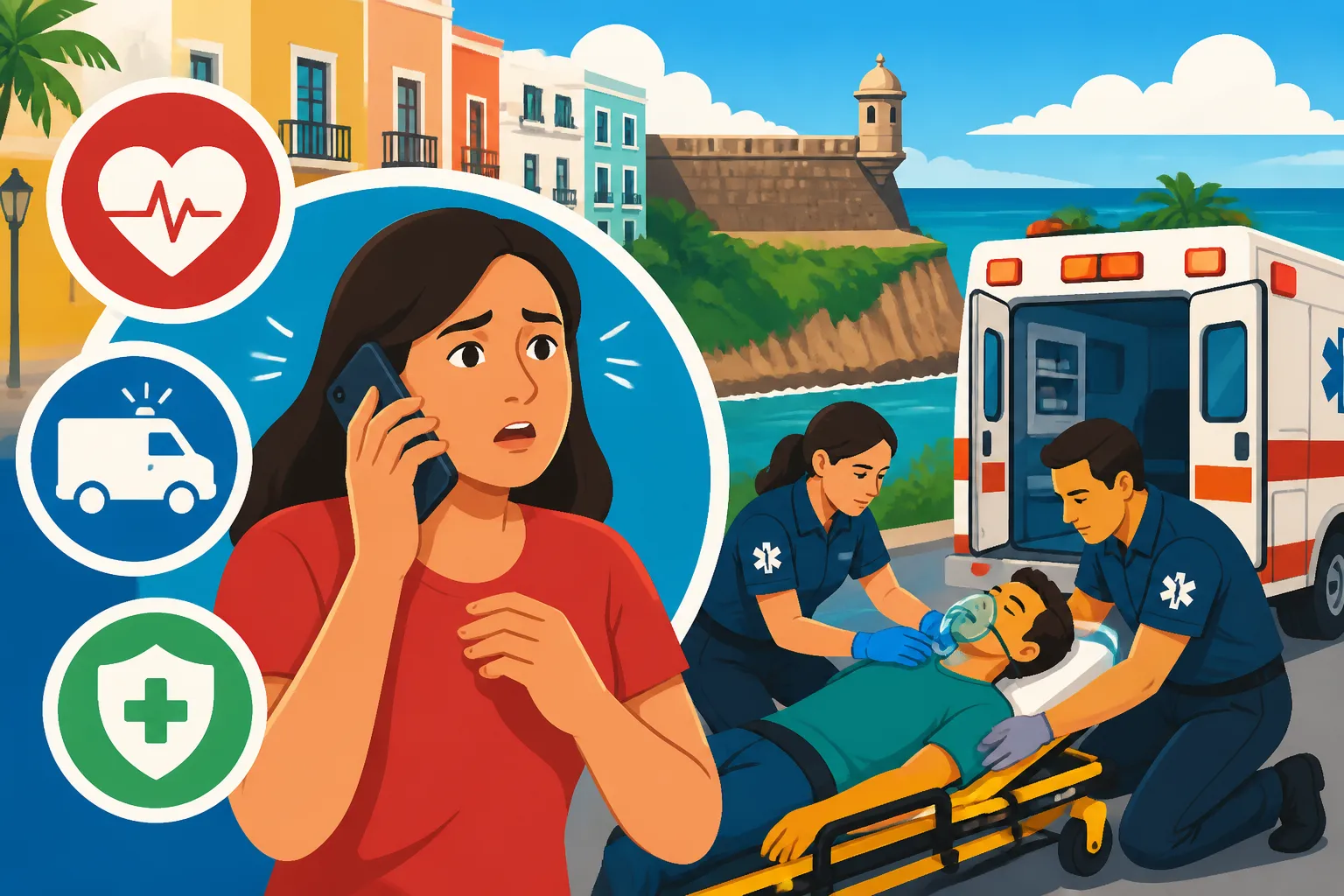
When the unthinkable happens, your first instinct is likely to dial 911. In Puerto Rico, 911 is the standard emergency number, just as it is on the mainland. However, as someone who has lived here through various systemic shifts, I have to be honest with you: the experience may not always be identical to what you expect in a major mainland city. Dispatchers are generally bilingual, but in moments of high stress, having a few Spanish phrases for your address and the nature of the emergency can be a lifesaver.
One of the biggest frustrations for newcomers is the dispatch time. Depending on where you are in San Juan and the current traffic conditions—which, let’s be real, can be a nightmare in areas like Santurce or Hato Rey—an ambulance might take longer than you anticipate. If the situation is critical but the person is stable enough to be moved, many locals will tell you that jumping in an Uber or having a friend drive you to the nearest private ER is often faster than waiting for a municipal ambulance.
If you are a traveler or a digital nomad just arriving on the island, having a backup plan like SafetyWing can provide some peace of mind, as they understand the complexities of international medical logistics. Knowing that you have a support system for the "what ifs" is essential when you are still learning the local ropes. You should also familiarize yourself with Emergency Medical Care in Puerto Rico: What Every Resident Needs to Know to understand the broader context of how the island handles acute crises.
Identifying Your Location for Dispatchers
When you call 911, be prepared to give landmarks. While GPS is used, San Juan addresses can be notoriously tricky, especially in older parts of the city or in gated communities (urbanizaciones) where street names might repeat. Tell the dispatcher the name of the neighborhood, any nearby businesses, or major intersections. For example, "I am in Condado near the Ventana al Mar park" is much more helpful than just giving a building number that might be obscured by tropical foliage.
Private Ambulance Services
If you have a chronic condition or are managing a high-risk pregnancy, you might want to keep the numbers of private ambulance companies saved in your phone. Companies like San Juan Health Center or private municipal services often provide a more predictable response time for non-trauma but urgent needs. This is particularly relevant if you are Understanding Maternity Care and Coverage in Puerto Rico and want to ensure you have a dedicated plan for getting to your chosen hospital when the time comes.
Choosing the Right Hospital: Private vs. Public
In San Juan, you generally have two paths: the public system and the private system. For a medical emergency, unless you are involved in a major trauma that requires the specialized equipment at Centro Médico (the island's massive public trauma hub in Río Piedras), you will likely want to head to a private hospital. The private facilities in San Juan are excellent, with many physicians trained at top-tier mainland universities.
The public emergency rooms, often called CDTs (Centros de Diagnóstico y Tratamiento), are located in almost every municipality. While they are vital for the local community, they are often underfunded and have significantly longer wait times. For a newcomer or a tourist, the private system is almost always the preferred route for speed and comfort. You should look into The Guide to Choosing a Private Hospital in Puerto Rico to see which facility aligns best with your specific location and potential needs.
Ashford Presbyterian Community Hospital (El Presby)
Located right in the heart of Condado, "El Presby" is the go-to for many expats and tourists. It is highly accessible, and the staff is accustomed to working with English-speaking patients. It is particularly well-regarded for its maternity ward and its proximity to the main tourist zones. If you are staying in Condado or Ocean Park, this is likely your closest reliable ER.
Auxilio Mutuo
Situated in Hato Rey, Auxilio Mutuo is one of the premier private hospitals on the island. It is a massive complex with specialized wings for almost every conceivable ailment. While it can feel a bit like a maze, the quality of care is top-notch. It is often the choice for those who are Understanding the Difference Between Mainland and Puerto Rico Health Plans and want a facility that feels most similar to a large mainland medical center.
Hospital Pavia Santurce
Pavia is another excellent private option located in the Santurce district. They have a strong reputation for cardiology and emergency care. If you are living in Miramar or Santurce, Pavia is often the most logical choice. They are part of a larger network, so if you require a transfer to a specialist, the process is usually smoother within their system.
The ER Experience: Triage, Paperwork, and Language
Walking into an ER in San Juan can be a bit of a culture shock if you aren't prepared. First, the air conditioning is usually set to "arctic." If you are heading to the ER, grab a sweater or a light jacket—you will thank me later. Second, the "clipboard culture" is alive and well. Even in an emergency, there is a significant amount of paperwork to navigate.
The triage process follows the standard medical urgency protocols. If you are there with a broken arm but someone comes in with a heart attack, you will be waiting. Wait times in San Juan ERs can vary wildly. On a Tuesday morning, you might be in and out in two hours; on a Saturday night, be prepared for a six-hour marathon. For more on this, read How Long Are Wait Times at Public Hospitals in Puerto Rico? to manage your expectations.
Documentation You Must Have
When you arrive, the admissions clerk will ask for your ID and your insurance card. If you are using mainland insurance, make sure you have the physical card or a very clear digital copy. Not all mainland plans are accepted everywhere, although emergency stabilization is required by law. For those using SafetyWing, keep your policy number and the international claims instructions handy. The staff may not have seen every international provider, so being able to show them the coverage details in plain text is incredibly helpful.
The Language Barrier in the ER
While many doctors in San Juan are fluent in English, the administrative staff, nurses, and technicians may primarily speak Spanish. Do not let this discourage you. In a medical emergency, the focus is on clinical signs. However, having a translation app on your phone can bridge the gap for smaller details, like explaining a specific allergy or the timing of your last meal. If you are worried about this, checking How to Find an English-Speaking Doctor in Puerto Rico ahead of time can help you identify which hospitals have the highest concentration of bilingual staff.
Costs and Financial Considerations in an Emergency
One of the biggest anxieties for anyone facing a medical crisis is the bill that follows. In Puerto Rico, the cost of healthcare is generally lower than on the mainland, but it is still expensive if you are uninsured. If you are a resident, your local plan (like Triple-S or MCS) will have specific co-pays for emergency room visits. If you are a visitor, you may be asked to pay a deposit upfront if your insurance cannot be immediately verified.
Most private hospitals in San Juan accept major credit cards. It is rare for an ER to require cash, but it is always wise to have a small amount on hand for incidentals like the hospital pharmacy or a taxi home. For a deep dive into the financial side, The Cost of Healthcare in Puerto Rico: A Complete Breakdown for Newcomers (2026) is an essential resource.
| Hospital Name | Location | Primary Language | Best Known For |
|---|---|---|---|
| Ashford Presbyterian | Condado | English/Spanish | Accessibility, Maternity, Tourist-friendly |
| Auxilio Mutuo | Hato Rey | Spanish/English | Specialized Surgery, Oncology, Size |
| Hospital Pavia | Santurce | Spanish/English | Cardiology, Local Network |
| Centro Médico | Río Piedras | Spanish | Level 1 Trauma, Complex Emergencies |
| San Jorge Children's | Santurce | English/Spanish | Pediatric Emergencies |
Dealing with Out-of-Network Billing
If you find yourself at a hospital that doesn't "take your insurance," remember that for a true emergency, they must stabilize you. However, once you are stable, they may suggest transferring you to an in-network facility. This is where Understanding Provider Networks and In-Network Care in Puerto Rico becomes vital. If you are using a global plan like SafetyWing, they often act as a secondary or primary payer for these types of sudden events, helping to mitigate the "out-of-network" sting.
Specialized Emergencies: Kids, Dental, and Mental Health
Not every emergency is a physical injury. If you have children, the landscape changes slightly. San Jorge Children's Hospital in Santurce is the premier pediatric facility in the Caribbean. If your child has a high fever or an injury, skip the general ERs if you can and head straight there. The environment is designed for kids, and the specialists are top-notch.
For dental emergencies, things get a bit trickier. Most hospital ERs do not have a dentist on call unless it involves major facial trauma. You will likely need to find a private clinic that offers emergency hours. You can find more info on this in How to Access Emergency Dental Care in Puerto Rico.
Mental health crises also require a specific approach. While general ERs can provide initial stabilization, specialized facilities like Hospital Panamericano offer more dedicated psychiatric emergency services. Navigating this can be complex, so I recommend reading How to Access Mental Health Services in Puerto Rico before you are in the middle of a crisis.
Following Up After the Emergency
Once the immediate crisis has passed, your work isn't quite done. You will need to ensure that your medical records are accessible for follow-up care. Most hospitals in San Juan use electronic records, but getting them transferred to a mainland doctor or even a different local specialist can require some persistence.
Ask for a physical copy of your discharge papers, any imaging results (on a CD or via a digital portal), and a list of administered medications before you leave the hospital. This is a common pain point for expats who move between systems. For a step-by-step on this, see How Do I Access My Medical Records in Puerto Rico?.
If you were prescribed medications, you will need to find a 24-hour pharmacy. In the San Juan metro area, certain CVS and Walgreens locations remain open 24/7, but they are fewer than you might expect. Always ask the hospital social worker or the discharge nurse for the nearest open pharmacy before you head out into the night. You can also refer to Prescription Medications and Pharmacies in Puerto Rico: The Complete Guide for a list of reliable locations.
Lastly, if you had to pay out of pocket, keep every single receipt. Whether you are claiming through a local plan or an international provider like SafetyWing, the documentation requirements are strict. You will need the itemized bill (factura detallada), not just the credit card receipt. Understanding How to Claim Reimbursement from Your Health Insurer in Puerto Rico will save you hours of administrative headaches later on.
Disclaimer
The information provided in this guide is for informational purposes only and does not constitute professional medical or legal advice. Medical systems and hospital policies in Puerto Rico can change frequently. In a life-threatening emergency, always dial 911 immediately or proceed to the nearest emergency room. Always consult with a qualified healthcare provider or insurance specialist regarding your specific medical needs and coverage.