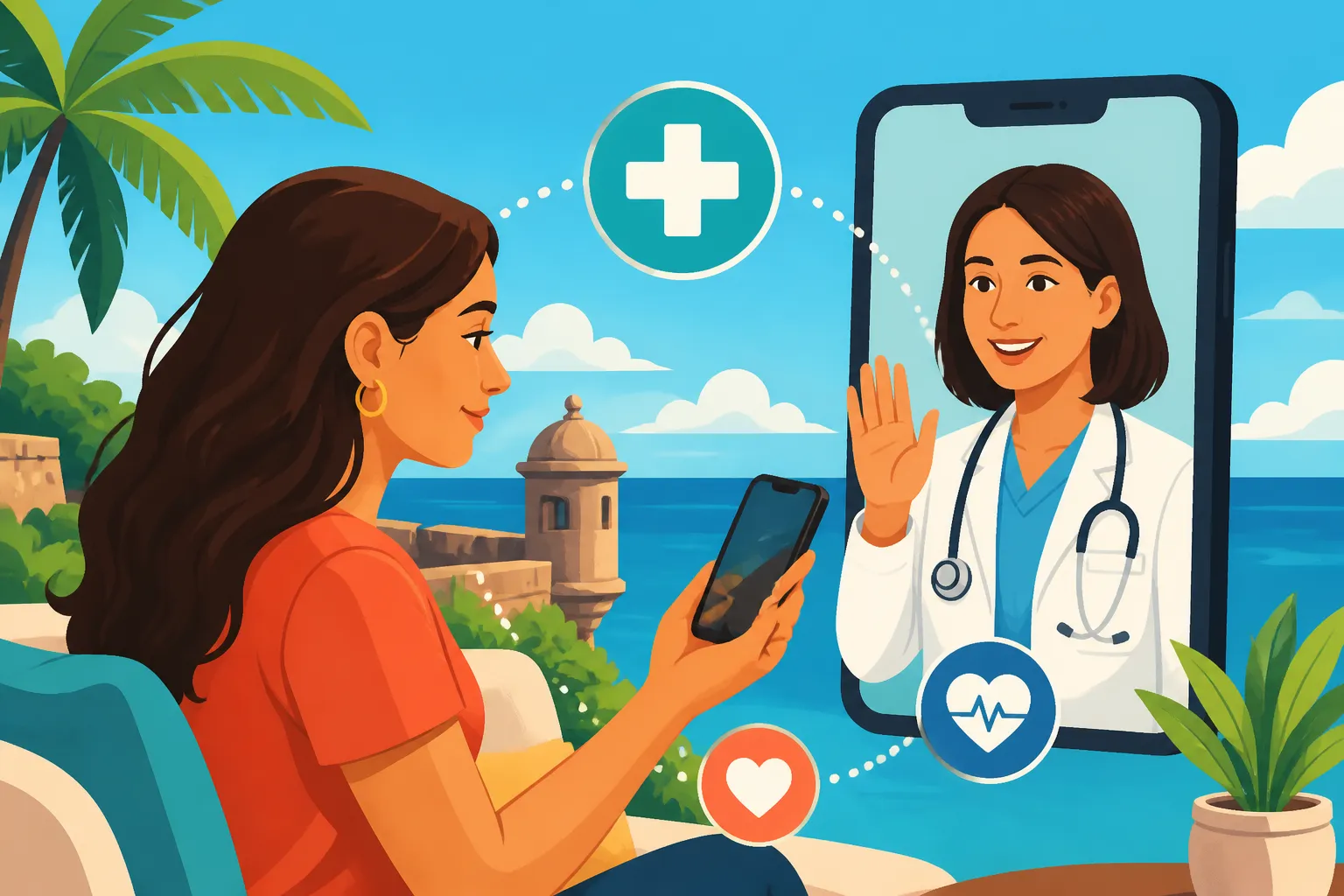
Can I Get a Telehealth Appointment in Puerto Rico?
Navigating healthcare in a new place is always a challenge, and when you're on an island like Puerto Rico, sometimes getting to a doctor's office feels like an expedition. Whether it's the traffic, a sudden rainstorm, or just the general "island time" feeling, the thought of a quick virtual visit can be incredibly appealing. This guide is here to shed some light on whether you can actually get a telehealth appointment in Puerto Rico, what your options are, and how to make the most of them.
Understanding Telehealth in Puerto Rico: The Landscape
Let's face it, the idea of seeing a doctor without leaving your couch, or even your beach chair, sounds like a dream, especially when you’re dealing with something minor but annoying like a stubborn cough or a mysterious rash. For us expats and tourists here in Puerto Rico, the thought of easily accessing medical advice can bring a huge sigh of relief. And the good news is, telehealth is definitely a thing here, and it's been growing by leaps and bounds, especially after those challenging years following Hurricane Maria and, of course, the global health crisis.
Historically, face-to-face consultations were the norm, as they were everywhere. But the unique challenges of our beautiful island—from transportation issues, especially in more rural areas, to the occasional power hiccup that makes travel to a clinic seem even more daunting—really pushed for innovation. The Department of Health in Puerto Rico, alongside various private entities, has embraced telemedicina (telemedicine) as a crucial tool for improving access to care. This isn't just a fleeting trend; it's a recognized and often preferred mode of consultation for many non-emergency situations.
So, what exactly are we talking about when we say telehealth or telemedicine in Puerto Rico? It encompasses a few different modalities. The most common is the real-time video consultation, much like a Zoom call with your doctor. But it also includes telephone consultations, secure messaging through patient portals, and even remote monitoring for chronic conditions, where your vitals might be sent directly to your doctor. All of these aim to provide medical services and information from a distance, bridging geographical gaps and offering convenience. It’s a vital part of The Complete Guide to Healthcare in Puerto Rico for New Residents (2027) that we all need to be aware of.
Legal Recognition and Coverage
You might be wondering, "Is this just some temporary workaround, or is it a legitimate, recognized form of medical care?" The answer is a resounding yes, it's legitimate. Puerto Rico has specific regulations in place that govern the practice of telemedicine, ensuring that it meets professional standards for patient safety and privacy. This means that doctors providing telehealth services must be licensed in Puerto Rico, just as they would be for an in-person visit. They adhere to the same ethical guidelines and privacy laws, including HIPAA, as their mainland counterparts.
When it comes to coverage, this is where things can get a little nuanced, but generally, it's positive. Most major health insurance plans in Puerto Rico, both private and the government-sponsored Vital Plan, now include some form of coverage for telehealth services. The extent of this coverage can vary, so it's always, always a good idea to check directly with your insurance provider. You might find that co-pays are similar to in-person visits, or sometimes even lower, to encourage usage. This aligns with the broader push to make healthcare more accessible and efficient across the island. Understanding your specific plan is key, and our guide on Health Insurance in Puerto Rico: Plans, Costs and Options Explained (2026) goes into more detail.
Accessing Telehealth Services: Your Options
Alright, so you’ve got a sniffle, or maybe just a quick question about a prescription refill, and you’re ready to try this telehealth thing. Where do you even begin? Thankfully, you've got a few avenues here in Puerto Rico, depending on your situation and what you're looking for. It's not a one-size-fits-all, which can be both a blessing and a curse.
Through Your Existing Health Plan
For many residents, the easiest starting point is your current health insurance provider. Most major plans in Puerto Rico, including the private plans offered by companies like Triple-S Advantage, MCS, Humana, and the government's Plan de Salud del Gobierno (Vital Plan), have integrated telehealth options into their network. This means you can often access a doctor within your plan's existing provider network who offers virtual consultations.
How does this usually work? You'd typically log into your insurance provider's member portal or call their customer service line. They can then direct you to a list of participating physicians or a dedicated telehealth platform they partner with. For instance, if you're enrolled in the Vital Plan, they have specific mechanisms to connect you with a primary care doctor or even a specialist virtually. This is crucial for seamless care, especially if you already have a established medical history within that network. It also helps manage things like How Specialist Referrals Work Under Puerto Rico Health Plans for virtual consultations.
The beauty of going through your existing plan is the integration. Your medical records are often more easily shared, and the billing process is usually straightforward, as it's handled just like any other covered service. You'll want to verify any specific co-pays or deductibles that might apply to virtual visits, as these can sometimes differ from in-person appointments.
Independent Telehealth Platforms and Direct Physician Offerings
Beyond your insurance network, there's a growing landscape of independent telehealth platforms. These can be particularly useful for those who might not yet have established insurance in Puerto Rico, or for tourists who are covered by international travel insurance like SafetyWing and need a quick, non-emergency consultation. While SafetyWing doesn't directly provide local Puerto Rico telehealth platforms, many travel insurance policies include benefits for virtual doctor visits, allowing you to get a consultation and then seek a local pharmacy for prescriptions if needed. Always check the specifics of your travel insurance policy to understand what's covered.
Some local medical groups and even individual doctors have also set up their own independent telehealth services. These might operate on a fee-for-service model, meaning you pay directly for the consultation, which can be a good option if you're willing to pay out-of-pocket for convenience or if your insurance doesn't cover a particular platform. You can often find these by searching online for "telemedicina Puerto Rico" or asking for recommendations in expat groups. This is often how newcomers who are still figuring out How to Get Health Insurance When You Move to Puerto Rico manage their initial medical needs.
One thing to keep in mind with independent platforms or direct physician offerings is that you'll need to confirm that the doctor is licensed to practice in Puerto Rico. They should be able to provide this information readily. Also, be prepared to share your medical history and current medications, as they won't have access to your usual records automatically.
Finding English-Speaking Providers
This is a common concern for many newcomers. While Spanish is the primary language, Puerto Rico has a significant number of bilingual healthcare professionals, especially in metropolitan areas like San Juan, Dorado, and Ponce. When looking for a telehealth provider, don't hesitate to ask if they offer consultations in English. Many clinics and larger medical groups will have English-speaking staff or doctors available. You might even find specific online directories or expat community recommendations for "How to Find an English-Speaking Doctor in Puerto Rico" that extend to telehealth services. Don't be shy about asking for what you need to ensure clear communication about your health.
The Practicalities: How to Book and Prepare for Your Appointment
Okay, so you’ve identified your pathway to a telehealth appointment. Now, let’s talk about making it happen. It’s not quite as simple as just dialing a number and hoping for the best, but it's far from rocket science. A little preparation goes a long way to ensure your virtual visit is effective and stress-free.
Finding a Provider and Booking Your Slot
This step can sometimes feel like the biggest hurdle, especially if you're new to the island or this whole telehealth game.
- Insurance Portal/Customer Service: As mentioned, your first stop should be your insurance provider's online portal or customer service line. They often have a list of approved telehealth providers or their own integrated platform. For example, some plans might direct you to a specific app or website where you can browse available doctors, see their specialties, and book an appointment online, much like you would with an in-person visit.
- Online Directories and Medical Groups: Many private clinics and larger hospital systems in Puerto Rico (think Auxilio Mutuo, Ashford Presbyterian, Hospital Pavia) list their telehealth services on their websites. You can often find a directory of doctors and their availability there. Websites for groups like Doctors’ Center Hospital also provide information on their virtual services. Some independent platforms may also exist, though fewer are exclusively focused on PR.
- Word of Mouth and Expat Groups: Never underestimate the power of local knowledge! Expat Facebook groups or forums for Puerto Rico residents are treasure troves of recommendations. Ask around. Someone has likely been through this already and can point you to a doctor or platform they've had a good experience with, perhaps even mentioning if they accept your specific insurance or if they're English-speaking. This is often the best way to get a solid lead on How to Find and Register with a Primary Care Doctor in Puerto Rico for virtual care.
Once you’ve found a potential provider, the booking process usually involves selecting a time slot, providing your basic demographic and insurance information, and confirming the appointment. You’ll typically receive an email or text with a link to join the video call when it’s time for your appointment.
Technology Requirements
A successful telehealth appointment hinges on having the right tech setup. You don't need anything fancy, but reliability is key.
- Reliable Internet Connection: This is paramount. Puerto Rico's internet infrastructure has improved significantly, but service can still be variable depending on your location and provider. Before your appointment, run a quick speed test. Make sure you have a stable Wi-Fi connection or a strong cellular signal. There's nothing more frustrating than having your call drop mid-sentence with your doctor! If you're concerned about your internet reliability, check out our insights on How Reliable Is the Electricity Grid in Puerto Rico? as similar issues can affect internet service.
- Device: A smartphone, tablet, laptop, or desktop computer with a camera and microphone will work. Most platforms are accessible via web browser or a dedicated app. Ensure your device is fully charged or plugged in.
- Privacy: Find a quiet, private space where you won't be interrupted and can speak freely about your health concerns. Use headphones if privacy is a major concern.
- Platform Familiarity: If the provider uses a specific platform or app you’re unfamiliar with, try to download and test it out a few minutes before your appointment. This saves valuable consultation time.
What to Have Ready
Preparation isn't just about the tech; it's also about having your medical information organized.
- Medical History Summary: Even if you’ve provided this during booking, it’s good to have a concise summary ready. This includes any chronic conditions, previous surgeries, allergies, and family medical history.
- Current Medications: A full list of all medications you're taking, including prescription drugs, over-the-counter remedies, vitamins, and supplements. Include the dosage and how often you take them. This is especially important for questions related to Prescription Medications and Pharmacies in Puerto Rico: The Complete Guide.
- List of Symptoms: Jot down your symptoms, when they started, how severe they are, and anything that makes them better or worse. Being articulate and clear about your symptoms helps the doctor make an accurate assessment.
- Questions for the Doctor: Prepare a list of questions or concerns you want to address. It’s easy to forget things once the conversation starts. This could range from specific treatment options to concerns about How Much Does a Private Doctor Visit Cost in Puerto Rico? if the telehealth visit leads to further care.
- Identification and Insurance Card: Have your ID and insurance card (physical or digital copy) handy. You might be asked to show these to verify your identity and coverage. Our article on What Documents Do I Need to See a Doctor in Puerto Rico? might offer more general guidance.
Benefits and Challenges of Telehealth on the Island
Like anything in life, especially here in Puerto Rico, telehealth isn't a perfect solution, but it certainly offers some compelling advantages and a few unique hurdles we need to talk about.
The Upsides: Why Telehealth is a Game-Changer
For many of us, the benefits of telehealth here are immediately obvious and deeply appreciated.
- Unmatched Convenience: Let’s be real, life on the island is beautiful, but getting from point A to point B can be a whole thing. Traffic in San Juan can be brutal, and parking is often a nightmare. If you live outside the major metropolitan areas, a doctor’s visit might mean a significant drive. Telehealth cuts all that out. You can literally have your appointment from your living room, your backyard, or even a quiet corner of your favorite cafe (with good Wi-Fi, of course). This is particularly revolutionary for parents with young children or those with limited mobility.
- Accessibility for Remote Areas: Puerto Rico, while small, has significant rural areas where access to specialized medical care can be extremely limited. Telehealth bridges that gap, allowing individuals in places like the central mountains or smaller coastal towns to connect with doctors and specialists in San Juan or Ponce without having to travel for hours. It democratizes access to expertise.
- Time-Saving and Efficiency: Think about it: no travel time, no waiting room time (or at least, much less of it). This means you can often squeeze an appointment into your workday more easily, without taking a full day off. For routine follow-ups, minor ailments, or quick questions, it’s incredibly efficient.
- Reduced Exposure to Illness: Especially pertinent in our post-pandemic world, a virtual visit means you avoid sitting in a waiting room with other potentially sick individuals, which is a major plus during flu season or when other contagious illnesses are circulating.
- Continuity of Care: For established patients, telehealth can facilitate ongoing management of chronic conditions, medication refills, and quick check-ins, ensuring that your health journey remains consistent even if you can’t make it to an in-person visit every time. It's a fantastic way to maintain communication with your doctor after you've learned How to Find and Register with a Primary Care Doctor in Puerto Rico.
The Downsides: Navigating the Hurdles
While wonderful, telehealth isn't without its challenges, some of which are particularly relevant to our island home.
- Technology Barriers: Not everyone has a reliable internet connection, especially in certain areas, or the latest smartphone. For some, navigating video call platforms can be daunting. As we touched on earlier, How Reliable Is the Electricity Grid in Puerto Rico? can also impact your ability to connect consistently. Power outages or fluctuating internet speeds can interrupt or even prevent appointments, leading to frustration for both patient and provider.
- Limited Physical Examination: This is the most significant limitation. A doctor cannot perform a physical examination, listen to your heart or lungs, or feel for tenderness virtually. For conditions requiring a hands-on assessment, or if the doctor suspects something serious, they will absolutely need to refer you for an in-person visit. Telehealth is fantastic for initial screenings and follow-ups, but it’s not a substitute for all types of medical care.
- Language Nuances: While many doctors are bilingual, subtle communication differences can sometimes occur when discussing complex medical issues virtually, where non-verbal cues might be harder to pick up. For newcomers, ensuring you connect with an English-speaking doctor for telehealth is often a priority to avoid any misunderstandings.
- Insurance Coverage Variations: While most plans cover telehealth, the specifics can differ. Some plans might limit the types of services covered virtually, or they might have different co-pays. It's crucial to confirm with your provider what exactly is covered before your appointment to avoid any billing surprises.
- Emergency Situations: Telehealth is emphatically NOT for emergencies. If you are experiencing a medical emergency, you need to call 911 or head to the nearest emergency room. Telehealth is for non-urgent care, routine consultations, and managing stable conditions.
What Conditions Are Best Suited for Telehealth?
It's helpful to know what types of medical concerns typically work well for a virtual visit, saving you the trip.
Telehealth is excellent for:
- Minor illnesses: Colds, flu symptoms, allergies, rashes, pink eye, urinary tract infections (UTIs).
- Prescription refills: For stable, ongoing medications.
- Chronic disease management: Routine check-ins for conditions like diabetes, hypertension, or asthma, where monitoring and medication adjustments are needed.
- Mental health consultations: Therapy, counseling, and medication management for conditions like depression and anxiety. This is a huge area where telehealth has made care more accessible.
- Follow-up appointments: Post-surgery or post-hospitalization check-ups where a physical exam isn't critical.
- Referrals: Getting an initial assessment that leads to a referral for Can I Get a Health Screening as a New Resident in Puerto Rico? or specialist care.
- General health questions: When you just need quick medical advice or clarification.
Conversely, conditions requiring immediate hands-on assessment, laboratory tests, imaging, or emergency intervention are not suitable for telehealth. This includes severe pain, breathing difficulties, chest pain, broken bones, deep cuts, or any situation where you feel your life is in danger.
Making the Most of Your Telehealth Experience
To really get the most out of your virtual doctor's visit, here are a few pro tips from an expat who’s learned a thing or two:
- Be Proactive with Your Insurance: Before you even need a doctor, call your insurance provider. Ask them about their telehealth options, which platforms or doctors they recommend, and what your specific co-pays or costs will be. Knowledge is power, especially with Understanding Co-Pays, Deductibles and Premiums in Puerto Rico.
- Establish a Primary Care Physician (PCP): Even if you plan to use telehealth, having an established PCP in Puerto Rico who knows your history is invaluable. They can guide you on when telehealth is appropriate and when an in-person visit is truly needed. It creates a continuity of care that’s hard to beat.
- Document Everything: After your call, make a note of the doctor’s recommendations, any prescriptions given, and follow-up instructions. If you're using a platform like SafetyWing that provides an online consultation benefit, keep records for potential reimbursement.
- Don't Hesitate to Ask for Clarification: If you don't understand something, ask! Especially if there's a language barrier or a technical glitch. It's your health, and clear communication is vital.
- Consider a Backup Plan: Given the occasional internet or power fluctuations, it’s not a bad idea to have a backup plan. Know the location of a nearby Centro de Diagnóstico y Tratamiento (CDT – public primary care clinic) or urgent care center in case your telehealth appointment falls through or leads to an immediate need for in-person care.
| Telehealth Access Method | Pros | Cons | Best For |
|---|---|---|---|
| Existing Health Plan | Integrated records, familiar network, common coverage. | May require specific platform, coverage variations, limited doctor choice. | Routine care, chronic condition management, established patient relationships. |
| Independent Platforms | Broader doctor selection, often quick access, flexible payment. | Out-of-pocket costs, less integrated records, variable quality. | Tourists, uninsured, specific short-term needs, quick second opinions. |
| Direct Physician Offerings | Personalized care, established relationship with specific doctor. | Limited availability, may not accept all insurance, potentially higher fees. | Patients with a preferred doctor, specialized virtual care needs. |
Overall, telehealth in Puerto Rico is a robust and increasingly common option for managing your health. It offers immense convenience and can significantly reduce the stress of accessing medical care on the island. While it has its limitations, understanding how it works and preparing properly can make it a vital tool in your expat life here.
Disclaimer
Please remember that the information provided in this article is for general guidance only and does not constitute professional medical, legal, or financial advice. Healthcare regulations, insurance policies, and service availability in Puerto Rico can change. Always consult with qualified medical professionals, insurance providers, or legal experts for advice tailored to your specific situation.