How to Register to Vote After Moving to Puerto Rico
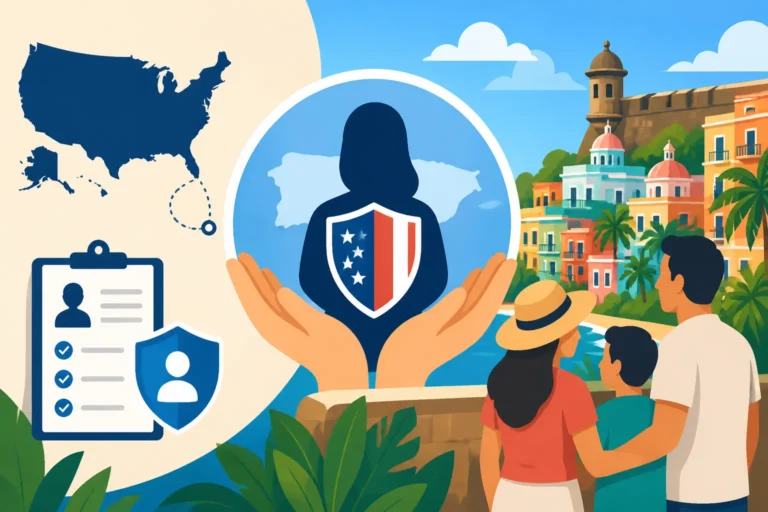
Moving to a new place is exhilarating, isn't it? You get swept up in the beautiful chaos, the vibrant culture, and figuring out the everyday rhythm of life. But once the dust settles and you've found your favorite panadería and navigated your first apagón, a different kind of desire often kicks in: the urge to truly belong, to have your voice heard. For many newcomers to Puerto Rico, that means understanding how to register to vote, and trust me, it’s a crucial step to becoming fully ingrained in your new community. This guide will walk you through the entire process, from understanding your eligibility to navigating the local election offices, ensuring your ballot counts here on the island.
Understanding the Importance of Your Vote in Puerto Rico
When you first arrive, you’re busy learning the ropes – like how to set up electricity and water, or getting your Puerto Rico Driver's License and ID. But after a while, you start to notice how local decisions truly impact your daily life. Your vote here isn't just a symbolic gesture; it's a direct way to shape the community you now call home.
Why Voting Matters for New Residents
You might think, "I'm just one person, what difference can I make?" But here on the island, especially at the municipal level, every single vote can — and often does — make a tangible difference. Consider issues like local infrastructure improvements, school board policies, waste management services, or even the regulations that affect your small business if you're an entrepreneur. These are all decided by elected officials in Puerto Rico, from your mayor (alcalde) to your municipal assembly members.
Imagine living in a municipality where traffic lights are constantly out, or the local parks are neglected. Your vote helps elect leaders who prioritize fixing these issues. As someone who’s lived through a few election cycles here, I can tell you that the debates and decisions made by our local government truly ripple through every aspect of life, from how quickly repairs are made after a hurricane to the quality of public services. It’s not just about grand political statements; it’s about the very practical realities of island living. Becoming a Bona Fide Resident of Puerto Rico comes with the responsibility and privilege of participating in its democratic process.
Dispelling Myths: US Citizenship and Voting Rights
There's often a lot of confusion, especially for mainlanders, about voting rights in Puerto Rico. Let's clear the air: as a U.S. citizen residing in Puerto Rico, you absolutely have the right to vote in all local and territorial elections. This includes electing the Governor, the Resident Commissioner (who represents Puerto Rico in the U.S. House of Representatives but cannot vote on final legislation), members of the Puerto Rico Legislative Assembly, mayors, and municipal assemblies.
However, here’s the key difference: while you can participate in presidential primaries for both major U.S. parties, Puerto Rico residents do not vote in the general U.S. presidential election. We don't have electoral votes. This often frustrates newcomers, as it feels like a significant piece of federal democratic participation is missing. But don’t let that deter you from engaging in the incredibly important local elections. These local votes are about your streets, your schools, your utilities – the things that impact you directly, day in and day out. It's about shaping the future of Puerto Rico, not just the mainland.
Eligibility and Requirements for Voter Registration
So, you’re ready to dive in and register. Fantastic! But before you head to the election office, let’s make sure you meet the eligibility criteria and have all your ducks in a row when it comes to documentation. This isn't the mainland, and while the basic tenets are similar, the specifics are uniquely Puerto Rican.
Who Can Register to Vote in Puerto Rico?
The eligibility requirements are pretty straightforward for most U.S. citizens moving to Puerto Rico. First and foremost, you must be a citizen of the United States. Secondly, you need to be at least 18 years old by the date of the next general election. And critically, you must be a bona fide resident of Puerto Rico and the municipality where you intend to vote. This isn't just about showing a utility bill; it’s about establishing your Legal Residency and Domicile in Puerto Rico.
What does "bona fide resident" truly mean in this context? It means Puerto Rico is your true and principal home, the place where you intend to return whenever you are absent. It's where your life is centered. Simply renting a place for a few months won't cut it. You need to demonstrate a clear intent to live here, to integrate into the community, and to make Puerto Rico your permanent address. If you’ve just moved here, you might need to show a little patience while you solidify your residency status. It is often said that moving to Puerto Rico is a marathon, not a sprint, and establishing official residency for voting is one of those key milestones. Think about other aspects of your life that confirm your domicile, such as where your pets reside, or where you're registered with a health plan, perhaps even one through Cigna Global if you're maintaining international coverage.
Essential Documents You'll Need
Gathering your documents can sometimes feel like a treasure hunt, but having everything in order before you visit the Comisión Estatal de Elecciones (CEE) office will save you immense frustration. You'll definitely need proof of identity and proof of address.
Here’s a breakdown of what typically works:
-
Proof of Identity:
- A valid Puerto Rico driver's license or non-driver ID card. If you just arrived, this should be one of your first priorities after settling in. You can learn more about how to get this in our guide, The Guide to Getting Your Puerto Rico Driver's License and ID (2027).
- A U.S. Passport. This is generally accepted as robust proof of citizenship and identity.
- A birth certificate (U.S. issued) alongside another photo ID (like your mainland driver's license, though this alone isn't sufficient for proving residency).
-
Proof of Address (showing your current Puerto Rico residence):
- A recent utility bill (LUMA for electricity, AAA for water) in your name at your Puerto Rico address. This is usually the gold standard.
- A lease agreement or deed to your property.
- A bank statement from a local Puerto Rico bank (like Banco Popular or Oriental Bank), showing your current address.
- Correspondence from a government agency addressed to you at your Puerto Rico residence.
Make sure all your documents are current and match each other. For example, if your passport has your old mainland address, it won't suffice for proof of Puerto Rico residency, even if it proves your identity. You'll likely need multiple documents to cover all the bases. Bringing more than you think you need is always a good strategy when dealing with government offices here. And remember, organization is key when you're navigating the administrative side of your move, whether you're using a moving service like Sirelo or doing it all yourself.
The Step-by-Step Voter Registration Process
Alright, you've got your documents, you know you're eligible, and you're ready to make it official. Now, let's talk about the practical steps of getting registered to vote. This involves a visit to the local election office, so be prepared for a bit of a process, but it's generally quite smooth if you're prepared.
Where to Go: The CEE (Comisión Estatal de Elecciones) Office
To register, you'll need to visit a local office of the Comisión Estatal de Elecciones (CEE), specifically a Junta de Inscripción Permanente (JIP), which translates to a Permanent Registration Board. Each municipality (and often within larger municipalities, specific sectors) has one of these offices. This is where all voter registration, changes, and inquiries are handled.
You can usually find the nearest JIP office by searching online for "Junta de Inscripción Permanente [your municipality name] Puerto Rico" or by visiting the CEE's official website (though navigating government websites in Puerto Rico can sometimes be an adventure in itself!). The offices typically operate during standard business hours, but it’s always a good idea to call ahead to confirm their hours, especially around holidays or election periods, as these can vary widely. When I first registered, I went to the one in Carolina, and it was a surprisingly pleasant experience, but I had all my papers meticulously organized.
Filling Out the Application and Biometrics
Once you arrive at the JIP office, you’ll be greeted by staff who will provide you with the necessary forms – primarily the ficha de inscripción, or registration form. This form will ask for your personal details, address, and an affirmation of your eligibility. Take your time filling it out, and if you have any questions, don't hesitate to ask the CEE staff. While many forms and communications are in Spanish, there’s often someone who can help with English, especially in more urban areas.
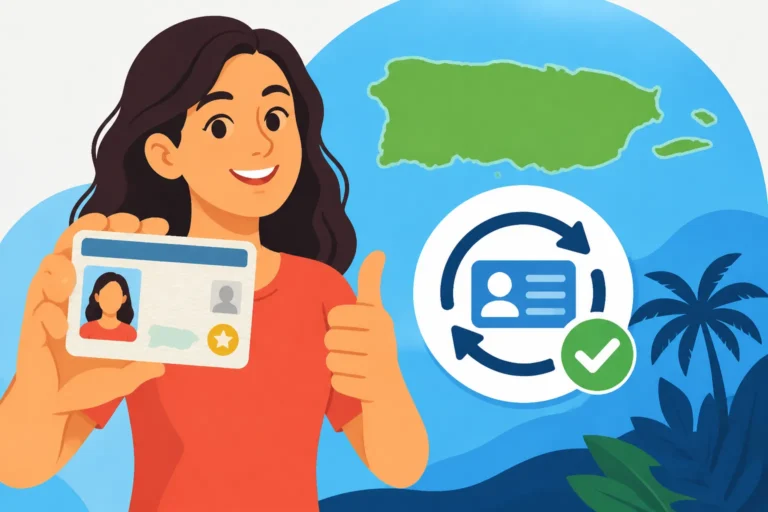
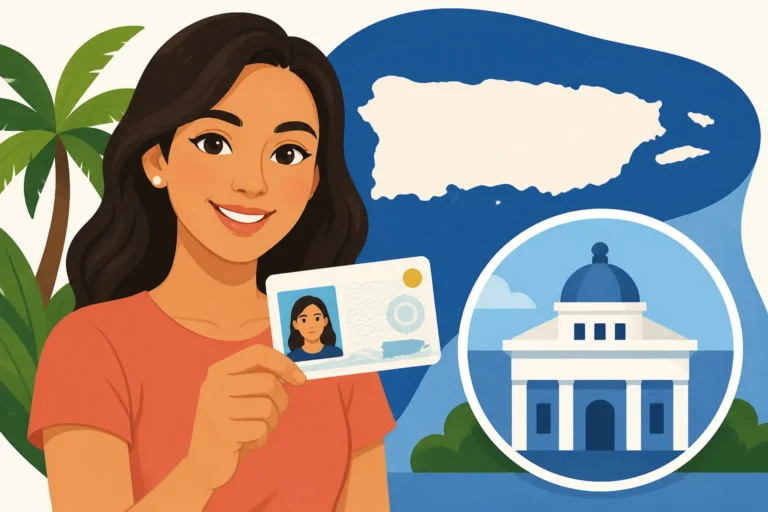
One distinct aspect of voter registration in Puerto Rico is the biometrics requirement. You will have your fingerprints taken (usually digitally) and a photograph will be taken on-site for your official voter ID card, also known as your tarjeta electoral. This voter ID card is a plastic card, similar to a driver's license, and it's what you'll present when you go to vote on election day. It’s a pretty secure system designed to prevent voter fraud, and it means you’ll walk out with a tangible piece of proof of your registration. When it's done, you'll feel a real sense of accomplishment, a little like when you finally got your first utility bill in your name here – a true sign of settling in!
What to Expect After Registration
After you've completed the forms, had your biometrics taken, and all your documents have been verified, you should receive your official tarjeta electoral on the spot. This card is your golden ticket to the polling booth. It will have your photo, fingerprints, voter precinct information, and other relevant details. Keep it safe!
The CEE also maintains a robust online system where you can check your registration status, your assigned polling place (colegio electoral), and other voter information. It's a good idea to periodically check this, especially as an election approaches, to ensure all your details are correct. You’re now officially part of the democratic fabric of Puerto Rico, ready to participate in shaping its future. This step truly cements your commitment to living here, much like setting up your Puerto Rico bank account or getting your car registered.
Navigating Common Challenges and Tips for Newcomers
Registering to vote is a pretty straightforward process once you know the steps. However, being a newcomer in Puerto Rico often means encountering a few unique hurdles. Anticipating these can make your experience much smoother.
Language Barriers and Cultural Nuances
Let's be realistic: while Puerto Rico is a U.S. territory, Spanish is the dominant language, especially in official settings. You'll find that many CEE staff are fluent in both English and Spanish, particularly in larger cities like San Juan, Ponce, or Mayagüez. However, forms, signs, and day-to-day interactions might primarily be in Spanish.
Don't let this intimidate you! My advice:
- Bring a friend: If you have a local friend who is bilingual, ask them to accompany you. A little help with translation can go a long way.
- Use translation apps: Have Google Translate or a similar app ready on your phone. It can be incredibly helpful for quick translations of terms or understanding specific instructions.
- Patience and politeness: A little patience and a respectful attitude (even a “Buenos días” or “Gracias”) can smooth over many potential communication bumps. People here are generally very helpful, and they appreciate the effort. It’s a part of the cultural experience, and honestly, it’s a good opportunity to practice your Spanish! This is also a good mindset to have when dealing with other local services, like getting your utilities set up (LUMA/AAA).
Keeping Your Registration Up-to-Date
Life happens, and sometimes you move within the island or change your name. It's crucial to keep your voter registration information current. If you move to a new address within Puerto Rico, even if it's within the same municipality, you'll need to notify the CEE to update your registration. This ensures you're assigned to the correct polling place and can vote in the proper local elections for your new district.
The process for updating your information is similar to initial registration: a visit to your new local JIP office with proof of your new address. They will process the change and might issue a new voter ID card with updated information. For name changes (due to marriage, etc.), you'll also need to bring supporting legal documents. Regularly checking your voter status online, particularly before an election cycle begins, is a simple way to ensure everything is in order. Think of it like updating your address with other important entities, like when you update your address with federal agencies after moving to Puerto Rico.
Engaging with the Political Landscape
Simply registering is a great first step, but truly engaging means understanding the local political climate. Puerto Rico’s political landscape is complex, driven largely by its status question (statehood, independence, or enhanced commonwealth). This colors almost every local election. As a newcomer, it can feel like a lot to unpack, but it's part of the rich tapestry of life here.
Attend local community meetings, read local news sources (both in English and Spanish), and talk to your neighbors. You'll quickly get a feel for the prevailing sentiments and the key issues that concern residents. Your voice, informed and engaged, becomes a powerful tool for positive change in your new home. This is part of the holistic experience of moving to Puerto Rico as a US Citizen.
Beyond Registration: How to Prepare for Elections
Now that you're registered, what's next? Knowing how to cast your vote and what to expect on election day are crucial parts of the process. Elections here can be lively, passionate affairs, and being prepared helps you participate confidently.
Understanding Local Political Parties and Issues
Puerto Rico's political parties have deep historical roots and distinct platforms. The two main parties traditionally are the Popular Democratic Party (PPD), which generally supports the current commonwealth status with enhancements, and the New Progressive Party (PNP), which advocates for statehood. In recent years, newer parties like Movimiento Victoria Ciudadana (MVC) and Proyecto Dignidad have gained traction, focusing on anti-corruption, environmental issues, and social justice.
Before election day, do your homework. Research the candidates running in your municipality and for the broader legislative assembly. Look into their stances on issues that directly affect you and your community, such as:
- Infrastructure and Utilities: Given the challenges with LUMA and AAA, this is often a hot-button issue.
- Education: Policies affecting public and private schools are always relevant.
- Economic Development: What are the candidates' plans for job creation and attracting investment?
- Environmental Protection: With the island's natural beauty and vulnerability, this is crucial.
Understanding these dynamics will help you make an informed decision, rather than just voting along party lines you might not fully comprehend yet.
Casting Your Ballot: Early Voting and Election Day
Puerto Rico offers various ways to cast your vote. You might be eligible for voto adelantado (early voting) if you meet specific criteria, such as being over 75, having a medical condition, or working during election hours. This typically involves applying for an absentee ballot or voting at designated early voting centers in the days leading up to the election.
For most people, however, election day means heading to your assigned colegio electoral (polling place). This will be printed on your tarjeta electoral. Polling places are often schools, community centers, or other public buildings. On election day, be prepared for:
- Lines: Depending on the time of day and the polling place, there might be lines. Bring water, a snack, and your patience.
- Your Voter ID: You must present your tarjeta electoral to vote.
- The Ballot: You’ll receive a paper ballot. Puerto Rico uses a system where you can vote for a party ticket, specific candidates, or a mix of both. Familiarize yourself with how the ballot works before you go in. There are typically sample ballots available beforehand.
- Security: There will be CEE officials and sometimes police present to ensure order and fair voting.
Casting your first vote in Puerto Rico is a special moment, a true sign that you're not just living here, but you're an active participant in its future. It's a key part of your Complete Relocation Checklist for Moving to Puerto Rico (2026).
Here's a quick summary of essential items for voter registration:
| Document Type | Accepted Forms | Purpose | Notes |
|---|---|---|---|
| Proof of Identity | Puerto Rico Driver's License/Non-Driver ID | Verifies identity and photo | Must be current |
| U.S. Passport | Verifies identity & citizenship | Best if it also shows your PR address | |
| U.S. Birth Certificate + Photo ID | Verifies citizenship | Requires a secondary photo ID | |
| Proof of Address | Recent Utility Bill (LUMA, AAA) | Verifies Puerto Rico residency | Must be in your name, current address |
| Lease Agreement or Property Deed | Verifies Puerto Rico residency | Must show your current residential address | |
| Local Bank Statement | Verifies Puerto Rico residency | Must show your current residential address | |
| Citizenship Proof | U.S. Passport / Birth Certificate | Confirms U.S. Citizenship | Essential for eligibility |
| Completed Form | Ficha de Inscripción (Registration Form) | Official Application | Provided at the CEE JIP office |
Disclaimer
The information provided in this guide is intended for general informational purposes only and does not constitute legal, financial, or electoral advice. While we strive to provide accurate and up-to-date information, rules and regulations regarding voter registration and eligibility in Puerto Rico can change. It is always recommended to consult with the official Comisión Estatal de Elecciones (CEE) website or visit a local JIP office for the most current and specific requirements applicable to your situation.