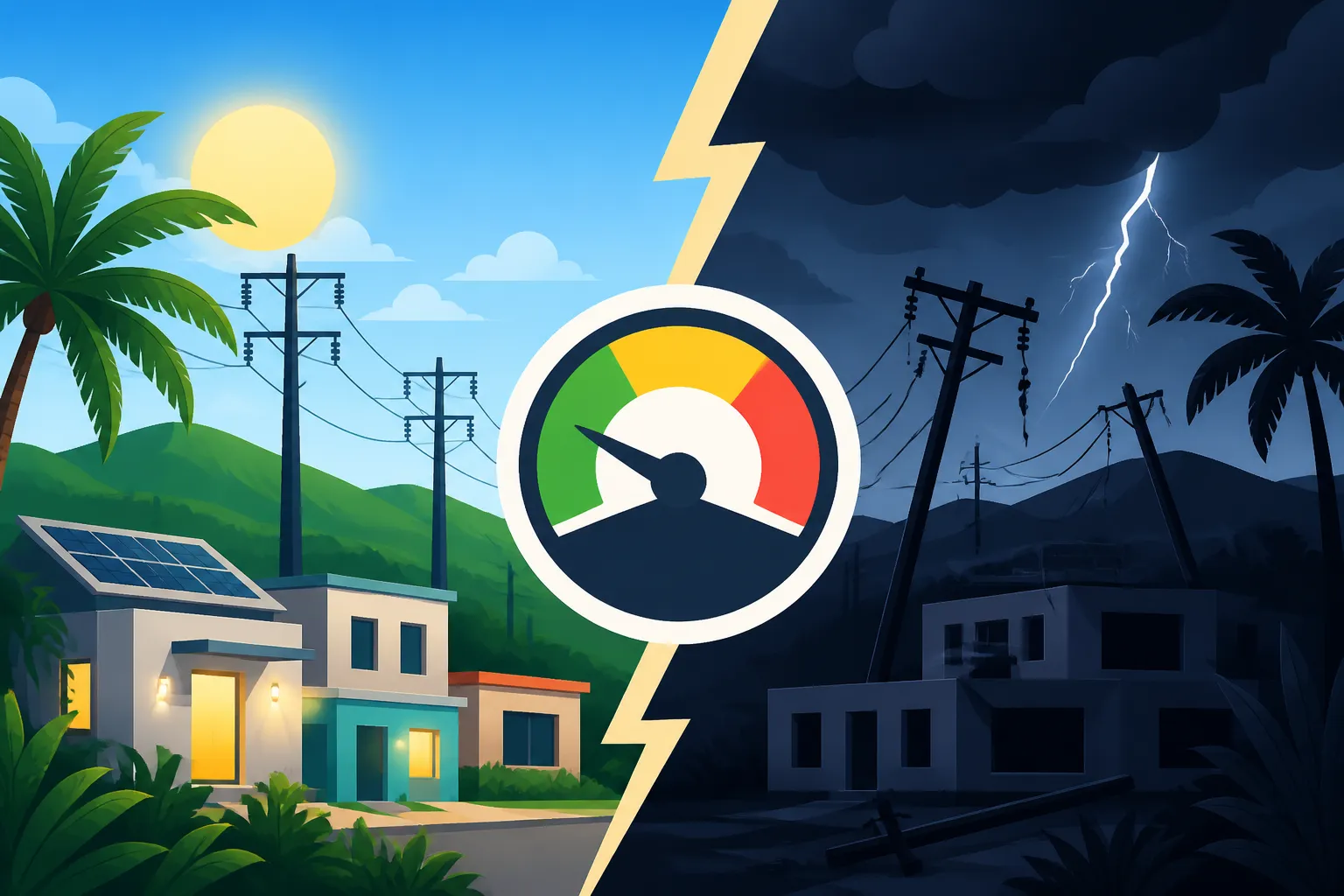
How Reliable Is the Electricity Grid in Puerto Rico?
One of the most pressing concerns for anyone considering a move to Puerto Rico, or even just settling in, quickly becomes apparent: the electricity grid. It's not just a minor inconvenience; it can be a source of significant frustration and disruption to daily life. This guide will walk you through the honest reality of the electricity situation here, explaining what to expect, why it is the way it is, and most importantly, how you can prepare and adapt to keep your lights on and your life running smoothly.
The Unvarnished Reality of Power Outages: What Newcomers Can Expect
Let’s be honest from the get-go: the electricity grid in Puerto Rico is, by mainland standards, not consistently reliable. When you’re living here, power outages – affectionately (or not so affectionately) called apagones – are simply a part of life. It’s not a question of if they will happen, but when and for how long. This isn't meant to scare you off, but to equip you with realistic expectations so you can better navigate your new island home.
You might experience short flickers or momentary interruptions that last just a few seconds, barely enough time for the lights to dim and come back on. These are often due to minor fluctuations or local grid adjustments. Then there are the more substantial, localized outages that can last anywhere from a few minutes to several hours. These are usually caused by things like car accidents taking out a pole, a transformer blowing, or maintenance work in your specific area. These are the ones that disrupt your work-from-home schedule or melt your ice cream. And then, there are the island-wide or large-scale regional outages, which are far less frequent but can be devastating, especially during hurricane season. These can last for days, or even weeks, depending on the severity of the event and the damage inflicted on the infrastructure.
For example, I remember a time when a small car accident on a rural road took out power for our entire neighborhood for almost 12 hours. No warning, just sudden darkness. If you’re not prepared, that can mean lost work, spoiled food, and a very uncomfortable night if it’s hot. The key is understanding that these aren't rare occurrences; they're a regular part of the rhythm of life here. You’ll quickly learn to appreciate the hum of your AC and the glow of your fridge lights in a whole new way.
Understanding the Grid: LUMA Energy and the Road Ahead
To truly grasp the electricity situation, you need a little backstory. For decades, the Puerto Rico Electric Power Authority (PREPA) was responsible for power generation, transmission, and distribution. However, after years of financial troubles, aging infrastructure, and a devastating blow from Hurricane María in 2017, the system was in dire need of an overhaul. In 2021, LUMA Energy, a private consortium, took over the transmission and distribution operations with a 15-year contract, aiming to modernize and stabilize the grid.
LUMA's arrival marked a significant shift, but it also inherited a deeply complex and fragile system. The infrastructure itself is old, with many components dating back half a century or more, making it prone to failures even under normal operating conditions. Think about it: tropical weather, salty air, and minimal investment over decades have all taken their toll. The island's geography, with its mountainous interior and sprawling coastal communities, also makes transmission and maintenance a logistical challenge. Furthermore, the reliance on a few large, centralized power plants, many of which burn oil, means that a problem at one facility can have cascading effects across the entire island.
The ambitious plan to upgrade the grid involves significant investment from federal funds, particularly through FEMA, to rebuild and harden the system against future storms. This includes undergrounding power lines in vulnerable areas, upgrading substations, and implementing smart grid technology to improve efficiency and resilience. However, these are massive, multi-year projects. You’ll see construction crews, new poles, and lines in various places, but it’s a marathon, not a sprint. While there have been improvements in some areas and a quicker response time to some outages, the overall journey to a truly reliable grid is still very much in progress. So, don't expect a mainland-level grid overnight; it's going to be a while. To understand how to set up your utilities, you might want to read The Newcomer's Guide to Setting Up Utilities (LUMA/AAA) in Puerto Rico.
Strategies for Staying Powered Up: Practical Solutions for Residents
Given the current state of affairs, relying solely on the public grid is, frankly, asking for trouble. Most long-term residents and businesses here have adopted a proactive approach to power continuity. There are several popular strategies, each with its own pros, cons, and costs.
Backup Generators: The Go-To Solution for Many
Generators are ubiquitous across Puerto Rico. You'll hear them hum to life shortly after an apagón, a symphony of resilience in the face of darkness. They come in various sizes and types:
- Portable Generators: These are the most common and affordable option. They run on gasoline or propane and can power essential items like a refrigerator, a few fans, lights, and charge your devices. They require manual startup, regular refueling, and proper ventilation (never run them indoors!). For many, a portable generator is the first line of defense. The downside is the noise, the need to store fuel, and the manual effort involved.
- Standby Generators: These are larger, permanently installed units that typically run on propane or natural gas (if available in your area) and kick on automatically when the power goes out. They're significantly more expensive to purchase and install but offer true peace of mind, powering your entire home seamlessly. They require professional installation, regular maintenance, and a dedicated fuel source.
Whichever you choose, ensure you understand the local regulations regarding generator placement and noise. You’ll also want to look into Understanding Solar Power and Backup Generators in Puerto Rico for a more in-depth look.
Solar Power and Battery Storage: The Future for Many
Solar power has exploded in popularity in Puerto Rico, and for good reason. With abundant sunshine, it’s a natural fit for energy independence. Many residents are investing in rooftop solar panel systems coupled with battery storage (like Tesla Powerwalls or similar solutions) to keep their homes powered during outages, reduce their LUMA bills, and even potentially sell excess power back to the grid.
- Pros: Environmental benefits, significant reduction in electricity bills, quiet operation, and true energy independence from grid fluctuations. During an outage, your home continues to run on stored solar energy.
- Cons: The initial investment can be substantial, though various financing options and federal tax credits (if applicable) can help offset costs. Installation can also be a lengthy process.
It's a game-changer for those who can afford it, offering a level of reliability and peace of mind that no other solution can. When you're researching housing, it's worth asking How Do I Find an Apartment with a Generator in San Juan or if it has solar already.
Uninterruptible Power Supplies (UPS) and Battery Backups: For Critical Devices
Even if you don't have a full generator or solar system, small UPS units and portable power stations are invaluable. A UPS is essentially a battery backup for your electronics. You plug your computer, monitor, router, and modem into it, and when the power flickers or goes out, it seamlessly switches to battery power, giving you time to save your work and shut down properly.
- Mini-UPS for Routers/Modems: These small, inexpensive units are fantastic. They keep your internet running for several hours during an outage (assuming cell towers, which often have their own backup power, are still operational). This means you can still access information, stay connected, and potentially use your phone for hotspot data, even if the lights are out.
- Portable Power Stations: These larger battery packs can charge multiple devices, run a fan, or even power a small refrigerator for a few hours. They're excellent for camping but also serve as reliable home backups.
These smaller solutions are often overlooked but can make a huge difference in maintaining some semblance of normalcy during an apagón.
Internet and Communication During Outages
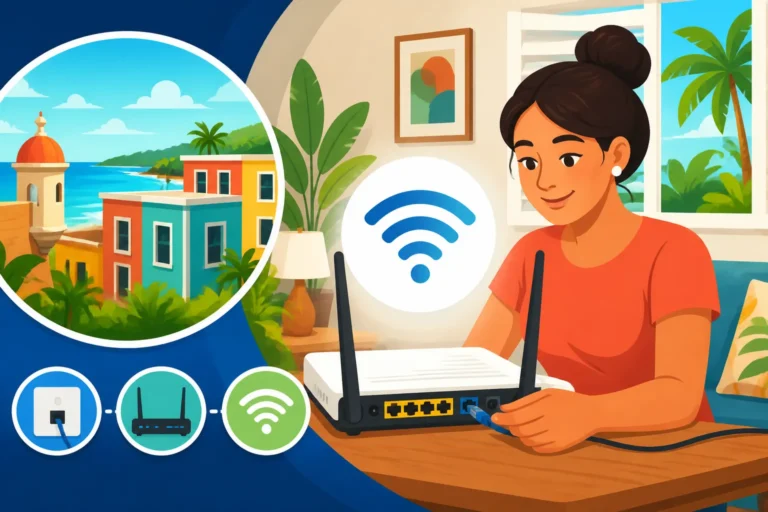
Your internet connection is often tied to your home's electricity. When the power goes out, your router and modem lose juice. However, as mentioned, a mini-UPS can keep them running. Moreover, cellular networks tend to be more resilient, as many cell towers have backup batteries or generators. This means your mobile phone often remains functional. If your home internet goes down, your phone's hotspot can be a lifesaver.
Consider having an alternative data plan or an eSIM service like Airalo for emergencies. If your main provider's network gets congested or goes down, having a backup eSIM can ensure you stay connected. It’s always smart to have a fully charged power bank for your phone, too. For those working remotely, reliable internet during an outage is paramount, so consider redundancy in your internet setup. You might want to check out How to Set Up Internet and Cable in Puerto Rico for more details on providers.
Here's a quick comparison of common power backup solutions:
| Solution Type | Cost Range (Approx.) | Pros | Cons | Ideal For |
|---|---|---|---|---|
| Portable Generator | $500 – $2,500 | Affordable, powers essentials | Noise, fuel storage, manual operation, emissions | Budget-conscious, short to medium outages, minimal power needs |
| Standby Generator | $5,000 – $20,000+ | Automatic, powers whole home, seamless | High upfront cost, professional installation, maintenance | Full home backup, frequent/long outages, convenience |
| Solar + Battery | $15,000 – $50,000+ | Sustainable, low bills, quiet, energy independence | Very high upfront cost, complex installation, sun-dependent | Environmental focus, long-term savings, maximum independence |
| UPS (Small) | $50 – $300 | Affordable, silent, automatic, protects electronics | Limited power/duration, only for specific devices | Computers, internet routers, critical small electronics |
| Portable Power Station | $200 – $2,000 | Versatile, portable, no fumes, multiple outputs | Battery life limitations, charging time, heavier | Device charging, small appliances, camping, temporary power |
Navigating the Daily Nuances: Adaptation and Mindset
Living in Puerto Rico means embracing a certain level of adaptability, and that certainly applies to the electricity situation. It’s not just about having the right equipment; it’s about adjusting your mindset and daily habits.
Checking for Outages and Staying Informed
LUMA Energy has a mobile app and a website where you can report outages and check their status. However, sometimes the system isn't perfectly real-time or accurate, so locals often rely on community networks. WhatsApp groups for neighborhoods are incredibly popular and often the fastest way to find out what's happening. Someone will inevitably post, "Did the light just go out?" or "Anyone else without power in [specific neighborhood]?" These groups also often share updates on estimated restoration times or reasons for outages. It's a testament to the community spirit here that people look out for one another during these times.
Local news channels and radio stations also provide updates during widespread outages, especially after major weather events. Having a battery-powered radio can be surprisingly useful in such scenarios.
Preparing for the Unpredictable
Beyond generators and solar, there are simple habits that become second nature:
- Keep Devices Charged: Always ensure your phone, laptop, and power banks are charged, especially if there's a weather advisory.
- Essential Supplies: Have flashlights (not just your phone!), battery-operated lanterns, and extra batteries readily available. A few good quality headlamps are also invaluable.
- Water Storage: While AAA (the water authority) usually has backup power for pumping stations, significant outages can sometimes affect water service too. Keep some emergency drinking water and consider a small reserve for flushing toilets.
- Food Management: Don't let your fridge get too empty before an expected outage. During an outage, avoid opening the refrigerator and freezer unless absolutely necessary to keep food cold longer.
- Stay Cool: Battery-operated fans are a godsend when the AC is out, especially in the tropical heat.
It’s about being prepared, not paranoid. When you’re planning your big move, a comprehensive relocation platform like Sirelo can help you organize everything from finding movers to understanding local utilities, including setting up electricity. They can guide you through the initial steps of settling in and preparing for these everyday realities.
The Long-Term Perspective
The Puerto Rico grid is undergoing a massive transformation, but it’s a marathon, not a sprint. While the outages can be frustrating, they also foster incredible resilience and community spirit. You learn to live a little slower, appreciate the starry nights without light pollution, and connect with your neighbors over a shared challenge.
For newcomers, it's crucial to factor this reality into your housing decisions. When looking for a place, ask about the building's or home's backup power solutions. Does the condo building have a shared generator for common areas or even individual units? Does the house come with a generator or solar? These features significantly impact your quality of life here. Understanding the cost of living, including energy costs and potential investments in backup power, is also key. You can find more information on this in The Complete Guide to Cost of Living in Puerto Rico (2026).
Ultimately, living in Puerto Rico means accepting its unique challenges alongside its unparalleled beauty. The electricity grid is one such challenge, but with proper planning, preparation, and a flexible mindset, it’s certainly manageable.
Disclaimer
The information provided in this article is for general informational purposes only and does not constitute professional advice. While we strive to provide accurate and up-to-date information, the electricity situation in Puerto Rico is dynamic and subject to change. Readers should consult with local experts, such as electricians, solar installers, and real estate professionals, for advice tailored to their specific circumstances.