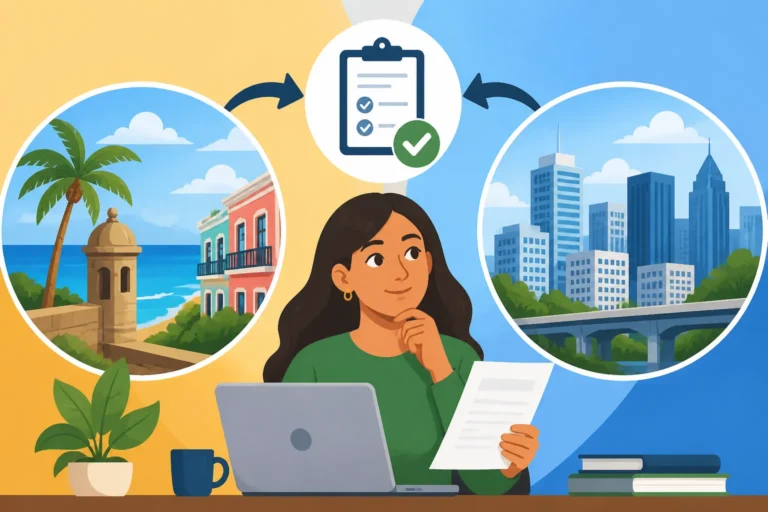
How Do I Get a Tax Clearance Before Leaving Puerto Rico?
So, the time has come, you're packing up your life here in La Isla del Encanto and heading for new horizons. Moving is already a beast, isn't it? But when you're leaving a place like Puerto Rico, with its unique tax structure and administrative quirks, you might stumble upon a requirement you hadn't even considered: a tax clearance. This isn't just a formality; it can be a critical step to ensure a smooth departure and prevent future headaches. This guide will walk you through everything you need to know about getting your tax affairs in order with Hacienda before you go.
Why Even Bother with a Tax Clearance in Puerto Rico?
Let's be real, after navigating the labyrinthine administrative processes here for a while, the last thing you want is another form or another trip to a government office. But ignoring the concept of a tax clearance when you're moving off-island can lead to some surprisingly unpleasant surprises down the road. It’s not about Hacienda tracking your every move; it’s about making sure your financial slate is clean, especially if you've been a bona fide resident enjoying certain tax benefits, like those under Act 60.
The Unexpected Pitfalls of Skipping It
Imagine this: years from now, you’re trying to close out some old account, or perhaps you have some residual income tied to a Puerto Rico source, and suddenly, you find yourself facing questions from Hacienda about your departure. Or even worse, you might find that assets you still hold on the island are frozen, or you're slapped with fines and penalties because your departure wasn't properly documented. It sounds dramatic, but these scenarios aren't unheard of. Without a formal tax clearance, Hacienda might simply assume you still have tax obligations here, especially if you were benefiting from certain tax decrees. They might think you've just disappeared, leaving potential liabilities behind.
For instance, if you’re an Act 60 grantee, maintaining compliance is paramount. Your decree explicitly states that you must notify Hacienda of any change in residency. Failure to properly document your departure and relinquish your bona fide residency could lead to your decree being revoked retroactively, potentially subjecting all your previously exempt income to federal and Puerto Rico taxes. That's a bill no one wants!
Who Needs One? Discerning Your Obligations
The need for a formal tax clearance isn't universal for every single person who moves off the island. For many, especially those who were simply employees and didn't have complex financial arrangements or tax incentives, simply filing your final Filing Your Puerto Rico Tax Return with Hacienda: The Complete Walkthrough (2027) and indicating your change of address might suffice. However, for others, it's a non-negotiable step.
Typically, those who should seriously consider obtaining a formal tax clearance include:
- Act 60 Individual Resident Investors (Act 20/22 previous grantees): This is perhaps the most crucial group. Your tax decree is predicated on your bona fide residency in Puerto Rico. When you leave, you must formally notify Hacienda and often go through a clearance process to avoid future complications. This is about formally terminating your decree benefits.
- Business Owners and Self-Employed Individuals: If you operated a business, even as a sole proprietor, you have ongoing tax obligations like Sales and Use Tax (IVU), municipal patente, and potentially employee withholding. A tax clearance ensures all these accounts are properly closed, and any final payments are made. You don't want to leave a dormant business registration accruing phantom fees or penalties.
- High-Net-Worth Individuals with Complex Finances: If you have substantial investments, properties, or other financial interests on the island, a clearance can provide peace of mind that all your past and present obligations are settled.
- Individuals with Unresolved Tax Matters: If you have an open audit, an appeal, or any outstanding tax liabilities, you absolutely need to address these before leaving. The tax clearance process essentially forces this resolution.
If you're unsure if you fall into one of these categories, it's always best to consult with a tax professional experienced in Puerto Rico tax law. They can assess your specific situation and advise on the best course of action. This is where specialized services like Taxes for Expats can be incredibly helpful, as they understand the intricacies of cross-border tax implications and can guide you on your final filings with Hacienda.
Navigating the Hacienda Labyrinth: The Step-by-Step Process
Alright, deep breaths. Getting a tax clearance from Hacienda (the Puerto Rico Treasury Department) is not always a straightforward path. It can feel like you're trying to find your way through a jungle with a map written in a language you only partially understand. But with patience and preparation, you can get it done. The key is to be methodical and understand what Hacienda will be looking for.
Gathering Your Arsenal of Documents
Before you even think about stepping foot into a Hacienda office or logging into SURI, you need to arm yourself with a comprehensive set of documents. Think of it as preparing for battle – you wouldn't go in unarmed, right? The more organized you are, the smoother this process might be.
Here’s a general checklist of documents Hacienda might request, though this can vary based on your specific situation (e.g., if you’re an Act 60 grantee or a business owner):
| Document Type | Specifics | Purpose |
|---|---|---|
| Personal ID | Valid photo ID (Driver's License, Passport) | To verify your identity. |
| Social Security Card | Original or copy | For identification and tax record cross-referencing. |
| Proof of Residency | Lease agreements, utility bills, property deeds, certifications of residence | To confirm your period of residency in Puerto Rico. |
| Tax Returns (Planillas) | Copies of your last 3-5 years of Puerto Rico Income Tax Returns | To demonstrate consistent tax filing and compliance. This includes How to File Your First Planilla After Moving to Puerto Rico and subsequent ones. |
| Proof of Payments | Receipts for IVU payments, estimated taxes, municipal patente, property taxes (CRIM) | To show all tax obligations have been met. |
| Act 60 Decree | Copy of your Act 60 Individual Investor decree (if applicable) | Essential for grantees to formally terminate their benefits. |
| Bank Statements | Recent statements from Puerto Rico bank accounts | To verify financial activity and ensure no outstanding local financial obligations that might link back to tax. |
| Departure Date | Clear statement or proof of your planned departure date | To establish the end point of your tax residency. |
| New Address | Your new address outside of Puerto Rico | For future correspondence. |
| Power of Attorney | If someone is representing you (e.g., your accountant) | Legal authorization for representation. |
| Business Records | If applicable: Business registration, IVU filings, payroll records, municipal patente payments | To ensure all business-related tax obligations are settled and the entity is properly closed or transferred. |
This list is not exhaustive, so be prepared for Hacienda to ask for additional documentation based on their review of your file. Having everything ready upfront can save you multiple trips and a lot of frustration.
The SURI Portal and Hacienda Visits
In recent years, Hacienda has made significant strides in digitizing its services through the SURI (Sistema Unificado de Rentas Internas) portal. This online platform is where most individuals and businesses interact with Hacienda for filings and payments. For a tax clearance, SURI might be your first point of contact, but often, an in-person visit to a Hacienda office will eventually be required, especially for complex cases like Act 60 grantees.
Your SURI Journey:
First, ensure your SURI account is fully updated and accessible. If you haven't already, you'll need to How Do I Register with Hacienda in Puerto Rico? and get familiar with the system. You’ll want to log in and review your account for any outstanding balances, unfiled returns, or pending notifications. Address these proactively. Hacienda often has specific sections for "requests" or "correspondence" where you might be able to initiate a request for a tax clearance or at least communicate your intent to leave. Uploading a formal letter stating your intention to cease residency and requesting a clearance certificate is a good first step. Be prepared to provide supporting documents through the portal as well.
The Hacienda Office Visit:
Even with SURI, you might find yourself needing to schedule an appointment or simply walk into a Hacienda office, typically in San Juan (the main office or a regional one). When you go, bring ALL your organized documents, both originals and copies. Expect to wait, even with an appointment, and bring a good book. You’ll explain your situation to an agent, who will then review your file, input your request into their system, and potentially refer you to a specialist. This is where your patience will be tested. The agent might ask detailed questions about your income sources, your ties to Puerto Rico, and your reasons for leaving. Remember, their job is to ensure you’re not trying to evade any responsibilities.
The Application and Waiting Game
Once you’ve submitted your request, whether through SURI or in person, the process officially begins. Hacienda will conduct a review of your tax history, including income tax, sales tax, property tax (if applicable), and any other obligations. This audit-like process can take anywhere from a few weeks to several months, depending on the complexity of your financial situation and Hacienda's current workload.
During this period, Hacienda might issue additional requests for information (RFIs) or even schedule an interview with you or your authorized representative (e.g., your accountant). They're looking for closure on all fronts. If you're an Act 60 grantee, this is a particularly thorough review, as they need to ensure you've met all your annual compliance requirements, including donations and property purchase obligations, up to your departure date. This also involves ensuring you've actually established Bona Fide Residency in Puerto Rico: The Definitive Tax Guide (2027) during your stay and fulfilled all the tests.
The goal is to receive a "Certificación de Cumplimiento" (Certificate of Compliance) or a "Certificación de Deuda" (Debt Certificate) with a zero balance. This document confirms that you have no outstanding tax liabilities with the Commonwealth of Puerto Rico as of your departure date. Don’t confuse this with any federal tax obligations you might still have, which are a separate matter dealt with the IRS.
Practical Tips and Common Roadblocks
Leaving Puerto Rico, especially when you've enjoyed its unique lifestyle and perhaps its tax incentives, can be emotionally charged. Adding the administrative burden of a tax clearance can amplify that stress. Let me share some seasoned expat wisdom to help you through this.
Leveraging Professional Help
Look, I've seen countless people try to tackle Hacienda on their own, only to get bogged down in bureaucratic quicksand. This isn't the time to be a hero. Unless your tax situation is incredibly simple (e.g., you only had one employer, no property, no tax incentives), I highly recommend hiring a local tax accountant or an attorney specializing in Puerto Rico tax law. They speak the language, understand the nuances of the system, and know the specific documents and procedures required.
A good professional can:
- Help you gather and organize all necessary documentation.
- Communicate directly with Hacienda on your behalf, saving you hours of waiting and frustration.
- Interpret Hacienda's requests and ensure you respond appropriately.
- Anticipate potential issues and help you resolve them proactively.
- Expedite the process where possible (though Hacienda moves at its own pace!).
When you're dealing with something as important as your tax obligations, especially if you're an Act 60 grantee looking to formally close your decree or a business owner trying to ensure a clean exit, the investment in professional guidance from firms like Taxes for Expats is usually well worth it. They can bridge the knowledge gap between the mainland and Puerto Rico tax systems, ensuring you don't miss any critical steps. Understanding How Puerto Rico Taxes Work: Federal vs Local (Hacienda) Explained (2027) is their bread and butter.
Dealing with Delays and Denials
Let's not sugarcoat it: delays are common. Puerto Rico's administrative systems, while improving, can still operate on "island time." Your perfectly submitted application might sit for weeks or even months. Patience is not just a virtue here; it's a necessity.
What to do if there are delays:
- Follow Up Regularly: Not incessantly, but consistently. Your accountant will know the appropriate intervals. A polite email or phone call to the specific department or agent handling your case can keep things moving.
- Keep Records: Document every interaction – dates, names of agents, what was discussed, and any reference numbers. This is your paper trail if things go awry.
- Be Prepared for More Information: Often, delays are due to Hacienda needing additional clarification or documents. Respond promptly and thoroughly.
What if your clearance is denied?
A denial isn't the end of the world, but it signals that Hacienda believes you have outstanding obligations. This could be due to:
- Unpaid Taxes: A forgotten IVU payment, an overdue property tax bill, or an underpayment on an estimated tax return.
- Unfiled Returns: Missing a year's planilla or a business-related return.
- Incomplete Information: Hacienda might simply need more proof of your residency, income, or an explanation for certain transactions.
- Act 60 Non-Compliance: If you're a grantee, they might flag a missed donation or a property requirement.
In case of a denial, your tax professional will be crucial in understanding the exact reason and guiding you on how to remedy the situation. It typically involves paying any outstanding balances, filing missing returns, or providing the requested documentation, and then reapplying or appealing the decision. Remember, the goal is to get that "zero balance" certificate, so keep at it until you achieve it. This whole process is part of The Complete Guide to Taxes in Puerto Rico for New Residents (2027), but specifically focused on your exit.
Managing Finances During Your Exit
As you prepare to leave, managing your finances responsibly is not just about taxes; it's about practicalities. You'll likely need to transfer funds, pay off local accounts, and ensure continuity of access to your money.
First, make sure all your local bills are squared away: LUMA for electricity, AAA for water, any internet or phone contracts, and rental agreements. If you have a lease, ensure you properly terminate it and retrieve your security deposit. This ties into your overall financial exit plan, as outlined in guides like The Complete Relocation Checklist for Moving to Puerto Rico (2027).
When it comes to transferring money, especially if you have significant funds in a local Puerto Rico bank account and need to move them to a mainland or international account, consider your options carefully. Traditional wire transfers can be expensive and sometimes slow. Services like Wise (formerly TransferWise) offer competitive exchange rates and lower fees for international money transfers, which can be a lifesaver when you're dealing with multiple currencies or substantial amounts. They can make sure your hard-earned cash gets to where it needs to be efficiently and cost-effectively, without unexpected fees eating into your moving budget. Ensure you also understand Understanding Retirement Accounts and Pensions in Puerto Rico if you have any local retirement savings.
It’s also wise to keep at least one local bank account open for a little while after you leave, even if it's just a basic checking account. This can be incredibly useful for receiving any final refunds (like a tax refund from Hacienda) or for paying any lingering small bills that pop up unexpectedly. Just make sure you can access it online and update your contact information with your new address.
Finally, confirm you've informed all relevant financial institutions of your departure and new address. This includes banks, credit card companies, and any investment firms you might be working with locally. A smooth financial exit contributes significantly to your peace of mind as you embark on your next chapter.
Disclaimer
The information provided in this article is for general informational purposes only and does not constitute professional tax, financial, or legal advice. Tax laws and administrative procedures in Puerto Rico are complex and subject to change. It is essential to consult with a qualified tax professional or legal advisor specializing in Puerto Rico tax law to address your specific situation before making any decisions related to your tax clearance or relocation.