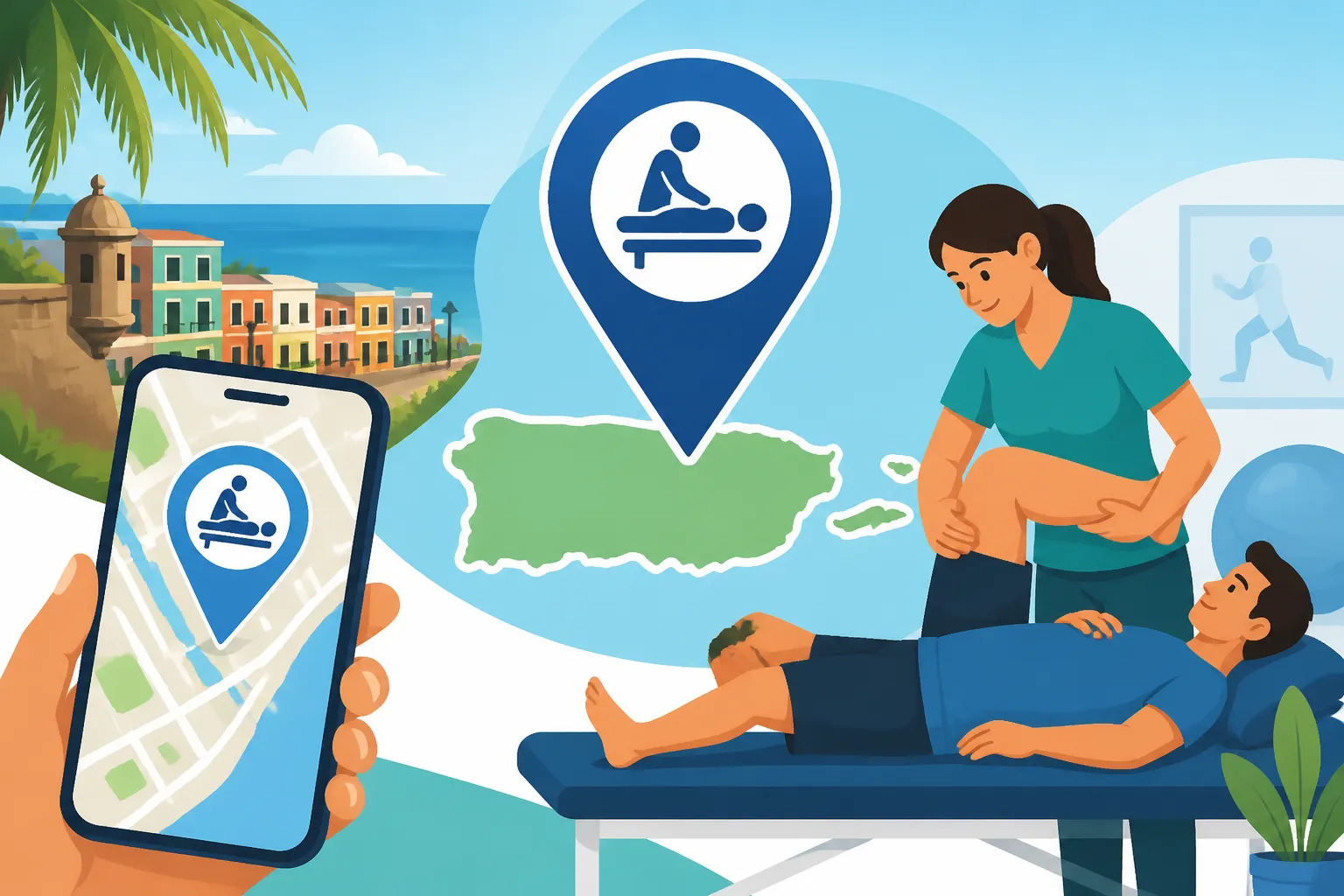
How Do I Find a Physical Therapist Near Me in Puerto Rico?
It’s a truly frustrating experience, isn’t it? One minute you’re enjoying the beautiful beaches or hiking trails of Puerto Rico, and the next, you’ve got a nagging pain, a pulled muscle, or an old injury flaring up. Suddenly, finding a good physical therapist (or terapeuta físico, as they say here) becomes your top priority, and navigating a new healthcare system while in discomfort can feel like an impossible task. This guide is here to strip away the confusion and provide you with a clear, step-by-step roadmap to finding the right physical therapist near you in Puerto Rico, so you can get back to living your best island life, pain-free.
Understanding Physical Therapy and Its Role in Puerto Rico's Healthcare
Let’s be honest, when you’re dealing with pain, the last thing you want is a generic explanation. You want to know how physical therapy here, in Puerto Rico, can help you specifically. Physical therapy is a vital part of recovery and pain management, focusing on restoring movement, function, and overall well-being. It’s not just for athletes or major accidents; it’s for that persistent backache from working at your new home office setup, that knee pain after exploring El Yunque, or even rehabilitation after surgery.
Common Conditions Treated by Physical Therapists
In Puerto Rico, just like anywhere else, physical therapists treat a vast array of conditions. You might be surprised by how broad their scope is. Think about those minor tumbles on cobblestone streets in Old San Juan, or the strain from carrying heavy groceries up three flights of stairs in your new apartment – these everyday occurrences can lead to issues that a physical therapist can expertly address.
They are the go-to professionals for musculoskeletal issues like lower back pain, neck pain, shoulder impingement, knee osteoarthritis, and sciatica. If you've had a sports injury, like an ankle sprain from playing beach volleyball in Luquillo, or a tennis elbow from your new hobby, they can guide you through recovery. Beyond that, physical therapists also play a crucial role in post-surgical rehabilitation, helping you regain strength and mobility after procedures such as knee replacements or rotator cuff repairs. Neurological conditions like stroke recovery, multiple sclerosis, or Parkinson's disease often require specialized physical therapy to maintain or improve function. Even chronic conditions like fibromyalgia or arthritis can see significant improvement with a tailored therapy program. It’s all about getting your body moving correctly and efficiently again, and preventing future injuries.
The Referral System: Getting to See a Physical Therapist
One of the first things you'll encounter in Puerto Rico’s healthcare system, especially if you’re used to direct access to specialists, is the referral process. While some direct access is possible for physical therapy, especially with private insurance plans, it’s often more straightforward and covered if you have a referral. You might recall my earlier ramblings about How to Find and Register with a Primary Care Doctor in Puerto Rico; well, this is where that relationship becomes invaluable.
Your primary care physician (PCP) or a specialist, like an orthopedist or neurologist, will typically assess your condition first. If they determine that physical therapy is appropriate, they’ll write a referral. This referral usually includes a diagnosis and a recommendation for the type and duration of therapy needed. Having this in hand ensures that your insurance company will likely cover the treatments and helps the physical therapist understand your case from the start.
Sometimes, especially if you have private insurance, you might be able to schedule an initial evaluation with a physical therapist without a prior doctor’s referral. However, for subsequent sessions, or if your plan requires it, you will almost certainly need that referral for coverage. It’s always best to check with your specific health insurance provider beforehand to understand their requirements to avoid any unexpected bills. Whether you're navigating the public or private system, understanding How Puerto Rico's Health System Works: Public vs Private Explained (2027) is key.
Navigating the Search: Where to Look for a Physical Therapist
Okay, referral in hand (or perhaps you’re looking for that initial consultation), where do you actually find a physical therapist on the island? It’s not always as simple as a quick Google search if you don’t know where to look. While online searches are a good starting point, local knowledge and specific resources are often more effective.
Online Directories and Professional Associations
The internet is, of course, a global resource, but in Puerto Rico, you need to know which online resources are most reliable. Start with the official professional bodies. The Colegio de Profesionales de la Terapia Física de Puerto Rico (CPTFPR) is the main professional organization for physical therapists here. Their website often has a directory or at least provides information on licensed practitioners. While it might not have a super user-friendly "near me" map, it's a good place to verify credentials.
Beyond that, many private clinics and hospitals have their own websites where they list their physical therapy services and therapists. Hospitals like Auxilio Mutuo, Ashford Presbyterian Hospital, and Hospital Pavia in San Juan are well-known and typically have robust physical therapy departments. Similarly, in areas like Ponce or Mayagüez, major hospitals will offer these services. Don't forget to check general health directories or even Google Maps once you know a few clinic names. However, always remember to cross-reference with the Junta Examinadora de Terapia Física if you have any doubts about a therapist's licensing.
Doctor Referrals and Word-of-Mouth
This is probably the most common and often most trusted method for finding any healthcare provider in Puerto Rico. As mentioned, your primary care doctor is your gateway to the healthcare system. If you've already established a relationship with a local doctor, they will likely have a network of trusted physical therapists they regularly refer patients to. This is incredibly valuable because they know the quality of care provided and can often make a recommendation based on your specific needs and even language preferences.
Beyond doctors, don't underestimate the power of word-of-mouth recommendations from other expats or long-term residents. Join local expat Facebook groups or community forums. People living through similar experiences will often share their positive (or negative!) experiences, which can save you a lot of time and potential frustration. Someone might have a glowing review for a therapist in Guaynabo or a specialized clinic in Caguas that you wouldn't find otherwise.
Hospital Outpatient Clinics vs. Private Practices
You have a couple of main avenues for physical therapy: hospital-based outpatient clinics or independent private practices. Both have their pros and cons.
- Hospital Outpatient Clinics: Major hospitals like Auxilio Mutuo, Ashford Presbyterian, and Hospital Pavia often have large, well-equipped physical therapy departments. These clinics tend to be comprehensive, offering a wide range of services and often having therapists who specialize in various areas (e.g., sports medicine, neurological rehab, orthopedic care). They often work seamlessly with the hospital's other departments, which can be beneficial if your condition requires multi-disciplinary care. The downside? They can sometimes be busier, leading to longer wait times for appointments, and perhaps a more institutional feel. However, for complex cases, they are usually an excellent choice.
- Private Practices: These are smaller, independent clinics run by individual physical therapists or small groups. They might offer a more personalized experience, with potentially shorter wait times and a stronger focus on individualized care plans. You might find a therapist with a specific niche, like dry needling, manual therapy, or women’s health. Many private practices are scattered throughout urban and suburban areas, making them potentially more convenient depending on your location. The key here is to find one with a good reputation and ensure they accept your insurance.
What to Consider When Choosing Your Physical Therapist
Once you have a few names, it’s time to vet them. This isn't just about convenience; it's about finding someone who genuinely understands your needs and can help you achieve your recovery goals.
Insurance Coverage and Costs
Let's talk money, because healthcare costs can be a real headache, especially when you're already in pain. Before you even book an appointment, call the physical therapy clinic and your insurance provider. You need to confirm that the therapist is in-network with your specific plan. Puerto Rico has a mix of private health insurance options and the government-sponsored Vital Plan, so knowing Health Insurance in Puerto Rico: Plans, Costs and Options Explained (2026) is paramount.
Ask about co-pays, deductibles, and any referral requirements. Some plans might cover a certain number of sessions per year, while others might require pre-authorization for ongoing treatment. If you’re a newcomer, maybe still relying on temporary travel insurance like SafetyWing, clarify what physical therapy services they cover for injuries or urgent care, as their terms might differ from long-term health plans. If you're wondering How Much Does Physical Therapy Cost per Session in Puerto Rico?, be prepared for some variation. Private sessions without insurance can range significantly, but generally, expect to pay anywhere from $60-$120 per session, depending on the clinic and the specific services provided. Many clinics also offer cash discounts if you're paying out-of-pocket or while you're waiting for your local insurance to kick in after your move.
Location, Specialization, and Language Barrier
These three factors are often intertwined and can significantly impact your experience.
- Location: Convenience is huge when you’re facing regular appointments. Look for a clinic that's easily accessible from your home or work, especially with Puerto Rico's traffic. Do they have parking? Is it on a bus route? If you live in Dorado, a therapist in Humacao might be excellent, but impractical.
- Specialization: Does the therapist specialize in your specific condition? If you have a sports injury, you might want a therapist who focuses on sports rehabilitation. For chronic pain, perhaps someone with expertise in manual therapy or pain management. Don't hesitate to ask about their areas of expertise when you call.
- Language Barrier: This is a big one for many expats. While many healthcare professionals in Puerto Rico, especially in San Juan and other tourist-heavy areas, speak English, it’s not guaranteed. When you call to schedule, politely ask if they have English-speaking therapists. Being able to fully communicate your symptoms and understand your treatment plan is critical for effective therapy. You can read more about finding English-speaking doctors generally in Where Can I Find an English-Speaking Doctor in San Juan?. Don't be shy about advocating for yourself here – clear communication is non-negotiable for your health.
Here's a quick table to help you weigh your options:
| Factor | Hospital Outpatient Clinic (Pros) | Hospital Outpatient Clinic (Cons) | Private Practice (Pros) | Private Practice (Cons) |
|---|---|---|---|---|
| Equipment | Often state-of-the-art, wide range of modalities | Can feel impersonal, busy | Modern equipment, but might have less variety | Varies greatly by clinic, some more basic |
| Specialties | Broad range, often multiple specialists under one roof | Less individualized attention due to patient volume | Highly specialized, tailored care | May not have all specialties in one place |
| Wait Times | Can be longer for initial appointments | Less flexibility in scheduling | Often shorter wait times, more flexible scheduling | Might have fewer available therapists |
| Coordination | Seamless with other hospital departments | Less autonomy in choosing your specific therapist | Direct communication with therapist, personalized approach | Requires good communication with your referring doctor |
| Cost/Billing | Usually straightforward, integrated into hospital billing | Potential for higher facility fees | Varies, important to verify insurance acceptance | Out-of-pocket costs can vary widely |
| Atmosphere | More clinical, sometimes bustling | Can feel less "personal" | Often more intimate, friendly, community-oriented | Depends heavily on the individual therapist/owner |
Professional Credentials and Experience
Always, always check their credentials. In Puerto Rico, physical therapists must be licensed by the Junta Examinadora de Terapia Física de Puerto Rico (Puerto Rico Board of Physical Therapy Examiners), which is under the Department of Health. While the Colegio de Profesionales de la Terapia Física de Puerto Rico is the professional association, the Junta is the licensing body. You can typically verify a license by contacting the Junta directly.
Don't be afraid to ask about a therapist's experience. How long have they been practicing? Do they have advanced certifications in specific areas relevant to your condition, such as manual therapy, dry needling, or sports rehabilitation? A therapist's experience level, especially with cases similar to yours, can make a significant difference in your treatment outcome. A seasoned professional who has seen it all, or at least a lot, often brings a level of insight and intuition that newer therapists are still developing.
The First Appointment and What to Expect
So, you’ve done your research, picked a therapist, and scheduled your first appointment. Now what? Knowing what to expect can help ease any anxiety you might have, especially when stepping into a new healthcare environment.
Paperwork and Initial Assessment
When you arrive for your first physical therapy appointment in Puerto Rico, you’ll typically be greeted with a stack of paperwork, much like anywhere else. This will include patient information forms, medical history questionnaires, and insurance details. If you're navigating The Complete Guide to Healthcare in Puerto Rico for New Residents (2027), you'll know this is a common first step. Be prepared to provide details about your past medical conditions, surgeries, medications, and, of course, the history of your current complaint. If you have a doctor’s referral, make sure to bring it with you. Also, if you’re still using something like SafetyWing for short-term coverage, have all your policy details handy.
After the administrative stuff, the therapist will conduct a thorough initial assessment. This isn't just a quick chat. They'll ask detailed questions about your pain, how it started, what makes it better or worse, and how it impacts your daily activities. They’ll perform a physical examination, which might include assessing your posture, range of motion, strength, balance, and palpating the affected area to pinpoint the source of your discomfort. They might also observe you performing certain movements or activities. This comprehensive assessment is crucial for developing an accurate diagnosis and a personalized treatment plan.
Developing Your Treatment Plan and Goals
Once the assessment is complete, your physical therapist will explain their findings and discuss a proposed treatment plan with you. This plan is tailored specifically to your condition, your lifestyle, and your personal goals. It will outline the types of interventions they intend to use, such as therapeutic exercises, manual therapy (like massage or joint mobilizations), modalities (such as ultrasound, electrical stimulation, or heat/cold therapy), and education on proper body mechanics or posture.
Crucially, you'll also discuss your goals for therapy. Do you want to be able to walk without pain? Return to your favorite sport? Lift your child without discomfort? These goals will help guide the therapy and measure your progress. The therapist will also give you an estimate of how many sessions they anticipate you'll need and how frequently you should attend. It’s important to remember that physical therapy is a collaborative effort. Your commitment to following through with exercises at home and actively participating in your sessions is just as vital as the therapist’s expertise. Don't hesitate to ask questions or voice any concerns you have about the plan. This is your body, and your recovery journey!
Disclaimer
The information provided in this guide is for general informational purposes only and does not constitute medical advice. While we strive to provide accurate and up-to-date information, healthcare regulations, services, and availability in Puerto Rico can change. Always consult with a qualified healthcare professional for any medical concerns or before making any decisions related to your health or treatment.