How Do I Find an English-Speaking Dentist in Puerto Rico?
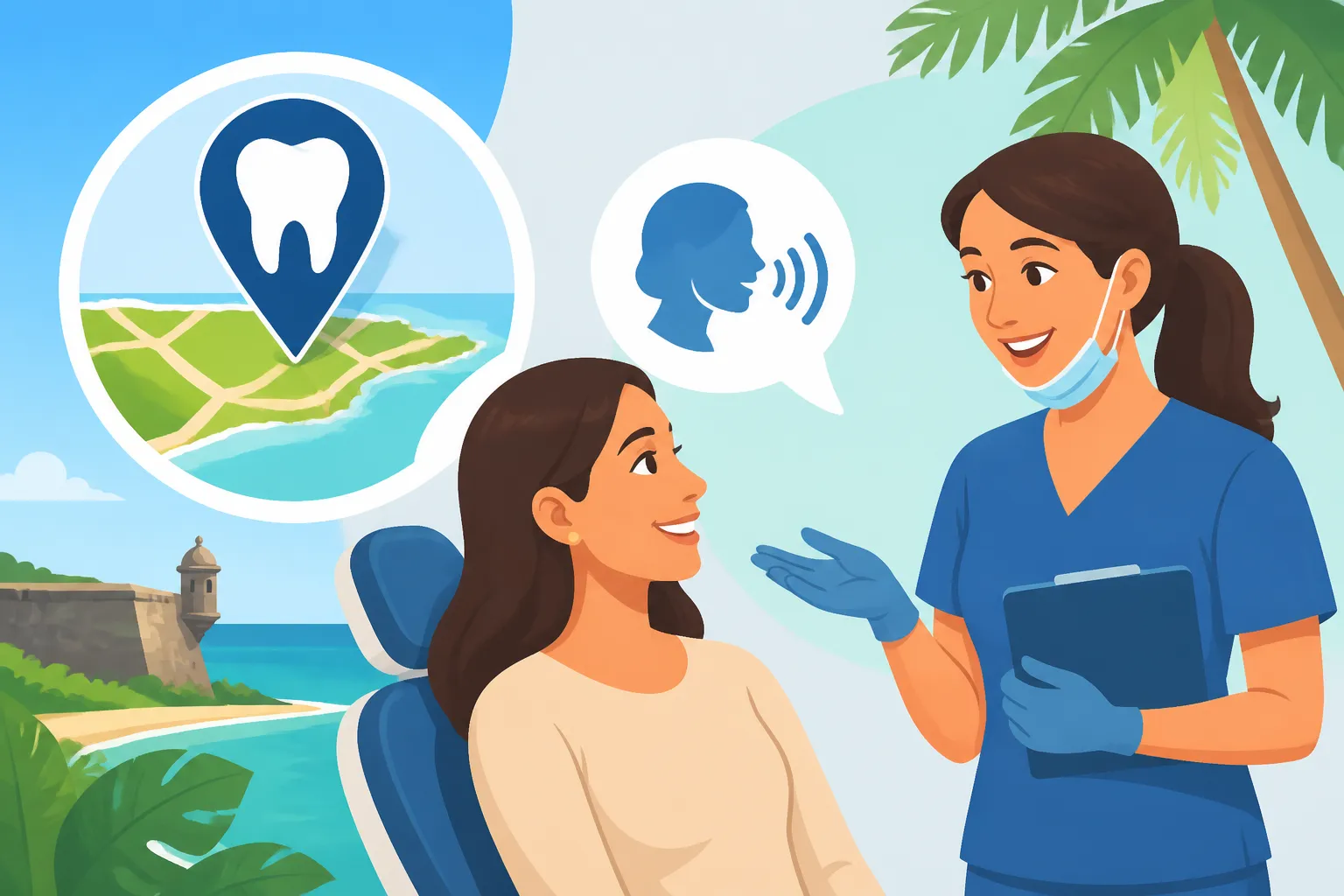
Moving to a new place like Puerto Rico is an adventure, but let’s be real, it also comes with its fair share of anxieties, especially when it comes to vital services like healthcare. One common worry I hear from fellow expats is how to navigate finding a dentist, particularly if your Spanish isn’t quite fluent enough to discuss a root canal or cavity filling with confidence. This guide is here to alleviate that stress, offering practical, step-by-step advice on how to find an English-speaking dentist in Puerto Rico who can make you feel at ease.
The Initial Hurdle: Why Finding an English-Speaking Dentist Can Be Tricky
When you first arrive, everything feels new and exciting, but then a toothache hits, or it's just time for your regular cleaning, and suddenly, the reality of living in a Spanish-speaking territory sets in. Even though Puerto Rico is a U.S. territory, and many people, especially in business and tourism, speak English, healthcare can sometimes be a different story.
The Language Landscape in Puerto Rico's Medical Field
While you'll find plenty of English speakers in San Juan, especially in areas like Condado, Santurce, or Old San Juan, it's not a universal guarantee across the island, nor even within every single dental practice. Spanish remains the primary language of daily life and communication, including in many professional settings. It’s not uncommon to call a dental office, only to find that the receptionist, or even the dentist themselves, prefers to communicate in Spanish. This can be genuinely frustrating, even for those of us who have lived here for years and picked up a fair amount of Spanish. When it comes to discussing intricate medical or dental procedures, understanding every nuance is absolutely critical. You want to be able to ask questions freely, express your concerns, and fully comprehend the diagnosis and treatment plan without a language barrier adding another layer of stress. Imagine trying to explain a throbbing molar pain in rudimentary Spanish – it’s just not ideal.
Navigating Cultural Nuances in Dental Care
Beyond the language itself, there are sometimes subtle cultural differences in how services are rendered and how communication flows. For instance, mainlanders might be used to a very direct, appointment-driven approach, while in some smaller, local practices here, things might feel a bit more relaxed or informal. Appointments might be scheduled with a little more flexibility, or you might find yourself waiting a bit longer than you’re accustomed to, which is just part of the island pace. Also, the patient-provider dynamic can sometimes feel different. What might be considered a standard expectation for patient education or follow-up communication in the States might vary here. It’s not necessarily better or worse, just different. For example, some dentists might expect you to be more proactive in asking questions rather than offering extensive unsolicited explanations, or scheduling follow-ups might require a more direct prompt from your end. Being aware of these potential nuances can help manage expectations and reduce any friction.
Your Toolkit for Finding English-Speaking Dentists in Puerto Rico
Finding the right dentist can feel like a scavenger hunt, but with a bit of strategy, you'll uncover some great options. There are several avenues you can explore, and often, combining a few of them yields the best results.
Online Directories and Professional Associations
Your first stop should absolutely be online. The internet is a powerful tool, even in Puerto Rico, for narrowing down your options.
The Colegio de Cirujanos Dentistas de Puerto Rico (College of Dental Surgeons of Puerto Rico) is the official professional association for dentists on the island. While their website might primarily be in Spanish, it’s an invaluable resource. You can often find a directory of licensed dentists, and sometimes, their profiles will indicate language proficiencies. If not, at least you have their contact information, which leads to the next step: direct calling.
Beyond this official body, don't underestimate standard online search engines. A simple Google search for "English-speaking dentist San Juan" or "dentist Puerto Rico English" can bring up practices that specifically cater to expats or tourists. Websites like Google Maps, Yelp, and HealthGrades are also surprisingly useful here. Many people leave reviews, and often, fellow English speakers will mention if the staff or dentist speaks English. Take the time to read through comments; they often contain goldmines of information. I've personally found several great spots just by paying attention to what other expats are saying in their online reviews. You might also find that practices in more tourist-heavy or expat-dense areas, like Condado or Dorado, are more likely to have bilingual staff. For a broader understanding of the local healthcare system, you might want to read our guide on The Complete Guide to Healthcare in Puerto Rico for New Residents (2027).
Leveraging Your Network and Expat Communities
Honestly, sometimes the best advice comes from a real human being who has been there, done that. Word-of-mouth recommendations are incredibly powerful, especially in a place like Puerto Rico where personal connections often open doors.
- Ask Your Friends and Neighbors: If you already know people who have moved here, whether they’re friends, colleagues, or even new acquaintances from your neighborhood, ask them directly who they go to for dental care. They've likely gone through the same search and can point you toward reliable, English-speaking practices. I can't tell you how many great recommendations I've gotten for everything from plumbers to pediatricians, just by chatting with neighbors.
- Join Expat Groups Online: Facebook groups are a fantastic resource for expats in Puerto Rico. Search for groups like "Expats in Puerto Rico," "Puerto Rico Expat Community," or even more localized ones if you live outside San Juan. Post your question there! You’ll often get a flood of recommendations from people who are eager to share their experiences and help a newcomer out. These groups are also excellent for understanding things like Understanding Dental Coverage and Costs in Puerto Rico from a practical, expat perspective.
Direct Contact and Initial Consultations
Once you have a shortlist of potential dentists, pick up the phone. This might seem obvious, but it’s the most direct way to get your answer.
- Call and Ask Directly: When you call a dental office, don't hesitate to ask right away, "Do you have a dentist or hygienist who speaks English?" or "Is there anyone on staff who can communicate with me in English?" Be polite but firm about your need for clear communication. Even if the receptionist primarily speaks Spanish, they might be able to transfer you to someone who is bilingual. Sometimes, it's not the dentist themselves, but a key assistant or the office manager who handles English-speaking patients.
- Consider a Quick Consultation: For more complex procedures, or if you just want to get a feel for the practice, consider scheduling a brief initial consultation. This isn't always common for basic cleanings, but for something like cosmetic work, orthodontics, or major restorative dentistry, it's a great way to meet the dentist, see the facility, and gauge how comfortable you feel with their communication style and overall approach. It’s perfectly acceptable to use this first visit primarily to assess the language capabilities and ensure you'll be able to effectively discuss your needs.
What to Consider Beyond Language: Quality, Cost, and Coverage
While finding an English-speaking dentist is paramount for clear communication, it’s just one piece of the puzzle. You also need to ensure you’re getting quality care that aligns with your budget and insurance coverage.
Assessing Dental Practice Quality and Specializations
Just like anywhere else, the quality of dental care in Puerto Rico can vary. You want to make sure you're getting top-notch treatment, especially if you're investing in something significant.
- Research Credentials and Experience: While a dentist speaking English is great, you also want to ensure they're qualified. Most dentists in Puerto Rico are graduates of dental schools and are licensed by the local board, which often means they've met U.S. standards. However, don't shy away from asking about their experience, especially with the specific procedure you might need. If you’re looking for a specialist, such as an orthodontist or an endodontist, confirm their specialization and board certifications.
- Facility and Technology: Pay attention to the cleanliness and modernity of the clinic. Does it look well-maintained? Are they using up-to-date equipment? A modern facility often indicates a commitment to quality and patient comfort. You might be accustomed to certain technologies in dental care, and it’s good to ensure the practice you choose meets those expectations.
- Patient Reviews and Referrals: Again, online reviews and personal referrals are invaluable here. If multiple people in the expat community rave about a particular dentist, that's a strong indicator of good quality. A good patient-dentist rapport goes a long way in ensuring you feel heard and receive personalized care. This is similar to how you would choose any doctor, and if you need an English-speaking general practitioner, check out How to Find an English-Speaking Doctor in Puerto Rico?.
Understanding Dental Costs and Payment Options
Dental care costs in Puerto Rico can sometimes be lower than on the U.S. mainland, but it's not always a dramatic difference, and it certainly depends on the specific procedure and practice.
- Typical Costs: For a standard cleaning and exam, you might expect to pay anywhere from $60-$150 without insurance. A basic filling could be $100-$300, and a crown might range from $700-$1,500 or more. These are just estimates, of course, and can vary wildly. It’s always best to ask for a detailed quote before any major work begins.
- Insurance Coverage: Most general health insurance plans in Puerto Rico, even private ones, do not include extensive dental coverage. Dental insurance is typically a separate policy. If you have a private health plan, check if it has a dental add-on or a network of dentists it works with. Some dentists might offer discounts for cash payments, especially if you don't have local dental insurance. Always ask about payment plans if you're facing a significant expense. For more details on this, our article Understanding Dental Coverage and Costs in Puerto Rico can provide deeper insights.
- Comparing Costs: Don't be afraid to call a couple of different offices and compare pricing for common procedures. While you don't want to choose solely based on price, it's smart to be an informed consumer.
Health Insurance and Emergency Dental Situations
Dental emergencies are the worst, and they become even more stressful when you’re new to a place and worried about language or coverage.
- Dental vs. Medical Insurance: It's crucial to understand that dental coverage is often distinct from your primary health insurance. Your Health Insurance in Puerto Rico: Plans, Costs and Options Explained (2026) likely won't cover routine dental cleanings or fillings. However, some major medical plans might cover emergency dental work if it's due to an accident (e.g., a broken jaw or tooth from a fall), but not for issues like severe decay. Always check your specific policy.
- Traveler's Insurance and Emergency Dental: If you are a newcomer still getting your local insurance sorted, or if you're a long-term tourist, consider traveler's insurance options. Companies like SafetyWing offer travel medical insurance that might include provisions for unforeseen emergency dental issues, typically related to accidents or acute pain relief rather than routine care. It's not a substitute for comprehensive dental insurance, but it can be a lifesaver in a pinch. Just be sure to read the fine print regarding dental coverage, as it usually has specific limitations and deductibles. It's a temporary solution for those unpredictable moments, offering some peace of mind for the unexpected.
- What to Do in a Dental Emergency: If you find yourself in a dental emergency, don't panic. Call 911 if it's a severe trauma affecting your overall health, but for most urgent dental issues (severe pain, broken tooth, lost filling), you'll need an emergency dentist. Many practices reserve a few slots daily for emergencies. When you call, clearly state it's an emergency, and reiterate your need for an English-speaking professional. Sometimes, larger dental clinics or those affiliated with hospitals might have a better chance of accommodating emergency walk-ins or same-day appointments. You can also refer to our guide on Emergency Medical Care in Puerto Rico: What Every Resident Needs to Know for broader emergency health advice.
Practical Tips for a Smooth Dental Experience
Once you've identified a promising English-speaking dental practice, a little preparation can go a long way in ensuring your first visit, and all subsequent ones, are as smooth as possible.
Preparing for Your First Appointment
The first appointment is usually about establishing care, doing a thorough check-up, and often a cleaning. Be prepared to share your dental history and any current concerns.
- Gather Previous Records: If you can get your hands on them, bringing your previous dental records, especially X-rays, can be incredibly helpful. This saves time and avoids unnecessary duplicate procedures, giving the new dentist a full picture of your oral health history. Your old dentist might be able to email them directly to your new practice here.
- Prepare Your Questions: Write down any questions or concerns you have in English. This could be about past dental issues, current symptoms, potential treatment options, or even questions about the clinic's sterilization procedures. Having them written down ensures you don't forget anything important in the moment, especially if you're a bit nervous.
- Arrive Early for Paperwork: Like any new medical office, there will be paperwork. Plan to arrive 15-20 minutes before your scheduled appointment to fill out new patient forms, which will likely ask for your medical history, current medications, and insurance information. While many forms are bilingual, having extra time means you won't feel rushed trying to understand everything. For general document advice, take a look at What Documents Do I Need to See a Doctor in Puerto Rico?.
Communication Strategies When Language is a Bridge, Not a Barrier
Even with an English-speaking dentist, sometimes technical terms or subtle instructions can get lost in translation. Having a few strategies up your sleeve can make all the difference.
- Speak Slowly and Clearly: This sounds simple, but it’s effective. Even if the dentist is fluent in English, speaking at a moderate pace ensures they can fully process what you’re saying. Don’t rush through your explanation of symptoms or questions.
- Don't Be Afraid to Ask for Clarification: If you don't understand something, always ask them to rephrase it or explain it in simpler terms. A good dentist will be happy to ensure you fully comprehend everything. Say, "Can you explain that again?" or "What exactly does that mean?"
- Use Visual Aids (If Needed): Sometimes, pointing to a diagram or even using a translation app for a very specific term can help. Many phones have excellent real-time translation features now, which can bridge small gaps in understanding during a conversation.
- Many are Truly Bilingual: In popular expat areas, it's common to find dental clinics where the dentist and much of the staff are genuinely bilingual, accustomed to treating patients from the mainland. This ensures that communication isn't just adequate, but truly seamless, which is what you want for something as personal as dental care. Many medical professionals have trained or worked on the mainland and are perfectly comfortable switching between languages.
Follow-Up and Ongoing Care
Building a relationship with a good dentist means ensuring consistent follow-up and ongoing preventive care.
- Schedule Your Next Appointment: Before you leave the office, it's a good practice to schedule your next cleaning or follow-up appointment. This helps you stay on track with your oral health.
- Consistent Care is Key: Regular check-ups and cleanings are crucial for maintaining good dental health and catching any issues early. Once you’ve found a dentist you trust and can communicate with, stick with them! It makes future visits much less stressful. If you have children, finding a good family dentist or even a pediatric specialist is important. Our article on How Do I Find a Pediatric Dentist in Puerto Rico? might be helpful in that regard.
Remember, finding an English-speaking dentist in Puerto Rico is entirely doable, and many excellent professionals are ready to welcome you. It might take a little legwork at first, but the peace of mind that comes with clear communication about your health is absolutely worth it.
Quick Guide to Finding an English-Speaking Dentist
| Method | Pros | Cons | Language Consideration |
|---|---|---|---|
| Online Directories | Wide range of options, contact details readily available, some list languages spoken. | Information may be outdated, reviews might not mention language, can be overwhelming. | Look for specific mentions of "English spoken" or "bilingual staff" in profiles or reviews. |
| Expat Community Forums | Personal recommendations from trusted sources, direct answers to language questions, hyper-local advice. | Information can be anecdotal, might get too many options, privacy concerns in public groups. | Explicitly ask for dentists with English-speaking staff; members will often confirm this. |
| Direct Phone Calls | Most immediate and accurate way to confirm language availability. | May require speaking some Spanish to the receptionist initially, time-consuming if calling many offices. | Ask directly: "Hablan inglés?" (Do you speak English?) or "Hay un dentista que hable inglés?" |
| Professional Associations | Verifies licenses and credentials, comprehensive list of dentists. | Website often in Spanish, may not specify language proficiency in profiles. | Use list to find numbers, then call directly to confirm English availability. |
| Word-of-Mouth | Highly reliable, often comes with personal endorsement of quality and language. | Limited to your immediate network, might not have options in your specific area. | Your referrer can confirm English proficiency firsthand. |
Disclaimer
The information provided in this guide is intended for general informational purposes only and does not constitute professional advice. While we strive to offer accurate and up-to-date content, healthcare regulations, service availability, and costs in Puerto Rico can change. Always consult with qualified healthcare professionals, legal advisors, or financial experts for advice tailored to your specific situation. We do not endorse any specific healthcare provider or insurance product mentioned herein.