Are Private Hospital Rooms Expensive in Puerto Rico?
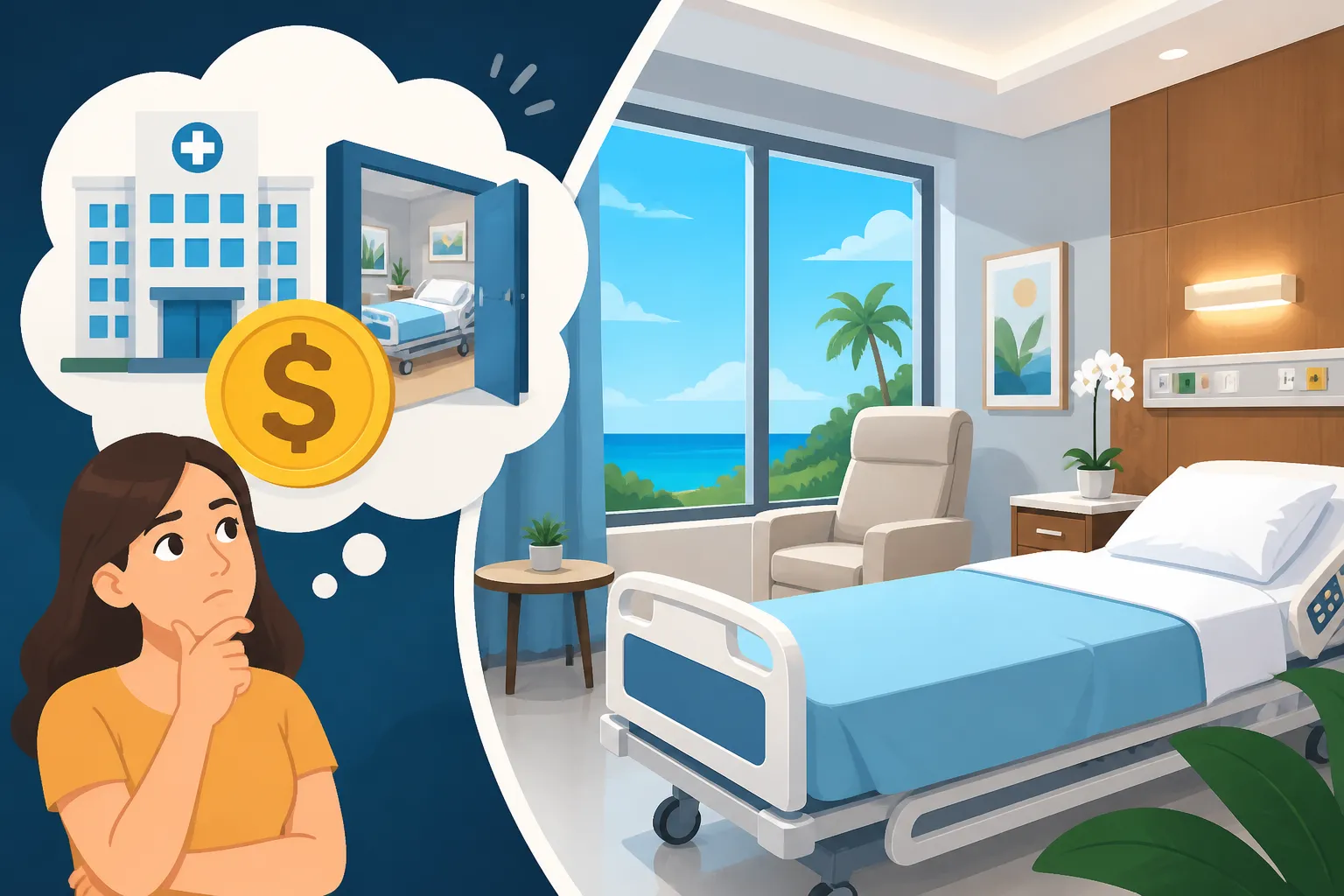
Let's be real, when you're moving to a new place like Puerto Rico, you quickly realize that understanding the healthcare system is paramount. Many expats, myself included, often lean towards private hospitals for that extra layer of comfort and perceived quality, especially when it comes to something as personal as a hospital stay. But then the big question looms: are private hospital rooms expensive in Puerto Rico? This guide is going to walk you through exactly what to expect when it comes to the costs of private hospital rooms, so you’re prepared and not blindsided by an unexpected bill.
Understanding the Cost Factors for Private Hospital Rooms in Puerto Rico
Alright, let's unpack this. Unlike a hotel, where a room is just a room, a hospital room's cost is tied to a whole slew of factors that can make your head spin if you're not ready for them. It’s not just about the four walls and a bed; it’s about the level of care, the facility's reputation, and even its geographical location. You see, the island's healthcare landscape, while part of the US system, has its own unique quirks.
First off, the type of room itself plays a huge role. Are we talking about a standard private room, where you get your own space, bathroom, and a bit of quiet? Or are you looking at a semi-private room, which is becoming less common in newer, more upscale private hospitals but still exists? Then there are the specialized units, like Intensive Care Units (ICU), Coronary Care Units (CCU), or even high-dependency units. These are naturally going to cost significantly more per night, not just because of the specialized equipment, but because of the increased nurse-to-patient ratio and constant monitoring required. It’s a different league entirely.
Then you have the hospital's reputation and location. Hospitals in the San Juan metropolitan area, like Auxilio Mutuo, Ashford Presbyterian Community Hospital, or Hospital Pavia, generally have higher daily rates for private rooms compared to facilities in more rural or less densely populated areas like Mayagüez or Ponce. It’s supply and demand, plus the overhead of operating in a prime location with access to a larger pool of specialists. Think of it like real estate: beachfront property costs more than inland. These institutions often invest more in state-of-the-art technology and attract top medical talent, which, of course, reflects in their pricing structure. When you're trying to figure out your options, a good starting point is our guide on The Guide to Choosing a Private Hospital in Puerto Rico (2027). It really helps break down the differences and what to look for.
Finally, the services bundled into that "room rate" can vary wildly. Sometimes, the basic room charge might just cover the physical space and nursing care, while other essential services like daily physician visits, specific medical supplies, or even meals might be itemized separately. It's truly a maze of billing codes, and unless you're diligent about asking for itemized statements, you might just see a lump sum that doesn't tell the whole story. The duration of your stay and the overall severity of your medical condition, necessitating different levels of intervention and monitoring, will obviously compound these daily room charges into a final, potentially hefty, bill. Understanding The Cost of Healthcare in Puerto Rico: A Complete Breakdown for Newcomers (2026) can provide even more context to these factors.
Comparing Private Hospital Room Costs: What to Expect
Let’s get down to some brass tacks, because this is often what people want to know: actual numbers. Now, I have to preface this by saying that these are always estimates and can change with the wind, but they'll give you a ballpark figure. Remember, prices are dynamic and can fluctuate based on specific hospital policies, negotiation, and even how busy they are.
Generally speaking, for a standard private room in one of the premier private hospitals in the San Juan area, you could be looking at anywhere from $350 to $800 per night. This is for a non-ICU, regular private room. If you opt for a more deluxe private room or a suite, with more amenities and space, that figure can easily jump to $800 to $1500 or even more per night. These are often marketed as a more comfortable experience, almost like a high-end hotel room, but with the added medical infrastructure.
Now, if you end up needing specialized care, like an ICU bed, brace yourself. These costs escalate dramatically due to the constant, intensive monitoring and specialized equipment. An ICU room can range from $1,500 to $3,500+ per night, and that’s before factoring in the cost of specific procedures, medications, or specialist consultations. It's a significant leap, and it highlights why robust health insurance is not just a luxury, but a necessity here. For a fuller picture, exploring How Puerto Rico's Health System Works: Public vs Private Explained (2027) might shed more light on the overall structure.
Here's a rough estimate to give you a clearer idea:
| Hospital Category (San Juan Metro Area) | Average Private Room Cost Per Night (USD, Est. 2026) | Notes |
|---|---|---|
| Standard Private Room (Non-ICU) | $350 – $800 | Varies significantly by hospital, specific amenities, and location within the metro area. |
| Semi-Private Room (if available) | $250 – $550 | Less common in newer, more upscale private hospitals; typically shared with one other patient. Always confirm availability and cost. |
| Deluxe/Suite Private Room | $800 – $1500+ | Enhanced amenities, larger space, and often caters to specific patient comfort requests; usually requires a special request and higher coverage. |
| ICU/Specialized Unit Room | $1500 – $3500+ | Highest cost due to intensive monitoring, specialized equipment, and higher staffing ratios. Does not include procedures or medications. |
It's important to remember that these figures are for the room itself and the basic nursing care associated with it. Your total hospital bill will also include charges for:
- Doctor's fees: The surgeon, anesthesiologist, specialists, and daily rounds by your attending physician.
- Tests and procedures: Lab work, imaging (X-rays, MRIs, CT scans), surgeries, therapies.
- Medications: Prescription drugs administered during your stay.
- Medical supplies: Dressings, IV fluids, catheters, etc.
So, while the room cost is a chunk, it's often just one part of a much larger equation. When you get that bill, make sure you understand Understanding Hospital Admission and Billing in Puerto Rico.
Navigating Insurance Coverage for Private Hospital Stays
This is where things can get truly perplexing for newcomers. Having the right health insurance is absolutely critical if you want to avoid paying these room costs entirely out of pocket. Without it, even a short private hospital stay can quickly run into thousands of dollars.
Most local private health insurance plans in Puerto Rico, offered by companies like Triple-S, MCS, or Humana, will cover private hospital rooms, especially if deemed medically necessary. However, the extent of that coverage truly varies. You’ll need to familiarize yourself with your plan's specifics regarding deductibles, co-insurance, and out-of-pocket maximums. A deductible is the amount you pay before your insurance starts to cover costs, while co-insurance is a percentage you still owe even after your deductible is met. It’s not uncommon for plans to cover 80% of eligible hospital charges after you’ve met your deductible, leaving you responsible for the remaining 20% until you hit your out-of-pocket maximum. Our guide on Understanding Co-Pays, Deductibles and Premiums in Puerto Rico dives deeper into these terms.
A huge consideration for many expats is whether their mainland US health insurance will work here. While Puerto Rico is part of the US, many mainland plans treat medical services on the island as "out-of-network" or even "out-of-country." This means your benefits might be severely reduced, or you might have no coverage at all, leaving you footing a substantial portion of the bill. It's a really common pain point, and we've got a whole article on Does My Mainland Health Insurance Work in Puerto Rico? that you should definitely check out. It really drills into the nuances of this specific challenge.
Even if you're just visiting or in the process of securing a local plan, temporary insurance options like SafetyWing can be a real lifesaver, offering a safety net for unexpected medical needs, including emergency hospital stays. These types of plans are specifically designed for digital nomads and expats, providing coverage when your primary insurance might not. It’s worth looking into, especially during your initial transition or if you frequently travel.
The key is to understand your plan's "provider network." Private hospitals in Puerto Rico will have affiliations with various insurance carriers. Staying "in-network" will always result in lower costs and better coverage. Going out-of-network, even for a hospital just down the road, can lead to much higher co-insurance payments or even outright rejection of claims, meaning you’ll pay the full charge yourself. Before any planned hospital stay, always, always get pre-authorization from your insurance company. This confirms that the service is covered and helps clarify your financial responsibility upfront. If you’re a newcomer, figuring out How to Get Health Insurance When You Move to Puerto Rico is one of the first critical steps.
Tips for Managing Hospital Costs as an Expat
Navigating healthcare costs in a new country can feel like swimming against the current, but with a bit of foresight and the right information, you can manage it. Many expats get caught off guard, so here is some practical advice.
Firstly, get proper local insurance as soon as possible. I cannot stress this enough. Relying on mainland insurance or no insurance at all is a gamble you don't want to take with your health or your finances. Local plans are designed for the Puerto Rico system and will give you the best coverage and access to in-network providers, including private hospitals. We have a comprehensive guide on Health Insurance in Puerto Rico: Plans, Costs and Options Explained (2026) that will walk you through the various options.
Secondly, always verify your coverage and get pre-authorization. For any non-emergency hospital stay, or even significant outpatient procedures, contact your insurance company ahead of time. They can confirm if the specific hospital and the services you’re anticipating are covered, and what your estimated out-of-pocket costs will be. This step prevents nasty surprises down the line. It's a bureaucratic hurdle, yes, but a necessary one to protect your wallet.
Thirdly, ask for an itemized bill. When you or a loved one is discharged, don’t just accept a summary statement. Request a detailed, itemized bill. This allows you to scrutinize every charge. Mistakes happen, and sometimes services or supplies you didn't receive can end up on your bill. It’s your right to understand exactly what you’re paying for. If you have questions about specific charges, don't hesitate to contact the hospital's billing department and your insurance company for clarification. Sometimes, it feels like you're learning a whole new language just to read the bill, but it's worth the effort.
Fourth, build an emergency fund or consider travel/expat insurance for initial periods. If you’re just moving to the island and your local health plan hasn't kicked in yet, or if you're a frequent traveler, having an emergency fund specifically for medical surprises can be a lifesaver. Alternatively, for those early days, or if you travel frequently, checking out options like SafetyWing that specialize in international travel and expat health can give you extra peace of mind. These plans often provide robust emergency medical coverage that can bridge gaps or serve as primary coverage for unforeseen events. Knowing Emergency Medical Care in Puerto Rico: What Every Resident Needs to Know will also help you understand how to act when an urgent situation arises.
Finally, don't be afraid to ask questions. The healthcare system here can be intimidating, especially if your Spanish isn't fluent. Bring a friend or family member who speaks Spanish, or use translation apps if you need to. Ask doctors, nurses, and administrative staff about procedures, costs, and billing. The more informed you are, the better you can advocate for yourself and manage your expenses. For general insights into healthcare expenditures, you might want to read How Much Does Health Insurance Cost in Puerto Rico in 2026?. Getting familiar with How to Access Specialist Care Through Private Hospitals in Puerto Rico can also equip you with useful knowledge about referrals and associated costs within private networks.
Disclaimer
The information provided in this article is for general informational purposes only and does not constitute medical, financial, or legal advice. Healthcare costs, insurance plans, and regulations in Puerto Rico are subject to change. Always consult with qualified professionals, such as insurance agents, financial advisors, and healthcare providers, for advice tailored to your specific situation.