Can I Renew My Mainland License from Puerto Rico?
Moving to a new place always comes with a mountain of administrative tasks, and figuring out what to do with your driver's license is often high on that list. Many of us expats arrive on this beautiful island, holding onto our trusty mainland state driver's license, wondering if we can just renew it online or by mail from here. The short answer, and one that often catches newcomers off guard, is generally no, you cannot renew your mainland license directly from Puerto Rico. This guide will clarify why that's the case and, more importantly, lay out the steps you do need to take to legally drive here.
The Blunt Truth: Why You Can't Renew a Mainland License Here
Let's get straight to it: your mainland driver's license is tied to the state that issued it. When you moved to Puerto Rico, you essentially changed your primary residence, even if you still maintain ties to your previous state. The Department of Transportation and Public Works (DTOP) and its service centers, CESCO (Centro de Servicios al Conductor), here in Puerto Rico operate independently from your former state's Department of Motor Vehicles (DMV). They simply don't have the authority or the system to renew a license issued by another jurisdiction, whether it's California, New York, or Florida.
Understanding Jurisdiction: State vs. Commonwealth
Think of it this way: Puerto Rico is a U.S. territory, a commonwealth, but it functions like its own sovereign entity when it comes to local governance, including vehicle registration and driver's licenses. Just as you wouldn't expect to renew a Florida driver's license at a California DMV, you can't do it at a CESCO in Caguas or Arecibo. Each state, and in this case, the Commonwealth of Puerto Rico, has its own distinct set of laws, databases, and requirements for licensing drivers within its borders.
Your mainland license signifies that you are a resident of that state for driving purposes. Once you establish residency in Puerto Rico, which you must do if you're planning on staying long-term, your legal obligation shifts to obtaining a Puerto Rico driver's license. It’s not just a technicality; it’s about maintaining accurate records for road safety, insurance, and legal identification within the territory you now call home. This is a critical step in How to Establish Bona Fide Residency in Puerto Rico (2027).
The Logistical Hurdles
Even if there were some diplomatic agreement, the logistical hurdles would be immense. Imagine trying to verify your identity, residency, and driving record across two entirely separate governmental systems, often operating on different technological platforms and with varying requirements. It's simply not practical. Your old state would need physical proof of residency, often a utility bill or bank statement, from their state address to process a renewal. They wouldn't accept a LUMA electricity bill or an AAA water bill from Humacao.
Furthermore, many states require you to appear in person for certain renewals, especially if your photo is outdated or if there have been any changes to your driving record. Attempting to manage this from Puerto Rico, relying on friends or family back on the mainland, would be a bureaucratic nightmare. Shipping documents back and forth, dealing with international (even if it's U.S. domestic mail rates) mail times, and the potential for lost paperwork? It's a recipe for stress, and frankly, it's not the correct legal path. Your best bet is to embrace the process of acquiring a local license. This is a common part of The Complete Relocation Checklist for Moving to Puerto Rico (2027).
Your Path Forward: Getting a Puerto Rico Driver's License
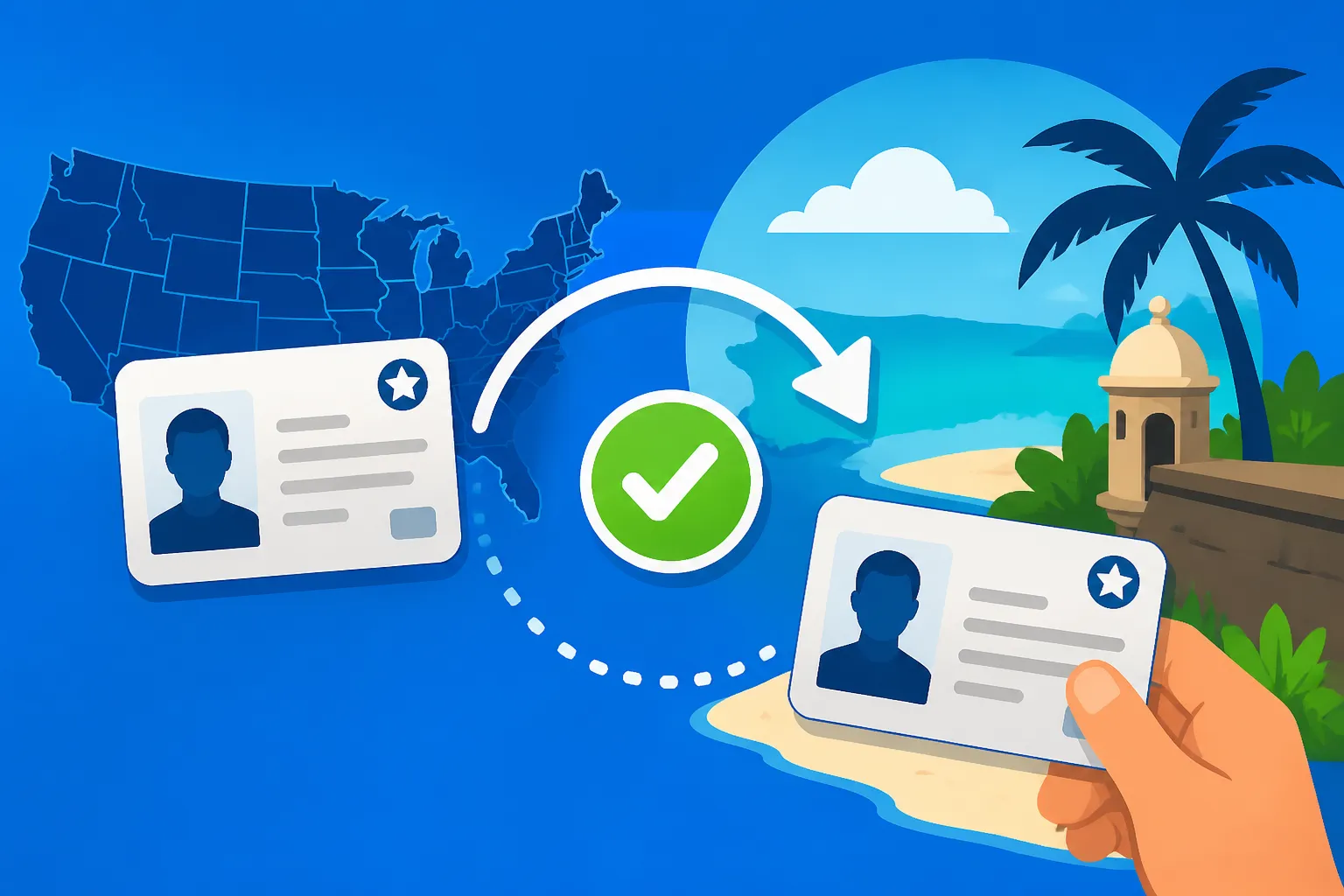
Since renewing your mainland license from Puerto Rico isn't an option, your next step is to officially transfer it or, more accurately, apply for a new Puerto Rico driver's license. This process, while it can feel like a trek through a labyrinth, is entirely manageable with patience and preparation. It's often one of the first major bureaucratic hurdles newcomers face, right alongside setting up utilities or figuring out local banking.
The CESCO Gauntlet: What to Expect
CESCO centers are the equivalent of the DMV in Puerto Rico, and they are where you’ll handle all your driver's license needs. Each CESCO can feel a bit different, but expect a system that might not always be as streamlined as what you’re used to on the mainland. Long waits are common, especially in major urban centers like San Juan or Ponce. My advice? Arrive early, bring a book or something to keep you occupied, and mentally prepare for some "island time."
The process typically involves several stages:
- Appointment or Walk-in: While some CESCOs encourage appointments, many still operate on a walk-in basis. It's wise to check the specific CESCO's policy online or by calling ahead if possible.
- Document Verification: This is the most crucial step. A CESCO agent will review all your original documents to ensure they meet the requirements. Any missing or incorrect document will send you back to square one, so double-check everything before you go.
- Eye Exam: You'll undergo a basic eye exam at CESCO. If you wear glasses or contacts, be sure to bring them.
- Written and/or Driving Test: Depending on whether you have a valid mainland license and how long it's been valid, you might be exempt from the written and driving tests. However, it’s always best to be prepared, especially if your mainland license is expired or if you've had it for less than two years.
- Payment: There are fees associated with the application, the eye exam, and the license itself. Make sure you have the required payment method, usually cash or debit card, as credit cards aren't always accepted.
- Photo and Issuance: Once everything is approved, they'll take your photo, and you'll walk out with your shiny new Puerto Rico driver's license! This whole journey is detailed in How to Transfer Your Mainland Driver's License in Puerto Rico.
Essential Documents You'll Need
This is where the real preparation comes in. The list can seem daunting, but gathering everything beforehand will save you immense headaches. Remember, original documents are usually required, not copies.
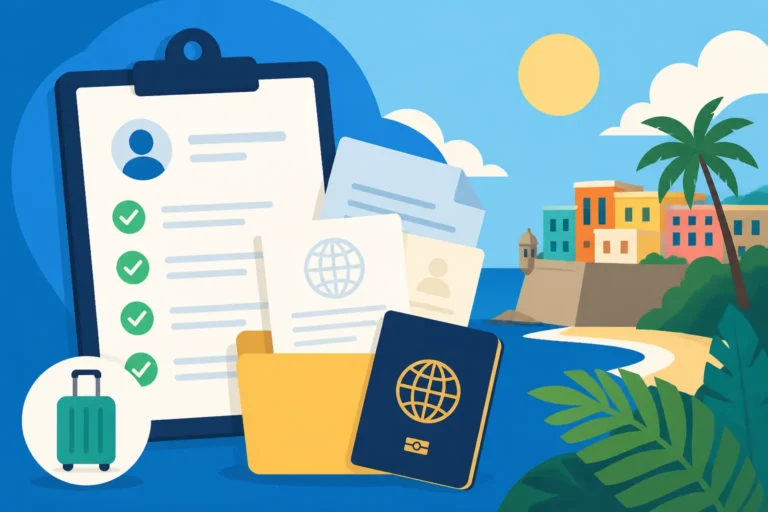
Here’s a typical checklist of what CESCO will ask for when transferring your mainland license:
- Valid Mainland Driver’s License: Your current, unexpired driver's license from your previous state.
- Social Security Card: Your physical Social Security card.
- Proof of Identity: A valid U.S. passport or birth certificate.
- Proof of Legal Presence: U.S. citizens typically use their birth certificate or passport. Non-U.S. citizens will need appropriate immigration documents (e.g., green card, valid visa).
- Proof of Residency in Puerto Rico: This is critical. You'll need at least two documents showing your current physical address in Puerto Rico. Think utility bills (LUMA, AAA), bank statements, or a notarized lease agreement. These must have your name and address printed on them.
- "Comprobante de Multas" (Fines Certificate): This is a certificate from DTOP confirming you have no outstanding traffic fines in Puerto Rico. You can often get this at CESCO or through the CESCO Digital app/website. Don’t skip this, it's a non-negotiable step.
- "Seguro Obligatorio" (Mandatory Insurance) Card: If you already have a vehicle registered in Puerto Rico, you'll need proof of the mandatory liability insurance. This isn't usually required just for getting a license, but if you're registering a car at the same time, it is.
- Medical Certificate (Certificado Médico): You’ll need to get a medical certificate from a licensed doctor in Puerto Rico, attesting that you are medically fit to drive. Many CESCO locations have doctors or clinics nearby that offer this service for a fee, or you can get it from your regular doctor. This is just another example of how locally integrated you need to become, which ties into understanding The Complete Guide to Healthcare in Puerto Rico for New Residents (2027).
- Affidavit of Non-Residency (for Mainland License): In some cases, CESCO might require a sworn affidavit stating you no longer reside in your previous state. This is to formally sever your ties for driving purposes.
This might sound like a lot, and it is. I highly recommend using a relocation service like Sirelo if you're feeling overwhelmed, as they can sometimes help navigate the specific requirements and save you multiple trips to CESCO. They often have up-to-date information on what each specific CESCO branch might require.
The Written and Driving Tests (If Applicable)
Now, here's the good news for most U.S. citizens moving to Puerto Rico with a valid, unexpired mainland license: you're generally exempt from having to take the written knowledge test and the road test. This is a huge relief, believe me! If you had to take those again, it would add another layer of complexity to an already intricate process, especially when trying to understand the nuances of local driving laws and street signs, which are often in Spanish.
However, there are exceptions. If your mainland license has expired beyond a certain grace period (which varies, so check current DTOP regulations), or if you've held it for less than two years, you might find yourself needing to take both tests. This also applies if you are not a U.S. citizen and your previous license was from a foreign country. The written test in Puerto Rico covers local traffic laws, signs, and general driving knowledge. It can be taken in English or Spanish. The driving test is similar to what you might have experienced back home – demonstrating your ability to safely operate a vehicle.
My advice? Even if you're exempt, take some time to familiarize yourself with the Puerto Rico Driver's Manual. You'll learn about unique local road signs, specific traffic rules (like yielding to pedestrians always in crosswalks, which can be enforced more strictly here, or the common practice of ceda el paso – yield the way – even without a formal sign in some informal traffic flows), and even the rules for emergency vehicles. Being knowledgeable not only helps you pass a potential test but also makes you a safer, more confident driver on the island's often challenging roads.
Practical Advice for the Transition Period
So, you've moved to Puerto Rico, and you know you can't renew your old license. What do you do in the interim? How long can you legally drive on your mainland license, and what are the smart steps to take to ensure a smooth transition? These are common and very valid questions that deserve clear answers.
Driving on Your Mainland License Legally
For U.S. citizens who have just moved to Puerto Rico, you can generally drive on your valid mainland driver's license for a grace period. While specific regulations can sometimes be vague or open to interpretation by local authorities, the widely accepted period is up to 120 days (approximately four months) from the date you establish residency. This is the window you have to get your affairs in order and apply for your Puerto Rico license.
During this period, always carry your physical mainland driver's license, proof of vehicle registration (if you have a car here), and proof of insurance. It's also a good idea to keep a copy of your flight itinerary or a lease agreement with you to help establish your date of arrival and residency if questioned. However, once those 120 days are up, you are legally required to have a Puerto Rico driver's license. Driving on an expired mainland license, or after the grace period, can lead to fines, complications with insurance in case of an accident, and unnecessary hassle with law enforcement. Don't risk it. Being prepared for this is part of understanding The Complete Guide to Moving to Puerto Rico as a US Citizen (2027).
Planning Ahead for a Smoother Switch
The key to navigating the CESCO process without tearing your hair out is meticulous planning. Don’t wait until the last minute of your 120-day grace period. Start gathering your documents as soon as you can.
Here are some proactive steps:
- Gather Documents Early: As soon as you decide to move, or even before you arrive, start collecting all the necessary identity and legal presence documents. Make sure your birth certificate or passport is readily accessible.
- Establish Residency Quickly: Get those utility bills in your name, open a local bank account, and get your lease agreement notarized. These are your undeniable proofs of residency in Puerto Rico.
- Learn Some Spanish: While CESCO generally has English-speaking staff, especially in metropolitan areas, being able to communicate in basic Spanish will significantly ease the process. It shows respect for the local culture and can sometimes lead to quicker, clearer interactions. Duolingo or a local tutor can be a lifesaver.
- Budget Time and Money: Factor in the fees for the license application, medical certificate, and any other associated costs. Also, set aside a full day, or even two half-days, for your CESCO visit. It's rarely a quick in-and-out process.
- Check DTOP Website for Updates: Government requirements can change. Regularly check the official DTOP website (dtop.pr.gov) for the most current list of required documents and procedures.
- Consider a Relocation Specialist: For those who prefer a hands-off approach or are short on time, professional relocation services can assist with the document preparation and even accompany you to CESCO. They can act as an invaluable buffer against bureaucratic frustrations, much like some services help with How to Get Health Insurance When You Move to Puerto Rico.
Here's a quick comparison of the two processes:
| Feature | Mainland License Renewal (from mainland) | Puerto Rico License Acquisition (transfer) |
|---|---|---|
| Jurisdiction | State DMV | DTOP/CESCO (Puerto Rico) |
| Eligibility | Resident of issuing state | Bona Fide Resident of Puerto Rico |
| Process | Online, Mail, In-Person (in state) | In-Person (CESCO, Puerto Rico) |
| Documents Required | State ID, Proof of Address (state) | PR ID, Proof of PR Address, SSN, Medical Cert, etc. |
| Tests Required (Basic) | Often none (if unexpired) | Usually none (if valid mainland license) |
| Cost | State-specific renewal fee | PR-specific application & processing fees |
| Key Takeaway | Renewal ties you to mainland residency | Acquisition establishes PR driving residency |
Common Pitfalls and How to Avoid Them
Even with all the preparation in the world, the process of getting your Puerto Rico driver's license can present some unexpected challenges. Knowing what these are ahead of time can help you navigate them with a bit more grace and a lot less stress.
Don't Procrastinate: The Clock is Ticking
I cannot stress this enough: do not wait until the last minute. The 120-day grace period for driving on your mainland license flies by, especially when you're busy settling into a new home, perhaps starting a new job, and just generally adjusting to island life. The CESCO process, as mentioned, can be lengthy and may require multiple visits if you're missing a document or if there's an unforeseen issue. Imagine getting pulled over on day 121 and having to explain why you don't have a valid local license; it's just not a situation you want to be in.
Moreover, if your mainland license expires during this transition, things can get even more complicated. An expired mainland license could mean you lose the exemption from the written and driving tests, adding more steps and delays to your process. Plus, driving with an expired license, even a mainland one, can impact your ability to rent a car or get reasonable rates on local car insurance. This is also why having robust health coverage like Cigna Global is so important when you're navigating new systems; if something unexpected happens on the road, you want to be fully covered regardless of administrative delays.
Language Barriers and Patience
While Puerto Rico is a U.S. territory, Spanish is the dominant language, especially in government offices outside of the most tourist-heavy areas. Many CESCO employees are bilingual, especially in larger branches, but it's not a guarantee. You might encounter agents who are more comfortable in Spanish, and navigating complex bureaucratic terms in a second language can be frustrating for both parties.
My advice again: try to learn some basic Spanish phrases related to identifying yourself, asking for directions, and explaining your purpose. Even a little effort goes a long way. If your Spanish isn't strong, consider bringing a trusted bilingual friend or a professional translator with you, especially for your first visit. Patience is also paramount. Things often move at a different pace here. Trying to rush or becoming visibly agitated will likely be counterproductive. Embrace the experience, be polite, and understand that you are navigating a new system. A smile and a "buenos días" can work wonders.
This process is truly about integrating into the local system, much like understanding How Puerto Rico's Health System Works: Public vs Private Explained (2027) or figuring out Banking in Puerto Rico: A Complete Guide for Newcomers (2027). It's a rite of passage for many expats, a bureaucratic dance that, once mastered, opens the door to greater independence and seamless navigation of your new home. Don't be discouraged; thousands of us have done it, and so can you!
Disclaimer
Please remember that I am an expat blogger sharing personal experiences and information I’ve gathered. While I strive to provide accurate and up-to-date content, rules and regulations in Puerto Rico can change. Always verify current requirements with official government sources like the Department of Transportation and Public Works (DTOP) or consult with a legal professional specializing in Puerto Rico administrative law for the most precise and personalized advice.