Understanding the Difference Between Residency and Domicile in Puerto Rico
Oh, the perennial head-scratcher for anyone making the leap to Puerto Rico: what’s the real difference between residency and domicile? It sounds like legal mumbo-jumbo, but trust me, mixing these up can lead to some serious headaches, especially when it comes to taxes, voting, and accessing those all-important local services. This guide is here to untangle these concepts, offering a clear roadmap for newcomers trying to establish their roots without getting tripped up by administrative nuances.
Unpacking the Basics: What Exactly is Residency?
When most people first arrive on the island, they naturally think, "I live here now, so I'm a resident!" And in a casual, everyday sense, you're absolutely right. If you've been here for a little while, set up a temporary home, and are soaking in the sun, you are residing here. But the legal and tax world often has its own, much more stringent definitions, and it's these official interpretations that will impact your life in ways you might not initially expect.
The Everyday Understanding of "Residency"
In our daily lives, residency is pretty straightforward. You reside where you live. If you've rented an apartment in Condado, your mail goes there, and your toothbrush is in the bathroom, you're residing in Puerto Rico. This simple understanding is usually enough for things like getting local library access, making friends in your neighborhood, or enjoying the local panaderías. You're physically present, conducting your daily affairs, and generally existing within the geographic boundaries of Puerto Rico.
However, relying solely on this common understanding can be a trap. The legal system, especially when considering a move between jurisdictions, requires more. It’s not just about where you lay your head at night, but about a constellation of factors that, together, paint a picture of where you are genuinely planting your flag, at least for a period of time. It's the starting point, but rarely the finish line when it comes to formal recognition of your new life here.
Legal Residency from a Puerto Rico Perspective
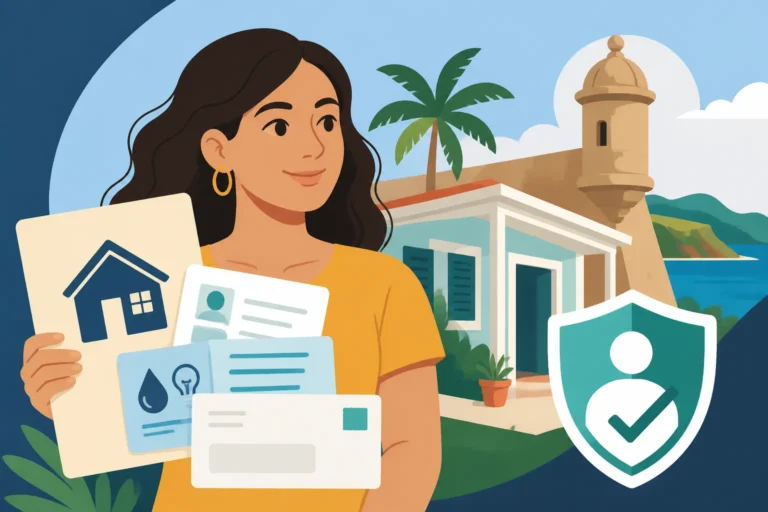
Legally speaking, residency still hinges on your physical presence and the fact that you intend to stay in a particular place for an extended period, even if that period isn't necessarily forever. For official purposes, Puerto Rico will look for tangible proof that you've moved your life here. This includes things like having a local mailing address, setting up utilities in your name with providers like LUMA for electricity and AAA for water, and perhaps even obtaining a local ID. These actions establish a paper trail that demonstrates your physical dwelling and integration into the local infrastructure.
Think of it this way: if you're pulling out your local debit card at the supermarket, filling up your gas tank at a Shell station in San Juan, and waiting for your internet technician from Liberty Communications, you’re building a case for legal residency. You’re not just visiting; you’re engaging with the systems and services that make up daily life here. While distinct from the deeper concept of domicile, establishing clear legal residency is an essential precursor and a solid foundation for everything else that follows.
The Crucial 183-Day Rule and Its Nuances
For those moving from the U.S. mainland, the "183-day rule" is often the first thing that comes to mind when discussing Puerto Rico residency, and for good reason. This rule is primarily tied to the IRS's "Presence Test" for determining bona fide residency in Puerto Rico for tax purposes. To be considered a bona fide resident by the IRS, you generally must be present in Puerto Rico for at least 183 days during the tax year. This seemingly simple calculation is critical because it helps determine whether your Puerto Rico-sourced income is exempt from federal income tax.
However, there are nuances that many overlook. The 183 days don't have to be consecutive, and there are specific rules about what counts as a "day" for these purposes. For instance, a day spent in transit to or from the U.S. mainland generally won't count as a day of presence in Puerto Rico. Furthermore, while crucial for tax benefits, meeting the 183-day rule alone does not automatically establish your domicile, which is a much deeper legal concept we'll explore next. It's one piece of the puzzle, a foundational element, but it's not the entire picture of committing your life to the island. For a deeper dive into this, you might want to read our guide on Bona Fide Residency in Puerto Rico: The Definitive Tax Guide (2027).
Domicile: The Deeper, More Permanent Tie
If residency is about where you physically are, domicile is about where your heart and your intent truly lie. It's the legal concept of your true, fixed, and permanent home, the place to which you intend to return whenever you are absent. For expats navigating the administrative waters of Puerto Rico, understanding domicile is absolutely paramount, as it underpins many of your most significant legal and financial statuses.
Defining Domicile: Intent and Permanent Home
Domicile isn't just about showing up; it's about showing commitment. It's the place you consider your primary and permanent home, even if you travel frequently or maintain other temporary residences. The key differentiator here is intent. Do you intend for Puerto Rico to be your forever home, or at least your indefinitely-long-term home? This intent must be coupled with actual physical presence. You can only have one domicile at any given time, no matter how many places you might reside.
For instance, if you rent a beautiful villa in Dorado and spend more than 183 days there, you're a resident. But if you keep your old house on the mainland, still get most of your mail there, and tell all your friends you're just "wintering in Puerto Rico," your domicile might still be on the mainland. The legal system wants to know where you genuinely see yourself settling down, where you plan to live out your days or at least for the foreseeable future. This requires a much more robust demonstration than just being physically present.
Why Domicile Matters More Than You Think
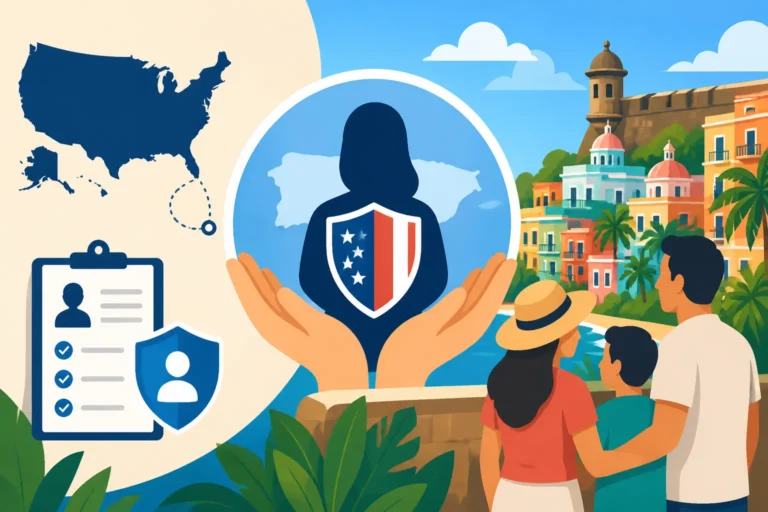
While residency handles your day-to-day living, your domicile determines which set of laws governs some of the most fundamental aspects of your life. This includes where you can legally vote, which state's laws apply to your will or estate (probate), and even where you would file for divorce. For those coming from the U.S. mainland, your domicile determines if you truly sever those state-level ties and fully embrace Puerto Rico's legal framework for these critical matters.
Furthermore, domicile is a cornerstone of establishing bona fide residency with the IRS, which is essential for enjoying the federal tax exemptions on Puerto Rico-sourced income. Without a clear and demonstrable intent to make Puerto Rico your permanent home (i.e., establishing domicile), your claim to bona fide residency can be challenged, potentially leading to significant tax liabilities. This isn't just a technicality; it's the foundation upon which many of your relocation benefits and legal protections rest.
Factors Proving Your Puerto Rico Domicile
Proving your domicile is like building a legal mosaic, piece by piece. No single action guarantees domicile, but a collection of clear, deliberate steps creates an undeniable picture of your intent. The more ties you sever with your previous domicile and establish with Puerto Rico, the stronger your case.
Here are some key actions that loudly proclaim your intent to make Puerto Rico your true home:
- Obtaining a Puerto Rico Driver's License or State ID: This is a big one. It clearly shows you're identifying with the local jurisdiction. You can learn more about this process in our guide on How to Get Your Puerto Rico Driver's License and ID (2026).
- Registering to Vote in Puerto Rico: If you intend to participate in local elections and civic life, that's a strong indicator. Our article on How to Register to Vote After Moving to Puerto Rico offers detailed steps.
- Opening Local Bank Accounts and Consolidating Finances: Shifting your primary banking relationships to local institutions like Banco Popular or Oriental Bank and closing mainland accounts demonstrates a financial commitment to the island. You might find our guide on The Newcomer's Guide to Opening a Bank Account in Puerto Rico helpful here.
- Registering Your Vehicle in Puerto Rico: Just like your driver's license, registering your car here confirms your intent to operate and live under Puerto Rico's regulations.
- Moving All Significant Personal Belongings: Shipping your furniture, family heirlooms, and everything that makes a house a home, signifies a long-term commitment. Reputable relocation companies like Sirelo specialize in making this process smoother, which can also provide documentation of your move.
- Establishing a Primary Residence: Whether you rent or buy, truly setting up a home, enrolling children in local schools, and setting up all utilities are crucial.
- Updating Legal Documents: Changing your will, estate plan, and any other legal documents to reflect Puerto Rico as your domicile is a formal declaration of intent.
- Severing Mainland Ties: Closing memberships to mainland clubs, changing mailing addresses for all subscriptions, and ensuring all professional licenses are transferred to Puerto Rico (if applicable) are important.
- Community Involvement: Joining local churches, civic groups, or volunteer organizations further demonstrates your integration and intent to be a part of the community. Finding local doctors and dentists shows a long-term plan for your well-being on the island. While you might initially use international health insurance like Cigna Global for global coverage, transitioning to a local plan is another sign of domicile.
Why the Distinction Matters: Tax, Benefits, and More
The interplay between residency and domicile isn't just academic; it has profound, tangible effects on your daily life, your finances, and your legal standing here in Puerto Rico. Misunderstanding or misrepresenting these concepts can lead to anything from minor inconveniences to major legal and financial penalties. For many, the move to Puerto Rico is driven by specific incentives, and the validity of those incentives hinges directly on a correct understanding and establishment of both residency and domicile.
Tax Implications: Hacienda vs. Federal and Act 60
This is arguably the biggest reason why the distinction matters, especially for U.S. citizens relocating to Puerto Rico. If you establish bona fide residency in Puerto Rico (which requires both meeting residency criteria and proving domicile), your income sourced from within Puerto Rico can be exempt from federal income tax. This is a monumental benefit, but it’s contingent upon successfully navigating the intricacies of bona fide residency, which is far more than just spending 183 days on the island. It requires demonstrating that Puerto Rico is truly your tax home and that you have a "closer connection" to the island than to any other place.
You'll be filing local income taxes with Hacienda, Puerto Rico's Treasury Department, for your Puerto Rico-sourced income. Understanding How Puerto Rico Taxes Work: Federal vs Local (Hacienda) Explained (2027) is critical. Furthermore, for those seeking the generous tax incentives under Act 60, establishing both bona fide residency and domicile is a non-negotiable prerequisite. Without clear proof of domicile, any Act 60 decree could be challenged, leading to the loss of those substantial tax benefits and potentially significant back taxes. The IRS actively scrutinizes these cases, so a well-documented and genuinely established domicile is your best defense. For more on the incentives, see Understanding Act 60 Tax Incentives in Puerto Rico: The Full Guide (2026).
Accessing Local Benefits and Services
Beyond taxes, your domicile dictates your eligibility for a range of local government benefits and services. If you're merely a long-term resident without establishing domicile, you might find yourself in a gray area for certain programs. For example, local healthcare plans, including the government-subsidized Vital Plan, often require clear proof of Puerto Rico residency and domicile. If you're just seen as a "visitor" by the system, even a very long-term one, you could be excluded.
This also extends to things like in-state tuition rates for public universities, certain social services, and even local business permits. The island’s infrastructure and social support systems are designed for its permanent inhabitants, and if you haven't definitively proven your intent to be one of those, you might face hurdles. It’s about more than just physical access; it's about being recognized as a fully integrated member of the community, entitled to the same rights and access as any other local.
Legal Standing: Voting, Courts, and Inheritance
Your domicile establishes your legal "home," which has profound implications for your fundamental legal rights and obligations. One of the most direct impacts is your right to vote. You can only vote in the jurisdiction where you are domiciled. If you maintain your mainland voter registration, it's a clear signal that your domicile is still there, regardless of how long you've resided in Puerto Rico.
Furthermore, domicile determines the jurisdiction for critical legal matters such as divorce proceedings, child custody, and perhaps most importantly, inheritance and estate planning. The laws of your domicile dictate how your assets are distributed upon your death and which courts have jurisdiction over your estate. If your domicile is still legally tied to a mainland state, your Puerto Rico assets could be subject to probate laws there, potentially complicating matters for your loved ones. Ensuring your domicile aligns with your chosen home in Puerto Rico is crucial for peace of mind and for ensuring your wishes are legally enforceable under the island’s laws.
Navigating the Grey Areas: Common Expat Scenarios
Life is rarely black and white, and for many expats, the journey to establishing full residency and domicile in Puerto Rico comes with its own shades of grey. It’s easy to get caught between two worlds, especially when you're still in transition or have family and business ties on the mainland. Understanding these common scenarios can help you identify potential pitfalls and take proactive steps to ensure your legal standing is as clear as possible.
The "Snowbird" or Part-Time Resident Dilemma
This is a classic scenario for many who are drawn to Puerto Rico's climate. They might spend six to nine months of the year on the island, easily surpassing the 183-day physical presence rule, while maintaining a primary residence, family ties, and social connections on the mainland. While they are clearly residents of Puerto Rico for a significant portion of the year, they often fail to establish domicile here. Their intent is to temporarily reside, escaping winter or enjoying a change of scenery, with a clear plan to return to their permanent home elsewhere.
The danger for "snowbirds" is accidentally triggering tax residency without establishing domicile, or worse, claiming domicile without truly intending it. If the IRS or Hacienda investigates and finds that your "closer connection" is still to the mainland, despite meeting the 183-day test, you could face hefty penalties. These individuals might maintain mainland driver's licenses, keep their voter registration there, and have most of their financial life anchored off-island. While perfectly legal to be a part-time resident, it's crucial not to confuse this with the legal definition of domicile if you're seeking the full benefits of being a true Puerto Rico resident.
Maintaining Mainland Ties While Establishing PR Domicile
It's natural to have lingering connections to your previous home. You might own property there that you haven't sold yet, have adult children, or maintain professional licenses that still require some interaction with the mainland. The challenge lies in demonstrating that despite these ties, your intent to make Puerto Rico your permanent home is paramount. It’s a delicate balancing act, and you must consciously shift the "center of gravity" of your life to the island.
This means actively working to sever those mainland ties and establish new, stronger ones in Puerto Rico. For example, if you still own property on the mainland, is it rented out, or is it sitting empty, ready for your return? If you have mainland professional licenses, are you transferring them or obtaining new ones in Puerto Rico? Your actions need to tell a consistent story: that Puerto Rico is where you intend to live indefinitely. It's a process of gradual yet deliberate disengagement from your old life and deeper integration into your new one. Keep meticulous records of all these shifts; a paper trail is invaluable.
What Happens If Your Residency and Domicile Don't Align?
When your physical residency and your stated or implied domicile are at odds, you enter a dangerous legal territory. This discrepancy is a red flag for tax authorities and other governmental bodies. For instance, if you claim bona fide residency in Puerto Rico for tax benefits (requiring both physical presence and domicile), but your actions suggest your true domicile is still on the mainland (e.g., you vote there, have a mainland driver's license, and all your doctors are there), you could be audited.
The consequences can be severe. This could include the revocation of tax benefits, assessment of back taxes, significant penalties, and interest. Moreover, your legal standing for things like voting rights, estate planning, and even access to local services could be called into question. It’s a situation that generates uncertainty and potential legal battles. Therefore, consistency between where you live, what you do, and what you intend is paramount. When in doubt, it’s always best to err on the side of making your domicile abundantly clear through your actions.
| Feature | Legal Residency (General) | Domicile (Legal) |
|---|---|---|
| Definition | Physical presence and intent to live in a place for a period. | True, fixed, permanent home with intent to return. |
| Intent | Intent to live there for a period (can be temporary). | Intent for it to be your permanent home. |
| Duration | Can be temporary (e.g., 6 months) or indefinite. | Must be permanent or indefinite, not fleeting. |
| Primary Purpose | Day-to-day living, access to local services, meeting presence tests. | Determines legal jurisdiction for major life events, primary tax home. |
| Key Proof | Utility bills, lease/deed, local ID, physical presence records. | Driver's license, voter registration, primary bank accounts, vehicle registration, closing mainland ties, community involvement. |
| Significance | Eligibility for many local services, compliance with local laws for daily life. | Tax benefits (e.g., Act 60, federal exemption), voting rights, estate planning, legal jurisdiction. |
| Number Allowed | Can have multiple residences. | Only one domicile at a time. |
Practical Steps to Solidify Your Puerto Rico Domicile
Establishing your domicile in Puerto Rico isn't a passive process; it requires deliberate, documented actions that clearly demonstrate your intent to make the island your true and permanent home. The more evidence you can gather and the more ties you sever with your previous domicile, the stronger your case becomes. This isn't just about ticking boxes; it's about genuinely integrating your life into the fabric of Puerto Rico.
Tangible Actions to Prove Intent
To truly solidify your domicile, you need to engage with Puerto Rico as your primary home in every significant way. Think of every major aspect of your life and how you can anchor it to the island:
- Change Your Driver's License and Vehicle Registration: This is often the first and most visible step. Getting a Puerto Rico driver's license How to Transfer Your Mainland Driver's License in Puerto Rico and registering all your vehicles at CESCO immediately establishes a strong connection to the local jurisdiction.
- Register to Vote Locally: Your right to vote in local and federal elections from Puerto Rico is a fundamental aspect of your citizenship here. This unequivocally declares your intent.
- Update Your Mailing Address for Everything: This seems basic, but it's crucial. Redirect all your mail to your Puerto Rico address, and use a reliable local service or USPS. Our guide on How to Set Up Your Mailing Address and USPS in Puerto Rico can help.
- Establish Primary Banking Relationships: Open bank accounts at local institutions like Banco Popular or Oriental Bank. Transfer your primary financial assets and close mainland accounts, or at least designate your Puerto Rico accounts as your primary ones.
- Seek Local Healthcare and Professional Services: Find a primary care doctor, dentist, and other specialists in Puerto Rico. This shows a long-term commitment to your health and well-being on the island. While initially using a comprehensive global insurance like Cigna Global can be a smart move, especially during transition, eventually integrating into the local healthcare system bolsters your domicile claim.
- Join Local Community Organizations: Becoming a part of local clubs, religious institutions, volunteer groups, or professional associations helps establish deep community ties.
- Update Your Will and Estate Planning: Ensure your legal documents reflect Puerto Rico as your domicile and that they comply with local laws. This is a powerful statement of intent regarding your future here.
- Transfer Professional Licenses: If your profession requires a license, ensure it's transferred to or obtained in Puerto Rico. This demonstrates your intent to practice your career here.
Documenting Your Journey: A Paper Trail is Your Friend
I cannot stress this enough: documentation is everything. When it comes to proving domicile, especially to the IRS or Hacienda, a robust paper trail is your best friend. Every official document, every bill, every piece of mail adds weight to your claim.
Keep copies of:
- Flight records and travel itineraries: Proving your 183 days of physical presence.
- Lease agreements or property deeds: Demonstrating your primary residence.
- Utility bills (LUMA, AAA, internet, phone): In your name, consistently from your Puerto Rico address.
- Bank statements: Showing transactions originating from Puerto Rico.
- Puerto Rico driver's license/ID and vehicle registration.
- Voter registration card.
- Any professional licenses obtained or transferred to Puerto Rico.
- Proof of local employment or business registration: If applicable.
- Receipts from relocation services: Companies like Sirelo can provide detailed records of your move, further supporting your domicile claim.
- Correspondence with government agencies: Showing you've updated your address with the IRS, Social Security, etc.
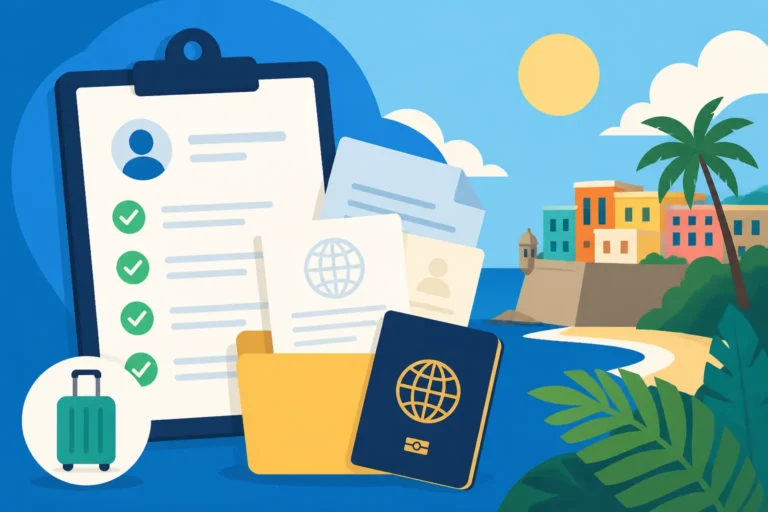
Think of it as building an unassailable case. The more comprehensive and consistent your documentation, the harder it will be for anyone to challenge your claim of Puerto Rico domicile. A detailed The Complete Relocation Checklist for Moving to Puerto Rico (2027) can help you keep track of these vital documents.
Seeking Professional Guidance
Let's be real, navigating these waters alone can be incredibly complex. The stakes are high, especially concerning tax implications and legal standing. Attempting to interpret all the rules and requirements without expert advice is a recipe for potential headaches down the line.
Therefore, seeking professional guidance is not just advisable, it's almost essential. Consult with:
- Tax Attorneys specializing in Puerto Rico law: They can provide specific advice on meeting the bona fide residency tests and ensuring compliance with both federal and Hacienda tax codes. They can also help you understand the nuances of How Much Tax Do Freelancers Pay in Puerto Rico? if that applies to your situation.
- Wealth Advisors: For those with significant assets, a wealth advisor experienced in Puerto Rico tax law can help structure your finances to optimize benefits and ensure compliance.
- Relocation Specialists: While not legal advisors, some firms specialize in helping individuals move to Puerto Rico and can guide you through the practical steps of establishing residency and gathering documentation.
These professionals can offer personalized advice based on your unique circumstances, helping you avoid costly mistakes and ensuring your transition to life in Puerto Rico is as smooth and legally sound as possible.
The Interplay with Act 60 and Bona Fide Residency
For many individuals, the decision to move to Puerto Rico is closely tied to the allure of Act 60 tax incentives. However, it's absolutely crucial to understand that qualifying for these benefits is entirely contingent upon establishing bona fide residency in Puerto Rico. And as we've discussed, bona fide residency requires more than just showing up; it inextricably links the concepts of physical presence (residency) with the deeper commitment of domicile. You simply cannot separate them when it comes to Act 60.
Act 60's Specific Residency and Domicile Requirements
Act 60, the Puerto Rico Incentives Code, offers incredible tax benefits for qualifying individuals and businesses, but it is not a free pass. The foundational requirement for individual beneficiaries (under Act 60-20, for example) is that they must become bona fide residents of Puerto Rico. This means actively and demonstrably establishing their domicile here. The government of Puerto Rico, and by extension the IRS, wants to see concrete proof that you're genuinely moving your life, your home, and your future to the island, not just setting up a post office box.
This isn't just about spending 183 days a year on the island. It’s about severing those significant ties to your previous home and rooting yourself firmly in Puerto Rico. The tax decree you receive under Act 60 is a privilege, and maintaining it requires ongoing compliance with these residency and domicile standards. If your domicile is questioned and found to be on the mainland, your entire Act 60 benefits could be jeopardized, leading to significant financial repercussions. For those considering this path, a thorough understanding of How to Apply for Act 60 Individual Resident Investor Status is essential.
The IRS's Bona Fide Resident Tests: A Comprehensive Look
The IRS employs a three-pronged test to determine if an individual is a bona fide resident of Puerto Rico for tax purposes. You must satisfy all three tests for the entire tax year. Failing even one can mean your Puerto Rico-sourced income is fully subject to federal tax, nullifying a major advantage of living here.
-
The Presence Test: This is the one most people hear about. You must be present in Puerto Rico for at least 183 days during the tax year, or alternatively, be present in the U.S. (excluding Puerto Rico) for no more than 90 days during the tax year. As discussed earlier, these days have specific counting rules, and simply ticking the box isn't enough without the other two tests. For a detailed breakdown, refer to Understanding the 183-Day Rule for Bona Fide Residency in Puerto Rico.
-
The Tax Home Test: Your "tax home" must be in Puerto Rico for the entire tax year. Your tax home is generally considered to be your main place of business, employment, or post of duty, regardless of where you maintain your family home. If you don't have a regular or main place of business because of the nature of your work, then your tax home is the place where you regularly live. This directly ties into your professional life and demonstrates that your economic center of gravity has shifted to the island.
-
The Closer Connection Test: This is where the concept of domicile truly comes into play. You must not have a "closer connection" to the U.S. or a foreign country than to Puerto Rico. This is a holistic evaluation of your personal, financial, and social ties. It's an objective test, and the IRS will look at a multitude of factors, including:
- Where your family lives (spouse, dependents).
- Where you keep your permanent home (if different from your tax home).
- Where you conduct your banking activities.
- Where you maintain your driver's license and voter registration.
- Where you belong to professional organizations, unions, or social groups.
- Where you keep personal property (cars, furniture, etc.).
- The address you use on official documents and forms.
Essentially, the Closer Connection Test is the IRS's way of verifying your intent – your domicile. Even if you meet the 183-day rule and your job is here, if all your significant personal and family ties remain on the mainland, you're unlikely to pass this test. It requires a genuine and demonstrable integration into the Puerto Rico community, aligning your residency with your domicile. Our guide on How to Establish Bona Fide Residency in Puerto Rico (2027) offers a complete picture of these requirements.
Disclaimer
The information provided in this article is for general informational purposes only and does not constitute legal, financial, or tax advice. While we strive to provide accurate and up-to-date content, laws and regulations in Puerto Rico and the United States can change rapidly and vary based on individual circumstances. It is essential to consult with qualified legal, tax, and financial professionals specializing in Puerto Rico and U.S. law for advice tailored to your specific situation before making any relocation or financial decisions.