Why Is My LUMA Electricity Bill So High in Puerto Rico?
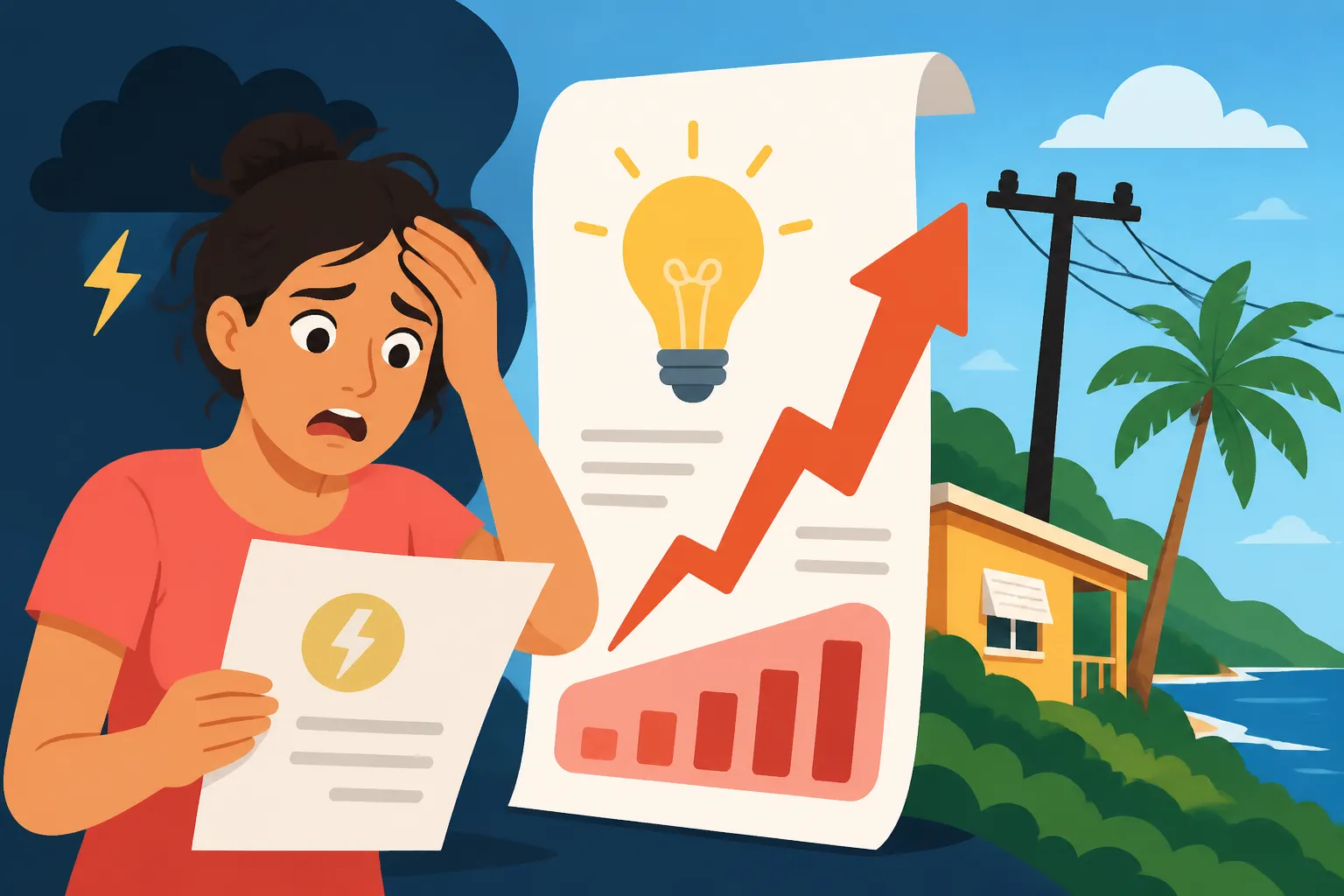
Oh, the infamous LUMA bill! If you've recently moved to Puerto Rico, or even if you've been here for a while, that gut punch when you open your electricity statement is a truly universal expat experience. Many of us arrive with mainland expectations about utility costs, only to be utterly bewildered by a bill that feels disproportionately high and often, let's be honest, a little opaque. This guide is here to not only validate that very real frustration but also to shed some much-needed light on why your LUMA electricity bill might be soaring and, more importantly, what practical, realistic steps you can take to bring those numbers down.
The Harsh Reality of Electricity Costs in Puerto Rico
Let's start by acknowledging what many newcomers quickly discover: electricity here is, for lack of a better word, expensive. It's a fundamental shift from what many are accustomed to on the mainland, and it contributes significantly to the overall The Complete Guide to Cost of Living in Puerto Rico (2026). This isn't just about flipping on a light switch; it's about navigating a utility landscape shaped by decades of complex history and ongoing challenges.
Historical Context and Infrastructure Challenges
To truly understand the current state of your LUMA bill, we have to talk about history. For many, many years, the Puerto Rico Electric Power Authority (PREPA) was the sole provider of electricity on the island. PREPA, bless its heart, struggled for a long time. The infrastructure was aging, investment was often lacking, and maintenance was a constant uphill battle. Then, Hurricane Maria hit in 2017, absolutely devastating the grid and plunging the entire island into darkness for months. It was a catastrophe of epic proportions, and the recovery process has been a monumental, ongoing effort.
The challenges didn't just disappear overnight. Rebuilding the grid has been a slow, arduous, and incredibly costly process. The grid, even today, is still fragile in many areas, prone to outages, and susceptible to the whims of the weather. This instability and the sheer cost of trying to modernize it all play a role in the rates we pay. When you're dealing with an older system that needs constant patching and wholesale replacement in many areas, those costs trickle down to the consumer. For new residents, it's often a stark introduction to the unique operational environment here. Remember, when you're setting up your initial utilities, LUMA is typically one of the first things on your list, and understanding its background helps temper expectations. If you're still in the early stages of getting settled, make sure to check out The Newcomer's Guide to Setting Up Utilities (LUMA/AAA) in Puerto Rico for a full rundown.
The Role of LUMA Energy and Rate Adjustments
In 2021, LUMA Energy took over the operation and maintenance of Puerto Rico's transmission and distribution system from PREPA. This transition was meant to bring much-needed private sector efficiency and investment to the ailing grid. However, for many residents, the change has been met with mixed feelings, particularly when it comes to the impact on our wallets.
LUMA Energy, while a private operator, still functions under the oversight of the Puerto Rico Energy Bureau (PREB), which is responsible for setting and approving electricity rates. These rates aren't static; they fluctuate, often significantly, based on a variety of factors. The biggest culprit is usually the cost of fuel. Puerto Rico relies heavily on imported fossil fuels (primarily petroleum and natural gas) to generate electricity. When global fuel prices spike, so does our electricity bill. It's a direct pass-through cost, and it's something beyond LUMA's or PREB's immediate control, driven by international markets.
Beyond fuel, there are other charges: generation costs (still largely under a reorganized PREPA), transmission and distribution costs (LUMA's domain), and various adjustments for system improvements, debt service, and administrative fees. All these components add up to a complex calculation that determines the final per-kilowatt-hour (kWh) rate you pay. It’s a bitter pill to swallow when you’re already adapting to a new island life, and these high utility costs are often a major contributor to why people question How Much Does Electricity Cost per Month in Puerto Rico?.
To give you a clearer picture, let's look at how Puerto Rico's electricity rates compare generally to the mainland, keeping in mind that rates can vary wildly by state and even by utility provider in the US.
| Category | Average Residential Rate (Puerto Rico, LUMA, 2023-2024 estimates) | Average Residential Rate (US Mainland, EIA, 2023 estimates) |
|---|---|---|
| Cost per kWh (cents) | 25-30+ cents | 16-18 cents |
| Fuel Mix Impact | Highly dependent on imported fossil fuels | Varies, often with more diverse, stable sources |
| Grid Stability | Ongoing challenges, frequent outages | Generally more stable |
| Infrastructure Age | Aging, post-hurricane reconstruction | Varies, but often more modern/well-maintained |
Note: These are general averages and can fluctuate. Your exact bill will depend on your specific usage, current rate adjustments, and taxes.
As you can see, the base cost per kWh in Puerto Rico is substantially higher than the national average on the mainland. This single factor is probably the biggest reason your LUMA bill feels so out of whack.
Key Factors Driving Up Your LUMA Bill
Now that we've set the stage with the big picture, let's drill down into the more immediate, tangible reasons why your specific bill might be making your eyes water. It’s not just the per-kWh rate; it’s a combination of that rate with how energy is consumed in your home.
Your Home's Energy Footprint
One of the first things expats notice about housing in Puerto Rico is that many homes, particularly older ones, weren't built with energy efficiency in mind. We're talking about construction materials, insulation (or lack thereof), and window designs that might be aesthetically pleasing but do little to keep the heat out or the cool air in.
- Poor Insulation: Unlike colder climates where insulation is crucial for warmth, here, it's essential for keeping cool. Many older concrete homes, while sturdy, lack proper wall or roof insulation, allowing heat to permeate easily. This means your air conditioning has to work harder, and longer, to maintain a comfortable temperature.
- Window and Door Seals: Similarly, windows and doors often aren't as airtight as those designed for extreme temperature variations. Gaps and poor seals let cool air escape and hot, humid air sneak in, turning your home into a sieve for expensive AC.
- House Size and Layout: Larger homes or those with open-plan layouts can be harder and more expensive to cool effectively. If you're living in a sprawling villa with high ceilings, imagine the sheer volume of air your AC unit is trying to chill and maintain.
When you factor in these structural realities, it's easy to see how your home itself can be contributing to a higher energy demand, regardless of your personal habits.
The Efficiency of Your Appliances
This is another huge one. Just like with housing construction, the age and efficiency of your appliances can be massive energy hogs. Inverter technology, while becoming more common, isn't standard in all older units.
- Air Conditioning Units: This is almost always the biggest culprit. If your home has older, non-inverter AC units, they are likely consuming a tremendous amount of electricity. Inverter AC units are designed to run continuously at variable speeds, maintaining temperature more efficiently. Older units cycle on and off, leading to higher energy spikes and less efficient cooling. Running multiple older AC units all day, every day, can easily push your bill into the hundreds, if not thousands, of dollars.
- Refrigerators and Freezers: Older refrigerators, especially secondary units often found in garages or utility rooms, can be incredibly inefficient. They work tirelessly to combat the tropical heat and humidity, sucking up a lot of power.
- Electric Water Heaters: While gas water heaters are rare, electric tankless water heaters are common. While they don't store hot water, they draw a lot of power in short bursts when activated. If you have multiple people showering or doing dishes with hot water frequently, this adds up.
- Laundry Appliances: Washers and dryers, especially older models, are significant energy users. The dryer, in particular, uses a lot of heat, which requires substantial electricity.
- Electronics: While not as dramatic as AC, a multitude of always-on electronics, charging devices, and older TVs can contribute to what's known as "vampire draw," where devices consume power even when not actively in use.
Many expats, especially those who used a moving service to bring their belongings, might realize after the fact that they could have left behind older, less efficient appliances. For those still planning their move, services like Sirelo can help you compare moving companies and consider the logistics and costs of transporting appliances versus buying new, more efficient ones locally.
Climate Control and Daily Habits
Let's face it, living in a tropical paradise means heat and humidity. Air conditioning often feels like a necessity, not a luxury. But how you use it makes all the difference.
- AC Temperature Settings: Cranking your AC down to 68°F (20°C) and leaving it there 24/7 is a surefire way to see your bill skyrocket. Every degree lower significantly increases energy consumption. A comfortable, yet more economical, setting is usually around 75-78°F (24-26°C), especially when paired with ceiling fans.
- Constant Running vs. Strategic Use: Do you leave your AC running all day, even when you're not home? Or do you cool down specific rooms only when occupied? Many learn to use AC strategically, perhaps just in bedrooms at night, or in the main living area during peak heat.
- Ceiling Fans: These are your best friends in Puerto Rico. They circulate air, create a wind-chill effect, and make higher AC settings feel much more comfortable, often for pennies an hour compared to AC.
- Natural Ventilation and Shade: Utilizing cross-ventilation, opening windows at cooler times of the day (early morning, evening), and drawing blinds or curtains during peak sun hours can significantly reduce the need for constant AC.
These daily habits, when combined with the high per-kWh rate and potentially inefficient homes and appliances, create the perfect storm for a shockingly high LUMA bill. It's a steep learning curve for many, myself included, but small changes can lead to noticeable differences. And while you're figuring out how to manage those energy costs, consider how you manage other expenses, like staying connected. For example, some folks use an eSIM from a provider like Airalo when traveling or getting settled, which can be a cost-effective way to stay online without worrying about roaming charges or expensive local plans initially, allowing you to focus on the big bills like LUMA.
Strategies to Lower Your Electricity Bill
Okay, enough about why it's so high. Let's talk about what you can actually do about it. There are several actionable steps you can take, from understanding your bill to making smart upgrades.
Decoding Your Bill and Monitoring Usage
The first step to gaining control is understanding what you're being charged for. LUMA bills can be a bit daunting, especially if your Spanish isn't fluent.
- Understand the Components: Look for your kWh consumption (Consumo de kWh), the current fuel charge (Ajuste por Combustible), and other fixed charges or adjustments. The fuel charge is usually the variable component that swings wildly.
- Check for Discrepancies: While rare, errors can happen. Compare your meter readings (if you can access them safely) to what's on your bill. If something looks wildly off compared to previous months with similar usage, it's worth investigating.
- Utilize LUMA's Online Portal: LUMA Energy has an online portal that allows you to view your bills, track your usage over time, and often offers tools to help you understand your consumption patterns. This is invaluable for identifying peak usage times and seeing the direct impact of changes you make. Trust me, it’s worth the effort to register. For details on how to manage your payments, see How Do I Pay My LUMA Bill Online?.
- Track Your Own Usage: Get into the habit of monitoring your meter. Jot down the reading once a week to get a sense of your daily or weekly consumption. This granular data can be very enlightening.
Implementing Energy-Saving Practices
These are the immediate changes you can make that don't necessarily require a significant financial investment.
- Strategic AC Use: Instead of running it constantly, use your AC to cool down a room for a few hours, then turn it off and rely on fans. Or, only cool the rooms you're actively using. If you have an inverter AC, set it to a higher, more consistent temperature (75-78°F) and let it run to maintain comfort.
- Embrace Ceiling Fans: I cannot stress this enough. Install ceiling fans in every room. They use minimal electricity and can make a huge difference in perceived temperature, allowing you to set your AC higher or even avoid using it altogether on milder days.
- Unplug "Vampire" Electronics: Anything with a light, a clock, or a charger plugged in is drawing power. Unplug phone chargers, coffee makers, microwaves, TVs, and gaming consoles when not in use. Power strips with on/off switches make this easier.
- Switch to LED Lighting: If you haven't already, replace all incandescent and CFL bulbs with LED equivalents. They consume a fraction of the power and last much longer.
- Mind Your Laundry: Wash clothes in cold water whenever possible. Hang clothes to dry outside on a clothesline; the sun and breeze do a fantastic job, and it costs you nothing in electricity. If you must use a dryer, run full loads and clean the lint trap religiously for efficiency.
- Seal Leaks: Simple weatherstripping around doors and caulk around windows can make a surprising difference in keeping conditioned air in and hot air out. This is a low-cost, high-impact fix.
- Use Curtains and Blinds: Keep them closed during the hottest parts of the day to block direct sunlight and radiant heat. Consider thermal curtains for rooms that get intense sun.
When you're first moving to Puerto Rico, you’re often focused on the big picture, but these small adjustments can save you a bundle over time. It’s part of the learning curve of How Much Does It Cost to Set Up a Home in Puerto Rico?.
Exploring Alternative and Efficient Upgrades
If you're planning to stay long-term or own your home, investing in more permanent solutions can lead to substantial, lasting savings.
- Inverter AC Units: If your current AC units are old, replacing them with modern inverter technology is probably the single most impactful upgrade you can make to reduce your electricity consumption. The upfront cost is significant, but the long-term savings are often worth it.
- Solar Power: This is becoming increasingly popular in Puerto Rico, and for good reason. Installing solar panels can dramatically reduce or even eliminate your reliance on the grid, especially if paired with a battery storage system. While the initial investment is substantial, there are often incentives, and it provides immense peace of mind, especially given the grid's instability. Learn more about your options by looking at Understanding Solar Power and Backup Generators in Puerto Rico.
- Energy-Efficient Appliances: When replacing refrigerators, washing machines, or water heaters, always opt for the most energy-efficient models you can afford. Look for ENERGY STAR ratings, if available for appliances sold here, or simply compare their estimated annual energy consumption.
- Improved Insulation: If you own your home, consider adding insulation to your roof or walls during renovations. This is a more involved project but provides excellent thermal buffering.
- Generators: While primarily for power outages, having a good generator means you're not solely reliant on LUMA, which can sometimes lead to lower stress if not direct bill savings. However, generators have their own fuel costs, so it's a balance. For more on this, check out Do I Need a Generator or Solar When Living in Puerto Rico?.
Broader Implications and Future Outlook
Living with high electricity costs and an evolving grid isn't just a personal financial challenge; it's a community-wide conversation here in Puerto Rico. The long-term stability and affordability of power affect everyone, from residents to businesses.
Navigating Government Assistance and Community Support
For residents facing significant financial strain, there may be government assistance programs available. These programs are often aimed at low-income individuals and families to help subsidize utility costs or provide energy efficiency upgrades. Eligibility requirements can be stringent, but it's always worth researching what's available through local agencies or the Department of Housing (Vivienda). Don't be afraid to ask for help or seek information from community centers or local non-profits, as they often have the most up-to-date information on available support.
Beyond official channels, there's a strong sense of community here, and many residents openly share tips and advice on reducing bills and managing outages. Local Facebook groups for expats are often treasure troves of practical, real-world advice from people who have been through it all.
The Road Ahead for Puerto Rico's Energy Future
The energy landscape in Puerto Rico is still very much in flux. There's a strong push, both from the government and the community, to modernize the grid, integrate more renewable energy sources (like solar and wind), and reduce the island's reliance on expensive, imported fossil fuels. The goal is to create a more resilient, reliable, and affordable energy system for everyone.
This means that while your LUMA bill might be high today, there is hope for the future. Investments are being made, and new projects are underway to transform the grid. Understanding How Reliable Is the Electricity Grid in Puerto Rico? helps you appreciate the monumental task at hand. It's a journey, not a sprint, and while we expats can sometimes feel like we're just along for the ride, our informed choices about energy consumption contribute to the collective effort. Staying informed about energy news and advocating for sustainable solutions can make a difference in the long run.
Navigating the complexities of electricity in Puerto Rico is undoubtedly a challenge for newcomers, but by understanding the underlying factors and actively implementing strategies to reduce consumption, you can gain a sense of control over those daunting LUMA bills. It requires patience, adaptability, and a willingness to embrace new habits, but it's an essential part of making your life in beautiful Puerto Rico as comfortable and sustainable as possible.
Disclaimer
This article is for general informational purposes only and does not constitute professional advice. Laws, prices and regulations vary by location and change over time. Consult a qualified professional for guidance on your specific situation.