What Are the Best Towns to Live in Puerto Rico?
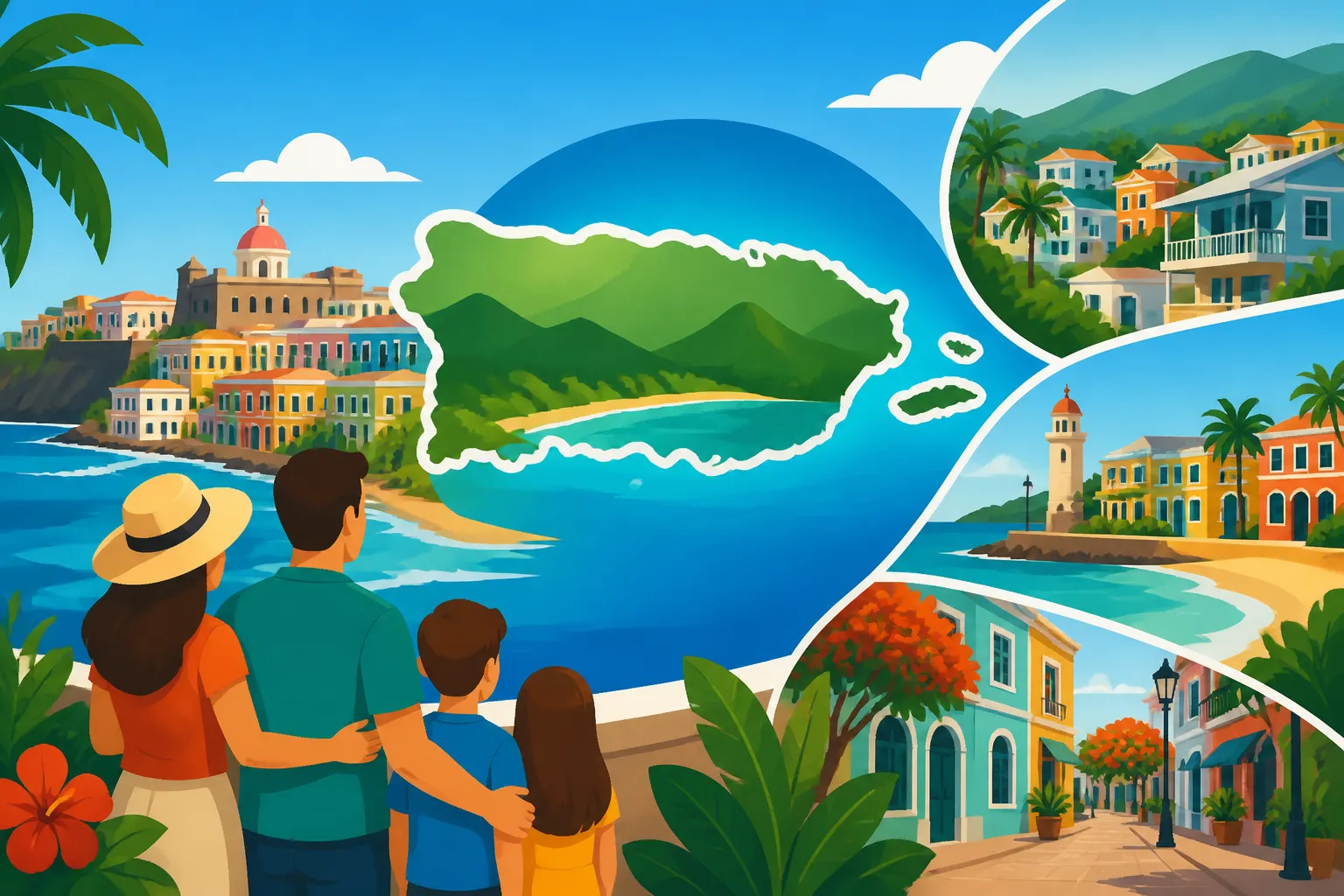
Oh, the age-old question, isn't it? When you're dreaming of making Puerto Rico your home, it’s easy to get swept up in the postcard-perfect images. But actually choosing where to lay down roots can feel like trying to pick a favorite star from the Milky Way – beautiful, but utterly overwhelming. This guide is here to cut through the noise, offering an honest, expat-tested look at the various towns and regions across the island, helping you find the perfect fit for your new Caribbean life.
The Bustling Heart: San Juan and its Metropolitan Area
Let's be real, for many newcomers, San Juan is the first stop. It's the capital, the largest city, and the hub of almost everything. It makes sense, right? You arrive at the Luis Muñoz Marín International Airport (SJU), and boom, you’re right there in the thick of it. But San Juan isn't just one monolithic city; it's a collection of neighborhoods, each with its own distinct personality, challenges, and charms. For someone just moving here, the sheer variety can be a blessing and a curse. You’ll find everything from historic cobblestone streets to sleek high-rises, but also the inevitable traffic and noise that comes with urban living.
Condado, Old San Juan, and the Urban Experience
If you crave that energetic, cosmopolitan vibe, then Condado or Old San Juan might be calling your name. Condado, with its beachfront high-rises, luxury boutiques, and a plethora of restaurants and nightlife options, feels very much like a bustling city within a tropical paradise. It’s where many well-heeled expats and those working in finance or tech tend to gravitate. You can walk to almost anything, from a morning coffee shop to a fancy dinner, or even just stroll along the beach. The downside? It’s arguably the most expensive area on the island, and parking is a perpetual headache. Picture trying to find a spot on a Friday night – it's a special kind of competitive sport. The constant buzz can be exhilarating, but also exhausting if you’re looking for peace and quiet. Check out How Much Does It Cost to Rent an Apartment in San Juan in 2026? for a realistic look at rental prices here.
Then there's Old San Juan, a UNESCO World Heritage site, a truly enchanting labyrinth of colorful colonial buildings, historic forts, and charming plazas. Living here is like stepping back in time, but with modern amenities. You’ll be immersed in culture, with art galleries, unique shops, and fantastic eateries on every corner. The sense of community, especially among residents, can be quite strong despite the constant flow of tourists. However, living on cobblestone streets means you’re often dealing with narrow roads, limited parking, and the sounds of cruise ship passengers and street performers. It’s not for everyone, particularly if you rely on a car daily or prefer sprawling green spaces. It's a trade-off: history and charm versus convenience and quiet. Many people find themselves endlessly debating the merits of these iconic neighborhoods.
Ocean Park, Isla Verde, and Beachfront Living
Moving slightly east from Condado, you hit Ocean Park and Isla Verde. These areas offer more of a relaxed, beach-centric lifestyle while still being firmly within the San Juan metro. Ocean Park is a residential neighborhood known for its wide, sandy beach, perfect for kitesurfing, paddleboarding, or just soaking up the sun. It’s a bit more bohemian and laid-back than Condado, with charming guesthouses, local cafes, and a strong community feel. Housing here often comes in the form of standalone houses or smaller apartment buildings, some with direct beach access. It strikes a nice balance between urban convenience and coastal serenity.
Isla Verde, on the other hand, is a bit more resort-focused. It's home to several large hotels, casinos, and a lively strip of restaurants and bars. The beach here is absolutely stunning, often considered one of the best urban beaches in the world. Many residents live in high-rise condos overlooking the ocean, offering spectacular views and easy access to the sand. It’s incredibly convenient, being just minutes from the airport, but it can also feel a bit transient due to the tourist presence. If you love the idea of stepping out your door onto a vibrant beach scene, with quick access to travel, Isla Verde is hard to beat. Just be prepared for the higher energy levels, especially during peak season.
Exploring Beyond the Tourist Zones: Guaynabo and Carolina
If the immediate tourist buzz of San Juan's coastal areas isn't quite your speed, but you still need that metropolitan access, looking slightly inland to areas like Guaynabo or Carolina could be a fantastic option. These municipalities, though technically separate, are firmly part of the San Juan metro area and offer a more suburban, residential feel.
Guaynabo, in particular, is often lauded as one of the best places for families. It boasts excellent private schools, upscale shopping centers like Plaza Guaynabo and Plaza Caparra, and a more spread-out, less congested feel than central San Juan. You'll find a mix of modern homes, townhouses, and apartment complexes, often with amenities like pools and security. While you'll definitely need a car here – welcome to suburban life, Caribbean style – the commute to San Juan proper isn't too bad outside of peak rush hour. It’s where many established professionals and families choose to settle, seeking a quieter home life without sacrificing access to city conveniences. Getting your utilities set up in any of these areas is a common hurdle, so make sure to read The Newcomer's Guide to Setting Up Utilities (LUMA/AAA) in Puerto Rico.
Carolina, especially areas closer to Trujillo Alto, offers a similar suburban appeal, often at a slightly more accessible price point than Guaynabo. It's a vast municipality, ranging from bustling commercial zones to quiet residential neighborhoods. You'll find plenty of local businesses, supermarkets, and schools, providing everything you need for daily life. While perhaps not as flashy as some other areas, Carolina offers practical, comfortable living with solid infrastructure. These areas might not have the immediate "wow" factor of beachfront properties, but they provide a stable, family-friendly environment that many expats seek once the initial novelty wears off.
| Neighborhood/Area | Vibe | Cost (Rent/Buy) | Amenities/Pros | Cons | Best For |
|---|---|---|---|---|---|
| Old San Juan | Historic, Cultural, Touristy | High | Walkable, unique charm, history, nightlife | Tourist crowds, parking, noise, smaller homes | Culture lovers, singles, couples |
| Condado | Upscale, Urban, Lively, Beachfront | Very High | Luxury amenities, walking distance, restaurants | Expensive, traffic, parking, high energy | Young professionals, high-income individuals |
| Ocean Park | Bohemian, Beachy, Residential | Moderate-High | Great beach, local feel, community, relaxed | Limited nightlife, fewer luxury options | Beach lovers, families, active individuals |
| Isla Verde | Resort-like, Vibrant, Convenient | High | Beautiful beach, airport access, nightlife | Touristy, can be transient, busy | Convenience, social butterflies, beach enthusiasts |
| Guaynabo | Suburban, Upscale, Family-Friendly | High | Good schools, shopping, quiet neighborhoods | Car-dependent, less "tropical" feel | Families, professionals seeking suburban peace |
| Carolina | Suburban, Practical, Local | Moderate | Essential services, schools, more affordable | Car-dependent, can feel generic | Budget-conscious families, long-term residents |
Exclusive Retreats and Nature's Edge: Dorado and the Northeast Coast
Leaving the immediate San Juan metro and heading west along the north coast, you eventually arrive at Dorado. This town has earned a reputation for luxury and exclusivity, attracting a significant number of high-net-worth individuals, including many Act 20/22 (now Act 60) beneficiaries. It’s a different kind of living entirely from San Juan, offering pristine golf courses, private beaches, and meticulously maintained communities.
Dorado's Gated Communities and Luxury Amenities
Dorado is practically synonymous with planned, resort-style living. Think Dorado Beach, a Ritz-Carlton Reserve, or the gated communities like Sabanera Dorado. These enclaves offer unparalleled amenities: championship golf courses, tennis courts, private beach clubs, state-of-the-art fitness centers, and often, private security that gives residents a sense of peace of mind rarely found elsewhere on the island. The homes range from sprawling estates to luxurious condos, all designed to cater to a high-end lifestyle.
For many, the draw of Dorado is the blend of privacy, luxury, and safety. You’re close enough to San Juan for a day trip or airport access, but far enough removed to feel like you're in your own tranquil world. However, this comes at a significant cost. Property prices and rental rates are among the highest in Puerto Rico, reflecting the quality of life and the services offered. Furthermore, while the communities are beautiful, they can feel a bit isolated from the "real" Puerto Rico. If you're looking for an authentic, gritty experience of island life, Dorado might feel a little too manicured. But if your ideal day involves a round of golf, a private beach, and impeccable service, this is your paradise. Thinking about the costs involved? What Is the Average Rent in Dorado in 2026? can give you a better idea.
Rio Grande, Fajardo, and the Eastern Adventures
Venturing east from San Juan, the landscape shifts from urban sprawl to lush rainforest and stunning coastal vistas. Rio Grande and Fajardo are the gateways to the El Yunque National Forest and the vibrant sailing and bioluminescent bay experiences of the east coast. These towns offer a blend of natural beauty, outdoor activities, and more laid-back living than the capital.
Rio Grande is known for its proximity to El Yunque, making it an ideal spot for nature lovers and hikers. It also hosts several luxury resorts and golf courses, similar to Dorado but often with more of a focus on the natural surroundings. You’ll find a mix of housing here, from mountain retreats to beachfront properties, offering a slightly more accessible price point than Dorado while still maintaining a high quality of life. The pace is slower, the air is fresher, and the views are often breathtaking.
Fajardo, further east, is a boater's paradise. It's home to some of the largest marinas on the island, making it the launching point for catamaran trips to Culebra and Vieques, snorkeling excursions, and deep-sea fishing. Living in Fajardo means easy access to water sports, fresh seafood, and a lively coastal atmosphere. It’s also home to the famous Laguna Grande, one of Puerto Rico's three bioluminescent bays. While not as outwardly luxurious as Dorado, Fajardo offers a strong sense of community, a more authentic Puerto Rican experience, and a fantastic base for exploring the island’s eastern treasures. Both Rio Grande and Fajardo provide a wonderful balance for those who want easy access to nature and water activities, without being too far from the amenities of the metro area. Just remember, these areas can be popular tourist destinations, especially on weekends and holidays, so expect some crowds.
Surf, Sun, and Bohemian Vibes: Rincón and the West Coast
Now, let’s pivot to the complete opposite end of the spectrum, both geographically and culturally. The west coast of Puerto Rico, especially around Rincón, offers a distinct, laid-back, and often bohemian atmosphere that has long attracted surfers, artists, and those seeking a more alternative lifestyle. It’s a world away from the bustling streets of San Juan or the manicured lawns of Dorado.
Rincón: The Expat Surf Haven
Rincón is, without a doubt, the crown jewel of Puerto Rico’s west coast. Famous for its world-class surfing breaks like Domes and María’s, it attracts an international crowd of surfers and beach lovers, especially during the winter swell season. This town has a decidedly expat-heavy vibe, particularly with many mainlanders who have relocated here. This means you’ll find plenty of English speakers, American-style cafes, yoga studios, and a generally more liberal, open-minded community than in some other parts of the island.
Life in Rincón revolves around the ocean, sunsets, and a relaxed pace. Days are often spent at the beach, followed by casual meals at local eateries, and evenings watching spectacular sunsets from viewpoints like El Faro. Housing can vary from charming beach bungalows to hillside homes with stunning ocean views. It’s a place where flip-flops are acceptable attire almost everywhere, and the biggest decision of the day might be which beach to visit.
However, Rincón isn’t without its quirks. It’s a smaller town, which means fewer big box stores and specialist services. For major shopping or medical facilities, you'll often need to drive to nearby Mayagüez or Aguadilla. The infrastructure, while improving, can sometimes feel a bit less robust than in the metro area. And while the expat community is vibrant, it can sometimes be a bit insular. If you're looking to fully immerse yourself in local Puerto Rican culture, Rincón might require a bit more effort on your part to break out of the expat bubble. Despite these small challenges, for those seeking a laid-back, active, and community-oriented beach life, Rincón is simply magical. For a deeper dive into homeownership costs, consider How Much Does It Cost to Buy a House in Rincon?.
Aguadilla, Isabela, and the Northwestern Charms
Just north of Rincón, Aguadilla and Isabela offer similar west coast vibes but with their own unique flavors. Aguadilla is a larger, more developed town, home to the Rafael Hernández Airport (BQN), which offers direct flights to several mainland US cities. This makes it incredibly convenient for travel, both for residents and for visitors. Aguadilla boasts beautiful beaches like Crash Boat Beach, a lively boardwalk, and a wider array of services, including shopping malls and larger grocery stores, making it a more practical choice for some. It serves as a regional hub, blending local life with tourist amenities.
Isabela, further east along the coast from Aguadilla, is known for its stunning coastline, particularly the dramatic cliffs and natural stone arch of Playa Jobos. It’s a bit quieter than Rincón or Aguadilla, offering a more serene beach experience. The town has a growing reputation for its burgeoning surf scene and eco-tourism. You'll find charming local restaurants and a strong sense of community here. Both Aguadilla and Isabela offer slightly more affordable living options compared to Rincón, especially if you're willing to live a short drive from the immediate beach areas. They provide an excellent alternative for those who love the west coast’s natural beauty and relaxed pace but might want a bit more infrastructure (Aguadilla) or a slightly quieter, more local experience (Isabela). For anyone planning a move and needing to organize logistics, remember that services like Sirelo can be incredibly helpful for moving your belongings to these more remote parts of the island. Setting up internet can be tricky in some of these areas, so checking for What Is the Best Internet Provider in Puerto Rico? is a good idea.
Embracing Authenticity: Other Regions Worth Considering
While San Juan, Dorado, and the West Coast grab most of the headlines (and the expat attention), Puerto Rico is a diverse island with many other incredible places to live. These areas often offer a more authentic, deeply rooted Puerto Rican experience, usually at a lower cost of living, but they come with their own set of considerations.
Ponce: The Pearl of the South
Ponce, often called "La Perla del Sur" (The Pearl of the South), is Puerto Rico's second-largest city and a hub of culture and history on the southern coast. Its historic downtown, with its unique architectural style (think neoclassical and Art Deco), charming plazas, and the iconic Parque de Bombas firehouse, is a joy to explore. Living in Ponce offers a completely different rhythm than San Juan. It’s slower, arguably more traditional, and steeped in a rich local identity. The city has a strong arts scene, good hospitals, and a university, making it a well-rounded place to live.
For expats, Ponce provides an opportunity to immerse themselves more deeply in Puerto Rican culture. While not as many English speakers as in San Juan or Rincón, it’s a wonderful place to practice your Spanish and connect with locals. The cost of living is generally lower than in San Juan, from housing to daily expenses. However, the job market for English-speaking professionals outside of specific industries might be more limited. The heat can also be more intense on the south coast, with less of a cooling sea breeze compared to the north. If you're looking for a vibrant, historic city with a strong cultural pulse and a more authentic island experience, Ponce is absolutely worth a scouting trip.
A Glimpse into the Interior and Smaller Coastal Towns
Beyond the major cities and popular coastal strips, Puerto Rico's interior and many smaller coastal towns offer peaceful, rural, and often incredibly affordable living. Towns like Lares, Adjuntas, or Utuado in the central mountains provide cooler temperatures, stunning panoramic views, and a slower pace of life amidst coffee plantations and lush greenery. This is the heart of el campo (the countryside), where traditions run deep, and community ties are incredibly strong. You’ll find a genuine sense of camaraderie and hospitality here.
However, living in the interior means being more isolated from major services. Access to specialized medical care, diverse dining options, or large grocery stores will require a drive to a bigger town. Internet and cell service can also be spotty, which is a major consideration for anyone working remotely. (For reliable connectivity during your explorations or once settled, Airalo can be a lifesaver with eSIMs!). For those looking for extreme tranquility, self-sufficiency, and a deep connection to nature, the mountains can be an idyllic choice.
Similarly, there are countless smaller coastal towns dotting the island, each with its own charm. Patillas, Guayama, or Maunabo on the southeast coast offer beautiful, undeveloped beaches and a truly local feel. Manatí or Vega Baja on the north central coast present more affordable beachfront options than their eastern counterparts. These towns often require a greater degree of integration into local life, including speaking Spanish, and being comfortable with fewer "expat amenities." For adventurous souls, budget-conscious individuals, or those yearning for a truly tranquil life off the beaten path, these hidden gems could be your perfect slice of paradise. Remember, regardless of where you settle, understanding The Complete Guide to Cost of Living in Puerto Rico (2026) is crucial for budgeting.
Choosing the "best" town to live in Puerto Rico really boils down to your priorities. Do you want the hustle and bustle of a cosmopolitan city, the pampered luxury of a resort community, the laid-back vibes of a surf town, or the authentic charm of a historic or rural area? Each offers a unique window into life on this incredible island, and honestly, the best way to find your perfect spot is to explore them all, ideally with an open mind and a spirit of adventure.
Disclaimer
The information provided in this article is for general informational purposes only and does not constitute professional advice. While we strive to provide accurate and up-to-date information, local regulations, market conditions, and personal circumstances can vary greatly. It is always recommended to consult with local real estate agents, legal professionals, and financial advisors before making any relocation decisions.