How Do I Transfer My Car Registration to Puerto Rico?
Oh, the sheer joy (and by joy, I mean relentless headache) of trying to figure out how to transfer your car registration when you first move to Puerto Rico! It’s one of those administrative hurdles that makes you question if you packed enough patience with your moving boxes. Trust me, I’ve been there, standing in lines, holding what I thought were all the right papers, only to find out I was missing just one obscure document. This guide is here to unravel that mystery for you, walking you through the often-baffling process of getting your beloved vehicle properly registered on the island, so you can hit those beautiful roads without a worry.
The Initial Shock: Understanding Puerto Rico's Vehicle Registration System
Coming from the mainland U.S., you might be used to a fairly straightforward DMV experience. You walk in, maybe wait a bit, get your papers stamped, and walk out. Here in Puerto Rico? It’s a different beast entirely. The system, overseen by the Department of Transportation and Public Works (DTOP) through its Centros de Servicios al Conductor, more commonly known as CESCO, has its own unique rhythm and requirements. It’s not necessarily harder, but it definitely operates on island time and with a distinct set of rules that can catch newcomers off guard.
Why it's Different: CESCO, DTOP, and the Local Bureaucracy
Unlike a single, unified Department of Motor Vehicles, Puerto Rico’s system relies on a network of CESCO offices scattered across the island. These centers are your one-stop shop for everything from driver's licenses to vehicle registrations and renewals. While the intention is to streamline services, the reality can often involve multiple visits, varying interpretations of requirements depending on the CESCO office, and a significant amount of paperwork, much of it in Spanish. You’ll hear DTOP and CESCO used interchangeably in conversation, but CESCO is the actual physical location where you'll be doing the heavy lifting.
The local bureaucracy can feel like a labyrinth, especially when you're trying to communicate nuances about a vehicle that was originally titled in a different jurisdiction. You might encounter an agent who's super helpful and efficient, or one who sends you on a wild goose chase for a document you didn't even know existed. It's truly a mixed bag, which is why preparing thoroughly and approaching each interaction with a good dose of humility and patience is absolutely essential. Don't be surprised if you spend hours, or even entire days, trying to complete a task that would take an hour back home. It's part of the charming chaos of island life.
Key Documents You'll Need to Gather
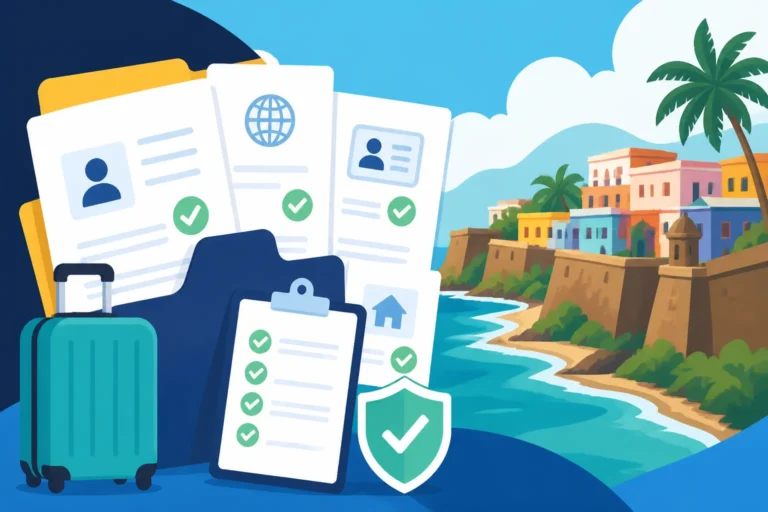
This is where the rubber meets the road, quite literally. Before you even think about stepping foot in a CESCO office, you need to have your ducks in a row. And when I say ducks, I mean all the ducks, neatly organized and preferably in original form. Photocopies are often rejected, or at the very least, viewed with suspicion.
First and foremost, you'll need the original title certificate for your vehicle. If your car is financed and the title is held by a lienholder on the mainland, this becomes a critical first step. You'll need to contact your lender and arrange for them to send the original title to you in Puerto Rico, or directly to CESCO if they have a process for that (which is rare). Without this original title, you're dead in the water. Alongside the title, any bill of sale or transfer of ownership documents are crucial, especially if you bought the car recently. Even if it's your own car, having a record of when and where you acquired it can sometimes be helpful.
Next up, proof of your identity and your right to drive. This means your valid driver's license, which can be your mainland U.S. license for a grace period, or ideally, your newly acquired Puerto Rico driver's license. You'll also need proof of your residency in Puerto Rico, which can be a utility bill (LUMA or AAA), a lease agreement, or a property deed in your name. This is to ensure you're a bona fide resident and not just a tourist trying to get local plates. For those looking to fully establish their new life, understanding how to formally How to Establish Bona Fide Residency in Puerto Rico (2027) is key. Lastly, you’ll need a vehicle inspection certificate from an authorized inspection center here on the island, which we'll delve into shortly, and the mandatory ACAA insurance. Having all these documents ready will save you immense frustration.
Step-by-Step: The Vehicle Registration Transfer Process
Alright, you've got your documents (hopefully!), and you're ready to tackle CESCO. The process is sequential, and missing a step or a document will send you right back to the beginning of the line, or worse, out the door to come back another day. It’s best to mentally prepare for this as a multi-stage adventure rather than a quick errand.
Getting Your Vehicle Inspected (Inspección)
Before anything else, your vehicle needs to pass a local inspection. This isn't just a quick glance; it's a mandatory check to ensure your car meets Puerto Rico's safety and environmental standards. You'll need to take your vehicle to an authorized Centro de Inspección or Centro de Diagnóstico. These are usually private businesses, often mechanic shops or specific diagnostic centers, licensed by DTOP to perform these inspections. You’ll see signs for "Inspección de Vehículos" everywhere.
During the inspection, they'll check things like your brakes, lights, tires, windshield wipers, horn, seatbelts, and emissions. They’re looking for basic roadworthiness. If your vehicle passes, you’ll be issued a certificate, often called a Certificado de Inspección, which is valid for a specific period, usually 30-60 days. Don’t let it expire before you get to CESCO! The cost for this inspection typically ranges from $15 to $30. It’s a relatively quick process, usually taking about 15-30 minutes if there's no line and your car is in good shape. It’s crucial to understand that without this certificate, CESCO won't even look at your other registration documents. This is a fundamental step in making your vehicle legal for Driving in Puerto Rico: Licenses, Registration and Rules for Newcomers (2027).
Navigating CESCO for Titling and Registration
With your inspection certificate in hand, you’re ready for the main event: CESCO. First, a pro tip: consider going early in the morning, right when they open, or mid-week to avoid the longest lines. Some CESCO offices now offer online appointment systems, which can be a lifesaver, so check their website (dtop.pr.gov) or call ahead for the specific CESCO you plan to visit.
Once inside, you'll likely need to take a number for the specific service you need – usually "Registro de Vehículos" or "Traspaso de Vehículo." When your number is called, present all your gathered documents: the original mainland title, proof of ownership (bill of sale), your driver's license, proof of residency, and your inspection certificate. The agent will review everything. This is where the minutiae come into play. They'll need to verify the VIN, ensure all names match, and check for any discrepancies. You'll also fill out specific CESCO forms, primarily the DTOP-701 for vehicle information and the DTOP-2101 for the transfer of ownership if you’re transferring a mainland title.
If all checks out, they will process the transfer of the title into your name and issue you the Licencia de Vehículos de Motor, which is your official registration document, and your first Puerto Rico Marbete (the sticker you place on your windshield). This is a moment to celebrate! This new registration confirms your vehicle is officially recognized on the island. For a deeper dive into the exact forms and process, our guide on How to Register and Title a Vehicle (DTOP/CESCO) in Puerto Rico can be incredibly helpful. Many expats find tools like Sirelo useful during the broader relocation process, as they can help keep track of the myriad of tasks, including documentation for vehicles.
Understanding Taxes, Fees, and Mandatory Insurance (ACAA)
Ah, the costs. Beyond the inspection fee, there are several financial components to consider when transferring your car registration. The most significant often being the excise tax, known as arbitrios. This tax is levied on vehicles imported to Puerto Rico and can be substantial, calculated based on the vehicle's value, year, and model. You’ll need to pay this at the Department of Hacienda (Treasury Department) or often, directly at CESCO through an integrated system. The agent at CESCO will calculate this for you once your vehicle's information is entered into their system.
In addition to the excise tax, there are standard registration fees and the mandatory Auto Accident Compensation Administration (ACAA) insurance. ACAA provides basic no-fault accident coverage for all registered vehicles in Puerto Rico. It's a fundamental part of your marbete renewal each year. The cost of ACAA is included in your annual registration fee, typically around $99 for the basic coverage. You'll also need to purchase comprobantes de rentas internas (internal revenue stamps), which are small stamps that act as payment for various government services and are affixed to your documents. These can usually be purchased at CESCO or at designated collection centers. Our article on Understanding Car Registration Costs and Insurance (ACAA) in Puerto Rico provides a more detailed breakdown of these expenses. Make sure you account for all these costs in your relocation budget, as they can sometimes be an unexpected hit.
Common Hurdles and How to Overcome Them
It wouldn't be a true Puerto Rico administrative experience without a few bumps in the road, right? Even with all your documents in order, you might encounter situations that test your patience and problem-solving skills. Knowing what to expect can soften the blow.
Language Barriers and Cultural Nuances
One of the most immediate challenges for many newcomers is the language barrier. While many government employees in Puerto Rico speak some English, especially in tourist-heavy areas, CESCO offices operate predominantly in Spanish. Forms are in Spanish, and conversations with agents often default to Spanish. If your Spanish isn’t up to par, this can lead to misunderstandings, delays, and frustration.
How to Overcome: Don't be shy about asking for an English-speaking agent, but be prepared if one isn't available immediately. Bring a friend or family member who is fluent in Spanish if possible. Alternatively, have a translation app ready on your phone (like Google Translate) and be prepared to use it to understand instructions or explain your situation. Learning some key phrases related to vehicle registration ("traspaso de vehículo," "título original," "placas," "inspección") will go a long way. More than language, understanding the pace of things is crucial. Island time is real; bureaucracy here isn't designed for speed, so a calm, polite demeanor, even when you're feeling exasperated, will get you further than losing your cool.
Dealing with Missing Documents or Previous Owner Issues
This is a classic expat nightmare: you think you have everything, only to be told you're missing a crucial piece of paper. Or perhaps, the previous owner (if you bought the car mainland before moving) didn't properly sign something on the title. What if your original title is digital, and your mainland DMV doesn't issue paper titles anymore? These situations require a deep breath and a proactive approach.
How to Overcome:
- Lost Original Title: If your original title is lost or was never issued in physical form by your mainland state's DMV, you MUST obtain a duplicate or paper title from the issuing state BEFORE coming to Puerto Rico. CESCO needs a physical, original title to process the transfer. This often involves contacting your previous state's DMV and navigating their specific process for duplicate titles, which can take weeks.
- Lienholder Issues: If your car is financed, the original title is likely held by your lender. You'll need to contact them to request the original title be sent to you in Puerto Rico. Some lenders might require specific forms or a power of attorney for this. Be persistent!
- Previous Owner Transfer: If you bought a used car, ensure the title is properly signed and notarized (if required by the issuing state) by the previous owner. Any errors or omissions will likely lead to rejection at CESCO. Our guide on How to Buy a Used Car in Puerto Rico touches on these potential pitfalls.
- Digital Titles: This is a growing pain point. If your state only issues digital titles, you'll need to work with them to get a physical, paper title for export/transfer. This might mean an extra step and delay.
It's situations like these that highlight the stress of international relocation, even if Puerto Rico is part of the U.S. Having a good support system, and perhaps even comprehensive expat insurance like Cigna Global for peace of mind in broader health or travel emergencies, can help mitigate the overall anxiety of navigating these administrative tasks.
What to Do If Your Vehicle Doesn't Pass Inspection
It happens. Maybe your headlights are too dim, a turn signal is out, or your tires are more "slick" than "tread." If your vehicle fails the inspection, you won't be issued the certificate needed for CESCO.
How to Overcome: The inspection station will provide you with a report detailing why your vehicle failed. Take this report to a trusted mechanic (or do the repairs yourself if you're handy). Address all the issues listed on the report. Once the repairs are complete, you'll need to return to the inspection station (or another authorized one) for a re-inspection. There might be a re-inspection fee, but it's typically lower than the original inspection fee if you return within a certain timeframe (e.g., 15-30 days). Don't try to "bend the rules" or ignore the issues; the goal is to ensure your vehicle is safe for the roads. Better to fix it once than face problems down the line.
Maintaining Your Vehicle Registration in Puerto Rico
Congratulations, you’ve done it! Your car is officially registered in Puerto Rico, sporting its new Marbete with pride. But the journey doesn't end there. Like any vehicle registration, it requires annual upkeep to remain legal on the roads.
Annual Renewals: The Marbete Process
Every year, you’ll need to renew your vehicle’s registration, which means getting a new Marbete. This process is generally much simpler than the initial transfer, as your vehicle's information is already in the CESCO system. The Marbete has a sticker that indicates the expiration month, usually corresponding to the last digit of your license plate number. You’ll have a grace period (typically until the last day of the following month) to renew.
To renew your Marbete, you will need:
- Your current vehicle registration (Licencia de Vehículos de Motor).
- A new, valid vehicle inspection certificate. Yes, this means an annual inspection is required for renewal too.
- Payment for the annual registration fee and ACAA insurance.
You can renew your Marbete at any CESCO office, at certain designated collection centers (often found in pharmacies, supermarkets, or malls), or sometimes even online through the DTOP/CESCO portal if your vehicle meets certain criteria (e.g., no outstanding fines). It's a fairly routine process that most residents get the hang of quickly. Our dedicated guide on How Do I Renew My Marbete (Vehicle Registration) in Puerto Rico? offers a deeper dive into this annual ritual.
Changes to Your Registration: Address, Sale, or Accidents
Life happens, and sometimes you need to update your vehicle’s registration for various reasons. If you move, it’s important to update your address with CESCO. This usually involves presenting proof of your new address (like a utility bill) and your current registration. While not as high-priority as a driver's license address change, it keeps your records accurate.
If you decide to sell your vehicle in Puerto Rico, you’ll need to complete a traspaso de vehículo (transfer of vehicle) at CESCO. This requires both the seller and the buyer to be present (or provide powers of attorney), along with the original title, bill of sale, and identification. The buyer will then go through a similar process to register the car in their name.
In the unfortunate event of an accident, theft, or if your vehicle is totaled, you'll need to report it to the police and then inform CESCO to de-register the vehicle. This is crucial for avoiding future liabilities and ensuring you're not paying annual fees for a car you no longer possess. Always keep copies of police reports and CESCO documentation for your records.
Comparing Insurances and Additional Coverage
While ACAA is mandatory and provides basic no-fault coverage, it’s often insufficient for comprehensive protection. ACAA covers basic medical expenses for accident victims regardless of fault, up to a certain limit, and some death benefits. However, it does NOT cover damage to your vehicle, theft, or full liability for damages you might cause to another vehicle or property.
Therefore, most savvy vehicle owners in Puerto Rico opt for additional private car insurance. This is where you’ll look into policies that cover:
- Liability: Protection against claims for bodily injury and property damage you cause to others.
- Collision: Covers damage to your own vehicle in an accident.
- Comprehensive: Covers damage to your vehicle from non-collision incidents like theft, vandalism, fire, natural disasters, or hitting an animal.
- Roadside Assistance: Many policies offer this valuable add-on.
It's highly advisable to shop around and get quotes from local insurance providers like MAPFRE, Universal Insurance, or Cooperativa de Seguros Múltiples (CSM). While you might be familiar with big names on the mainland, local providers often have a better understanding of the specific risks and regulations in Puerto Rico. Our guide on How Much Is Car Insurance in Puerto Rico? goes into more detail about these options and costs. Having this additional private insurance, alongside your general expat health coverage from providers like Cigna Global, gives you a well-rounded safety net as you navigate life on the island.
| Document / Step | Description | Where to Get/Do | Typical Cost (USD) | Notes |
|---|---|---|---|---|
| Original Mainland Title | Proof of ownership from previous jurisdiction. | Your Lender / Previous State DMV | Varies | Absolutely essential. Must be physical, not digital. |
| Bill of Sale | Proof of purchase if bought recently. | Seller | – | Ensure all signatures are present and correct. |
| Driver's License | Valid ID and driving privilege. | CESCO (PR License) / Your state (Mainland License) | – | PR license preferred, but mainland valid for a grace period. |
| Proof of PR Residency | Utility bill, lease, or property deed in your name. | LUMA, AAA, Landlord, etc. | – | Confirms you live on the island. |
| Vehicle Inspection | Mandatory safety and emissions check. | Authorized Inspection Center | $15 – $30 | Valid for 30-60 days; required annually. |
| CESCO Forms | DTOP-701, DTOP-2101 (for title transfer). | CESCO office | – | Fill out accurately; in Spanish. |
| Excise Tax (Arbitrios) | Import tax based on vehicle's value. | CESCO / Hacienda | Varies | Can be substantial; calculated on site. |
| Registration Fees | Annual fee, includes ACAA. | CESCO / Collection Centers | Approx. $99 | Paid annually with Marbete renewal. |
| Comprobantes | Revenue stamps for government services. | CESCO / Collection Centers | Varies | Small fees, often purchased on demand. |
| ACAA Insurance | Mandatory no-fault accident insurance. | Included in annual registration fee | Included | Basic coverage, private insurance recommended for comprehensive protection. |
Disclaimer
The information provided in this guide is for general informational purposes only and does not constitute legal, financial, or tax advice. While we strive to keep the information up-to-date and accurate, laws, regulations, and procedures in Puerto Rico can change frequently. It is highly recommended that you consult with local legal professionals, tax advisors, or the relevant government agencies (DTOP, CESCO, Hacienda) for the most current and specific advice pertaining to your individual situation before making any decisions. We are not responsible for any actions taken based on the information in this guide.