How Do I Renew My Health Plan in Puerto Rico?
Navigating healthcare in a new place is always a challenge, and let's be honest, Puerto Rico's administrative processes can feel like a labyrinth, especially when it comes to something as crucial as health insurance. If you're wondering how to renew your health plan here, you're not alone in feeling a bit overwhelmed, but don't fret. This guide is here to walk you through the nitty-gritty of keeping your coverage active, whether you're on a private plan or enrolled in the government-sponsored Vital Plan.
Understanding Your Health Plan Renewal Cycle in Puerto Rico
Let's face it, keeping track of deadlines for important documents is a universal expat struggle, and health insurance renewals are right up there. In Puerto Rico, just like on the mainland, health plans typically operate on an annual cycle, but the exact timing and process can vary significantly depending on the type of plan you hold. Ignoring these dates can lead to a dreaded lapse in coverage, which is the last thing anyone needs on an island where medical emergencies can strike unexpectedly.
Annual Renewal Periods and Open Enrollment
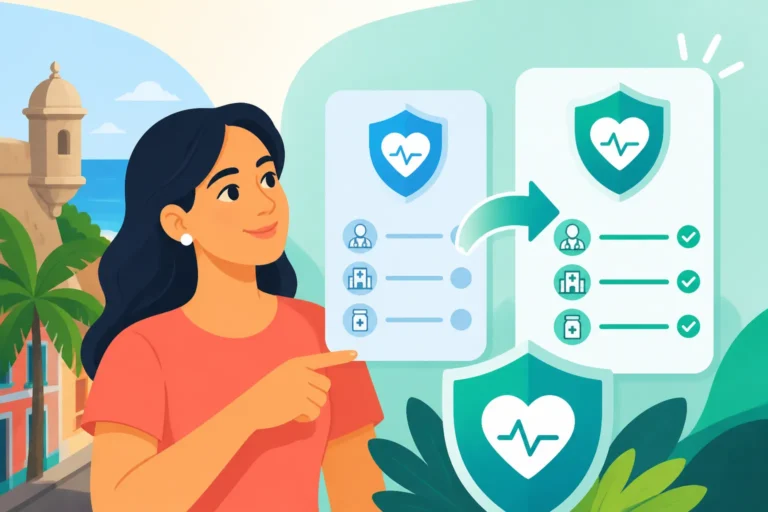
For most private health plans in Puerto Rico, you'll find an annual renewal period. This isn't just a formality; it's a critical window where you, as the policyholder, are meant to review your current benefits, assess any changes in your health needs, and make decisions about your upcoming year of coverage. Your insurance provider—be it a major player like Triple-S, MCS Healthcare, or MMM Healthcare—will typically send you a renewal notice a few months before your current policy is set to expire. This notice should detail any changes in premiums, deductibles, co-pays, and coverage specifics for the new term.
This period also often coincides with "open enrollment" for those looking to switch plans or enroll for the first time. For instance, if you initially signed up for a plan in, say, January, your renewal might come up in November or December, right when many insurers are actively marketing their offerings for the new calendar year. It’s a good practice to mark your calendar the moment you receive your initial policy documents or even set a recurring reminder on your phone for a couple of months before your policy's anniversary date. Trust me, future you will thank present you for that small effort. You wouldn't want to find yourself asking, "What Happens If I Get Sick Before My Insurance Starts in Puerto Rico?"
The Criticality of Timely Renewal
It might sound obvious, but letting your health coverage lapse here can be a real headache, and potentially a very expensive one. Unlike some places where you might get a grace period without much fuss, a gap in coverage in Puerto Rico means you're on the hook for any medical costs incurred during that time. Imagine you're enjoying a beautiful day at El Yunque, slip on a wet rock, and suddenly you're facing a visit to the emergency room. Without active insurance, that trip could easily run into thousands of dollars out-of-pocket.
Moreover, if you have a pre-existing condition, allowing your plan to lapse might complicate re-enrollment, even if the Affordable Care Act (ACA) generally protects against denial for pre-existing conditions. While Puerto Rico is part of the U.S. healthcare system, specific local regulations and the way plans are structured can make re-entry after a lapse more cumbersome. Some plans might require a new waiting period for certain services if you've had a break in coverage. It's a bureaucratic tangle you absolutely want to avoid. This is why understanding your options and acting promptly is not just good advice, it's essential for peace of mind and financial security.
Step-by-Step Guide to Renewing Your Private Health Plan
Renewing a private health plan in Puerto Rico isn't necessarily complicated, but it does require attention to detail and a proactive approach. Think of it as another one of those administrative hurdles you've likely become accustomed to since moving here.
Gathering Your Documentation
The first step, and arguably the most tedious, is getting all your ducks in a row. Insurers in Puerto Rico, much like anywhere else, will ask for updated information to ensure you still qualify for your current plan or to adjust your premium based on any changes.
Here’s a common list of documents you’ll want to have ready:
- Proof of Identity: Your Puerto Rico driver's license or state ID card is usually sufficient. Make sure it's current. If you just arrived, you might still be using your passport, but for long-term residency, a local ID is preferred.
- Proof of Residency: Utility bills (LUMA or AAA bills are perfect here), a recent lease agreement, or property tax statements are generally accepted. They want to see that your primary residence, your domicile, is still firmly planted in Puerto Rico.
- Current Health Insurance Policy Information: Have your existing policy number, group number (if applicable), and contact information for your current plan handy. This makes the renewal process smoother for both you and the insurer.
- Income Verification: If your plan's premium is subsidized or based on income, you'll need recent pay stubs, tax returns (your Planilla for Hacienda), or other proof of income. This is especially true for plans bought through the ACA marketplace or those with income-based discounts. For those curious about the nuances of this, our guide on "Understanding Co-Pays, Deductibles and Premiums in Puerto Rico" can shed more light.
- Dependents' Information: If you have added or removed dependents, or if there are any changes to their personal information (like a new baby – congratulations!), you'll need birth certificates, Social Security numbers, and any relevant legal documents. Our article on "How to Add Dependents to Your Puerto Rico Health Plan" provides further details.
It's a good idea to make copies of everything before you submit it. Sometimes documents get lost in the shuffle, and having your own set of records can save you a world of grief.
Contacting Your Provider and Exploring Options
Once your documents are in order, it's time to reach out to your insurance provider. You generally have a few avenues:
- Direct Contact: The most straightforward way is to call your insurance company directly. Their customer service lines are usually staffed with bilingual representatives who can guide you through the renewal process. Be prepared for some hold music, though; that's just part of the charm of doing business here.
- Online Portals: Many of the larger providers, such as Triple-S, MCS, and Humana, have online member portals. These platforms often allow you to view your current policy, check renewal options, and sometimes even complete the renewal application electronically. This can be a huge time-saver if you're comfortable with online transactions.
- Insurance Agents or Brokers: If you originally purchased your plan through an independent insurance agent or broker, they are an invaluable resource. They often handle the renewal process on your behalf, reminding you of deadlines, explaining new terms, and helping you compare your current plan with other offerings in the market. They act as your advocate, which can be a huge relief, especially if you're still working on your Spanish. An agent can also help you understand "Health Insurance in Puerto Rico: Plans, Costs and Options Explained (2026)" if you're considering a change.
When you contact them, clearly state your intention to renew. They'll confirm your details, walk you through any changes in the policy, and confirm your new premium.
Reviewing Your Policy and Making Changes
The renewal period isn't just about automatically signing up for another year of the same; it’s an opportunity. This is your chance to assess if your current plan still meets your needs or if it’s time to explore other options.
- Evaluate Your Current Coverage: Have your medical needs changed? Are you seeing more specialists now? Has your preferred doctor left the network? Review your summary of benefits and coverage.
- Compare New Options: Even if you're happy with your current provider, it never hurts to see what else is out there. Different plans might offer better benefits for specific services, lower out-of-pocket costs, or a wider network of providers. Look into other plans from your current provider or even competitors. Our guide on "How to Enroll in a Private Health Plan in Puerto Rico" can assist if you're thinking of a full switch.
- Update Your Information: This is also the time to make any necessary changes. Did you get married or divorced? Have a new child? Moved to a different town, perhaps from San Juan to the west coast? Ensure all your personal details, including your address and family members, are accurate on the renewed policy.
Remember, the goal is not just to renew, but to ensure you have the best possible coverage for your health and financial situation for the year ahead. Don't be afraid to ask questions, no matter how trivial they might seem. Your health is too important.
Renewing Your Vital Plan (Plan de Salud del Gobierno)
If you're enrolled in Puerto Rico's government health plan, known as the Vital Plan (formerly Mi Salud), the renewal process is a bit different. This plan is designed to provide healthcare access to low-income individuals and families, and as such, it involves an annual re-certification process to ensure continued eligibility.
Eligibility and Re-certification
The Vital Plan operates on a strict eligibility basis, primarily tied to income and household size. Therefore, annual re-certification is mandatory. This process verifies that you still meet the financial criteria to receive benefits. You'll typically receive a notice from the Administración de Seguros de Salud de Puerto Rico (ASES), the agency that manages the Vital Plan, indicating when and how to re-certify.
Key documents you'll need for re-certification often include:
- Proof of Identity: Your valid photo ID (Puerto Rico driver's license or non-driver ID).
- Proof of Residency: Again, utility bills or a lease.
- Social Security Card: For all household members.
- Income Verification: This is crucial. You'll need recent pay stubs, unemployment benefit statements, Social Security benefit letters, or your latest tax return (Planilla). If you have no income, you might need to provide a sworn statement to that effect.
- Proof of Resources: Bank statements or other asset information might be requested to confirm you meet the resource limits.
- Household Composition: Birth certificates for children, marriage certificates, or divorce decrees if applicable, to verify everyone in your household.
The most common reason for a lapse in Vital Plan coverage is a failure to complete this annual re-certification. Don't let that happen to you. Our comprehensive guide on "Understanding the Vital Plan (Government Health Plan) in Puerto Rico (2026)" goes into much more detail about eligibility and benefits.
Where to Go for Renewal and Assistance
Unlike private plans where you might just call an insurer, Vital Plan re-certification often requires an in-person visit or submission through designated channels.
- ASES Offices or Centros 330: The primary method for re-certification is through the local offices of ASES or one of the many Centros 330 (Federally Qualified Health Centers) scattered across the island. These centers are equipped to help you with the application and re-certification process. They often have dedicated staff whose job it is to assist residents with their Vital Plan needs. Expect potential wait times, especially closer to deadlines.
- Community Centers and Outreach Events: ASES sometimes hosts outreach events in various communities, particularly in rural areas, to facilitate re-certification. Keep an eye out for local announcements or check the ASES website for schedules.
- Online Portal (Limited): While ASES has been working to modernize its systems, online re-certification for the Vital Plan can still be a bit hit-or-miss. It’s best to verify if your particular situation allows for online submission or if an in-person visit is still required.
When you go in person, arrive early, be patient, and bring all your documents, plus copies. The staff are generally helpful, but they're also managing a high volume of cases. Having everything prepared will make the process much smoother for everyone involved.
What to Do If Your Health Plan Has Expired or You Missed Renewal
Life happens, and sometimes, despite our best intentions, we miss a crucial deadline. If you've found yourself in a situation where your health plan in Puerto Rico has expired, it can feel like a punch to the gut. But don't panic – there are usually steps you can take, though they might require a bit of extra effort.
Navigating a Lapse in Coverage
The absolute worst-case scenario is having no health insurance, even for a short period. This exposes you to the full cost of any medical care, from a simple doctor's visit to a major surgery or an unexpected emergency. For anyone new to the island, it’s a terrifying prospect.
If you realize your plan has expired:
- Contact Your Previous Provider Immediately: Call your former private insurer or ASES right away. Explain your situation. Sometimes, depending on how recently it expired, they might offer a short grace period or a streamlined re-enrollment process, especially if it was an oversight.
- Understand the Implications: Ask about any retroactive payments you might owe, or if there's a waiting period before new coverage kicks in. This information is critical for planning your next steps and avoiding further financial surprises.
- Consider Short-Term Solutions: If there's a significant gap until you can get new coverage, or if you're just visiting and need a flexible option, you might look into travel or expat insurance. Companies like SafetyWing offer travel medical insurance that can cover you for unforeseen accidents and illnesses while you're abroad or even in a temporary residence situation. It's not a replacement for full health insurance, but it can provide a safety net for those nerve-wracking periods between official plans. If you are someone who travels a lot for work or leisure, even as a resident, something like SafetyWing can be a good add-on for those excursions off-island, especially if your primary plan has limited international coverage.
Remember that if you have a medical emergency, you absolutely should seek care. Hospitals in Puerto Rico, like Ashford Presbyterian Community Hospital or Auxilio Mutuo, will treat you regardless of your insurance status, but you will be responsible for the bill. Our guide to "Emergency Medical Care in Puerto Rico: What Every Resident Needs to Know" is a must-read for anyone here.
Seeking New Coverage After a Lapse
If your old plan is truly expired and cannot be reactivated, your next step is to secure new coverage.
- Open Enrollment Periods: For private plans, if you missed your specific renewal window, you might have to wait for the next general open enrollment period. This typically happens once a year, usually in the fall for coverage starting the following January 1st.
- Special Enrollment Periods (SEPs): Thankfully, certain life events can trigger a Special Enrollment Period, allowing you to sign up for a new plan outside of the regular open enrollment. These events include:
- Getting married or divorced.
- Having a baby or adopting a child.
- Losing other health coverage (e.g., job loss, turning 26 and coming off a parent's plan).
- Moving to a new area that offers different health plans.
- A significant change in household income.
If you qualify for an SEP, act quickly, as these windows are often time-limited (e.g., 60 days from the qualifying event).
- Vital Plan Re-application: If you were on the Vital Plan and missed re-certification, you will need to re-apply from scratch, just as if you were a new applicant. This means gathering all the necessary income and residency documents again and going through the full eligibility assessment.
Securing continuous health coverage is one of the pillars of a stable life in Puerto Rico. It might take some legwork, but staying on top of your renewals or knowing the steps to take if you miss one is paramount to your well-being on this beautiful island.
Comparing Private vs. Vital Plan Renewal Requirements
To help visualize the differences, here's a quick comparison of the typical requirements for renewing private health plans versus the Vital Plan in Puerto Rico.
| Feature / Requirement | Private Health Plan Renewal | Vital Plan (Government Health Plan) Re-certification |
|---|---|---|
| Primary Goal | Continue existing benefits, assess new plan options | Re-verify income and residency eligibility for subsidized care |
| Notification | Typically via mail, email, or online portal from insurer | Via mail from ASES |
| Key Documents | Photo ID, Proof of Residency (utility bill, lease), Current Policy Info, Income (if subsidized), Dependents' info | Photo ID, Proof of Residency, Social Security Card (all members), Income Verification (pay stubs, tax returns), Bank Statements (assets), Birth/Marriage Certs |
| Method of Renewal | Online portal, phone call to insurer, via insurance agent | In-person at ASES office or Centros 330, limited online options |
| Flexibility to Change Plans | High (during open enrollment or SEP) | Low (must re-apply if eligibility changes, limited plan choices) |
| Consequences of Lapse | Out-of-pocket medical costs, potential new waiting periods | Loss of subsidized coverage, must re-apply, full out-of-pocket costs |
| Common Providers | Triple-S, MCS Healthcare, Humana, MMM Healthcare | ASES (manages program), various MCOs (Managed Care Organizations) administer benefits |
Disclaimer
The information provided in this article is for general informational purposes only and does not constitute professional medical, legal, or financial advice. While we strive to provide accurate and up-to-date information, the healthcare landscape, regulations, and administrative processes in Puerto Rico can change rapidly. Always consult with a qualified healthcare provider, insurance agent, or legal/financial professional for advice tailored to your specific situation. Reliance on any information in this article is solely at your own risk.