How Do I Pass the Closer Connection Test in Puerto Rico?
Moving to Puerto Rico feels like a dream for many, a chance to embrace a vibrant culture and stunning landscapes, but when it comes to establishing your tax residency, it can quickly turn into a bureaucratic nightmare. One of the most perplexing hurdles newcomers face is proving a "closer connection" to the island for tax purposes, a concept that often feels vague and intimidating. This guide is here to untangle that knot, offering clear, actionable steps and the veteran insights you need to confidently demonstrate your genuine ties to our beautiful island.
Deconstructing the Closer Connection Test: What It Really Means
Alright, let's talk about the Closer Connection Test. If you've been doing your homework on moving to Puerto Rico, you've probably heard this term thrown around, and it might sound a bit like something out of a mystery novel. But trust me, it's a very real and crucial part of establishing your bona fide residency here, especially when the IRS comes knocking. This isn't just a formality; it's the Internal Revenue Service's way of ensuring that your move is genuine and not just a clever trick to avoid taxes.
Why the Closer Connection Test Matters for Your Residency
The U.S. tax code, specifically IRS Publication 570, lays out the rules for being a bona fide resident of a U.S. possession like Puerto Rico. It's not enough to simply say you live here. You have to meet three specific tests: the Presence Test, the Tax Home Test, and yes, our friend, the Closer Connection Test. While the Presence Test is all about counting days (at least 183 days on the island), and the Tax Home Test is about where your main place of business or employment is located, the Closer Connection Test delves into the qualitative aspects of your life.
This is where many newcomers, myself included when I first arrived, can feel a significant amount of frustration. You're trying to build a new life, navigate a new system, maybe even a new language, and suddenly you're asked to prove your emotional and practical commitment to a place. It can feel invasive, and frankly, a bit unfair when you've genuinely uprooted your life. But the IRS is wary of individuals who try to claim residency in a U.S. territory purely for tax advantages without actually integrating into the community. The Closer Connection Test is designed to catch those who might try to game the system, and it means those of us who are genuinely here need to be meticulous in how we demonstrate our ties. Without passing this test, even if you meet the other two, your claim to bona fide residency could be denied, leading to unwanted tax complications.
The Core Principles of "Closer Connection" to Puerto Rico
At its heart, the Closer Connection Test is about demonstrating that your life has genuinely shifted to Puerto Rico, and that your connection to any previous place of residence has significantly diminished. It's not a checklist where you tick off five items and you're good. Instead, it's a holistic assessment of your intentions and actions, looking at all the facts and circumstances of your life during the tax year.
Think of it this way: the IRS wants to see evidence that Puerto Rico isn't just a temporary stop or a convenient mailing address, but truly your new center of vital interests. This includes your family, your financial affairs, your personal property, and your social and cultural engagements. They want to see a clear pattern of behavior indicating that you intend to make Puerto Rico your long-term home. It's about establishing roots, both tangible and intangible. Did you sell your house on the mainland? Did you transfer your investments to a local bank? Are your kids in school here? Are you involved in the community? These are the kinds of questions that the IRS will implicitly or explicitly ask when evaluating your closer connection. It’s less about a single grand gesture and more about a consistent, undeniable pattern of choosing Puerto Rico as your primary home.
Key Factors and Actionable Steps to Prove Your Closer Connection
Alright, so how do you actually do this? How do you move past the vague notion of "closer connection" and build a solid case that Puerto Rico is genuinely your home? It comes down to a multitude of actions, big and small, that collectively paint a picture for the IRS. It's about being intentional with every step you take in your relocation journey.
Where Do You Call Home? Establishing Your Primary Residence
This is foundational. Your physical dwelling is perhaps the most obvious indicator of where your life is centered. You need to establish a clear, primary residence in Puerto Rico, and critically, reduce or eliminate your primary residence on the mainland.
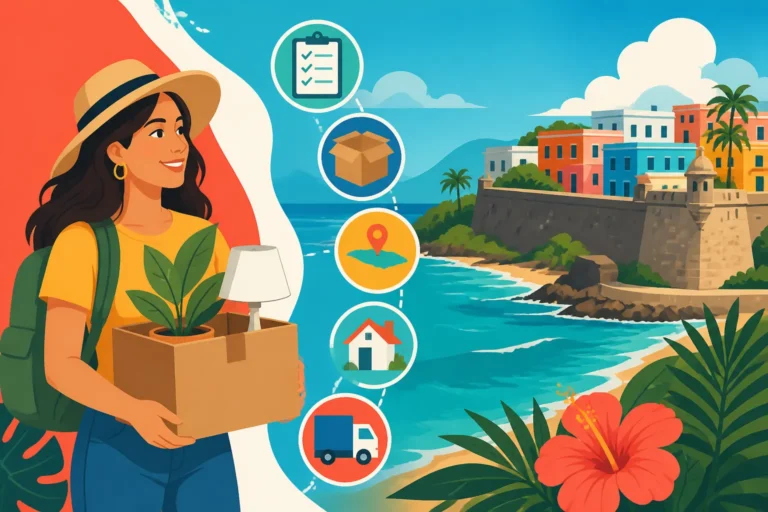
For example, if you're renting, you'll need a long-term lease agreement. Make sure it's not a short-term vacation rental, but a legitimate residential lease for at least a year. If you've decided to buy property, then a recorded deed in your name is gold. This shows a significant, long-term commitment. My friend, Maria, when she moved here, made sure to not just sign her lease but also to completely move her furniture and personal belongings down. She had a moving company like Sirelo assist with the logistics, meticulously documenting the shipment, which provided further proof of her relocation intent. Don't just show up with a suitcase; actually set up house.
Once you have your place, you absolutely must set up all your utilities in your name. This includes electricity (LUMA Energy), water (Autoridad de Acueductos y Alcantarillados or AAA), and internet. The monthly bills with your name and Puerto Rico address are vital pieces of evidence. For many, figuring out these services can be a bit of a dance, especially with the unique challenges of the island's infrastructure, but it's a necessary step. You can read more about The Newcomer's Guide to Setting Up Utilities (LUMA/AAA) in Puerto Rico for a detailed walkthrough. Similarly, securing your rental agreement is covered in How to Sign a Lease and Understand Tenant Law in Puerto Rico, and if you're leaning towards homeownership, delving into How to Buy Property in Puerto Rico: The Full Guide (2027) will provide invaluable insights. Your primary mailing address must be in Puerto Rico, and you should ensure all your important correspondence—bank statements, credit card bills, investment statements—are directed here. If you still own a property on the mainland, consider renting it out or selling it. Maintaining an empty, fully furnished home back stateside while claiming to live here will raise a huge red flag.
The Financial Heartbeat: Banking, Investments, and Economic Ties
Beyond your physical residence, your financial footprint speaks volumes about your true home. The IRS will look at where you conduct your banking, where your investments are managed, and how you earn your income.
The first step is opening local bank accounts. This means establishing relationships with banks like Banco Popular, Oriental Bank, or other financial institutions on the island. Transferring a significant portion of your liquid assets to these accounts is a strong indicator of your commitment. Don't just keep a tiny checking account for local purchases; shift your financial center here. The Newcomer's Guide to Opening a Bank Account in Puerto Rico and How to Open a Bank Account at a Puerto Rico Bank as a Newcomer offer comprehensive guidance on this often-frustrating process. While it can be tempting to rely solely on your mainland banks, remember, the goal is to demonstrate a closer connection to Puerto Rico.
Furthermore, consider transferring your brokerage accounts or investment portfolios to Puerto Rico-based firms, if feasible. If you're employed, arranging for your direct deposit to a local Puerto Rico bank account is essential. If you're self-employed, registering your business on the island, obtaining a merchant registration, and paying local taxes solidify your economic ties. You can learn more about this in How to Register as Self-Employed (Trabajador por Cuenta Propia) in Puerto Rico. The presence of local income sources, active business operations, and significant financial activity within Puerto Rico's economy are powerful markers of your commitment. Even if you work remotely for a mainland company, having your primary banking and financial management here makes a difference.
Planting Roots: Social, Cultural, and Community Engagements
This is where the "connection" aspect truly comes alive. It's about demonstrating that you're not just physically present, but actively integrating into the fabric of Puerto Rican society.
Start with the official stuff: register to vote in Puerto Rico. This is a clear declaration of your intent to be a participating member of the community. Next, get your Puerto Rico driver's license. It’s not just for driving; it serves as a primary form of identification that links you directly to the island. Navigating the CESCO system can be a rite of passage, but it’s an important one. Our guide, The Guide to Getting Your Puerto Rico Driver's License and ID (2027), can help ease that process.
If you have children, enrolling them in local schools—whether public or private—is a huge indicator of family integration. This shows a long-term commitment to raising your family here. It’s often a big decision for expat families, and resources like How to Enroll Your Child in a Puerto Rico School can be incredibly helpful. Beyond the legal and administrative, get involved. Join a local gym, volunteer for a cause, participate in community events, join a banco de alimentos (food bank) or a local cultural group. Take Spanish classes, not just for practical reasons, but to show your embrace of the local culture. Building friendships with locals, joining a local church or civic organization—these are all tangible demonstrations of your social ties.
Even your healthcare choices play a role. Establishing a primary care doctor, dentist, and other medical providers here, and having your health insurance centered on the island, further underscores your local integration. While you're transitioning, it's wise to consider expat-friendly international health insurance like Cigna Global to ensure continuous coverage, but the long-term goal for demonstrating closer connection is to have your local healthcare needs met by local providers and plans. Check out The Complete Guide to Healthcare in Puerto Rico for New Residents (2027) for detailed information on this.
Severing Mainland Ties and Consolidating in Puerto Rico
Equally important as building new ties in Puerto Rico is systematically reducing your ties to the mainland. This isn't just about adding; it's about shifting.
Consider closing bank accounts on the mainland, especially if you have multiple. Cancel mainland gym memberships, club memberships, and professional licenses if they are not actively used for Puerto Rico-based work. Update your address with absolutely everyone: credit card companies, subscription services, old employers, investment firms, and, crucially, the IRS. If you still have a driver's license from the mainland, consider allowing it to expire, demonstrating your sole reliance on your Puerto Rico license. If you registered to vote on the mainland, take steps to cancel that registration.
The more you consolidate your life—your mail, your finances, your social circles, your daily routines—to Puerto Rico, the stronger your case for a "closer connection" becomes. It's not about being secretive, but about being decisive in your relocation. The idea is that if an independent observer were to look at your life, it would be undeniably clear that your home, your interests, and your future are centered right here on the island.
Documentation and Common Pitfalls to Avoid
Demonstrating a "closer connection" isn't just about performing these actions; it's about meticulously documenting them. The IRS operates on paper, and your word alone won't suffice. You need a trail of evidence that tells your story without ambiguity.
Building Your Proof: Essential Documentation Checklist
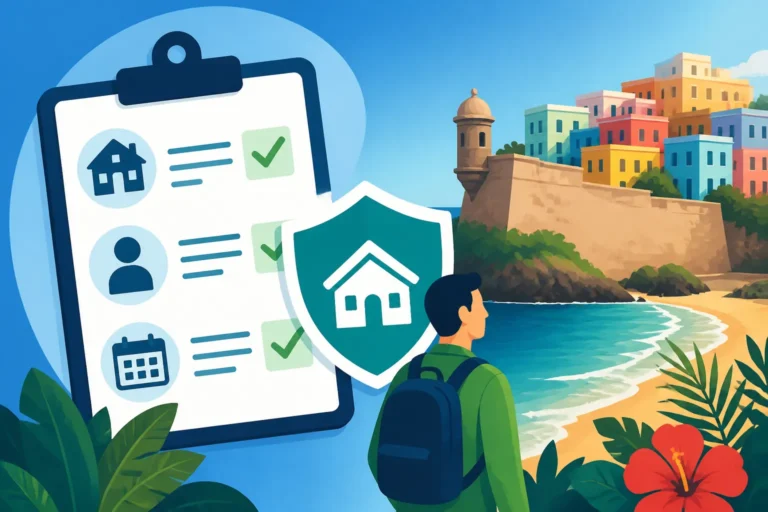
Let's get practical. You need a file, digital or physical, dedicated to proving your Puerto Rico residency. This is your arsenal, and every piece counts. Think of it as building your personal narrative of relocation, backed by undeniable proof. Here’s a rundown of documents you absolutely need to collect and keep handy:
| Category | Essential Documents | Purpose |
|---|---|---|
| Housing | Signed Lease Agreement (long-term), Property Deed (if owned), Utility Bills (LUMA, AAA, Internet, Cable), Rent Receipts | Proves you have a permanent, established home in Puerto Rico, and actively pay for services linked to it. Shows consistent monthly presence. |
| Financial | Puerto Rico Bank Statements (checking, savings, investment accounts), Credit Card Statements (PR address), Pay Stubs/Business Receipts (PR-source income), Insurance Policies (home, car, health – PR-based) | Demonstrates your financial center of gravity is in Puerto Rico. Shows local economic activity and financial integration. |
| Identification/Legal | Puerto Rico Driver's License or Non-Driver ID, Voter Registration Card (PR), Vehicle Registration/Marbete (PR), Passport (stamps for PR travel) | Establishes your official identity and legal ties to the island. Proves you've taken steps to become an official resident and participant in the PR system. |
| Social/Personal | School Enrollment Records (children), Gym/Club Memberships (PR), Local Professional Licenses, Letters from Local Community Leaders/Employers, Bills for local services (doctors, dentists, vets) | Shows active engagement in the community, commitment to local services, and establishment of personal relationships and routines on the island. Indicates genuine integration. |
| Mail/Shipping | Mail Forwarding Records (from mainland to PR), Shipping Receipts for Household Goods (Sirelo, etc.), USPS Change of Address | Illustrates the physical transfer of your life and belongings, and the redirection of your official correspondence to Puerto Rico. |
| Mainland Severance | Proof of mainland property sale/lease termination, Canceled mainland memberships, Mainland bank account closures | Directly demonstrates the reduction or elimination of ties to your former place of residence, reinforcing the shift of your "closer connection" to Puerto Rico. |
Keep these records organized, ideally both physically and digitally. When you're dealing with the IRS, you can never have too much proof.
Red Flags: What Can Jeopardize Your Closer Connection
While it's important to know what to do, it's equally vital to understand what not to do. There are several common pitfalls that can easily unravel your carefully constructed case for a closer connection. I've seen friends get tripped up on these, and it's always a headache to sort out.
First and foremost, maintaining a primary residence on the mainland is a huge red flag. If you still own a fully furnished, readily available home or apartment in Florida, New York, or anywhere else, and you're not actively renting it out or trying to sell it, the IRS might argue that your true "home" is still there. Even if you spend over 183 days here (satisfying the Presence Test), if your primary abode and sentiment remain stateside, you're in trouble.
Secondly, significant, ongoing business or employment ties on the mainland without a corresponding, demonstrable shift of your economic activity to Puerto Rico can be problematic. If your entire income is still generated by an active business you run from your old mainland office, and you have no local business registration or economic activity here, it weakens your case. While working remotely for a mainland company is generally fine, having all your financial accounts and assets tied there, with little or no local economic presence, suggests your economic center of gravity hasn't truly moved.
Third, frequent and prolonged absences from Puerto Rico. While the 183-day rule for the Presence Test is a minimum, if you're constantly jetting back to the mainland for weeks or months at a time, it might suggest your primary lifestyle is still tied to your former residence. The spirit of the Closer Connection Test is about genuine integration. You can definitely travel—we all do—but if your travel patterns consistently point back to a former home, it raises questions. Our article Can I Spend Time on the Mainland and Still Be a PR Resident? dives into the nuances of this.
Lastly, lack of local integration. If you're living in an expat bubble, not engaging with local culture, not establishing local services (doctors, etc.), and not building any social ties here, it doesn't look like a genuine move. The IRS wants to see you live in Puerto Rico, not just on Puerto Rico. Even something as simple as maintaining your mainland voter registration can indicate a continuing closer connection to your former state. It's all about demonstrating a clear, unambiguous shift in your life's center.
Navigating the Nuances: When Professional Help Becomes Essential
Let's be real, navigating IRS rules, especially when it comes to territory residency, isn't for the faint of heart. While this guide provides a solid roadmap, there are situations where going it alone might just add to your stress and potentially lead to costly mistakes. Sometimes, a seasoned co-pilot is exactly what you need.
The Value of Tax Professionals and Residency Experts
For many, the complexities of the Closer Connection Test, combined with the other bona fide residency requirements, necessitate expert guidance. This is particularly true if your financial situation is complicated, if you have significant mainland assets, or if your work involves substantial travel. A local CPA or tax attorney specializing in Puerto Rico residency can be an invaluable ally. They understand the nuances of both federal and Hacienda (Puerto Rico's Treasury Department) tax laws, and they're well-versed in the specific types of documentation and actions the IRS looks for.
They can help you proactively build your "closer connection" case, ensuring you're collecting the right evidence and making the appropriate moves from day one. More importantly, they can review your entire situation, identify potential red flags before they become problems, and even represent you if the IRS ever decides to question your residency status. Think of it as an investment in peace of mind. While it's an added expense, the cost of getting it wrong can be far greater, potentially involving back taxes, penalties, and interest. For those serious about establishing bona fide residency, especially under Act 60, this professional guidance is often considered indispensable. Don't hesitate to seek out reputable experts who can help you with your Filing Your Puerto Rico Tax Return with Hacienda: The Complete Walkthrough (2027).
Maintaining Your Bona Fide Status Year After Year
Establishing your bona fide residency isn't a one-time event; it's an ongoing commitment. The Closer Connection Test, like the other residency tests, isn't just something you pass in your first year. The IRS can challenge your residency status in subsequent years, so it's crucial to maintain your "closer connection" to Puerto Rico consistently.
This means continuing to live your life primarily on the island. Don't let those mainland ties creep back in. Keep your local utility bills, maintain your local bank accounts, stay active in the community, and keep your Puerto Rico driver's license current. Regularly review your financial and social ties to ensure they continue to strongly favor Puerto Rico. It's easy to get complacent once you feel settled, but staying vigilant is key. Our guide on Understanding How to Maintain Bona Fide Residency Year After Year in Puerto Rico offers more insights into this long-term commitment. Life changes, and sometimes you might need to adjust your approach or consult with your tax professional again to ensure you remain compliant with the spirit and letter of the law. The goal is to build a life here that is so authentically Puerto Rican that there's no question where your true home lies.
Disclaimer
Please remember that I am a lifestyle blogger and not a licensed tax professional or legal advisor. The information provided in this article is for general informational purposes only and does not constitute professional tax or legal advice. Tax laws, especially those concerning U.S. territories, are complex and subject to change. You should always consult with a qualified tax attorney or certified public accountant specializing in Puerto Rico tax law for advice tailored to your specific situation. Reliance on any information provided in this article is solely at your own risk.