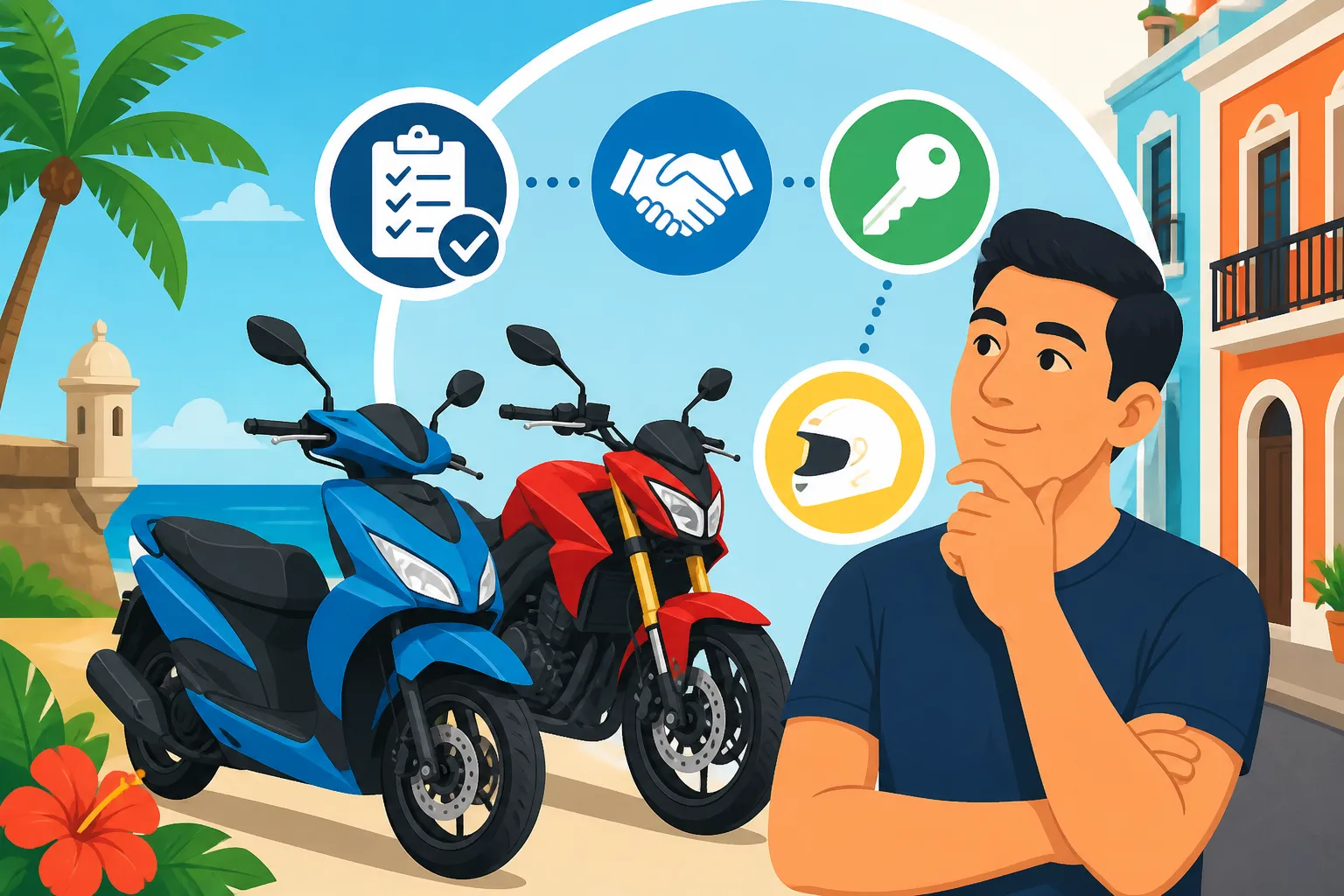
How Do I Buy a Scooter or Motorcycle in Puerto Rico?
So, you’ve been living on the island for a bit, or maybe you’re just about to make the jump, and that familiar thought keeps buzzing in your head: “Wouldn’t it be amazing to ditch the four-wheeled beast and cruise around on a scooter or motorcycle?” The dream of feeling that warm Caribbean breeze on your face, navigating traffic with ease, and finding parking without a headache is incredibly appealing here in Puerto Rico. But like so many things for newcomers, actually making it happen can feel like trying to untangle a particularly stubborn knot. This guide is here to untangle that knot for you, walking you through everything from choosing your ride to getting it legally on the road.
Why a Scooter or Motorcycle in Puerto Rico? The Freedom and the Fray
Let’s be honest, the idea of having a scooter or motorcycle on an island like Puerto Rico isn't just a fleeting fancy; it's a vision of pure, unadulterated freedom. But along with that romantic notion comes the gritty reality of navigating island life.
The Undeniable Appeal of Two-Wheeled Freedom
For many expats and long-term visitors, the allure of a two-wheeled vehicle is more than just about saving on gas, though that’s certainly a perk these days. It’s about mobility, flexibility, and experiencing Puerto Rico in a way that just isn't possible from inside a car. Imagine effortlessly zipping through the charming, narrow streets of Old San Juan, where parking a car is often a competitive sport, or pulling up to a crowded beach with ease.
Beyond the practicalities, there’s a distinct sense of adventure. You’re more connected to your surroundings – the smells of street food, the sounds of coqui frogs at dusk, the vibrant colors of the roadside flora. A scooter or motorcycle also often means a lower upfront cost than a car, cheaper insurance, and significantly less fuel consumption, which can make a big difference when you're managing your budget on a beautiful island that sometimes surprises you with its cost of living. It also opens up possibilities for exploring those hidden gems, those little back roads that larger vehicles might shy away from, giving you a truly local perspective.
Understanding the Unique Challenges of Island Riding
Now, before you rush out to buy the first shiny scooter you see, let's have a candid chat about the realities. Riding in Puerto Rico is an experience, but it’s not without its particular challenges. The roads, while often scenic, can be quite unforgiving. You’ll encounter potholes that could swallow a small car, sudden changes in road surface, and drivers who, let’s just say, operate by their own unique set of traffic laws. It’s a bit of a wild west out there sometimes, and defensive driving isn't just a suggestion; it's a survival tactic.
Traffic can be dense, especially in metropolitan areas like San Juan, Caguas, or Ponce. Heavy rain showers are a daily occurrence in the wet season, making roads slick and visibility poor. And then there’s the issue of security; sadly, motorcycles and scooters can be targets for theft. This isn't to discourage you, but rather to prepare you. Being aware of these challenges from the outset means you can make informed decisions about your purchase, your riding habits, and the precautions you take. It also means investing in good quality safety gear, which we’ll discuss later, and always staying alert.
The Hunt: Sourcing Your Scooter or Motorcycle
Alright, you've weighed the pros and cons, and you're ready to embrace the two-wheeled life. The next step is finding your perfect ride. This process can be a little different from what you might be used to on the mainland, so let’s walk through it.
New Vehicles: Dealerships and Brands
If you prefer the peace of mind that comes with a new vehicle – a warranty, no previous owner's "quirks," and the latest safety features – heading to a dealership is your best bet. In Puerto Rico, you'll find a decent selection of major motorcycle brands, often concentrated in and around San Juan. Think about names like Honda, Yamaha, Kawasaki, and Suzuki. For scooters, popular options often include Kymco, Vespa, and various Chinese and Taiwanese brands that offer more budget-friendly choices.
Visiting a dealership allows you to see the models up close, test ride them (always recommended!), and discuss financing options if needed. Dealers will typically handle all the initial registration paperwork for you, which, trust me, is a huge convenience in Puerto Rico. They can also explain the factory warranty and often have service departments on-site for future maintenance. Be prepared to negotiate, but also understand that pricing might be a bit higher than on the mainland due to shipping and import costs. Don't be shy about asking about any current promotions or bundles, like helmets or jackets.
Used Market: Navigating Local Listings and Sellers
The used market can offer significant savings, but it also requires a bit more savvy and caution. Local online marketplaces are bustling with listings. Facebook Marketplace is a huge hub here, as are classified sections on sites like Clasificados Online. You'll also find smaller, independent dealerships specializing in used motorcycles and scooters.
When browsing used listings, always ask for plenty of photos and detailed information about the vehicle’s history, mileage, and any known issues. When you go to inspect a vehicle, bring a knowledgeable friend if you're not mechanically inclined yourself. Look for signs of accidents, rust (a common issue in the humid, salty air), and general wear and tear. Always insist on a test ride in a safe area to check the brakes, steering, and engine performance. Never, ever buy a vehicle without a clear title (título de propiedad) and current registration (marbete). If the seller seems hesitant about showing these documents, walk away. For more on vehicle registration, check out our guide on How to Register and Title a Vehicle (DTOP/CESCO) in Puerto Rico.
Necessary Documentation for a Smooth Purchase
Whether new or used, you're going to need a few key pieces of identification to make the purchase. For individuals, this typically includes:
- Valid Driver's License: Make sure it’s current. If you’re a newcomer, you’ll eventually need a Puerto Rico driver's license, though a valid mainland license is usually accepted for the initial purchase. Find out more about How Do I Transfer My Mainland Driver's License in Puerto Rico?.
- Social Security Card or ITIN: This is essential for tax purposes and record-keeping.
- Proof of Address: A utility bill (LUMA, AAA, internet) in your name, dated within the last 60 days, is usually sufficient.
- Funds for Purchase: Cash, cashier's check, or financing approval.
For dealerships, they might also require proof of income if you're financing. For private sellers, ensure all documents are original and match the seller’s ID. A handwritten bill of sale, signed by both parties, is also a good idea for used private sales, detailing the vehicle, price, and date.
Demystifying Registration, Licensing, and Insurance
This is where many newcomers hit a wall. The administrative processes in Puerto Rico can be… let's call them "character-building." But with a little patience and the right information, you’ll get through it.
The CESCO Process: Title Transfer and Registration (Marbete)
Once you’ve bought your scooter or motorcycle, the next crucial step is getting it registered in your name and obtaining the marbete, which is the official vehicle sticker and proof of registration. This process happens at a CESCO office (Centro de Servicios al Conductor). Be prepared for lines, especially early in the morning or around lunchtime.
The general steps involve:
- Obtain the Vehicle Title (Certificado de Título de Vehículo de Motor): If buying used, the seller should provide this. If new, the dealership usually handles the initial title application.
- Complete the Sales and Use Tax (IVU) Form: This is required for used vehicle transfers. You'll declare the sale price, and the tax will be calculated.
- Mandatory Inspection: Motorcycles and scooters, like all vehicles in Puerto Rico, require an annual inspection. Make sure the vehicle passes before you attempt registration. You'll receive an inspection certificate.
- Visit CESCO: Bring your title, bill of sale, proof of inspection, your driver's license, and payment for the registration fees and the marbete. The CESCO agent will process the transfer and issue your new marbete. This sticker needs to be affixed to your license plate and is your yearly proof of registration. You can learn more about this in our guide, Understanding the Marbete (Vehicle Sticker) and Inspection in Puerto Rico.
Table: Essential Documents for Scooter/Motorcycle Registration (CESCO)
| Document Category | Required Item | Notes |
|---|---|---|
| Personal ID | Valid Puerto Rico Driver's License (or mainland for initial stages) | Must be current. |
| Vehicle Ownership | Certificado de Título de Vehículo de Motor (Title) | Signed over to you by the seller. |
| Proof of Purchase | Bill of Sale (Contrato de Compraventa) | For used vehicles, handwritten is fine; for new, from dealership. |
| Tax Clearance | Sales and Use Tax (IVU) Form | Processed and paid if buying used. |
| Vehicle Inspection | Inspection Certificate | From an authorized inspection station; must be current. |
| Insurance Proof | Proof of ACAA Payment (or private policy) | Mandatory public liability insurance. |
| Proof of Address | Utility Bill (LUMA, AAA) or Bank Statement | Within last 60 days, matching your name and address. |
| Payment | Cash, Debit/Credit Card | For registration fees and marbete (check CESCO for accepted methods). |
Getting Your Motorcycle Endorsement on Your PR License
Having a valid driver's license is one thing, but to legally operate a motorcycle or scooter over a certain engine size (typically 50cc, though check current DTOP regulations), you'll need a specific motorcycle endorsement on your Puerto Rico driver's license. If you already have a motorcycle endorsement from a mainland state, you’ll likely be able to transfer it when you get your Puerto Rico driver's license, often without needing to retake the tests.
If you don't have one, or if your mainland endorsement isn't recognized for direct transfer, you'll need to go through the process of obtaining it here. This usually involves a written exam (testing your knowledge of PR traffic laws, including those specific to motorcycles) and a practical riding test. The practical test assesses your ability to handle the bike safely, including maneuvers, turns, and braking. It’s highly recommended to take a motorcycle safety course, not just for the skills, but some courses may even provide a waiver for the riding test. Having a reliable mobile data plan, perhaps even an eSIM from a provider like Airalo, can be a lifesaver for navigating the CESCO website for appointments or looking up specific regulations while you’re on the go.
Insurance Essentials: ACAA and Beyond
Just like cars, motorcycles and scooters in Puerto Rico require insurance. The mandatory component is called ACAA (Administración de Compensaciones por Accidentes de Automóviles), which is a public liability insurance that covers personal injuries in the event of an accident, regardless of fault. The cost of ACAA is included in your annual marbete renewal fee. It’s important to understand that ACAA does not cover damage to your vehicle or property, nor does it cover medical expenses beyond a certain threshold.
For comprehensive coverage – protecting your investment against theft, damage, or more extensive medical bills – you'll need to purchase a separate private insurance policy. Several companies offer motorcycle insurance in Puerto Rico, including popular names like Universal Group, Triple-S, and MAPFRE. It’s always wise to shop around and get multiple quotes. Factors like the type of bike, its value, your driving record, and where you live will influence your premiums. Don't skimp on this; the peace of mind is worth the investment, especially given the driving conditions on the island. For general information on vehicle insurance, see our article, How Much Is Car Insurance in Puerto Rico?.
Life on Two Wheels: Safety, Maintenance, and Practicalities
Now that you’re legally on the road, let’s talk about living the two-wheeled life in Puerto Rico. It’s an adventure, but one that demands respect, preparation, and ongoing attention.
Essential Safety Gear and Riding Habits
This cannot be stressed enough: safety is paramount. Puerto Rico’s roads are not always forgiving, and other drivers are not always observant. A helmet is legally required, and honestly, you should consider it non-negotiable for your own protection. Look for helmets that meet DOT or ECE safety standards. Beyond the helmet, invest in:
- Protective Jacket: Even on hot days, a mesh riding jacket with armor can prevent road rash and provide impact protection.
- Gloves: Protect your hands from impacts and abrasions.
- Long Pants: Jeans are better than shorts; riding pants with armor are best.
- Closed-Toe Shoes or Boots: Protect your feet and ankles.
Beyond gear, cultivate safe riding habits. Always assume other drivers don’t see you. Ride defensively, maintain adequate following distance, and scan far ahead for potholes, debris, or sudden stops. Be extra cautious in the rain, as roads become incredibly slick. Avoid riding at night if possible, especially in less-lit areas, due to poor visibility and potential road hazards. And remember, the sun is intense here, so hydrate constantly and use sunscreen even with your gear on.
Keeping Your Ride Running: Mechanics and Parts
Just like any vehicle, your scooter or motorcycle will need regular maintenance. Finding a trusted mechanic is key. Dealerships that sell new bikes usually have certified service centers, which are great for warranty work and complex repairs, though they can be pricier. For used bikes or simpler maintenance, independent mechanics often offer more affordable rates. Word-of-mouth is usually the best way to find a good, honest mechanic. Ask fellow riders, expat groups, or locals for recommendations.
Availability of parts can sometimes be an issue for less common brands or older models. If you have a popular brand like Honda or Yamaha, parts are generally easier to find. For imported or niche brands, you might face delays or need to order parts from the mainland, which adds to the cost and waiting time. This is a practical consideration to keep in mind when choosing a vehicle – ease of maintenance and parts availability. Having a good working relationship with a mechanic who is resourceful can save you a lot of headaches down the line.
Daily Realities: Fuel, Parking, and Security
Fuel costs in Puerto Rico fluctuate but are generally comparable to mainland prices, though sometimes a bit higher due to transport costs. Thankfully, scooters and motorcycles are incredibly fuel-efficient, so your trips to the gas station will be less frequent. Parking is one of the biggest advantages of two-wheeled transport, especially in urban areas. You can often find spots that cars simply can’t fit into, saving you time and frustration. However, always park legally and respectfully; don’t block sidewalks or entrances.
Security, as mentioned earlier, is a concern. Motorcycle and scooter theft is unfortunately common. Never leave your bike unattended without proper security measures. Invest in a good quality disc lock, chain lock, or even a GPS tracker. If possible, park in well-lit, visible areas, or in a secured garage at home. Having comprehensive insurance that covers theft is also vital. While the freedom of a scooter or motorcycle is exhilarating, it comes with the responsibility of safeguarding your ride. If you're looking for broader transport options, you might find our guide on The Guide to Getting Around Puerto Rico: Transport for Newcomers helpful. And for general moving logistics, especially if you're bringing a vehicle over, services like Sirelo can assist in comparing shipping options.
Riding a scooter or motorcycle in Puerto Rico can truly transform your experience of living on the island. It’s not just a mode of transport; it’s a lifestyle, offering an unparalleled sense of connection to the vibrant culture and stunning landscapes around you. Yes, there are hurdles – the CESCO visits, the sometimes-chaotic roads, the need for diligent security – but the payoff in freedom, flexibility, and sheer joy can be immense. Embrace the ride, stay safe, and enjoy every breeze-kissed mile of your Puerto Rican adventure!
Disclaimer
This article is for general informational purposes only and does not constitute professional advice. Laws, prices and regulations vary by location and change over time. Consult a qualified professional for guidance on your specific situation.