The Complete Relocation Checklist for Moving to Puerto Rico (2027)
Moving to Puerto Rico requires navigating residency rules, local taxes, bank accounts, and housing markets for a smooth transition.
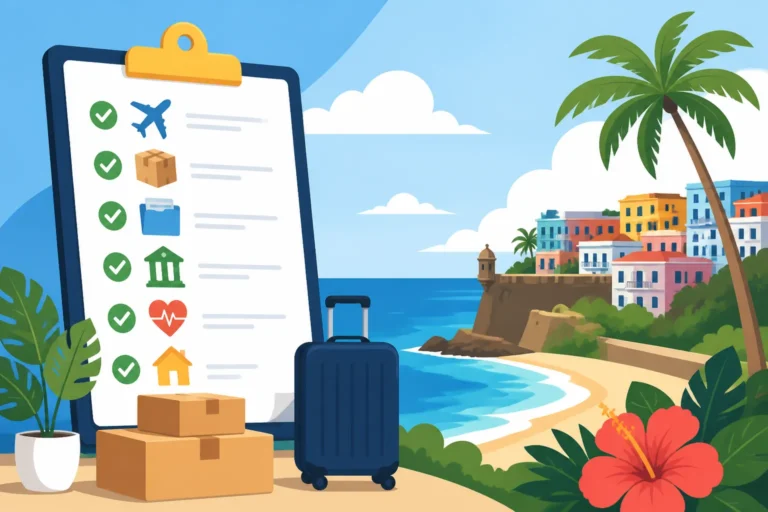
Moving to Puerto Rico requires navigating residency rules, local taxes, bank accounts, and housing markets for a smooth transition.
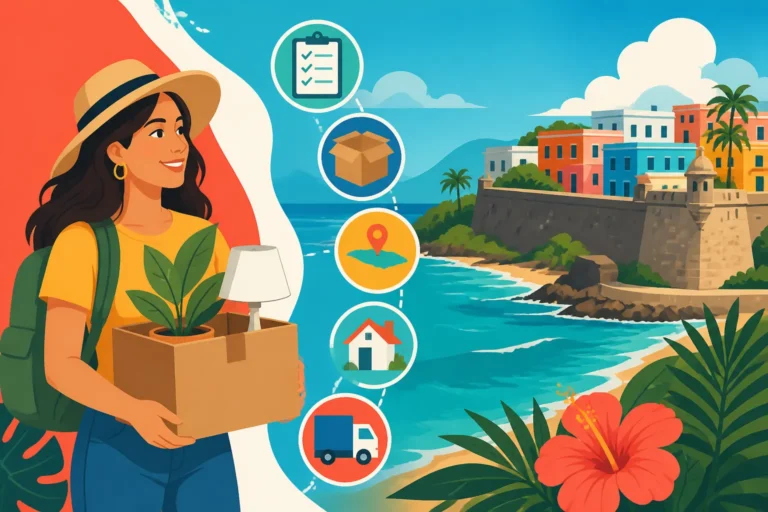
Planning your move to Puerto Rico requires understanding residency rules, comparing regional costs, managing healthcare options, and organizing paperwork.

Legal residency and domicile in Puerto Rico have distinct definitions, testing criteria, and proof requirements for tax and legal purposes.
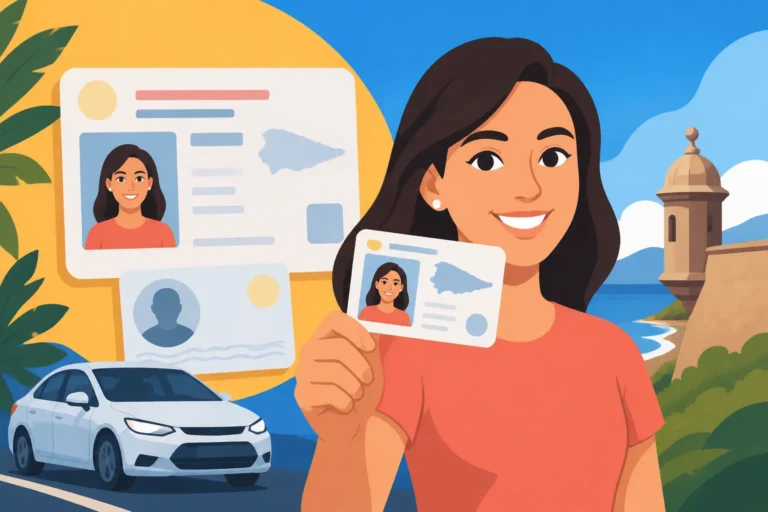
Puerto Rico driver licensing instructions explain document requirements, appointment scheduling, and the CESCO office process for new residents.

Family relocation to Puerto Rico involves navigating U.S. citizenship rules, renting or buying property, and choosing private health insurance options.
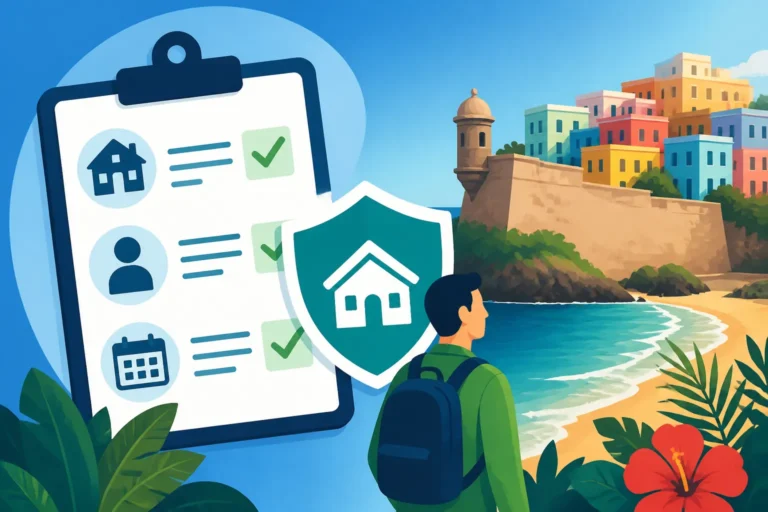
Establishing bona fide residency in Puerto Rico requires meeting strict presence, tax home, and closer connection tests for Act 60 compliance.

Foreign nationals moving to Puerto Rico must secure United States visas and navigate local administrative requirements to establish legal residency.

Relocating to Puerto Rico from the mainland involves administrative planning, cultural adaptation, residency tests, and vehicle registration.

Establishing bona fide residency in Puerto Rico requires meeting three IRS tests regarding physical presence, tax home, and closer connections.

U.S. citizens moving to Puerto Rico learn federal and local residency requirements, tax rules, and initial paperwork for the island.