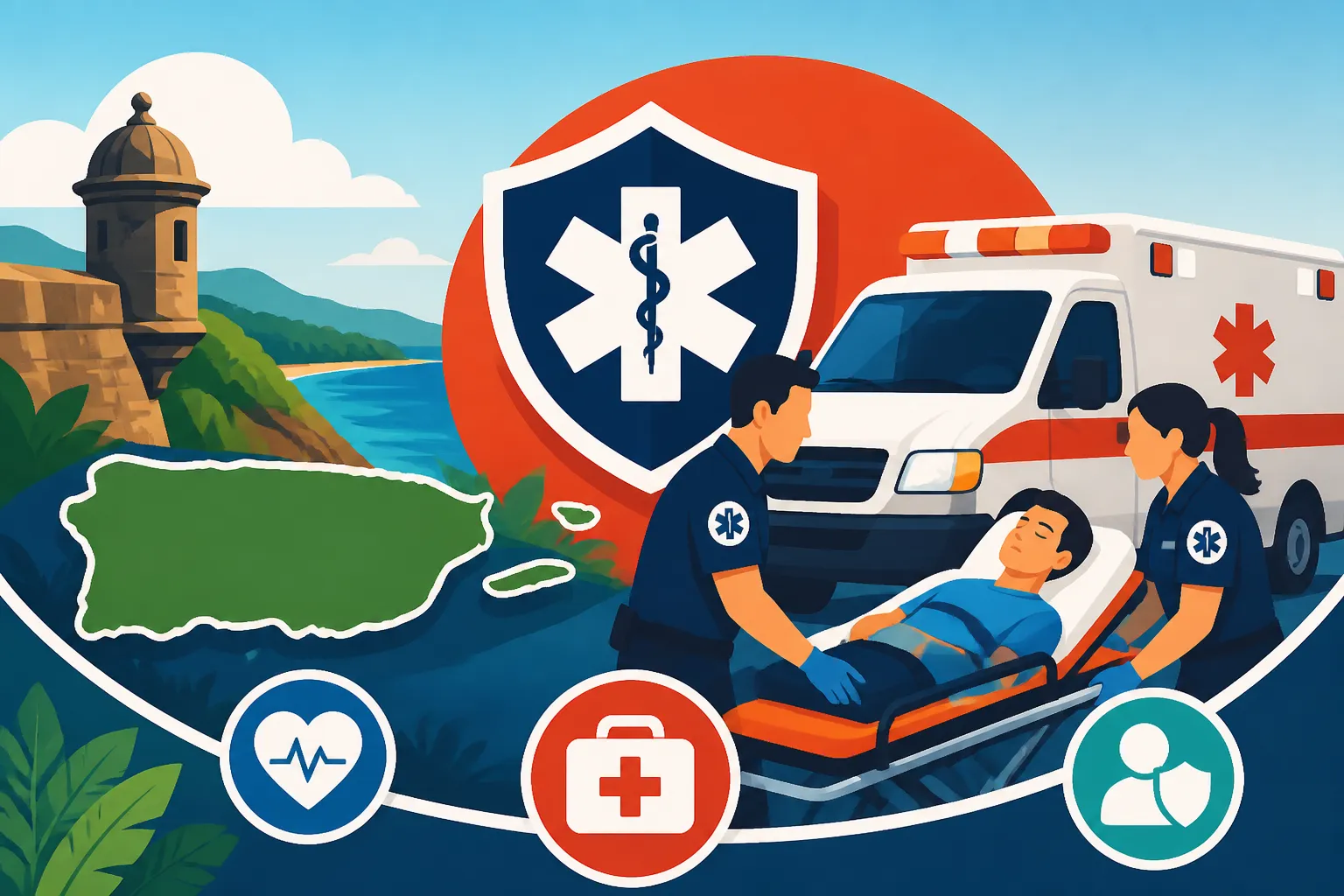
Emergency Medical Care in Puerto Rico: What Every Resident Needs to Know
Imagine waking up to a sharp, stabbing pain in your abdomen at 3:00 AM in a new home in Rincon or San Juan. The panic of not knowing which hospital is open, whether the staff will understand your English, or if your insurance covers the visit is a terrifying reality for many newcomers. This guide provides a comprehensive roadmap to navigating the emergency landscape in Puerto Rico so you can act with confidence.
Understanding the Emergency Infrastructure in Puerto Rico
Moving to the island often comes with a steep learning curve regarding how things actually function on the ground. When it comes to a medical crisis, the first thing most expats do is reach for their phone to dial 911. While 911 is the universal emergency number in Puerto Rico, the experience can differ significantly from what you might expect in a major mainland city. The dispatchers are generally bilingual, but during high-stress moments or periods of technical glitches, language barriers can emerge. It is essential to remain calm and speak clearly, providing your exact "urbanización" or neighborhood name, as street signs can be notoriously absent or confusing.
The response time for ambulances is a frequent point of frustration for residents. Depending on your location—whether you are in the heart of the San Juan metropolitan area or tucked away in the mountains of Utuado—the arrival of a municipal ambulance can range from minutes to significantly longer. Because of this, many veteran residents keep the direct phone numbers of private ambulance services or their local municipal emergency office (OMME) saved in their contacts. Understanding Emergency Numbers (911) and Ambulance Care in Puerto Rico is the first step in creating a personal safety net that bypasses the general delays of a centralized system.
Furthermore, the condition of the roads and the frequent heavy traffic in areas like Guaynabo or Hato Rey means that sometimes, if the patient is stable enough to be moved, driving yourself to the nearest emergency room is often faster than waiting for a dispatch. This is a hard reality to swallow for those used to gold-standard trauma response times, but being realistic about these hurdles allows you to plan better.
The Role of Municipal Emergency Offices (OMME)
Each municipality in Puerto Rico has its own Oficina Municipal para el Manejo de Emergencias (OMME). These local offices often have better knowledge of the specific "calle" and "camino" layouts in their jurisdiction than a central 911 dispatcher in a distant call center might. When I first moved here, a neighbor told me to put the local OMME number on my fridge. It felt overkill until the first big tropical storm hit and the local lines were the only ones moving.
Bilingual Communication with Dispatchers
While Puerto Rico is a US territory and English is technically an official language, Spanish is the language of the heart and the home. In an emergency, a dispatcher’s English might be functional but not fluent. If you do not speak Spanish, try to learn the basic phrases for your location and the nature of the emergency (e.g., "ataque al corazón" for heart attack or "choque" for a car accident). This small effort can shave precious seconds off the dispatch time.
Private vs Public Ambulance Services
Not all ambulances are created equal. Public ambulances are often tied to the 911 system and the municipal government. Private ambulances, however, are frequently contracted by specific health insurance plans or hospitals. If you have a high-end private plan, you may have access to a specific transport line that offers a higher level of care or more modern equipment. It is worth checking your policy to see if you have a preferred provider for medical transport.
CDTs, ERs, and Urgent Care: Where to Go
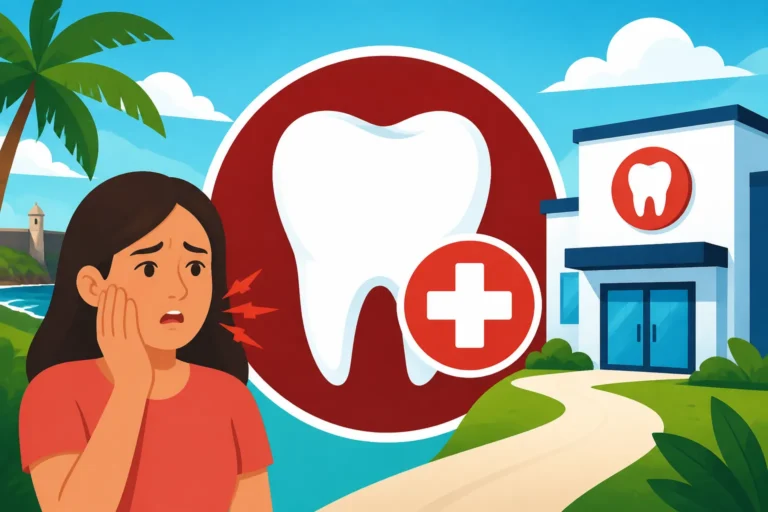
One of the most confusing aspects of the Puerto Rican healthcare system for newcomers is the "CDT." These Centros de Diagnóstico y Tratamiento are scattered throughout every town and serve as a hybrid between an urgent care clinic and a small-scale emergency room. For non-life-threatening issues like a deep cut requiring stitches, a high fever, or a suspected sprain, a CDT is often your best bet. They are typically much cheaper than a full hospital ER and usually have shorter wait times.
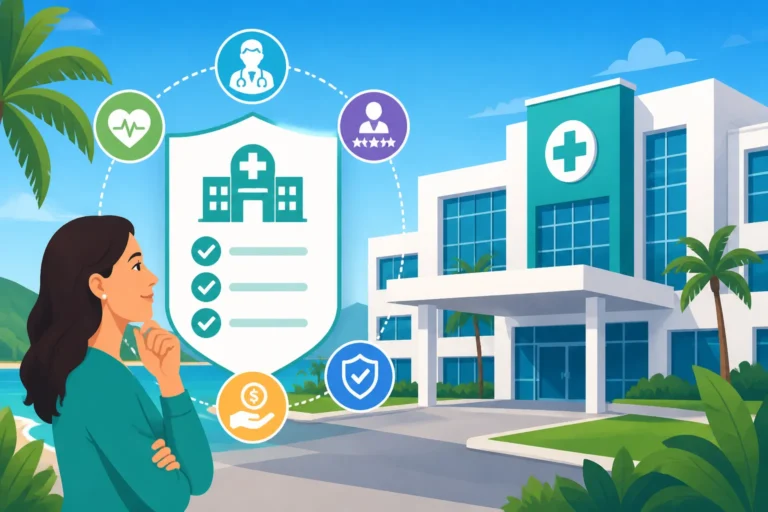
However, if you are dealing with a major trauma, chest pains, or signs of a stroke, you need a full "Sala de Emergencias" at a major hospital. In the San Juan area, hospitals like Ashford Presbyterian in Condado or Auxilio Mutuo in Hato Rey are popular choices for expats because they tend to have more English-speaking staff and sophisticated trauma units. Understanding the nuances of The Guide to Choosing a Private Hospital in Puerto Rico (2027) is vital before an emergency occurs, as not every facility is equipped to handle every type of crisis.
Wait times in Puerto Rico ERs can be notoriously long, sometimes stretching into many hours during peak times or flu season. This is partly because many residents use the ER as their primary point of care due to a lack of available primary care appointments. Knowing the difference between an "urgencia" (urgent but not life-threatening) and an "emergencia" (life-threatening) will help you decide whether to head to a local CDT or a major medical center.
What is a CDT?
A CDT is essentially the backbone of local healthcare in Puerto Rico. They are designed to stabilize patients and treat common ailments. Most CDTs have X-ray machines and basic labs, but they lack the intensive care units (ICUs) or advanced surgical suites found in hospitals. If you show up to a CDT with a life-threatening condition, they will likely stabilize you and then call for a transfer to a larger hospital, which can add delay.
Private Hospital ERs vs Public ERs
Public hospitals, often referred to as "hospitales de área" or those run by the Department of Health, are frequently overwhelmed and may have older facilities. However, they are often where the best trauma surgeons work. Private hospitals, on the other hand, offer more amenities, better patient-to-nurse ratios, and often a smoother billing process for those with private insurance. For most residents, How to Use Private Hospital Networks in San Juan is the preferred route for elective and emergency care alike.
Choosing the Right Level of Care
When deciding where to go, consider the "triage" factor. If you have a minor injury, you will be at the bottom of the list at a major hospital ER, potentially waiting six hours while more serious cases are seen. At a CDT or a dedicated urgent care center, you might be out in two. Always evaluate the severity of the symptoms before choosing your destination.
Managing Costs and Insurance in an Emergency
The cost of emergency care in Puerto Rico is generally lower than on the US mainland, but it can still be a significant burden if you are not properly insured. Most local private insurance plans (like Triple-S, MCS, or Humana) cover emergency room visits, but you will often be responsible for a "deducible" or co-pay that can range from $50 to $250 or more depending on the facility and the tests performed.
For those who have just moved to the island and are still in the "waiting period" for their local coverage to kick in, or for those who are working remotely and haven't transitioned to a local plan yet, specialized travel medical insurance can be a lifesaver. SafetyWing is a popular choice for many expats and digital nomads in Puerto Rico because it provides a bridge of coverage during these transitional periods. It is specifically designed to handle unexpected medical emergencies, including those that might occur while you are still figuring out how Puerto Rican healthcare functions.
It is also important to note that many hospitals in Puerto Rico will ask for your insurance card and a form of ID immediately upon arrival. If you do not have insurance, they may ask for a "depósito" (deposit) before treating you, unless it is a life-threatening emergency. Under federal law (EMTALA), hospitals must stabilize anyone in an emergency regardless of their ability to pay, but the billing and collections process afterward can be aggressive.
In-Network vs Out-of-Network Emergencies
Even in an emergency, being "in-network" matters for your wallet. While most plans have emergency provisions that cover you anywhere, the percentage of the bill the insurance company covers might be higher at a partner hospital. Always carry a digital or physical copy of your insurance provider's "directorio" or network list.
Billing Practices and "Emergency Fees"
Don't be surprised to see multiple bills after an ER visit. You might get one from the hospital for the "facility fee," one from the doctor who saw you, and another from the radiologist who read your X-ray. This "fragmented billing" is common. If you are using a service like SafetyWing, make sure to keep every single piece of paper, including the "hoja de reclamación" or discharge summary, to ensure your reimbursement process goes smoothly.
SafetyWing for Transitions and Travel
SafetyWing acts as a vital safety net for the mobile resident. Many newcomers find themselves in a limbo where their mainland insurance no longer covers them, but their local Puerto Rico plan hasn't started. Having SafetyWing during this 30 to 90-day window ensures that a sudden appendicitis or car accident doesn't result in tens of thousands of dollars in debt.
| Care Type | Best For | Typical Wait | Facilities |
|---|---|---|---|
| CDT | Stitches, flu, minor breaks, high fever | 1 – 3 Hours | Basic Labs, X-ray |
| Private ER | Chest pain, major trauma, English needs | 3 – 8 Hours | Full Specialty, ICU |
| Public ER | Severe trauma, no insurance | 5 – 12 Hours | Trauma Centers |
| Urgent Care | Minor illness, ear infections | 1 – 2 Hours | General Clinic |
Navigating the Hospital Experience
Walking into a Puerto Rican emergency room can be a sensory-overload experience. The waiting rooms are often crowded, and the "triage" system—where a nurse determines the order of patients—is strictly enforced. It doesn't matter if you arrived first; the person with the most critical vitals goes first. This is where patience and advocacy become your most important tools.
One cultural nuance that catches many off-guard is the "acompañante" (companion) culture. In Puerto Rico, it is expected that a family member or friend stays with the patient to help with basic needs like getting a glass of water, helping the patient to the bathroom, or communicating with the nurses. In some overcrowded facilities, the staff simply doesn't have the bandwidth for non-medical tasks. Having a bilingual friend or a "gestor" who can advocate for you is incredibly helpful. Knowing How Do I Choose Between Auxilio Mutuo, Pavia and Ashford Hospitals? can also help you find a facility where the staff is more accustomed to the needs of non-Spanish speakers.
Always bring your "evidencia" (evidence of insurance) and a list of any medications you are currently taking. Because medical records in Puerto Rico are not always centralized between different hospital systems, having a physical or digital folder of your medical history can prevent dangerous drug interactions or redundant testing during a crisis.
Triage and Wait Times
The triage nurse will check your blood pressure, heart rate, and oxygen levels. If you feel your condition is worsening while you wait, do not hesitate to go back to the triage desk. Being a "polite" patient in a busy ER can sometimes lead to being overlooked. Assertiveness, tempered with respect, is key.
Family Advocacy and Patient Rights
Under the Puerto Rico Patient Bill of Rights, you have the right to an interpreter and the right to be informed about your treatment in a language you understand. However, in the heat of a busy night shift, you might have to remind the staff of this. Having a family member present ensures that someone is keeping track of what medications are being administered and what the doctor's name is.
Documentation Needed
When the adrenaline is pumping, it’s easy to forget the basics. You will need a government-issued ID (like a PR driver's license or a US passport) and your insurance card. If you are a new resident and are still wondering What Documents Do I Need to Prove Residency in Puerto Rico?, make sure you have your lease agreement or a utility bill saved on your phone as backup proof of residency, as some public facilities may ask for it to determine billing rates.
Specialist Access During Emergencies
A common frustration for residents is that while a hospital may have a great ER, the specific specialist you need—like a neurologist or a pediatric surgeon—might not be "on-call" or even on the premises. Many specialists in Puerto Rico work in private practices during the day and only consult at hospitals as needed. This can result in a "wait and see" period where you are admitted to the ER and stabilized, but the specialist doesn't arrive until the following morning.
In some cases, if your condition requires a level of care not available at your local hospital, you may be transferred via ambulance to the Centro Médico in Río Piedras. Centro Médico is the island’s primary trauma center and the only Level 1 trauma facility for the Caribbean. It is a massive, bustling complex where the best specialists are concentrated. While the facilities can look daunting and the wait times are legendary, the medical care there for extreme emergencies is world-class. Understanding how Centro Médico works is essential if you are ever in a position where you need to navigate these transfers.
Language can also be a barrier when specialists are explaining complex procedures. While many doctors are trained in the mainland US and speak excellent English, the support staff (nurses, technicians) might not. Don't be afraid to ask a doctor to repeat themselves or to write down the diagnosis.
Availability of On-Call Doctors
On weekends or during "dias feriados" (holidays), specialist availability can be even more limited. Puerto Rico has a high number of public holidays. If you have a chronic condition, it is a good idea to know which hospital your specific specialist is affiliated with so that if an emergency arises, you can head to a facility where they already have your records.
Transfer Protocols to San Juan
If you live in Ponce, Mayagüez, or Rincon, you must be prepared for the possibility of a transfer to San Juan for advanced cardiac or neurological care. These transfers can be expensive and time-consuming. Check if your insurance covers "air ambulance" services, especially if you live on the offshore islands of Vieques or Culebra.
Language Barriers with Medical Staff
Medical terminology is difficult enough in one's native language. If you find yourself struggling, use translation apps or ask if there is a bilingual patient coordinator. Most private hospitals in San Juan have staff dedicated to assisting international patients or those from the mainland US who are not fluent in Spanish.
Emergency Preparedness for Residents
Living in Puerto Rico means being self-reliant. Beyond the medical system, your first line of defense is your own home. Every resident should have a "Medical Go-Bag." This should include a 30-day supply of essential medications, copies of your medical records, a high-quality first aid kit, and a list of emergency numbers. Given the island's history with power outages, keeping your medications in a way that remains cool (if required) is a logistical challenge you must solve.
Furthermore, many pharmacies in Puerto Rico close early or are not open on Sundays, except for a few 24-hour Walgreens or CVS locations in the metro area. If you are discharged from the ER late at night, you might find it difficult to fill a prescription for pain relief or antibiotics immediately. Knowing How Do I Find a Trusted Pharmacy Near Me in San Juan? and identifying the 24-hour locations nearest to you is a vital part of your emergency plan.
Finally, consider the power grid. If you rely on medical equipment like a CPAP machine or an oxygen concentrator, a backup solar battery or a generator is not a luxury; it is a necessity. The local power utility, LUMA, has made improvements, but the grid remains fragile. Being prepared for a medical emergency often starts with being prepared for a power outage.
Building an Emergency Contact List
Don't just rely on your phone's contact list. Have a physical card in your wallet with your blood type, allergies, and emergency contacts. Include your local doctor’s name and the name of your insurance provider. If you are using a plan like SafetyWing, keep their 24/7 assistance number prominent.
The Importance of a Home First Aid Kit
A basic box of Band-Aids isn't enough. Your kit should include a tourniquet, antiseptic washes, burn creams, and a pulse oximeter. If you are wondering What Should I Pack in a Home Medical Kit for Puerto Rico?, start with items that address the most common island risks: stings, cuts from coral or brush, and dehydration.
Understanding Pharmacy Access for After-Care
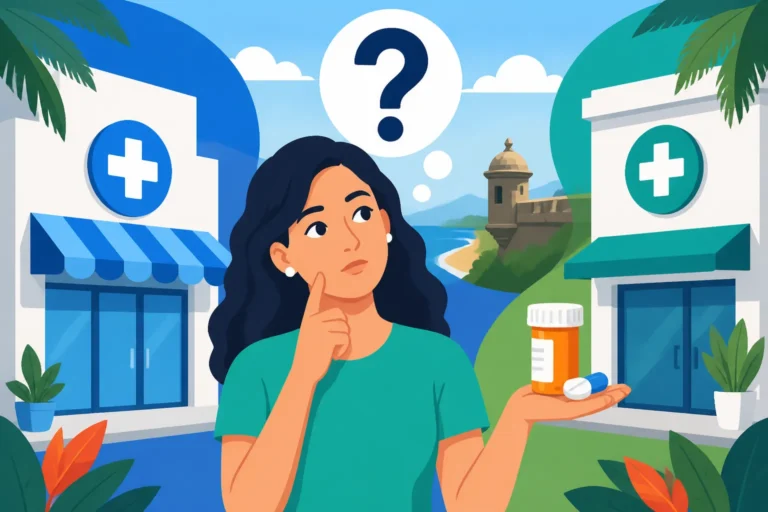
In the "campo" (countryside), pharmacies are community hubs. The pharmacist is often a trusted advisor who can help with minor ailments. However, for specialized emergency medications, you will likely need to head to a larger chain. Always ask the ER doctor for enough "muestras" (samples) or a small supply of medication to get you through until the pharmacies open the next day.
Medical Evacuation and Off-Island Emergencies
Sometimes, the care available on the island—even at the best facilities—might not be what you or your family desire for a specific condition. In rare, extreme cases, residents choose to be medically evacuated to the mainland US. This is an incredibly expensive undertaking, often costing upwards of $20,000 to $50,000 for a private medevac flight.
This is another area where having robust insurance is critical. Some high-end local plans include evacuation riders, and services like SafetyWing offer various levels of support for crisis situations and "emergency medical evacuation." If you are a resident who travels frequently between the island and the mainland, understanding How to Handle a Medical Emergency While Traveling Off-Island from Puerto Rico is essential for ensuring you aren't left stranded during a regional crisis or a personal health disaster.
Ultimately, navigating emergency care in Puerto Rico requires a mix of mainland-style advocacy and island-style flexibility. By knowing where to go, having your insurance in order, and preparing your home and family for the unexpected, you can enjoy the beauty of the island with the peace of mind that you are ready for whatever comes your way.
When Local Care isn't Enough
For certain rare cancers or highly specialized pediatric surgeries, some residents feel more comfortable in major mainland hubs like Miami or Houston. If this is a priority for you, ensure your insurance allows for "out-of-area" care. Most local Puerto Rico plans are restricted to the island unless it is a life-threatening emergency that cannot be treated locally.
How SafetyWing Handles Crisis Situations
SafetyWing is designed for the modern, mobile resident. Their 24/7 support can help coordinate with local facilities and, in eligible cases, assist with the logistics of getting you to a higher level of care. It provides that extra layer of international-standard protection that gives many expats the confidence to live far from their original home.
Air Ambulance Services
For residents of Vieques and Culebra, an air ambulance is often the only way to reach a hospital during an emergency. These flights are coordinated through the Department of Health or private providers. If you are planning to live on the "islas nenas," this is the single most important part of your medical plan to verify before you sign a lease.
Healthcare Comparison for Puerto Rico Residents
| Facility Name | Location | Specialty | Language Profile |
|---|---|---|---|
| Ashford Presbyterian | Condado, San Juan | Maternity, General ER | Very English-Friendly |
| Auxilio Mutuo | Hato Rey, San Juan | Comprehensive, Oncology | Bilingual Professional |
| Centro Médico | Río Piedras | Level 1 Trauma | Spanish Primary, Expert |
| Pavia Hospital | Santurce, San Juan | Cardiology | Bilingual |
| Hospital Damas | Ponce | General, Cardiac | Mostly Spanish |
| CDT Local | Various | Minor Emergencies | Spanish Dominant |
Disclaimer
This guide is provided for informational purposes only and does not constitute medical or legal advice. Healthcare regulations, insurance coverage, and facility availability in Puerto Rico are subject to change. Always consult with a qualified medical professional or insurance advisor regarding your specific health needs. In the event of a life-threatening emergency, dial 911 or proceed to the nearest emergency room immediately.