How Puerto Rico’s Health System Works: Public vs Private Explained (2027)
Most newcomers arrive in Puerto Rico expecting a carbon copy of the mainland US healthcare system, only to be met with a complex, bifurcated landscape of public "Vital" plans and private networks. This guide deconstructs the structural differences between public and private care, navigates the insurance maze, and provides the local insight needed to secure quality medical attention for your family today.
Understanding the Dual System: The Public vs. Private Divide
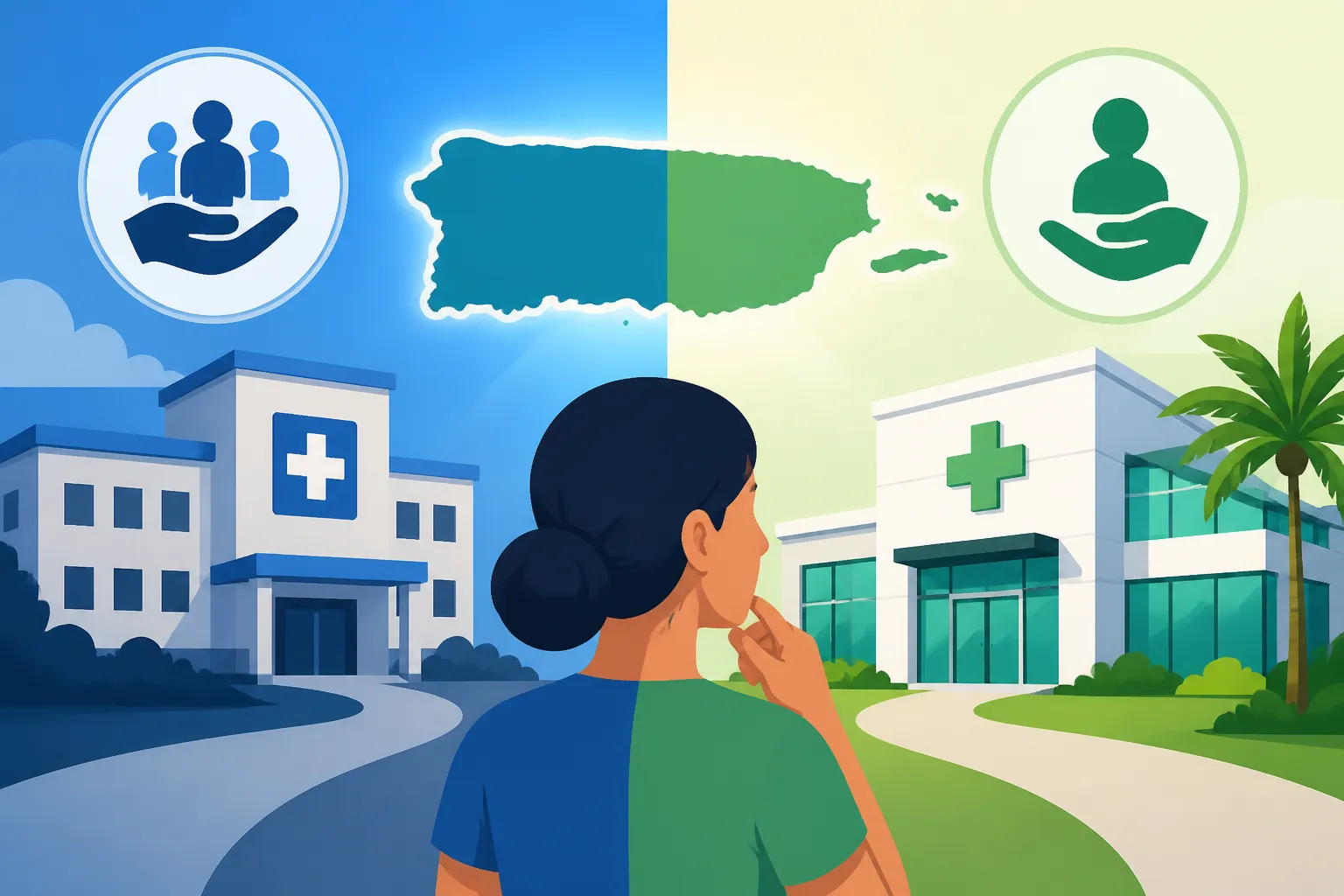
The healthcare landscape in Puerto Rico is unique because it has undergone a massive transformation over the last few decades, moving from a primarily government-run hospital system to a privatized model. However, the "public" element remains strong through the government-subsidized insurance program. To understand How Puerto Rico's Health System Works: Public vs Private Explained (2027), you have to realize that the quality of care is often high in both sectors, but the access, wait times, and administrative hurdles vary wildly.
The Public Sector and the Vital Plan
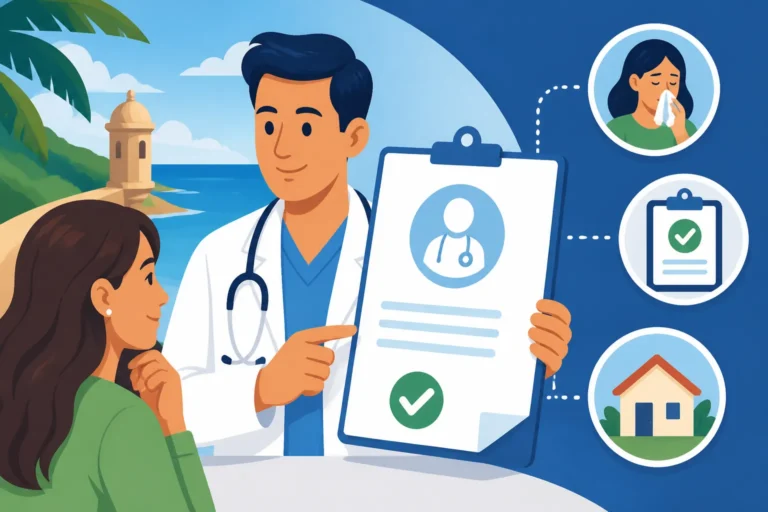
The public system is centered around the Plan de Salud del Gobierno, commonly known as "Vital." This is Puerto Rico’s version of Medicaid, managed by the Puerto Rico Health Insurance Administration (ASES). While it is technically "public" insurance, the services are actually delivered through private insurers like Triple-S or MCS who contract with the government. For many residents, this is the only viable option, and it covers a significant portion of the population.
When you are on the public plan, you are generally assigned to a Primary Medical Group (PMG). This is your gatekeeper. If you need to see a specialist, you cannot simply pick up the phone and call one; you must visit your primary doctor within your assigned group and obtain a referral. This layer of bureaucracy is one of the primary frustrations for those used to the PPO models common on the mainland. Furthermore, the public system utilizes a network of Centros de Diagnóstico y Tratamiento (CDTs), which serve as community clinics for everything from basic checkups to minor emergencies.
The Private Sector and Commercial Insurance
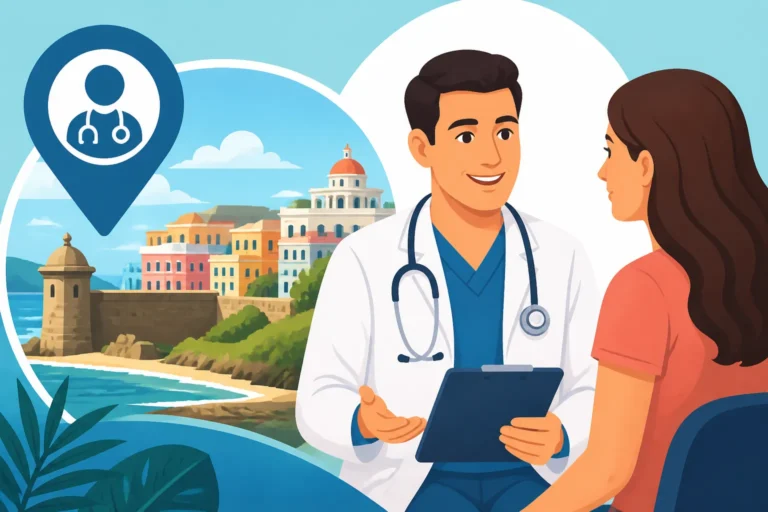
The private sector is where most expats and high-income professionals operate. This involves purchasing a commercial insurance plan or receiving one through an employer. In this realm, the experience feels much more familiar to a US-based "Preferred Provider Organization" (PPO). You have access to a broader network of doctors, and in many cases, you do not need a formal referral to see a specialist, though this depends on your specific tier of coverage.
Private hospitals, such as the Auxilio Mutuo in Hato Rey or the Ashford Presbyterian Community Hospital in Condado, are the crown jewels of the private sector. These facilities often boast state-of-the-art equipment and a higher ratio of English-speaking staff. However, even within the private sector, "island time" is a reality. It is not uncommon for a private specialist to have a three-month waiting list, as the island has faced a significant "brain drain" of medical professionals moving to the mainland for higher salaries and lower malpractice insurance costs.
Bridging the Gap: Why Newcomers Choose Private
The decision to opt for private care usually boils down to three factors: speed, choice, and language. While the public system is a lifesaver for those who qualify, the administrative load can be overwhelming for someone still trying to figure out where to buy groceries. By choosing a private plan, you are effectively paying for a shorter line. You are also gaining the ability to select providers who have been recommended within the expat community, many of whom have offices in San Juan or Guaynabo.
For those in the middle of a move, there is often a gap between arriving and getting a local plan established. This is where many digital nomads or those under Act 60 rely on transitional options. Using a provider like SafetyWing can be an excellent way to ensure you have coverage for accidents or unexpected illnesses while you navigate the local bureaucracy to get a permanent Puerto Rican policy. This is particularly helpful because How to Get Health Insurance When You Move to Puerto Rico can take several weeks of paperwork and residency proof.
Navigating Public Healthcare: What is the Vital Plan?
For those who are moving to the island with limited income or who are transitioning between careers, the Vital plan is the backbone of the medical experience. It is a comprehensive plan, but it requires a deep understanding of how to work the system. You cannot expect the system to work for you; you have to be your own advocate, often showing up in person to offices to ensure your paperwork hasn't fallen into a manila-folder-shaped black hole.
Eligibility and Enrollment for the Public Plan
Eligibility for Vital is based on income thresholds that are significantly lower than those for Medicaid in many US states. To apply, you generally need to visit an office of the Department of Health (Departamento de Salud) or use their online portal. The documentation required is extensive: you will need proof of residency, social security cards for all family members, and detailed income statements. It is one of those situations where having a local friend to help translate the nuances of the interview can be a major advantage.
Understanding the Vital Plan (Government Health Plan) in Puerto Rico (2027) is crucial because if you don't qualify, you are immediately pushed into the private market. There is no "middle ground" public option for those who earn just above the poverty line. For newcomers, this often means that if you are moving for a job or as a self-employed individual, you will likely be looking at private options from day one.
Quality of Care and Facilities: The CDT System
If you are using the public system, your primary point of contact will be the CDT. These centers are scattered throughout every municipality, from the bustling streets of Bayamón to the remote mountains of Utuado. They are designed to be a "one-stop-shop" for the community. In a CDT, you might find a pharmacy, a laboratory, an X-ray technician, and a handful of general practitioners all in one building.
The quality of care at a CDT is generally competent, but the facilities can feel dated. You might find yourself sitting in a plastic chair in a crowded waiting room for several hours. This is where the cultural adjustment hits hardest. In Puerto Rico, medical appointments are often "first come, first served," even if you have a scheduled time. People bring books, snacks, and plenty of patience. It is a social environment as much as a clinical one, and learning to navigate this with grace will save you a lot of stress.
The Reality of Wait Times and Referrals
The biggest hurdle in the public sector is the referral system. If you have a chronic condition, such as thyroid issues or a heart condition, you must first see your PMG doctor at the CDT. They will then issue a "referral" (referido) which you must take to the specialist. However, the specialist must be within the same network as your PMG. If your favorite cardiologist is in a different network, you may have to pay out of pocket or find a new doctor.
Wait times for specialists in the public system can be grueling. It is not unheard of to wait six months for a neurology appointment. This is why many residents, even those on the Vital plan, will sometimes save up money to see a specialist privately just once to get an initial diagnosis or a prescription adjustment, then bring that information back to their public doctor. Knowing How Specialist Referrals Work Under Puerto Rico Health Plans is essential to avoiding a loop of denied claims and expired paperwork.
The Private Healthcare Experience for Expats and New Residents
Most expats find that the private healthcare system in Puerto Rico offers a level of comfort and efficiency that justifies the monthly premiums. While it isn't perfect, the private network provides a level of autonomy that is vital for those who aren't yet fluent in Spanish or who have specific medical needs that require top-tier specialists.
Choosing a Private Insurance Provider
The private insurance market in Puerto Rico is dominated by a few major players: Triple-S (an affiliate of Blue Cross Blue Shield), MCS (Medical Card System), and Humana. When you are looking for a plan, you need to look specifically for "Planes Comerciales." These plans vary in their "metal" levels—Bronze, Silver, Gold, and Platinum—similar to the ACA marketplace on the mainland.
When choosing, the most important factor isn't just the premium; it’s the "Red de Proveedores" or provider network. Some plans have a much stronger presence in San Juan, while others might be better if you are living in Dorado or Rincón. You should also check if the plan includes "cobertura fuera de Puerto Rico" (coverage outside of Puerto Rico). This is a major selling point for expats who travel back to the mainland frequently. If your local plan doesn't cover the mainland, you might consider supplemental coverage from a brand like SafetyWing to handle your trips back home.
Accessing Network Hospitals and Clinics
In the private system, you have your choice of some of the best hospitals in the Caribbean. For instance, if you are living in the metropolitan area, you will likely frequent the Auxilio Mutuo or Pavia. These hospitals operate much like high-end US facilities. They have private rooms, modern birthing centers, and intensive care units that rival those in major US cities.
One thing to keep in mind is that "in-network" means something very specific here. Even if a hospital is in-network, the specific doctor treating you might not be. This is a common trap in the ER. Always ask, "Es usted proveedor de [Your Insurance Name]?" (Are you a provider for…?). Most private clinics have a dedicated insurance coordinator who can help you navigate this, but the onus is on you to verify before the procedure begins.
The Benefit of English-Speaking Providers
One of the most significant advantages of the private sector is the prevalence of English-speaking doctors. A vast majority of specialists in Puerto Rico completed their residencies or fellowships at major US universities like Johns Hopkins, Mayo Clinic, or Harvard. They are often fully bilingual and hold board certifications from the same organizations as mainland doctors.
In a private setting, the administrative staff is also more likely to have some level of English proficiency, especially in expat-heavy areas like Condado, Isla Verde, and Dorado. This reduces the "administrative friction" that can make a simple doctor's visit feel like a monumental task. If you are worried about the language barrier, check out our guide on How to Find an English-Speaking Doctor in Puerto Rico for a curated list of resources and clinics.
Comparing Costs: What You’ll Actually Pay
The cost of healthcare in Puerto Rico is generally lower than on the US mainland, but it is higher than in many other Latin American countries. Because Puerto Rico is a US territory, it is subject to many of the same federal regulations and pharmaceutical costs as the states, but the local economy dictates a different pricing structure for services.
Premium and Out-of-Pocket Structures
For a private individual plan in 2026, a healthy 30-year-old might expect to pay anywhere from $200 to $450 per month for a high-quality plan. For a family of four, those premiums can jump to $800 or $1,200. While these numbers might seem high, the out-of-pocket costs—your co-pays and deductibles—are often significantly lower than what you would see for a comparable plan in Florida or New York.
| Service Type | Public (Vital) Cost | Private (PPO) Co-pay | Self-Pay (No Insurance) |
|---|---|---|---|
| Primary Care Visit | $0 | $10 – $30 | $60 – $100 |
| Specialist Visit | $0 (w/ referral) | $20 – $50 | $125 – $250 |
| Emergency Room | $0 | $50 – $150 | $300 – $600+ |
| Generic Prescription | $0 – $5 | $5 – $15 | $20 – $50 |
| MRI / Advanced Imaging | $0 | $50 – $200 | $400 – $800 |
As you can see, The Cost of Healthcare in Puerto Rico: A Complete Breakdown for Newcomers (2026) is relatively manageable if you have insurance. The real danger lies in being uninsured, as hospital billing can escalate quickly, especially for inpatient stays or surgeries.
Government Subsidies vs. Private Self-Funding
The Vital plan is essentially free for those who qualify, with zero premiums and very low or zero co-pays. This is a massive benefit for the local population. However, the "cost" is paid in time and limited choice. For the expat community, most will be "self-funding" through private premiums. It is important to note that Puerto Rico does not have the same ACA (Obamacare) subsidies that you find on the mainland. You are buying your insurance in a local market that operates under its own rules.
If you are a business owner, you may find that providing health insurance for your employees is one of your largest overhead costs, but it is also one of the most valued benefits. Under local law, certain employers are required to contribute to the healthcare costs of their staff, but the specifics are nuanced. It’s always worth checking Understanding the Difference Between Mainland and Puerto Rico Health Plans to see how your specific employment situation affects your coverage options.
Emergency Care Costs: The ER Reality
If you find yourself in an emergency, the cost will depend heavily on where you go. If you walk into a CDT, the cost will be minimal, but the wait will be long and the resources limited. If you go to a major private ER like the one at Pavia, you will be seen faster and have access to better diagnostics, but the bill will reflect that.
Even with private insurance, an ER visit can result in "surprise billing" for things like specialized lab work or out-of-network consultants who were called in while you were unconscious or distressed. This is why having a secondary or transitional policy like SafetyWing can be helpful for those who aren't yet fully integrated into a local plan, as it can help cover those gaps that a standard local policy might miss during your first few months on the island.
Critical Logistics: Specialists, Prescriptions, and Referrals
Once you have your insurance card in hand, the real work of managing your health begins. Puerto Rico's medical system is highly decentralized, and you will often find that your "electronic records" aren't as electronic as you’d hope. You will likely become very familiar with carrying a physical folder of your medical history from office to office.
The Specialist Shortage: Managing Expectations
It is a harsh reality of island life: there aren't enough specialists. Whether you need an endocrinologist, a dermatologist, or a pediatric surgeon, you are going to wait. The "brain drain" has hit these fields the hardest. Many doctors prefer the private system because it pays better, but even there, the volume of patients is high.
To navigate this, the "veteran expat" trick is to ask for a "lista de espera" (waiting list) or to ask the receptionist if there are any "cancelaciones" (cancellations) you can take. Sometimes, being a "pesado" (a bit of a persistent nuisance) in a polite way can get you an appointment weeks earlier. If you have an urgent but non-life-threatening need, you might find that Is Public or Private Healthcare Better in Puerto Rico? depends entirely on which specialist has an opening first.
Getting Your Medications Filled on Island
The pharmacy system in Puerto Rico is excellent. You have major US chains like Walgreens and CVS in almost every town, and they function exactly like they do on the mainland. Your prescriptions can often be transferred digitally if you are moving from the US. However, there is also a vibrant network of "Farmacias de Comunidad" (community pharmacies). These local shops often provide much better customer service and can sometimes source hard-to-find medications faster than the big chains.
One thing to watch out for is the "Formulary." Just because a drug was covered by your plan in Texas doesn't mean it’s covered by the same insurer’s plan in Puerto Rico. You may need your doctor to file a "justificación médica" (medical justification) to get certain brand-name drugs approved. It's wise to bring a 90-day supply of your essential meds when you first move to avoid any gaps while you sort this out.
The Referral Process: A Necessary Gatekeeper
Even in the private sector, some "Managed Care" plans require referrals. If you chose a plan that is an HMO (Health Maintenance Organization), your Primary Care Physician (PCP) is the boss. You must see them first. This can be frustrating when you know you have a sinus infection and just want to see an ENT.
To make this smoother, find a PCP near your home as soon as you arrive. Don't wait until you are sick. Establishing that relationship early means that when you do need a referral, you can often get it through a quick phone call or a telehealth visit rather than a four-hour wait in the office. Understanding How to Find and Register with a Primary Care Doctor in Puerto Rico is arguably the most important task for any new resident.
Emergency Services and Urgent Care in Puerto Rico
In a crisis, the system changes. You aren't worried about referrals; you're worried about proximity and quality. Puerto Rico has a robust emergency response system, but it is hampered by the island's geography and traffic.
When to use a CDT vs. a Private Hospital ER
If you have a minor injury—a deep cut that needs stitches, a high fever, or a suspected sprain—a CDT is your best friend. They are everywhere and they are designed for this. You will pay very little, and they can handle the basics efficiently. However, if you are experiencing chest pain, signs of a stroke, or major trauma, do not go to a CDT. They often lack the specialized equipment and staff for life-saving interventions.
In a true medical emergency, you want a "Hospital Terciario" (Tertiary Hospital). In San Juan, this means the Centro Médico—the island's trauma center—or one of the major private hospitals like Auxilio Mutuo. These facilities have the specialists on call 24/7. To learn more about where to go in a pinch, check out Emergency Medical Care in Puerto Rico: What Every Resident Needs to Know.
Ambulance Services and 911 Logistics
Calling 911 in Puerto Rico works, but it can be slower than you're used to. Dispatchers are usually bilingual, but in high-stress situations, being able to give your address in Spanish (or having a landmark nearby) is vital. Many "urbanizations" have gated entrances, so you must ensure the security guard knows an ambulance is coming.
In many cases, if the person is stable enough to be moved, it is actually faster to drive them to the ER yourself. Traffic in San Juan can be brutal, and ambulances often get stuck just like everyone else. Private ambulance services also exist, and some high-end insurance plans include a certain number of private transports per year. It's a detail worth checking in your policy.
Travel Insurance and Transitional Coverage
For the first few months of your residency, you are in a vulnerable spot. Your mainland insurance might have "out of network" emergency coverage, but it often involves paying upfront and fighting for reimbursement later—a nightmare when you're dealing with thousands of dollars in hospital bills.
This is why many of us in the expat community recommend SafetyWing during the transition. It acts as a safety net. If you fall while hiking in El Yunque or get a tropical bug before your Triple-S card arrives, you have a clear path to coverage. It’s also invaluable for the "reverse move"—when you go back to visit family on the mainland and your Puerto Rican plan doesn't follow you across the Atlantic.
Preparing for Your Move: A Healthcare Checklist
Success in the Puerto Rican healthcare system is 90% preparation. You cannot wing it here. The administrative hurdles are real, and the "paperwork culture" is alive and well.
Transferring Records and Prescriptions
Before you leave your current home, get physical copies of everything. Yes, physical. While many doctors use portals, those portals don't always talk to each other across the ocean. Have a folder with your latest blood work, your immunization records (especially for children entering school), and a list of your current medications with their dosages.
When you see your first doctor in Puerto Rico, hand them this folder. It will save you from having to redo expensive tests and will help them understand your history immediately. This is especially true if you are managing a chronic condition. For a deeper look at the logistics, see our guide on How Puerto Rico's Health System Works: Public vs Private Explained (2027).
Finding Your First Doctor in PR
Don't use Google as your only source. Google Maps in Puerto Rico is notoriously inaccurate regarding office hours and locations. Instead, use your insurance provider's "Directorio de Proveedores" (Provider Directory) or join local Facebook groups like "Expats in Puerto Rico" or "Moving to Puerto Rico." The community is very active and will tell you which doctors actually answer their phones and which ones speak perfect English.
Once you have a name, call and ask, "Está aceptando nuevos pacientes?" (Are you accepting new patients?). Many of the best doctors are "full," but sometimes having a referral from another doctor can open the door. It’s all about the "cuello" (connections) on the island.
Managing the 90-Day Transition Period
Expect that it will take at least 90 days to feel "settled" in the medical system. During this time, keep your mainland insurance active if possible, or use a transitional plan like SafetyWing. This gives you the breathing room to find the right doctors, get your residency documents for the Vital plan, or wait for your employer's open enrollment.
Use this time to "scout" your local clinics and pharmacies. Drive past the nearest CDT and the nearest private ER so you know exactly where they are before you need them at 2 AM. Familiarize yourself with the Understanding the Difference Between Mainland and Puerto Rico Health Plans so you aren't surprised by how the billing works.
Disclaimer
The information provided in this guide is for educational and informational purposes only and does not constitute professional medical or legal advice. Healthcare laws and insurance policies in Puerto Rico are subject to frequent changes. Always consult with a qualified healthcare provider or insurance professional regarding your specific medical needs and coverage options. The author is a lifestyle blogger and veteran expat, not a medical professional or licensed insurance agent.