How Do I Access Emergency Dental Care in Puerto Rico?
Suddenly, that dull ache turns into a throbbing pain, or you bite down on something hard and feel a sickening crack. Dealing with a dental emergency anywhere is stressful, but when you're an expat in Puerto Rico, it can feel downright terrifying trying to navigate a new healthcare system, especially in a moment of acute pain. This guide is here to walk you through exactly how to access urgent dental care on the island, from knowing what constitutes an emergency to finding the right clinic and understanding the costs involved.
Understanding What Constitutes a Dental Emergency in Puerto Rico
When you're dealing with a tooth issue, it's natural to wonder if it's truly an emergency or something that can wait. On the mainland, we often have a clear distinction, but here in Puerto Rico, knowing the difference can save you a lot of discomfort and potentially, money. It’s not just about pain; it’s about preventing further damage, infection, or even systemic health issues.
Defining Urgent Dental Situations
A true dental emergency is any situation that requires immediate attention to save a tooth, stop ongoing tissue bleeding, or alleviate severe pain. If you're experiencing something like excruciating pain that keeps you up at night, facial swelling, or an injury that has knocked out or fractured a tooth, you absolutely need to seek care as soon as possible. Don't try to tough it out; that's just a recipe for more serious complications. I've heard too many stories from fellow expats who thought they could wait until their next trip to the mainland, only to end up in agonizing pain and needing more complex, costly treatment.
For instance, if you have a persistent, throbbing toothache accompanied by swelling in your jaw or face, that could indicate an abscess. An abscess is a serious bacterial infection that can spread to other parts of your body if left untreated. It’s not just a tooth problem anymore; it’s a potential full-body health risk. Another common emergency is a broken or chipped tooth, especially if the break is severe enough to expose the nerve, leading to extreme sensitivity or pain. Even a lost filling or crown can become an emergency if it causes sharp pain or leaves a vulnerable part of your tooth exposed to bacteria.
When It Can Wait A Little (But Not Too Long)
Not every dental issue is a lights-and-sirens emergency. Sometimes, you might have a persistent but manageable toothache, a loose crown that isn't causing pain, or a minor chip that doesn't expose the nerve. These situations still warrant a visit to the dentist, but they typically don't require dropping everything to rush to an emergency clinic on a Sunday afternoon. Think of it this way: if you can still eat, sleep, and function relatively normally, it's probably not a true emergency, but it's definitely an urgent matter that needs addressing within a day or two.
A good example might be a dull, intermittent ache that's annoying but doesn't prevent you from sleeping. Or perhaps a dental filling fell out, but there's no sharp pain when you eat or drink. These are situations where you should call your regular dentist first thing in the morning to get an appointment. Many dental offices in Puerto Rico are accustomed to fitting in urgent cases, so don't hesitate to explain your situation clearly when you call. They'll advise you on whether they can see you that day or if you should seek immediate emergency care elsewhere. The key is not to ignore it completely, as these minor issues can escalate quickly in our humid climate.
Navigating the System: Where to Find Emergency Dental Care
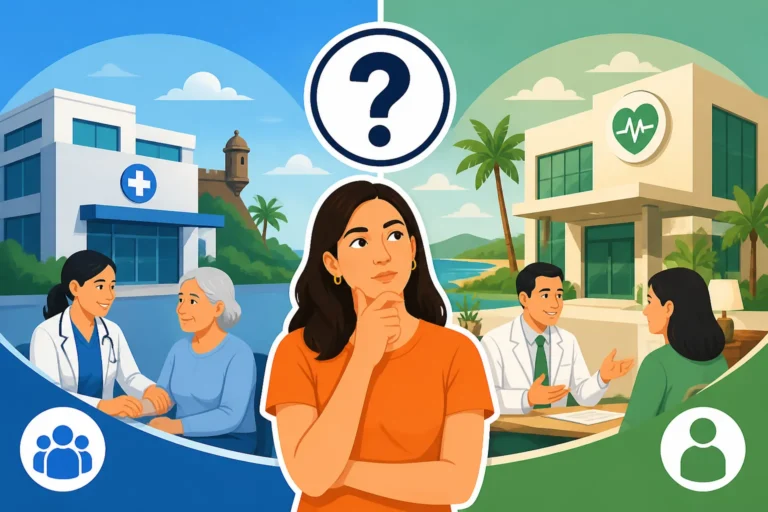
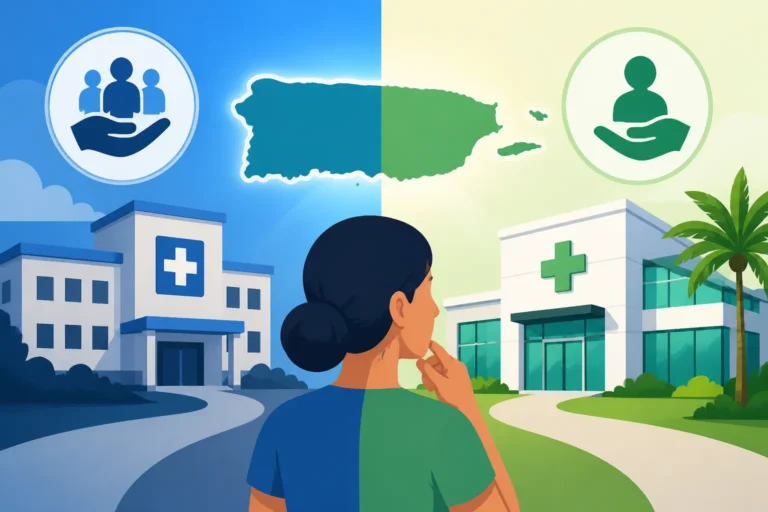
Finding emergency dental care in Puerto Rico often means understanding the nuances between public and private options, and knowing where to look in your specific area. It’s not always as straightforward as walking into any hospital.
Public Dental Clinics and CDTs
Puerto Rico has a network of Centros de Diagnóstico y Tratamiento (CDT), which are public diagnostic and treatment centers, along with some public health clinics that offer dental services. These facilities are often more affordable, especially if you have the government's Vital Plan (Plan de Salud del Gobierno). However, access to emergency dental care through these public channels can be challenging. Wait times can be long, and not all CDTs have a dentist on staff 24/7 or specifically for emergencies.
For residents covered under the Understanding the Vital Plan (Government Health Plan) in Puerto Rico (2027) it's worth checking if your assigned CDT or a nearby public clinic offers urgent dental services. You'll typically need to call ahead or arrive early, prepared for a wait. The services might be more focused on pain management and extraction rather than complex restorative procedures in an emergency setting. For instance, if you have a severe infection, they might prescribe antibiotics and refer you to a specialized dental clinic or hospital for the actual procedure. It’s not always a one-stop shop, and the level of English spoken might vary, which can be an added layer of stress when you’re in pain.
Private Dental Practices and Specialist Offices
This is usually where expats find the most reliable and immediate emergency dental care. Private dental practices across Puerto Rico, especially in metropolitan areas like San Juan, Ponce, and Mayagüez, are generally well-equipped and often have dentists on call or designated emergency slots. Many private practices cater to an international clientele, so finding an English-speaking dentist is much more likely here. If you're wondering How to Find an English-Speaking Dentist in Puerto Rico, starting with private practices and asking for recommendations in expat groups is your best bet.
When a dental emergency strikes, your first call should always be to your established private dentist if you have one. They know your history and are often the best resource for immediate help. If it’s after hours, their answering service will usually provide an emergency contact number or direct you to an affiliated clinic that handles emergencies. If you don't have a regular dentist, a quick online search for "emergency dentist San Juan" or "dentista de emergencia [your town]" will yield results. Look for practices that explicitly mention emergency services or extended hours. In San Juan, many larger dental groups or specialized clinics near areas like Condado or Old San Juan are accustomed to handling urgent cases for tourists and new residents alike. They understand the need for prompt care and clear communication.
Hospital Emergency Rooms
It’s important to clarify: hospital emergency rooms in Puerto Rico, like most places, are typically not equipped to handle complex dental procedures. If you show up with a severe toothache, they can assess your general condition, check for serious infections (like facial cellulitis), prescribe pain medication and antibiotics, and potentially refer you to an oral surgeon or a dental clinic. They might be able to stabilize a major injury to the mouth or jaw, but they won't perform a root canal or replace a lost crown.
Think of the emergency room as a gateway for life-threatening or severely incapacitating issues. If your emergency involves trauma to the face that could impact breathing or cause significant bleeding, or if you have swelling that is closing off your airway, then yes, head straight to the hospital ER. Otherwise, for most dental emergencies, a dedicated dental clinic is the more appropriate and effective route. You don't want to rack up an expensive ER bill just to be told to see a dentist. If you're trying to gauge the overall costs, remember that Emergency Medical Care in Puerto Rico: What Every Resident Needs to Know covers this broader picture, and dental care often falls into its own specialized category.
What to Expect: Process, Costs, and Payment
The process of getting emergency dental care in Puerto Rico, and the associated costs, can vary significantly depending on whether you're using public or private services, and your insurance situation. Being prepared for these realities can alleviate some of the stress.
The Emergency Visit: What Happens First
When you arrive at a private dental office for an emergency, the first thing they’ll typically do is assess the urgency of your situation. You'll likely fill out some intake forms – bring your ID, any insurance information, and be prepared to provide details about your medical history and the nature of your dental pain. The dental staff will take X-rays of the affected area to get a clear picture of what's going on beneath the surface.
Once the dentist evaluates your X-rays and performs an examination, they'll discuss their findings and propose a treatment plan. For immediate pain relief and stabilization, this might involve a temporary filling, a prescription for antibiotics or pain medication, or even an emergency extraction if the tooth is beyond saving and causing severe infection. Sometimes, the initial visit is just to get you out of immediate pain and address the most critical issue, with a follow-up appointment scheduled for more definitive treatment. For instance, if you have an abscess, they might drain it and prescribe antibiotics, then schedule a root canal or extraction for a later date. This phased approach is common.
Costs and Payment Options
This is where things can get a bit tricky, and why understanding The Cost of Healthcare in Puerto Rico: A Complete Breakdown for Newcomers (2026) is so vital. Emergency dental costs can range widely. A basic emergency consultation might be around $50-$150, but if you need an X-ray, temporary filling, or antibiotics, that cost will go up. Procedures like emergency extractions can run from $150 to $400 or more, depending on complexity. A root canal, especially an emergency one, could be $500-$1,500 or higher. These figures are estimates and can vary by clinic and location.
Many private dental offices will expect payment upfront, or at least a significant portion of it, for emergency services if you don't have local insurance. They might not have time to verify your mainland insurance or determine coverage percentages on the spot. For expats, having cash, a credit card, or a good travel insurance plan that covers emergency dental (like SafetyWing, which offers some dental benefits) is crucial. Don’t expect a payment plan to be offered during an emergency; be ready to pay. It’s always a good idea to discuss costs transparently with the staff before any major procedures if your pain allows.
Dental Insurance and Coverage in Puerto Rico
If you have private health insurance in Puerto Rico, check if it includes dental benefits. Many general health plans here have limited dental coverage, often just for preventative care, or specific types of emergencies. Some plans, however, do have robust dental components or offer optional dental riders. Understanding Dental Coverage and Costs in Puerto Rico is essential here.
If you're relying on mainland US dental insurance, the situation becomes more complex. Many mainland plans have limited or no coverage in Puerto Rico, or they might treat it as out-of-network, meaning you pay more out-of-pocket and have to file for reimbursement yourself. This is where travel insurance for expats, like SafetyWing, can be a lifesaver. While primarily designed for travel medical emergencies, many expat travel insurance policies, like those from SafetyWing, include an emergency dental benefit that can cover acute pain relief, accidental dental injury, or urgent extractions up to a certain limit. Always check your specific policy details before you need it. Even if your insurance doesn’t cover the full cost, it can significantly reduce your financial burden during an unexpected emergency.
Emergency Dental Care Comparison
| Feature | Public Dental Clinics (CDT/Health Centers) | Private Dental Practices | Hospital Emergency Rooms (for dental) |
|---|---|---|---|
| Availability | Limited emergency hours; often need to call ahead or arrive early. | More likely to offer emergency slots, extended hours, or on-call. | 24/7, but not specialized for dental. |
| Services | Basic pain relief, antibiotics, extractions. Referrals for complex cases. | Comprehensive care: fillings, root canals, extractions, crowns. | General assessment, pain relief, antibiotics, trauma stabilization. |
| Cost | Generally lower, especially with Vital Plan. | Higher; upfront payment often required without local insurance. | High; not specialized, can be very costly for minimal dental treatment. |
| Wait Times | Can be long, even for emergencies. | Varies; often quicker for emergencies, especially if an existing patient. | Can be very long, deprioritized if not life-threatening. |
| Language | Primarily Spanish; English proficiency may vary. | Higher likelihood of English-speaking staff and dentists. | Varies; may have English speakers, but not guaranteed. |
| Payment Options | Vital Plan, cash, possibly credit/debit. | Cash, credit/debit, private insurance (local or sometimes travel expat plans). | Private insurance, cash, credit/debit. |
| Best For | Affordable basic care, severe infection requiring antibiotics if private options are inaccessible. | Most dental emergencies, rapid and specialized treatment. | Severe facial trauma, uncontrolled bleeding, life-threatening infections. |
Preparing for the Unexpected: Prevention and Planning
While dental emergencies are, by definition, unexpected, there are definitely steps you can take to be prepared and minimize their impact when living in Puerto Rico. A little planning goes a long way to easing the stress of a sudden toothache.
Prioritizing Regular Dental Check-ups
The absolute best way to prevent a dental emergency is to proactively address potential issues. This means establishing care with a regular dentist in Puerto Rico. Don’t wait until you’re in pain! Schedule a routine cleaning and check-up soon after you move here. This allows the dentist to get to know your dental history, identify any underlying problems that could escalate, and give you peace of mind. Regular check-ups can catch small cavities before they become excruciating nerve pain, or identify a weakened tooth that might break under pressure.
If you’re moving from the mainland, try to get your dental records transferred to your new Puerto Rico dentist. This provides them with valuable context and helps them understand your dental history and any ongoing issues. Many private dental practices are happy to assist with this process. Think of it like maintaining your car – regular service prevents major breakdowns. Doing this when you’re not in pain means you can choose a dentist at your leisure, assess their office, and ensure comfortable communication, rather than frantically searching when you’re in agony.
Understanding Your Insurance Options Before an Emergency Strikes
Before you ever need emergency dental care, thoroughly investigate your health insurance coverage. If you have a local private health plan, dig into the details of its dental benefits. Is there a separate dental policy? What does it cover in terms of emergencies vs. routine care? What are the deductibles, co-pays, and annual limits for dental work? It’s far easier to do this research when you’re not staring at a swollen jaw.
For expats, especially those who travel frequently or are still adjusting to their new life on the island, considering international travel health insurance or expat insurance that includes emergency dental benefits is a smart move. Policies from providers like SafetyWing often cover unexpected dental pain relief up to a certain amount, and they can be invaluable when you're caught off guard. Knowing you have some coverage, even if it's not comprehensive, can alleviate a huge financial burden during an emergency. Make sure you understand the claims process for any policy you have – do you need to pay upfront and get reimbursed, or can the provider bill the insurer directly?
What to Do in the Moment of Crisis
Okay, so despite all your preparation, a dental emergency has still happened. First, stay calm. Panicking won't help the pain.
- For pain relief: Over-the-counter pain relievers like ibuprofen or acetaminophen can help manage the pain temporarily. You can also try a cold compress on the outside of your cheek if there’s swelling. Don’t place aspirin directly on your gum, as it can burn the tissue.
- For a knocked-out tooth: If a permanent tooth gets knocked out, try to pick it up by the crown (not the root), gently rinse it if it's dirty (do not scrub), and try to reinsert it into the socket. If that's not possible, keep it moist by placing it in a small container of milk or saline solution, or even in your mouth next to your cheek. Get to a dentist immediately – time is critical for saving the tooth.
- For a broken tooth: Rinse your mouth with warm water and apply a cold compress to the outside of your face to reduce swelling.
- Contact your dentist: As soon as possible, call your regular dentist. If it’s after hours, follow their emergency instructions. If you don't have a regular dentist, use your phone to search for "emergency dental care [your town]" or "dentista de emergencia" and call clinics that advertise emergency services. Be prepared to explain your situation clearly, and don't hesitate to ask if they have English-speaking staff.
Remember, prompt action can make a huge difference in the outcome and the severity of your pain. Having a plan, even a mental one, can make a world of difference when you’re caught off guard. You might also want to read up on Prescription Medications and Pharmacies in Puerto Rico: The Complete Guide in case you need antibiotics or stronger pain medication.
Disclaimer
The information provided in this guide is for general informational purposes only and does not constitute medical or dental advice. While we strive to offer accurate and up-to-date information, healthcare systems, policies, and costs are subject to change. Always consult with a qualified dental professional or healthcare provider for any health concerns or before making any decisions related to your health or treatment.