What Health Plans Are Available on the Island in Puerto Rico?
Moving to Puerto Rico can feel like stepping into a vibrant, sun-drenched paradise, but let's be real: figuring out the local healthcare system and what health plans are actually available on the island can quickly turn that sunshine into a cloudy day. Many of us arrive thinking our mainland plans will just magically work, or we're completely lost trying to navigate a new set of acronyms and processes. This comprehensive guide is here to cut through the confusion, offering a realistic, expat-tested look at your options for health coverage in Puerto Rico, so you can make informed decisions without pulling your hair out.
Navigating the Landscape of Health Plans in Puerto Rico
When you first land in Puerto Rico, the healthcare system can seem like a bit of a labyrinth, especially if you're used to the very structured, often confusing, systems back on the mainland. I remember thinking I could just keep my old plan, only to find out that was a pipe dream. The truth is, Puerto Rico operates on a mixed model, drawing from both public and private sectors, with its own unique flavor of administrative hurdles and cultural nuances. It’s not simply a carbon copy of any US state system, and understanding this fundamental difference is your first step.
The Dual System: Public vs. Private Healthcare
At its core, Puerto Rico's healthcare structure is a blend. On one side, you have the government-run public health system, primarily known through the Vital Plan. This plan is essentially Puerto Rico's version of Medicaid, designed to provide comprehensive medical coverage to low-income residents and other eligible individuals. It’s a lifeline for many on the island, ensuring access to doctors, hospitals, and pharmacies, regardless of their ability to pay for traditional insurance. However, like any public system, it comes with its own set of considerations, including specific provider networks and sometimes longer wait times for certain appointments or specialist referrals. For a deeper dive into how this all works, check out our article on How Puerto Rico's Health System Works: Public vs Private Explained (2027).
Then, on the other side, you have the private healthcare sector, which is robust and offers a wide array of options for those who don't qualify for Vital or prefer the flexibility and expanded choices that private plans often provide. These plans function much like private insurance on the mainland, requiring premiums, deductibles, and co-pays, but they allow you to choose from a broader network of doctors, specialists, and state-of-the-art hospitals. Many expats and those with higher incomes or employer-sponsored benefits opt for private insurance, finding it offers a level of service and convenience that aligns more with their expectations. Navigating this dual system is crucial for new residents, as your eligibility and preferences will dictate which path you take.
Key Players in Puerto Rico's Health Insurance Market
Just like anywhere else, a few big names dominate the health insurance scene here, both in the public and private spheres. Understanding who these players are will help you immensely as you start shopping around or evaluating your options.
For private insurance, the major local insurers you'll encounter are Triple-S Salud, MCS Healthcare, and Humana. These companies offer a variety of plans, from HMOs (Health Maintenance Organizations) that require you to select a primary care physician and get referrals for specialists, to PPOs (Preferred Provider Organizations) that give you more flexibility to see out-of-network providers, albeit at a higher cost. Each insurer has its own network of hospitals, clinics, and doctors, and the coverage can vary significantly between plans. For instance, a basic plan might cover routine visits and prescriptions, while a more premium plan could include extensive specialist care, mental health services, and even wellness programs. It's truly a mixed bag, and what might be the "best" for one person might not be for another.
On the government side, the Vital Plan is administered through regional managed care organizations, which are contracted by the Puerto Rico Health Insurance Administration (ASES). So, while it's all "Vital," your specific provider network might be managed by one of the private insurers, essentially creating a public-private partnership. This can sometimes make things a bit confusing because you might have a "Vital" plan, but your card might say "MCS" or "Triple-S" on it. Brokers also play a significant role here, acting as intermediaries to help individuals and businesses find the right private plans. They can be invaluable resources, especially if your Spanish isn't quite up to par yet, and you need someone to explain the nuances of each policy.
Diving Deep into the Vital Plan (Government Health Plan)
The Vital Plan is often the first touchpoint for many residents new to the island, particularly if they are seeking affordable or subsidized healthcare. It’s a program that serves a vital role, providing coverage to a significant portion of Puerto Rico's population. When I first heard about it, I admit, I immediately thought "Medicaid," and while that's essentially what it functions as, it's locally known and administered as the Vital Plan, so it's good to use the correct terminology when discussing it here.
Who Qualifies for the Vital Plan?
Eligibility for the Vital Plan is primarily income-based, much like Medicaid programs in the US states. It's designed for low-income individuals and families, pregnant women, children, and people with certain disabilities. The income thresholds are determined by the Puerto Rico Health Insurance Administration (ASES) and are typically aligned with federal poverty levels, though local adjustments apply. For example, a single person might need to have an income below a certain monthly amount, and that amount will vary based on household size. It’s not just about being "low income" in a general sense; there are specific financial benchmarks that must be met. You'll need to provide documentation of your income, household size, and residency status to apply.
It’s a common misconception that if you’re a US citizen, you automatically qualify for everything. While your citizenship means you can access these programs, you still need to meet the specific financial and residency requirements set forth by Puerto Rico. Many newcomers, especially those who moved for employment opportunities or retirement, often find they don't meet the income criteria for Vital, pushing them towards private insurance. If you're wondering, "Do I Qualify for the Vital Government Health Plan in Puerto Rico?", it's best to consult with ASES directly or a local enrollment specialist to get the most accurate information based on your personal circumstances. Remember, proving your residency and income can sometimes be a paperwork-heavy process, so patience is key.
Understanding Coverage and Access with Vital
Once enrolled in the Vital Plan, beneficiaries receive comprehensive medical coverage. This typically includes visits to a primary care doctor, specialist referrals (though sometimes getting these can take time), hospital stays, emergency services, mental health care, prescription medications, and even dental and vision services. The breadth of coverage is substantial, aiming to provide a safety net for essential health needs. Each beneficiary is assigned to a specific managed care organization (like MCS or Triple-S) and typically a primary care physician within that network.
Accessing care, however, can sometimes be a challenge. Because the Vital Plan serves a large population, you might encounter longer wait times for appointments, especially for certain specialists. Finding providers who accept Vital can also be a geographic challenge, with more options usually available in urban centers like San Juan compared to more rural areas. My friend, who recently moved to a smaller town, had to travel a bit further to find a primary care doctor within her Vital network. Prescription coverage is generally good, but you'll need to ensure your pharmacy accepts your specific Vital plan's network. For those trying to figure out the ins and outs, our guide Understanding the Vital Plan (Government Health Plan) in Puerto Rico (2027) provides a thorough breakdown. It’s a robust plan, but understanding its operational realities is crucial for managing expectations.
Exploring Private Health Insurance Options
For many expats and newcomers who don't qualify for the Vital Plan, or who simply prefer more choice and potentially faster access to care, private health insurance is the way to go. This sector of the healthcare market in Puerto Rico is quite competitive, offering a range of plans from various providers.
Major Local Private Insurers and Their Offerings
As I mentioned earlier, the big three in private health insurance on the island are Triple-S Salud, MCS Healthcare, and Humana. These aren't obscure companies; they're household names here, similar to Blue Cross Blue Shield or Aetna on the mainland. Each offers a portfolio of plans designed to cater to different needs and budgets. You'll find everything from basic indemnity plans to more structured HMO and PPO options.
- Triple-S Salud, for example, is often considered the largest insurer on the island and has a very extensive network, which can be a huge plus when you're trying to find a doctor or specialist. They offer plans for individuals, families, and businesses, with varying levels of co-pays, deductibles, and premiums.
- MCS Healthcare also boasts a significant presence and a strong network, particularly in certain regions. They are known for offering competitive benefits and services, including robust Medicare Advantage plans, which are crucial for many retirees moving to the island.
- Humana has a solid footprint here too, offering a range of options that include both individual and group plans, often with a focus on comprehensive benefits.
When you're looking at these plans, you'll need to consider what kind of network you prefer. Do you want the flexibility of a PPO that allows you to see out-of-network providers, or are you comfortable with an HMO that generally has lower premiums but requires referrals? It’s also vital to look at the annual deductibles, co-pays for doctor visits and prescriptions, and the maximum out-of-pocket costs. These local plans are generally well-integrated with the private hospitals and clinics across the island, such as Ashford Presbyterian Community Hospital, Hospital Auxilio Mutuo, and Hospital Pavia in San Juan, ensuring that if you have private insurance, you have access to top-tier facilities. For a detailed guide on enrollment, check out How to Enroll in a Private Health Plan in Puerto Rico.
Considerations for Mainland Plans and Travel Insurance
One of the most frequent questions I get from folks just moving here is, "Does my mainland health insurance work in Puerto Rico?" The short answer, in most cases, is a resounding no, or at best, very limited emergency coverage. While Puerto Rico is a U.S. territory, most standard mainland health insurance plans consider it "out of network" or "international." This means that even if they cover emergencies, routine care, specialist visits, or even prescriptions are often not covered, or you'll pay exorbitant out-of-pocket fees. Trying to claim reimbursement can be a bureaucratic nightmare, so it's generally not a viable long-term solution. Our article Understanding the Difference Between Mainland and Puerto Rico Health Plans goes into much more detail on this often-frustrating reality.
This is where supplemental options like travel insurance become critical, especially during your transition period. If you’re in the process of moving, waiting for your new Puerto Rico-based plan to kick in, or even just here for an extended stay while maintaining your mainland residency for now, travel insurance can be a literal lifesaver. Companies like SafetyWing offer plans specifically designed for digital nomads and long-term travelers. It's not a replacement for comprehensive local health insurance, but it can cover unexpected medical emergencies, accidents, or even trip interruptions, giving you peace of mind while you're getting settled. Imagine getting a nasty ear infection from the ocean or twisting an ankle on the cobblestones of Old San Juan before your local plan is active—a SafetyWing policy could cover those unforeseen medical bills, which can add up quickly. It's a pragmatic bridge solution, ensuring you're not left completely exposed during those vulnerable first few months or short-term visits.
Choosing the Right Health Plan for Your Needs
Selecting a health plan in Puerto Rico isn't a one-size-fits-all situation. What works for a young, single remote worker living in Rincón might be completely inadequate for a family of four in San Juan or a retiree in Ponce. You need to really sit down and assess your personal circumstances, health needs, and financial situation. It’s like picking out a car – you need to know if you need a rugged SUV for mountain roads or a compact sedan for city driving.
Factors to Consider When Selecting a Plan
When you’re staring at all those brochures and plan summaries, it’s easy to get overwhelmed. I’ve been there, trust me. Here are the crucial factors you need to weigh:
- Cost, Cost, Cost: This is usually the big one. Look beyond just the monthly premium. What are the deductibles (how much you pay before your insurance starts covering costs)? What are the co-pays for doctor visits, specialists, and prescriptions? What’s the annual out-of-pocket maximum? A plan with a lower premium might have a sky-high deductible that could hit you hard if you have an unexpected medical event. Conversely, a higher premium might mean lower costs when you actually use the services. To help you budget, you might want to read How Much Does Health Insurance Cost in Puerto Rico in 2026?.
- Provider Network: This is immensely important, especially if you have existing doctors or specific clinics you prefer. Check if your preferred primary care physicians, specialists, and hospitals are "in-network" for the plan you're considering. If you live in a more rural area, confirm there are accessible in-network providers nearby. If you’re a parent, finding a pediatrician within your network is paramount. For example, some plans might have strong networks in the San Juan metro area but sparse options in the west. You don't want to find yourself having to drive across the island for every appointment.
- Specific Health Needs: Do you have any pre-existing conditions? Are you planning a family? Do you need regular specialist visits (e.g., for diabetes, a heart condition, or mental health)? Ensure the plan you choose adequately covers these needs. Check maternity care coverage if applicable, or how chronic disease management is handled. What about prescription drug coverage for ongoing medications? Some plans might have better coverage for particular specialty services than others.
- Employment Situation: If you're employed, your employer might offer group health plans, which often come with better rates and more comprehensive benefits than individual plans. If you're self-employed, an entrepreneur under Act 60, or retired, you'll be looking at individual plans or, if eligible, Medicare Advantage plans. Understanding Health Coverage for the Self-Employed in Puerto Rico is crucial for business owners. Each scenario has distinct implications for your health insurance choices.
- Emergency and Travel Coverage: While you're focusing on local coverage, think about emergencies, especially if you travel frequently off-island. Some private plans include emergency coverage for mainland US travel, but it's often limited. For true travel peace of mind, especially during your initial move or while exploring global opportunities, supplementing with a plan like SafetyWing can be very wise. It’s designed to handle those unexpected international incidents that traditional plans often balk at.
The Enrollment Process and Important Documentation
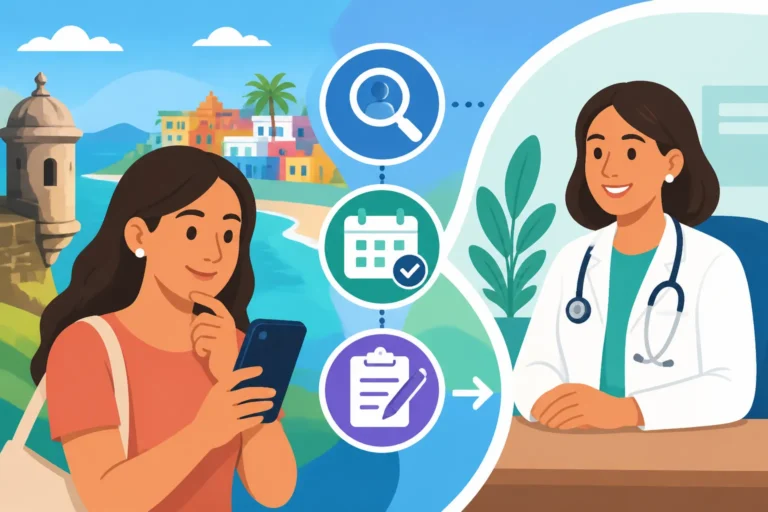
Once you’ve done your homework and picked a plan, the next step is enrollment. This process, while seemingly straightforward, can have its own quirks in Puerto Rico.
Generally, you'll need to fill out an application form, which can be done online, through a local insurance agent, or directly at an insurer's office. You'll typically need to provide several key documents:
- Photo ID: Your driver's license (Puerto Rico or mainland, if valid) or passport.
- Proof of Residency: This could be a utility bill, a rental agreement, or a property deed in your name.
- Social Security Number: Essential for identification and tax purposes.
- Proof of Income: Pay stubs, tax returns, or bank statements, especially if applying for subsidized plans or the Vital Plan.
- Previous Insurance Information: If you're transitioning from another plan, having this on hand can sometimes streamline the process.
The timeline for coverage to begin can vary. Employer-sponsored plans often start quickly, but individual plans might have an effective date of the first of the month following your application, or sometimes even longer. It’s absolutely critical to understand these timelines because you don't want to be caught in a gap without coverage. Many people get stuck, and medical bills without insurance are no fun. This is another scenario where a short-term solution like SafetyWing can bridge that gap, providing essential emergency coverage until your primary local plan officially kicks in. For example, if you get sick before your insurance starts, knowing you have some form of emergency coverage can alleviate a lot of stress. Don't be afraid to ask questions, double-check dates, and keep copies of all your paperwork.
Here’s a quick overview of the two main types of plans:
| Feature | Vital Plan (Government Health Plan) | Private Health Plans (e.g., Triple-S, MCS, Humana) |
|---|---|---|
| Eligibility | Income-based for low-income individuals, families, specific populations. | Generally open to all residents; often employer-sponsored. |
| Cost | Low or no premiums, co-pays, and deductibles (subsidized). | Premiums, deductibles, co-pays vary significantly by plan/provider. |
| Coverage Scope | Comprehensive: primary care, specialists, hospital, Rx, mental health. | Comprehensive, but specific benefits vary greatly by plan level. |
| Provider Network | Assigned network of doctors and facilities; can be regional. | Wider choice of doctors, specialists, and top-tier hospitals. |
| Wait Times | Can be longer for specialists or certain procedures. | Generally shorter, especially for in-network providers. |
| Administrative Burden | Can involve more paperwork and agency navigation. | Generally streamlined, similar to mainland private insurance. |
| Best For | Low-income individuals, families, those needing subsidized care. | Expats, those with higher income, employer benefits, more choice. |
Ultimately, finding the right health plan in Puerto Rico requires patience, research, and a clear understanding of your own needs. It's an important part of settling in and ensuring your well-being on this beautiful island.
Disclaimer
Please note that the information provided in this guide is for general informational purposes only and does not constitute professional medical, legal, or financial advice. Healthcare regulations, plan offerings, and eligibility criteria can change frequently. It is essential to consult with qualified professionals, such as insurance brokers, financial advisors, and healthcare providers, to obtain advice tailored to your specific situation and to ensure you have the most current and accurate information available.