Do I Need a Passport to Move to Puerto Rico?
One of the first questions that pops into every potential expat's head when dreaming of moving to Puerto Rico is, "Do I need a passport?" It's a valid and incredibly common point of confusion, stemming from Puerto Rico's unique status. Navigating the legalities and practicalities can feel like a bureaucratic labyrinth, but this guide is here to clear up the confusion and lay out exactly what identification you'll need, and why.
Do You Need a Passport to Move to Puerto Rico? The Straight Answer
Let's cut right to the chase because this is often the make-or-break question for many considering a move. The answer largely depends on where you're coming from. For U.S. citizens, the requirements are different from those for foreign nationals. It's a fundamental distinction that impacts your entire relocation plan.
For US Citizens: The Clarity You Crave
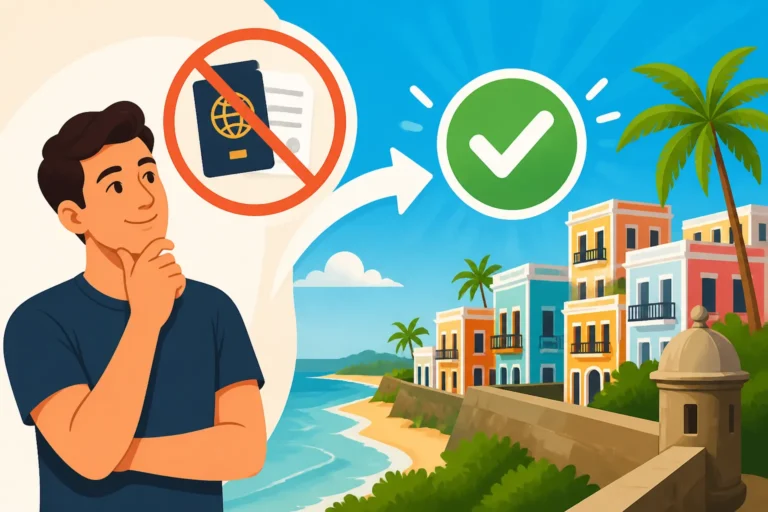
If you are a United States citizen, you do not need a passport to enter Puerto Rico, nor do you need one to establish residency here. Puerto Rico is a U.S. territory, which means travel between the U.S. mainland and the island is considered domestic travel. Think of it like flying from New York to California; a passport isn't typically required for that, and the same applies here.
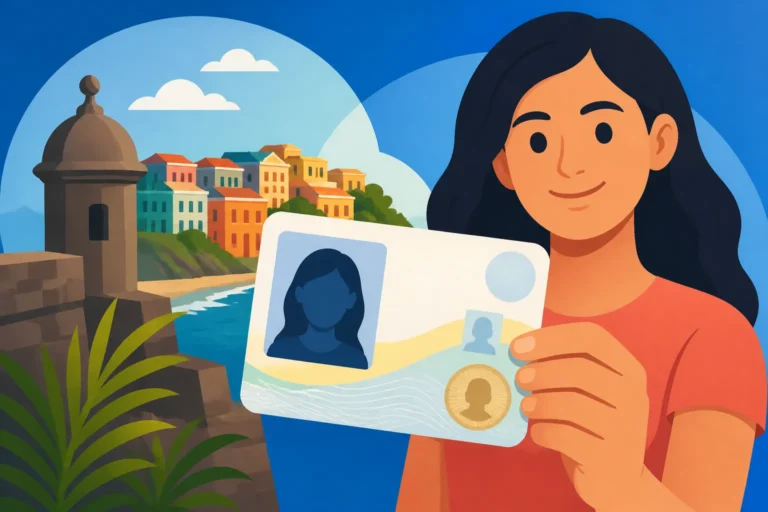
However, while not legally required for entry or residency, a valid government-issued photo ID is absolutely essential. For air travel, this usually means a state-issued driver's license or a state identification card. Since May 7, 2025, the Transportation Security Administration (TSA) requires travelers 18 years and older to use a REAL ID-compliant identification card, or another acceptable form of ID such as a passport, for domestic air travel. So, while you don't need a passport, if your state ID isn't REAL ID compliant, a passport might still be your easiest way to clear airport security. But for the purpose of simply moving and living here, no passport is needed as a U.S. citizen. The true hurdles for U.S. citizens often lie in the administrative tasks after arrival, such as getting a local driver's license or setting up utilities, which require other forms of identification, but not a passport per se.
For Non-US Citizens: Understanding Visa and Passport Requirements
Now, if you are not a U.S. citizen, the situation changes entirely. For you, moving to Puerto Rico is akin to moving to any other U.S. state or territory. This means you will need a valid passport and any necessary U.S. visas that permit you to live and work in the United States. Puerto Rico follows all U.S. federal immigration laws, so there are no special "Puerto Rico visas" for foreign nationals. You must comply with all requirements set forth by U.S. Customs and Border Protection (CBP) and U.S. Citizenship and Immigration Services (USCIS).
This could mean applying for an immigrant visa (like a family-sponsored visa or an employment-based visa) if you plan to reside permanently, or a non-immigrant visa (like a student visa or certain work visas) if your stay is temporary. The process can be lengthy and complex, often requiring extensive documentation, interviews, and background checks. Without proper authorization to live in the U.S., you cannot legally establish residency in Puerto Rico. It's crucial for foreign nationals to understand that moving to Puerto Rico is not an easier or separate path to U.S. residency; it's the same stringent process as moving to the mainland. For a deeper dive into this, you might find our guide on Moving to Puerto Rico as a Foreign National: Visas and Residency Explained (2027) incredibly helpful.
Beyond the Passport: What Identification You Will Need
So, we've clarified the passport situation. But honestly, that's just the tip of the iceberg. Once you're here, whether you're a U.S. citizen or a foreign national with proper documentation, you'll quickly realize that getting set up requires an array of other vital documents. The administrative processes in Puerto Rico can sometimes feel like a treasure hunt for papers, and being prepared is your best defense against frustration.
Essential Documents for US Citizens
Even without needing a passport, U.S. citizens will need to present several key pieces of identification and documentation for various essential tasks once they arrive. Your mainland state driver's license is a good start, but eventually, you'll need to transfer it. To do that, you'll head to a CESCO (Centro de Servicios al Conductor), and they'll ask for a flurry of documents, including your Social Security card, original birth certificate, and potentially proof of address in Puerto Rico, like a utility bill or lease agreement. It's always a good idea to bring certified copies of your birth certificate and marriage certificate if applicable. For tasks like opening a bank account at institutions like Banco Popular or Oriental Bank, you'll definitely need your photo ID, Social Security card, and often proof of your new local address. Don't underestimate the importance of these foundational documents. Without them, you'll hit roadblocks when trying to do things as basic as How to Set Up Electricity (LUMA) in Your Puerto Rico Home or establish a local phone plan.
Essential Documents for Non-US Citizens
For foreign nationals, beyond your passport and U.S. visa, you'll be looking at similar, but sometimes more stringent, requirements. Your Alien Registration Card (Green Card) will be your primary proof of legal residency, along with your passport. When applying for local services, you'll also need to provide your Social Security card (if you have one), proof of address, and potentially a local identification from CESCO once you've been here long enough to qualify. For any official documents that aren't in English or Spanish, be prepared to provide certified translations, and sometimes even an apostille for international acceptance. Every administrative step, from enrolling children in school to securing healthcare, will require you to prove your legal status and identity. Remember, proving you are a bona fide resident for tax purposes will involve careful documentation of your time here, as detailed in our guide on Understanding the 183-Day Rule for Bona Fide Residency in Puerto Rico.
Here’s a quick overview of primary identification requirements:
| Requirement Category | For US Citizens (Moving from Mainland) | For Non-US Citizens (Moving from International) |
|---|---|---|
| Entry into PR | Valid Government Photo ID (e.g., Driver's License, REAL ID) | Valid Passport & Appropriate US Visa/Green Card |
| Establishing Residency | Social Security Card, Birth Certificate, Proof of PR Address | Passport, Visa/Green Card, Social Security Card (if applicable), Proof of PR Address |
| Local Driver's License | Current Driver's License, Social Security Card, Birth Certificate, Proof of Address, Medical Certificate | Passport, Visa/Green Card, Social Security Card (if applicable), Proof of Address, Medical Certificate, (May require special testing) |
| Opening Bank Account | Government Photo ID, Social Security Card, Proof of PR Address | Passport, Visa/Green Card, Proof of PR Address |
| Healthcare Enrollment | Government Photo ID, Social Security Card, Proof of PR Address | Passport, Visa/Green Card, Social Security Card (if applicable), Proof of PR Address |
| Voting Registration | Government Photo ID, Birth Certificate, Proof of PR Address | Not Applicable (unless a Naturalized US Citizen) |
Preparing for Your Move: Beyond Just ID
Moving to a new place, even one as wonderful as Puerto Rico, is never just about showing up with your ID. It's a massive logistical undertaking, and the more prepared you are, the smoother the transition will be. This isn't just about avoiding a headache at the airport or CESCO; it's about setting yourself up for success in your new life.
Gathering Your Vital Records
Before you even think about packing a single box, start gathering all your vital records. We're talking birth certificates (your original, certified copies!), marriage certificates, divorce decrees, academic transcripts, professional licenses (you'll need to transfer or validate these), vaccination records, and all medical history. Seriously, make multiple copies, scan them, and keep them in a secure cloud storage.
This foresight will save you countless hours and immense stress down the line. Imagine trying to enroll your kids in school or get a new health insurance plan here, only to discover you don't have their immunization records! It happens, believe me. Having everything organized from the get-go will make tasks like enrolling in Health Insurance in Puerto Rico: Plans, Costs and Options Explained (2026) a much more straightforward process. If you’re looking at international health coverage options, particularly if you travel frequently or anticipate needing specialized care off-island, a provider like Cigna Global can offer comprehensive solutions, but even they will need your basic medical history.
Logistics of Relocation and Important Considerations
Moving your entire life, whether it's just you or an entire family, is a monumental task. This is where you need to start thinking about the nitty-gritty: how your belongings will get here, what you're leaving behind, and how you'll settle in.
For instance, choosing the right moving company is critical. You can't just throw everything in a truck and drive it down here! Companies like Sirelo can be incredibly useful resources for comparing different moving services and getting quotes for shipping your household goods. They often have experience with international moves, which, even for U.S. citizens, moving to an island can feel like an international endeavor. Consider the cost, insurance, and timeline carefully.
Beyond the physical move, think about establishing your presence. This involves updating your mailing address with the USPS, changing your domicile, and ensuring all your federal agencies know your new address in Puerto Rico. These seemingly small details are crucial for officially establishing Bona Fide Residency in Puerto Rico: The Definitive Tax Guide (2027). Don't forget to review our The Complete Relocation Checklist for Moving to Puerto Rico (2027) to ensure you haven't missed a single crucial step. From setting up your new banking accounts to understanding local transportation, preparing thoroughly will make your transition infinitely smoother.
Disclaimer
The information provided in this article is for general informational purposes only and does not constitute legal, financial, or immigration advice. While we strive to offer accurate and up-to-date content, laws and regulations in Puerto Rico, particularly those related to immigration, residency, and identification, are subject to change. It is highly recommended to consult with qualified legal, immigration, and financial professionals for advice tailored to your specific situation before making any relocation decisions. We do not endorse any specific service providers mentioned in this article, and users should conduct their own due diligence.