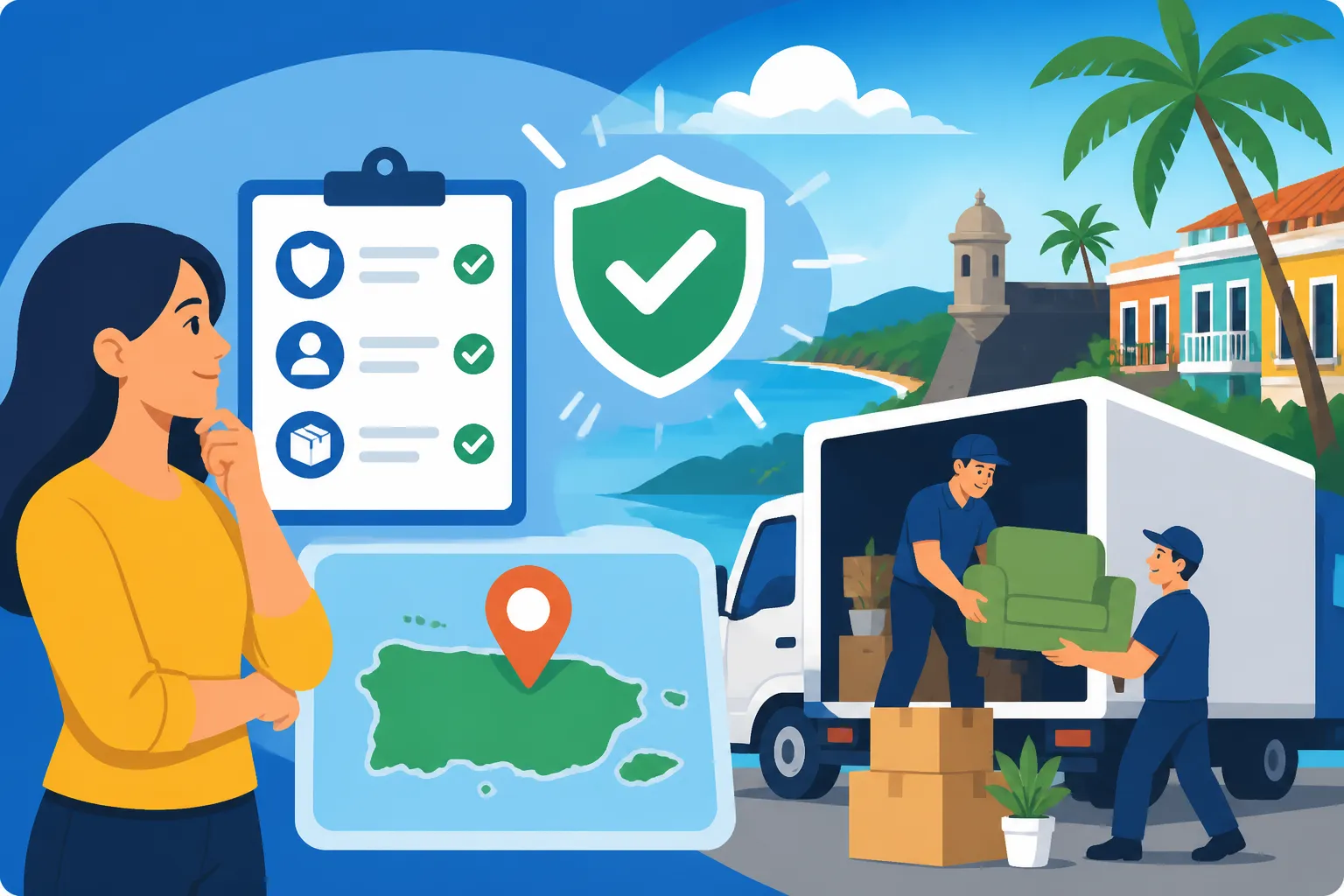
How Do I Find a Reliable Moving Company to Puerto Rico?
Moving to Puerto Rico, that beautiful island paradise, can feel like embarking on an incredible adventure, but the actual logistics of getting your entire life there? That’s where the reality often hits, turning excitement into a daunting, anxiety-inducing project. Finding a truly reliable moving company to transport your cherished belongings across the ocean isn't just about getting a quote; it's about entrusting your entire household to people who understand the unique challenges of island moves. This guide will cut through the noise, helping you understand how to vet, choose, and navigate the process to ensure your move to la isla goes as smoothly as possible.
Why Moving to Puerto Rico Isn't Just "Domestic" and Why That Matters for Movers
Many people, especially those coming from the U.S. mainland, mistakenly think that moving to Puerto Rico is just like moving from, say, Florida to California. After all, it's a U.S. territory, right? Well, technically, yes. But logistically and administratively, it’s a whole different ballgame, and any moving company worth its salt knows this. When you're dealing with an island, you're primarily dealing with ocean freight, which introduces a layer of complexity that standard cross-country movers often aren't equipped to handle.
Imagine packing up your life, driving your truck to a warehouse in New Jersey, and then being told your boxes will arrive via cargo ship in two weeks, possibly sitting at the port in San Juan for an extra few days while they clear customs. Even though it's technically a domestic move within the U.S. customs territory, your items will still need specific documentation and procedures. You’ll be dealing with port authorities, freight forwarders, and potentially local delivery services that operate on "island time" and sometimes in a different language. This isn't just about trucking your couch across state lines; it's about navigating maritime shipping schedules, understanding potential agricultural inspections, and ensuring your mover has established relationships with local ground transportation on the island. A company that treats your move to Puerto Rico like any other mainland relocation is a huge red flag – they simply don’t understand the specialized requirements, and you’ll likely pay for their learning curve in headaches, delays, and unexpected costs. For a broader look at what to expect, check out our guide on The Complete Guide to Moving to Puerto Rico: Your First 90 Days (2027).
Key Factors to Consider When Choosing a Moving Company to Puerto Rico
When you’re making such a significant life change, the last thing you want is a horror story about lost belongings or exorbitant hidden fees. Choosing the right moving company for Puerto Rico is paramount. It’s not just about who offers the cheapest quote; it’s about who offers the most reliable, transparent, and experienced service.
Experience with Island Moves and Specific Puerto Rico Logistics
This is arguably the most critical factor. Does the moving company have a proven track record specifically for moves to Puerto Rico? Don't just ask if they do "international moves" or "long-distance moves." Those are too broad. You need a mover who understands the unique ins and outs of shipping to the island. This includes:
- Port Operations: Do they routinely use the Port of San Juan? Do they have contacts with stevedores and local drayage companies for transport from the port to your new home?
- Documentation: Are they familiar with all the necessary paperwork, even the nuances that might arise because it's a U.S. territory but still requires specific declarations for freight?
- Local Partnerships: Do they partner with a reliable local moving or delivery service in Puerto Rico, or will your precious cargo be handed off to an unknown entity once it lands?
- Volume & Frequency: Companies that move shipments to Puerto Rico frequently are usually more efficient and have better rates because they consolidate freight.
When I was researching my own move, I found platforms like Sirelo incredibly useful for comparing movers who specifically advertise services to Puerto Rico and reading reviews from other expats. It’s a great way to start building a list of companies that actually know what they’re doing.
Understanding Insurance Options for Ocean Transit
Your standard homeowner's insurance probably won't cover your belongings once they're on a cargo ship. You need specialized transit or marine insurance. A reliable moving company will offer or recommend comprehensive insurance options.
- Valuation Coverage: Understand the difference between released value (minimal coverage, usually 60 cents per pound) and full value protection (covers replacement cost, but often has specific deductibles and clauses).
- All-Risk vs. Named Perils: "All-risk" insurance covers most damages or losses, while "named perils" only covers specific events like fire or theft. Given the complexities of ocean shipping, aim for all-risk if possible.
- Deductibles: Just like any other insurance, understand what you'd pay out of pocket if something went wrong.
Make sure to read the fine print! You don't want to find out too late that your antique dining table isn't covered because it wasn't packed by their team or due to a specific exclusion. This is a critical investment for peace of mind when your entire life is floating across the Atlantic.
Types of Services Offered and Cost Considerations
Movers offer a spectrum of services, and your budget and comfort level will dictate your choice.
- Full-Service Move: The company handles everything from packing, loading, shipping, customs clearance, and delivery to your new home. This is the most expensive but least stressful option.
- Partial Service: You pack your boxes, and the movers handle the loading, shipping, and delivery. This saves some money but requires more effort on your part.
- Container Shipping (DIY): You rent a container (either a Full Container Load – FCL or a Less than Container Load – LCL), pack it yourself, and the company transports it to the port. This is often the most cost-effective for larger moves, but you're responsible for packing correctly to prevent shifting and damage during transit. For a breakdown of potential costs, our article on How Much Does It Cost to Ship Belongings to Puerto Rico? can offer more insights.
When comparing quotes, be incredibly thorough. Ask for a binding estimate, meaning the price won't change unless you add more items or services. Non-binding estimates are just that – estimates – and the final bill can be significantly higher. Also, clarify what's included:
- Packing materials
- Disassembly/assembly of furniture
- Shuttle service (if your new street is too narrow for a large truck)
- Customs fees and port charges
- Storage-in-transit (if there are delays)
Make sure you understand every line item. Don't be shy about asking questions, no matter how trivial they seem.
Reputation, Reviews, and Licensing
In the age of online reviews, there's no excuse not to do your homework.
- Online Reviews: Check Google, Yelp, the Better Business Bureau (BBB), and specific expat forums or Facebook groups for Puerto Rico. Look for consistent themes – positive or negative. Pay attention to how companies respond to complaints.
- Regulatory Bodies: For U.S. domestic moves (which this technically is), movers should be registered with the Federal Motor Carrier Safety Administration (FMCSA). You can look up their Motor Carrier (MC) number and check their safety record and complaint history.
- Word-of-Mouth: Ask around in expat communities in Puerto Rico. Someone who has recently moved will have invaluable, up-to-date insights.
Don't just skim the reviews; read them carefully. A single bad review can be an outlier, but a pattern of issues regarding communication, delays, or hidden fees should make you think twice. Taking the time to plan this part of your move thoroughly is crucial, and our guide on How to Plan Your Move to Puerto Rico Step by Step (2027) provides an excellent roadmap.
The Process: From Quote to Delivery in Puerto Rico
Understanding the typical moving process will empower you to ask the right questions and manage your expectations. It’s a journey, not just a transaction.
Getting Accurate Quotes and Understanding the Estimate
You should always get at least three in-home estimates. A reputable company will send a representative to your current home to assess the volume and type of items you’re moving. This helps them provide a more accurate quote and identify any special considerations (e.g., fragile items, oversized furniture, difficult access).
During this survey, be transparent about everything you intend to move. If you decide to add a treadmill later that wasn't included in the original estimate, expect the price to increase. Ensure the estimate details:
- Volume/Weight: The estimated cubic feet or weight of your shipment.
- Services Included: Packing, crating, disassembly, appliance servicing.
- Transit Time: An estimated window for your belongings to arrive in Puerto Rico. Remember, "estimated" is the key word here for island moves.
- Accessorial Charges: Any additional fees for things like long carries, stairs, or shuttle services at either end.
- Insurance Terms: A clear explanation of the coverage.
It's also a good idea to discuss what you won't be moving. For example, some items like propane tanks, paints, and certain chemicals are prohibited from ocean freight. For a detailed checklist of what to prepare, refer to The Complete Relocation Checklist for Moving to Puerto Rico (2027).
Packing, Inventory, and Preparing for Transit
If you opt for full-service packing, the movers will handle it, often a day or two before the actual load date. If you're packing yourself, ensure everything is securely boxed, labeled clearly, and heavy items are in smaller boxes. Consider what type of environment your boxes will be in – a cargo ship can get hot and humid, so protect sensitive items.
The moving company will create a detailed inventory list of all your items. This list is incredibly important:
- Check it meticulously: Before the truck leaves, walk through with the foreman and confirm every item or box is accounted for and its condition noted. Take photos or videos of your valuable items before they're packed.
- Sign-off: Only sign the inventory list when you are fully satisfied with its accuracy. This document will be your primary reference if any items are lost or damaged.
- Valuable Items: Pack extremely valuable or sentimental items, essential documents (like those needed for establishing residency, covered in What Documents Do I Need to Move to Puerto Rico?), and prescription medications in a separate box or suitcase that travels with you.
Ocean Freight and Customs Clearance
Once loaded, your container will be transported to the port (likely Jacksonville, Florida, or sometimes New Jersey, depending on your origin and the mover's network) and loaded onto a cargo ship bound for San Juan. This is where the waiting game truly begins. Typical transit times can range from 1 to 3 weeks, but unforeseen delays (weather, port congestion, customs inspections) can extend this.
Upon arrival in San Juan, your container will go through customs clearance. Even though it's domestic, specific forms and sometimes physical inspections are required. Your moving company or their local partner should manage this, but it’s wise to understand the general process. Be available to answer questions or provide additional documentation if requested.
Delivery and Unpacking in Puerto Rico
Once cleared, your belongings will be transported from the port to your new home. This final leg of the journey can sometimes be the trickiest part due to Puerto Rico's often narrow streets, rural roads, or challenging building access. Again, ensure your mover has a clear understanding of your delivery address and any potential access issues.
- Upon Delivery: Inspect every box and item against your signed inventory list. Note any damage or missing items immediately on the delivery receipt before signing. Don't let the delivery crew rush you.
- Unpacking: If you paid for unpacking services, they will typically uncrate and place items in their designated rooms, and remove debris.
- Claims: If you have damages or missing items, initiate the claims process with your moving company as soon as possible, following their specific procedures and timelines. Having that detailed inventory and photos will be crucial.
Here's a quick comparison of the two primary shipping methods:
| Feature | Full Container Load (FCL) | Less than Container Load (LCL) |
|---|---|---|
| Volume | Suitable for large households (3-4+ bedrooms) | Ideal for smaller moves (apartments, 1-2 bedrooms) |
| Cost | Higher base cost, but better value per item for large moves | Lower base cost, but higher per cubic foot |
| Transit Time | Generally faster and more predictable | Can be slower due to consolidation and deconsolidation |
| Security/Handling | Contents are sealed in your dedicated container | Contents are mixed with other shipments; more handling points |
| Flexibility | More control over packing and loading schedule | Less control; dependent on other shipments |
Red Flags and How to Avoid Moving Scams to Puerto Rico
Unfortunately, the moving industry, especially for unique destinations like Puerto Rico, has its share of unscrupulous operators. Being aware of common red flags can save you immense grief and financial loss.
Low-Ball Estimates and Demands for Large Upfront Deposits
If one quote is significantly lower than all others, be very wary. It often means they've intentionally underestimated the weight or volume, or they plan to hit you with hidden fees later. They might also pressure you for a large cash deposit upfront, sometimes 50% or more, before any services are rendered. A legitimate moving company will typically require a smaller deposit (10-25%) or none at all until services begin. Never pay the full amount before your belongings are delivered.
Lack of Transparency and Unprofessionalism
- No Physical Address: A mover operating solely from a website or a mobile phone, without a verifiable physical office address, is a major concern.
- Vague Answers: If they can't clearly explain their process for Puerto Rico, their insurance options, or their local partners, it's a sign they might be inexperienced or dishonest.
- No In-Home Survey: A company that offers a quote over the phone without seeing your belongings in person is likely providing an inaccurate estimate.
- "Bait and Switch": You're quoted one price, but on moving day, the crew declares your items are much heavier or more numerous, demanding more money before they'll load the truck.
Always get everything in writing – the quote, the terms of service, the insurance details. Don't rely on verbal agreements.
Pressure Tactics and Unsolicited Offers
Beware of movers who pressure you to make a quick decision, claiming limited availability or "special discounts" that expire immediately. Also, be cautious of unsolicited calls or emails from moving companies you didn't contact. These can often be lead aggregators selling your information to less reputable movers.
Verifying Credentials and Licenses
As mentioned earlier, check their FMCSA registration. Also, search their company name online for complaints with the Better Business Bureau. Look up their address on Google Maps to ensure it's a legitimate business location, not just a PO box or a residential address. If you're using a moving broker, ensure they are also properly licensed and disclose who the actual carrier will be.
Moving to Puerto Rico is a grand adventure, but it requires careful planning and smart choices, especially when it comes to shipping your life. By understanding these factors, you can find a reliable partner to help you make your new home a reality. During your initial scouting trips or even your first few weeks on the island, staying connected is key, and services like Airalo can be invaluable for reliable mobile data without the hassle of a new local SIM right away. For those looking to explore different parts of the island, our guide on How to Choose Between San Juan, Dorado and Rincon to Live In can provide further context.
Disclaimer
This article is for general informational purposes only and does not constitute professional advice. Laws, prices and regulations vary by location and change over time. Consult a qualified professional for guidance on your specific situation.