How Do I Register a Car in Puerto Rico?
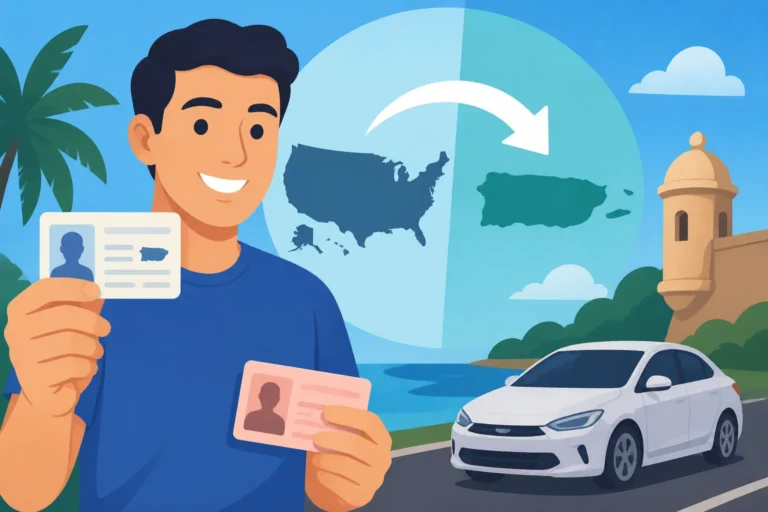
Alright, so you’ve just landed in paradise, soaking up the sun and the sounds, and now it’s time to tackle one of the less glamorous but utterly essential tasks: getting your car registered. The process can feel like a labyrinth, particularly for those of us accustomed to the more streamlined systems on the mainland, leading to endless trips to various government offices. This guide is here to cut through the confusion and walk you through every step of registering your car in Puerto Rico as a new resident, ensuring you’re legally cruising the scenic roads in no time.
The Initial Hurdles: Understanding Puerto Rico's Vehicle Registration System
Moving to a new place always comes with its unique set of administrative challenges, and figuring out vehicle registration in Puerto Rico is definitely one of them. It's not just a matter of changing a tag; it's an introduction to a new system that operates with its own pace and peculiarities. You might find yourself scratching your head, wondering if you’re missing something, or if everyone else just knows some secret handshake. Trust me, you're not alone in feeling this way.
DTOP and CESCO: Decoding the Bureaucracy
First off, let’s get the acronyms straight because you’ll be hearing them a lot. The DTOP is the Department of Transportation and Public Works (Departamento de Transportación y Obras Públicas), which is the overarching agency. Underneath that, you have CESCO (Centro de Servicios al Conductor), which are the actual service centers where you go to handle most of your driver and vehicle-related transactions. Think of CESCOs as the Puerto Rico equivalent of your DMV or BMV, but with a unique flavor. There are CESCO offices scattered across the island – from Carolina to Ponce to Mayagüez – and each one tends to have its own rhythm. Finding one that's efficient can sometimes feel like winning the lottery, but knowing their purpose is the first step in demystifying the process. When you arrive, it's really beneficial to know How Do I Get a Puerto Rico Driver's License? because that's often the first step before tackling your car.
The CESCO system, while striving for efficiency, can sometimes test your patience. You’ll encounter a ticketing system, often long waits, and sometimes staff who are less familiar with the nuances of out-of-state vehicle transfers. It’s not uncommon to be told you need one document, only to find out from another agent on a different day that you needed something entirely different. This is where patience and persistence become your best friends. It’s always a good idea to confirm requirements, perhaps even calling ahead if you can, although in-person visits often yield the most accurate (if sometimes conflicting) information. Having a good mobile plan, like one you might get through Airalo for initial data, can be incredibly helpful for looking things up on the fly or simply keeping yourself occupied during waits.
To Ship or Buy? Your First Big Decision
Before you even worry about registration, you've likely grappled with a fundamental question: should I ship my current car to Puerto Rico, or should I sell it and buy a new (or used) one once I’m settled? Both options have their pros and cons. Shipping your car offers familiarity and avoids the hassle of buying a vehicle in a new place. However, it involves significant costs, paperwork, and the vehicle still needs to be registered here. If you’re considering shipping, you’ll need to research the shipping companies, understand the customs process, and factor in potential import duties or fees, especially for vehicles not manufactured in the US. You can generally find good information on how to calculate these costs and the import process online, but be prepared for some surprises. You might also want to read up on Can I Ship My Car to Puerto Rico? for a dedicated look at this option.
On the other hand, buying a car on the island can seem simpler since it's already here and likely comes with local paperwork. However, the used car market can be different from what you're used to, and new car prices can sometimes be higher due to shipping costs for the dealerships. If you're buying a used car, getting a reliable mechanic to check it out thoroughly is non-negotiable. Whether you ship or buy, remember that having a car is almost a necessity outside of very specific urban centers like Old San Juan where public transit is more feasible. Having your own transportation really opens up the island, allowing you to explore hidden beaches, quaint towns, and navigate daily life more easily, especially when you consider that The Guide to Getting Around Puerto Rico: Transport for Newcomers highlights the need for a personal vehicle for most residents.
Why This Process Feels Different (and a Bit Frustrating)
Let's be real, the Puerto Rico administrative experience can feel… unique. Compared to the highly digitized and often automated processes on the mainland, many transactions here still rely heavily on physical documents, in-person visits, and a more manual approach. This can be jarring. You might be asked for a document you thought was obsolete, or find that a single form requires signatures from multiple agencies, each with its own hours and location.
For example, when registering a car you've imported, you'll inevitably encounter Hacienda (the local tax authority) for tax clearances, and then CESCO for the actual vehicle title and registration. It's not a one-stop shop. The system often operates in Spanish, so if your Spanish isn't strong, bring a friend or consider hiring a local facilitator for some steps. While many government employees speak some English, official documents and complex explanations are often in Spanish. This layered bureaucracy, combined with potential language barriers and the "island time" pace, can definitely lead to a few deep breaths and a lot of eye-rolling. But knowing this upfront helps manage expectations. Think of it as part of the cultural immersion!
Gathering Your Arsenal: Essential Documents and Preparations
Successfully registering your car hinges entirely on having all your ducks in a row – and by ducks, I mean documents. Missing even one piece of paper can send you right back to the drawing board, losing hours of your precious time. This section breaks down exactly what you'll need to prepare before you even think about stepping foot into a CESCO.
Proof of Identity and Residency
As a new resident, proving who you are and that you actually live here is paramount. This means you'll need a current, valid photo ID. If you're a US citizen, your unexpired US passport or your US state driver's license will work for identification. However, to truly establish your residency, you'll ideally want your Puerto Rico driver's license already. If you haven't transferred it yet, make that a priority. Check out How Do I Transfer My Mainland Driver's License in Puerto Rico? for guidance on that specific process.
Beyond your ID, you'll need documents that firmly establish your bona fide residency in Puerto Rico. This usually includes:
- Proof of address: A utility bill (like LUMA for electricity or AAA for water) in your name at your Puerto Rico address is gold. Your lease agreement or deed to your property can also serve this purpose. Make sure these are recent.
- Social Security Card: Original or a certified copy.
- Birth Certificate: Original or certified copy.
- Marriage Certificate (if applicable): Especially if the vehicle title will be in two names.
Remember, the more proof you have of your legitimate residency, the smoother this part of the process tends to be. They want to know you're not just passing through.
Vehicle Ownership Documentation: Title and Bill of Sale
This is where things get really specific to your vehicle. The documents you need here depend heavily on whether you're bringing a car from the mainland, buying a used car on the island, or purchasing a brand-new vehicle.
For vehicles shipped from the mainland (or other US territories):
- Original Vehicle Title (Título de Propiedad): This is absolutely critical. It must be in your name and free of any liens. If there's a lien (e.g., you're still paying off a loan), you'll need a letter from your lienholder stating their permission to register the vehicle in Puerto Rico, and sometimes even a release of the physical title to you or the PR CESCO for registration purposes. This can be one of the trickiest parts, so start communicating with your bank early.
- Vehicle Registration (from your previous state): Your most recent registration document.
- Bill of Lading: This is the document from the shipping company that proves you imported the vehicle.
- Customs Declaration (Declaración de Aduana): You'll receive this after your vehicle clears customs at the port. This document is essential for calculating and paying any applicable excise taxes (arbitrios) to Hacienda.
- Excise Tax Payment Receipt (Comprobante de Pago de Arbitrios): This receipt, issued by Hacienda, confirms you've paid all necessary import taxes. Without this, CESCO won't even look at your vehicle.
For vehicles purchased in Puerto Rico:
- New Car Purchase: The dealership handles most of the initial paperwork and often the first registration for you. You’ll receive an original title (or a temporary registration) and need to ensure all the fees are correctly included in your purchase.
- Used Car Purchase (from an individual):
- Original Vehicle Title (Título de Propiedad): This must be properly endorsed by the seller and free of liens. Ensure the seller signs in the correct spot.
- Bill of Sale (Contrato de Compraventa): This is a crucial document detailing the sale, price, and information of both buyer and seller. While you can find generic templates, it's often wise to have this notarized or prepared by a lawyer to ensure its validity. This is especially important for protecting yourself against future disputes.
- Seller's ID: A copy of the seller's valid photo ID.
Always make multiple copies of every document. Seriously, do it. You never know when an extra copy will save you a trip.
Crucial Inspection and Environmental Compliance
Before your car can be officially registered, it needs to pass an inspection. This isn't just about safety; it's also about environmental compliance.
- Vehicle Inspection (Inspección Técnica): This inspection is conducted at designated private inspection centers, not at CESCO itself. These centers are scattered across the island, usually found in local garages or auto shops. The inspection ensures your vehicle meets Puerto Rico's safety and emissions standards. They'll check lights, brakes, tires, exhaust, and general roadworthiness. If you're bringing an older vehicle, be prepared for potential minor repairs to get it up to snuff. The inspection costs a small fee (usually under $20) and results in a printed certificate. For a more detailed look, see How Do I Get a Vehicle Inspection in Puerto Rico?.
- Emissions Test (Prueba de Emisiones): While part of the general inspection, it’s worth noting that vehicles here must meet specific environmental standards. Newer vehicles generally pass without issue, but older models might require a bit of tuning. The goal is to ensure vehicles contribute minimally to air pollution.
These inspections are generally straightforward if your car is in good condition. If it fails, you'll be given a report detailing what needs fixing, and you'll have a set period to get it repaired and re-inspected. Don't skip this step; CESCO will require the physical inspection certificate.
Navigating the CESCO Maze: The Step-by-Step Registration Process
Once you've meticulously gathered all your documents and your car has passed its inspection, it's time for the main event: the CESCO visit. This is where your preparedness truly pays off. It's a journey, not a sprint.
The Vehicle Inspection (Inspección Técnica)
As mentioned, this happens before CESCO. You need to find an authorized inspection station. You'll see signs for "Centro de Inspección" at various auto shops. Just drive in, hand over your documents (title, previous registration), and they'll handle it. They'll give you a printed certificate, called an "Inspección Técnica Vehicular," usually valid for a certain period (e.g., 30 or 60 days) during which you must complete the registration at CESCO.
The cost is usually a fixed, small fee. You won’t need an appointment, but it's wise to go during off-peak hours (mid-morning or mid-afternoon, avoiding lunch rush or early mornings) to minimize your wait time. Think of it as a preliminary step that you absolutely cannot skip. This document is a non-negotiable entry ticket to the CESCO registration counter.
Presenting Your Documents at CESCO
Okay, deep breaths. This is the big one. Head to your nearest CESCO office. Popular ones include CESCO Carolina, CESCO Guaynabo, and CESCO Bayamón. They can get incredibly busy, so an early morning arrival (before opening) or a mid-week visit is generally recommended.
- Get a Ticket: Upon entry, there’s usually an information desk or a machine where you get a service ticket for "Traspasos y Registros" (Transfers and Registrations). Don't just stand in line; make sure you have a number!
- The Wait: This is where that data plan from Airalo or a good book comes in handy. You’ll wait for your number to be called.
- The Counter: When your number is finally called, approach the counter with all your original documents and multiple copies. The agent will review everything. This is where you'll face the most scrutiny. They will check:
- Your ID and proof of residency.
- The original title.
- The bill of sale (if applicable).
- The import documents and Hacienda excise tax receipt (if applicable).
- The vehicle inspection certificate.
- Your previous registration.
- Proof of ACAA insurance (which we'll discuss next).
The agent will enter your vehicle information into their system. If everything is in order, they'll process the transfer and registration. If something is missing or incorrect, they will tell you what you need to do. This might involve a trip to another office (like Hacienda for a missing stamp) or getting a new document. Don't get discouraged; it's a common experience. Politely ask for clarification and write down exactly what they tell you.
Understanding and Paying Fees: Marbete and ACAA
Beyond the basic paperwork, there are a couple of mandatory fees and insurances that are part of the registration process in Puerto Rico.
-
The Marbete: This is your vehicle's annual registration sticker, similar to a registration decal in many states. It's proof that you've paid your annual fees and that your vehicle is legally registered for the year. The Marbete sticker goes on your windshield. The cost of the Marbete varies based on the vehicle type, year, and value, but it typically includes a government fee for registration and a mandatory annual public liability insurance premium (ACAA). You can usually pay for your Marbete at the CESCO office, directly at a bank, or at authorized collection centers. You might want to see Understanding the Marbete (Vehicle Sticker) and Inspection in Puerto Rico for more detailed information on its structure and costs.
-
ACAA (Administración de Compensaciones por Accidentes de Automóviles): This is Puerto Rico's mandatory no-fault public liability insurance. It covers medical expenses for anyone injured in a traffic accident, regardless of who was at fault. This is separate from your personal comprehensive and collision auto insurance. The premium for ACAA is usually bundled into the cost of your Marbete. When you register your car, you'll need to show proof that this payment is included or made. It’s a basic coverage, so don’t confuse it with full coverage auto insurance. For more on the bigger picture of vehicle expenses, Car Registration Costs and Insurance (ACAA) in Puerto Rico is a great resource.
Here's a simplified table of common documents and steps:
| Document/Action | Purpose | Where to Get It / What to Do | Notes |
|---|---|---|---|
| Valid Photo ID | Identity verification | Passport, PR Driver's License | Must be current. PR Driver's License preferred for residency proof. |
| Proof of PR Residency | Establish bona fide residency | Utility bill, lease agreement, deed | Recent and in your name. |
| Social Security Card | Required for government processing | Original or certified copy | Keep safe, bring for verification. |
| Original Vehicle Title | Proof of ownership | Previous state DMV, car dealer, seller | Must be lien-free or have lienholder release. |
| Bill of Sale | Proof of purchase (if applicable) | Seller, generated for new purchase | Notarized is best for used car purchases from individuals. |
| Excise Tax Payment Receipt (Hacienda) | Proof of import tax payment (for imported vehicles) | Hacienda office or online portal | Mandatory for vehicles shipped from off-island. |
| Vehicle Inspection Certificate | Proof of safety and emissions compliance | Authorized inspection station | Must be current (within validity period). |
| Previous Registration | Historical record (for imported vehicles) | Previous state DMV | Show prior ownership and registration. |
| Payment for Marbete & ACAA | Annual registration sticker and mandatory public liability insurance | CESCO, authorized banks, online | Bundled fee, essential for legal operation. |
Beyond Registration: What Comes Next for Your Vehicle
Phew! You've made it through the registration process, got your shiny new Puerto Rico plates, and stuck that Marbete on your windshield. But the journey isn't quite over. There are a few more crucial steps and considerations to ensure your vehicle ownership experience is smooth sailing (or driving, rather) in Puerto Rico.
Securing Proper Auto Insurance
While the ACAA covers basic medical expenses for accident victims, it is not comprehensive auto insurance. It won't cover damage to your vehicle, theft, or liability for property damage to other vehicles or property if you're at fault. This is a common misunderstanding among newcomers. You absolutely need to secure a private auto insurance policy to protect your investment and yourself financially.
There are several insurance providers on the island, including familiar names you might recognize, as well as local companies. It's wise to shop around and get quotes from multiple providers. Factors like your driving record, the type of car, and where you live on the island can all influence your premiums. Don't assume your mainland policy will extend to Puerto Rico indefinitely; most do not, or they offer very limited coverage. Make sure your policy covers collisions, comprehensive damage, and sufficient liability for property damage. For a deep dive into your options, you'll want to read How Much Is Car Insurance in Puerto Rico?. Getting quotes can even be done before you officially register your car, but the policy won't be active until you have Puerto Rico plates.
Annual Renewals and Staying Compliant
Your Marbete isn't a one-and-done deal. It's an annual renewal. Every year, typically on the anniversary month of your vehicle's initial registration, you’ll need to renew your Marbete. This involves another vehicle inspection (yes, annually!), and then paying the renewal fee, which includes the ACAA premium.
You’ll receive a renewal notice in the mail, but it's best to mark your calendar and not rely solely on that, as mail can sometimes be a bit… leisurely. The inspection needs to be done before you can pay for the Marbete renewal. You can pay for your Marbete at CESCO, various banks, or designated collection centers. Missing the deadline can result in fines and penalties, and driving with an expired Marbete is a big no-no. Staying on top of your renewals is crucial for avoiding unnecessary headaches and ensuring you remain legally compliant. You can learn more about this process in How Do I Renew My Marbete (Vehicle Registration) in Puerto Rico?.
Selling Your Car Down the Road
Should your plans change, or you decide it’s time for a different vehicle, you’ll likely eventually sell your car in Puerto Rico. The process generally involves ensuring your title is clear (no liens), completing a bill of sale with the buyer, and often involves a visit to CESCO together to officially transfer the title. The new buyer will then take over the responsibility for registration and obtaining a new Marbete.
It's a good idea to keep meticulous records of your registration, inspection certificates, and any repair work you've done on the vehicle. This documentation can prove helpful when selling, providing peace of mind to potential buyers. And always, always ensure the title transfer is officially recorded at CESCO when you sell, to avoid any lingering liability for the vehicle. Navigating these transitions can be complex, but if you've managed to register your car as a newcomer, you'll be well-equipped for future vehicle-related endeavors. If you found services like Sirelo helpful for your initial move, remember that having good local connections and resources is just as valuable for these ongoing tasks.
Disclaimer
The information provided in this article is intended for general guidance and informational purposes only. While we strive to offer accurate and up-to-date content, administrative rules and regulations in Puerto Rico can change frequently. It is always recommended to consult directly with the relevant government agencies (DTOP, CESCO, Hacienda) or a legal professional for the most current and specific advice regarding your individual situation. We are not liable for any decisions made based on this information.