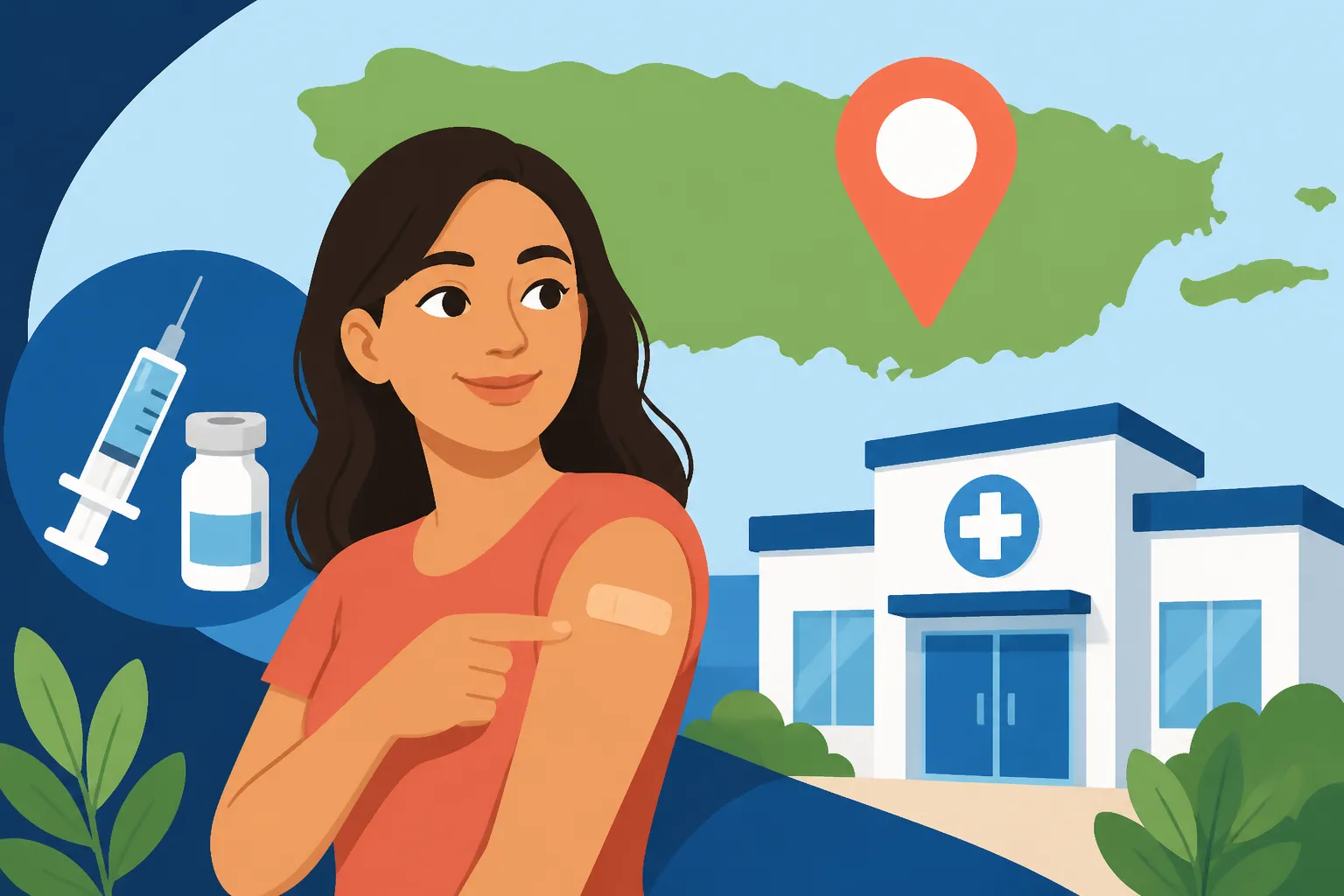
Where Can I Get a Vaccine as an Adult in Puerto Rico?
Many newcomers arriving in Puerto Rico are surprised to find that the streamlined, predictable medical systems they are used to on the mainland often operate under a different set of rules here. Navigating the administrative maze to find where to get a vaccine as an adult in Puerto Rico can be frustrating, especially when language barriers and local bureaucratic quirks come into play. This guide provides a clear, empathetic roadmap to securing your immunizations, from local pharmacies to community health centers, ensuring you stay protected while settling into your new island life.
Pharmacies Your First Line of Defense for Routine Vaccines
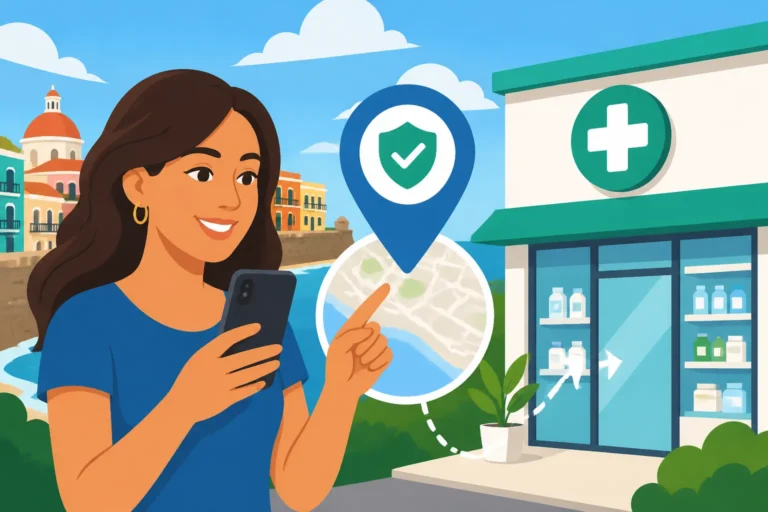
When you first land on the island, your instinct will likely be to head toward the nearest big-box pharmacy. In many ways, your instinct is correct. Pharmacies are the most accessible points for adult vaccinations in Puerto Rico, but they come with their own set of logistical "adventures." Whether you are looking for a seasonal flu shot, a COVID-19 booster, or a shingles vaccine, the major chains like Walgreens and CVS are ubiquitous in metro areas like San Juan, Guaynabo, and Bayamon.
However, do not expect the "walk-in and out in ten minutes" experience you might have had in the States. In Puerto Rico, the demand for pharmacy services is high, and the staffing can sometimes be stretched thin. It is highly recommended to use their online portals to schedule an appointment. Even then, I have found that arriving twenty minutes early to navigate the paperwork is essential. You will often be asked for your local ID or a passport, and of course, your insurance card. If you are still in the process of transitioning your coverage, you might be wondering, How Much Does a Vaccine Cost in Puerto Rico? if paying out-of-pocket. For those who are digital nomads or recently arrived and haven't secured a local plan, having a flexible option like SafetyWing can provide a necessary safety net while you navigate these initial medical hurdles.
Beyond the major chains, Puerto Rico has a massive network of independent pharmacies known as Farmacias Aliadas or other community-based brands. These local spots are often the heartbeat of smaller towns. While they might not always have the deep inventory of a Walgreens, they offer a level of personal service that is hard to beat. If you are living in a more rural area or a smaller coastal town like Rincon or Luquillo, building a relationship with your local pharmacist can be the key to finding out when a specific shipment of the Shingrix or Hepatitis B vaccine is arriving. These smaller pharmacies are also excellent resources when you are Understanding the Pharmacy System and Generic Drugs in Puerto Rico and trying to manage your ongoing health needs.
The Role of CDTs and Public Health Clinics
If you find that the pharmacies are out of stock or if you are looking for more specialized vaccines that aren't typically kept behind a retail counter, you need to familiarize yourself with CDTs. CDT stands for Centro de Diagnóstico y Tratamiento. These are government-subsidized or community-run clinics that serve as the backbone of the island's public health infrastructure.
For many expats, the idea of a public clinic can be intimidating, but the CDTs in Puerto Rico are essential. They are often the best place to go for vaccines required for work or school, such as the Tdap or MMR. If you are living in the central mountains, you might specifically need to know Where Is the Nearest CDT or Public Clinic in Caguas? or other regional hubs. These centers are designed to handle high volumes of patients, and while the wait times can be significant—sometimes several hours—they are often very affordable or covered entirely if you are Understanding the Vital Plan (Government Health Plan) in Puerto Rico (2027).
When visiting a CDT, the "island pace" is in full effect. You should bring a book, a bottle of water, and plenty of patience. The staff is generally incredibly hardworking, but the administrative burden of the Puerto Rican healthcare system is heavy. You will need to present your immunization record, often called the "P-VAC" or the "green paper" locally. If you don't have one yet, the CDT is the place to start that file. This document is a lifelong record in Puerto Rico, and you will find it is requested for everything from university enrollment to certain professional licenses.
Private Doctors and Specialist Clinics
For those who prefer a more traditional office setting, your primary care physician (PCP) is another viable route. Many residents choose this path to ensure that their vaccination history is integrated into their overall health records. If you are still looking for a provider, you should read up on How to Find and Register with a Primary Care Doctor in Puerto Rico to find someone who fits your needs and perhaps speaks your primary language.
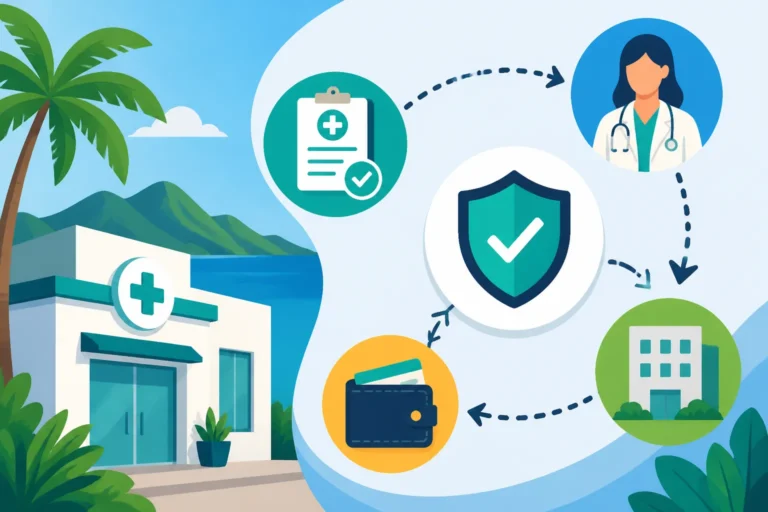
Private doctors in Puerto Rico often require a bit more legwork for vaccines. Unlike a pharmacy that has a fridge full of stock, a private doctor might give you a prescription (una receta) for the vaccine. You then have to go to the pharmacy, pick up the vaccine, and bring it back to the office to be administered. This "triple-trip" process is a common source of frustration for newcomers, but it is a standard part of Navigating the Puerto Rico Healthcare System: A Newcomer's Roadmap (2027). It ensures that the insurance billing for the medication (the vaccine itself) and the administration (the nurse's time and the needle) are handled correctly.
If you are a frequent traveler or a digital nomad using SafetyWing, you might need travel-specific vaccines like Yellow Fever or Typhoid. These are rarely found in standard pharmacies or even general PCPs. For these, you will need to visit a specialized travel clinic, usually located within the larger hospital systems in San Juan, such as Auxilio Mutuo or Ashford Presbyterian. These clinics are well-versed in international requirements and can provide the necessary yellow "International Certificate of Vaccination" required for certain border crossings.
Understanding Insurance Coverage and Out-of-Pocket Costs
One of the biggest hurdles to getting vaccinated as an adult is figuring out who is going to pay for it. The relationship between mainland US insurance and Puerto Rican providers is… complicated. Many mainland plans are accepted as "out-of-network," which means you might have to pay the full price upfront and seek reimbursement later. This is a common pain point discussed in Health Insurance in Puerto Rico: Plans, Costs and Options Explained (2026).
Local private insurance plans (like Triple-S, MCS, or Humana PR) typically cover routine adult vaccines with little to no co-pay, as they fall under preventive care mandates similar to the Affordable Care Act on the mainland. However, always verify that the specific location you are visiting is "in-network." For instance, a Walgreens might accept your insurance for a flu shot, but a small local pharmacy might not have the same contract.
For those who are currently uninsured or in between plans, the costs can vary widely. Below is a general comparison of what you might expect when seeking a vaccine through different channels:
| Vaccine Type | Pharmacy (Estimated Cost) | CDT/Public Clinic | Private Doctor (Office Visit + Cost) |
|---|---|---|---|
| Flu Shot | $25 – $50 | Free or Low Cost | $40 – $80 |
| COVID-19 Booster | Usually Free (Federal) | Free | Office Visit Fee Apply |
| Tetanus (Tdap) | $60 – $90 | Low Cost | $50 + Vaccine Cost |
| Shingles (Shingrix) | $180 – $220 per dose | Often Restricted | Prescription Required |
| Hepatitis B | $80 – $120 | Low Cost | $50 + Vaccine Cost |
If you are concerned about high costs during your first few months on the island, it is worth looking into The Cost of Healthcare in Puerto Rico: A Complete Breakdown for Newcomers (2026) to budget accordingly. Remember that SafetyWing is an excellent option for those who are in a transitional phase and need coverage for unexpected medical needs while they wait for local residency and insurance to take effect.
Practical Tips for Your Vaccine Appointment
Living in Puerto Rico requires a certain level of "street smarts" when it comes to appointments. First, never assume that an "open" sign on Google Maps is accurate. Always call ahead. Ask specifically: "¿Tienen la vacuna de [Vaccine Name] disponible hoy?" (Do you have the [Vaccine Name] vaccine available today?). This simple step can save you a two-hour round trip through San Juan traffic.
Language is another factor. While many doctors and pharmacists in the metro area speak excellent English, the administrative staff at the front desk or in a rural CDT might not. If your Spanish is still a work in progress, it can be helpful to have your request written down. You can also look for resources on How to Find an English-Speaking Doctor in Puerto Rico to make the process smoother.
Documentation is your best friend. In addition to your ID and insurance card, bring a copy of your previous immunization records from the mainland or your home country. Puerto Rican health providers are very diligent about not over-vaccinating, and they will want to see exactly when your last Tetanus or Pneumonia shot was administered. If you are moving with children, the requirements are even stricter, so check What Vaccinations Do I Need Before Moving to Puerto Rico? to ensure your whole family is compliant with local health department standards.
Finally, keep a digital copy of every document you receive. The paper-heavy culture of Puerto Rican administration means that things can occasionally get lost in the shuffle. Having a photo of your P-VAC or your insurance authorization on your phone will save you a headache later when you are trying to prove you are up to date for a job or residency requirement.
Navigating the Emotional Hurdles of Island Healthcare
It is perfectly normal to feel a bit overwhelmed by the differences in healthcare delivery here. On the mainland, we are conditioned for efficiency. In Puerto Rico, healthcare is more about the relationship and the process. You might find yourself sitting in a waiting room for an hour, only to have a twenty-minute conversation with a nurse about your move to the island and where the best local mofongo is. This is not "wasted time"; it is part of the cultural fabric of the island.
Embrace the slower pace. Use the time in the waiting room to talk to your neighbors. You will often find the best tips on where to find specialized care or which local pharmacy is the most reliable just by chatting with those around you. Validating the frustration of the red tape is important, but so is recognizing the warmth and dedication of the medical professionals working within the system. They are often navigating the same bureaucratic hurdles you are, and a little kindness and "por favor" go a long way.
Whether you are here for the long haul or just passing through as a digital nomad with SafetyWing, staying on top of your adult vaccinations is a key part of staying healthy in a tropical environment. The island has unique health considerations, and being proactive about your immunizations is the best way to ensure your Puerto Rican adventure isn't interrupted by a preventable illness.
Disclaimer
This guide is for informational purposes only and does not constitute medical or legal advice. Healthcare regulations and vaccine availability in Puerto Rico can change rapidly. Always consult with a qualified medical professional or the Puerto Rico Department of Health for the most current information regarding your specific health needs and insurance coverage.