How Much Does a Vaccine Cost in Puerto Rico?
Moving to a new place, especially one with a different healthcare landscape like Puerto Rico, always brings a host of questions and a touch of anxiety. One of the fundamental concerns that often pops up is about basic preventative care, like vaccinations. You might be wondering: will my kids need new shots for school? What about my annual flu shot, or a tetanus booster? And most importantly, how much is all of this going to cost in Puerto Rico? This guide is here to shed some light on the costs of vaccines across the island, helping you navigate the system so you can keep yourself and your family healthy without breaking the bank.
Understanding the Landscape of Vaccine Costs in Puerto Rico
Just like many other places, the cost of vaccines in Puerto Rico can vary quite a bit depending on where you go, whether you have insurance, and which specific vaccine you need. It’s not a one-size-fits-all scenario, which can be frustrating when you’re just trying to get a straight answer. Generally, the healthcare system here offers both public and private options, and each comes with its own pricing structure for vaccinations.
Public vs. Private Options for Immunization
When you're looking for vaccines in Puerto Rico, you essentially have two main avenues: the public health system and private providers.
- Public Health Centers (CDTs): These are the Centros de Diagnóstico y Tratamiento, or Diagnostic and Treatment Centers, which are government-run clinics found in most municipalities. The Programa de Vacunación de Puerto Rico (Puerto Rico Immunization Program) aims to make essential vaccinations accessible, especially for children and those with limited resources. For eligible individuals, particularly those covered by the government health plan, often known as the Vital Plan, many routine vaccines are available at little to no cost. Even if you don't qualify for the Vital Plan, public clinics can sometimes offer lower cash prices for certain vaccines compared to private options, though this isn't always guaranteed and can depend on vaccine availability and specific clinic policies. The biggest challenge here can sometimes be longer wait times and a potentially less personalized experience, and not all staff might be fluent in English.
- Private Doctors' Offices and Clinics: These are your more traditional private practices, including pediatricians, family doctors, and internal medicine specialists. If you have private health insurance, this is often where you'll go. The cost here will depend heavily on your insurance plan's coverage, including your co-pay and deductible. For those without insurance, the out-of-pocket costs can be significantly higher, often including both the vaccine's price and an administration fee for the doctor's visit. However, you often get more flexibility in scheduling, shorter wait times, and potentially more English-speaking staff.
- Pharmacies: Many major pharmacy chains like Walgreens and CVS, along with numerous local independent pharmacies, offer vaccinations for adults, particularly flu shots, tetanus boosters, and sometimes Shingles or HPV vaccines. These are usually very convenient, often allowing walk-ins or quick appointments. If you have insurance, these are often fully covered or have a small co-pay, making them a popular choice for adult immunizations. Without insurance, they'll have a set cash price for the vaccine and possibly a small fee for administration.
Common Vaccines and Potential Cost Factors
The specific vaccine you need is a huge factor in the overall cost. Annual flu shots are generally less expensive and more widely available than, say, a full series of HPV vaccines or certain travel-specific immunizations.
Let's look at some common vaccines you might encounter and the factors that influence their price:
- Seasonal Flu Shot (Influenza): These are perhaps the most common adult vaccine. They're widely available at pharmacies, public clinics, and private doctor's offices. Costs without insurance might range from $30 to $70.
- Tetanus, Diphtheria, Pertussis (Tdap/Td): Important for adults, especially those who work with children or might be exposed to cuts. A Tdap booster without insurance could be in the $50-$100 range.
- Measles, Mumps, Rubella (MMR): Usually given in childhood, but adults might need boosters or initial shots if immunity is uncertain. This can be more expensive out-of-pocket, potentially $100-$250 per dose.
- Human Papillomavirus (HPV): Recommended for adolescents and young adults, often requiring a series of doses. The cost per dose without insurance can be quite substantial, easily $200-$300 or more.
- COVID-19 Vaccines: Historically, these have been provided at no out-of-pocket cost due to federal programs, but as public health emergencies shift, these costs could change or become integrated into standard insurance coverage. Always check current guidelines.
Here's a simplified table to give you a rough idea of what costs you might encounter without insurance. Remember, these are highly variable and subject to change based on location, provider, and current supply/demand.
| Vaccine Type | Public Clinic (Out-of-pocket Estimate) | Private Clinic/Doctor (Out-of-pocket Estimate) | Pharmacy (Out-of-pocket Estimate) |
|---|---|---|---|
| Flu Shot | $0 – $40 | $40 – $70 | $30 – $60 |
| Tdap/Td | $0 – $70 | $80 – $120 | $60 – $100 |
| MMR | $0 – $100 | $150 – $250 | Not typically offered |
| HPV (per dose) | $0 – $150 | $200 – $350+ | Not typically offered |
| Hepatitis B (per dose) | $0 – $60 | $70 – $120 | Not typically offered |
(These are estimates for those without insurance. Costs can vary significantly.)
Navigating Insurance Coverage and Out-of-Pocket Expenses
The good news is that if you have health insurance in Puerto Rico, whether it's a private plan or the government's Vital Plan, a significant portion of your vaccination costs will likely be covered. The trick is understanding how it's covered and what your specific plan entails.
How Private Health Insurance Handles Vaccines
Most private health insurance plans in Puerto Rico, much like on the mainland, understand the importance of preventative care. This means that many routine vaccinations are considered essential health benefits and are often covered with minimal or no out-of-pocket cost. However, the specifics can differ:
- Preventative Care Coverage: Often, vaccines that are part of recommended preventative care schedules (like annual flu shots, childhood immunizations, Tdap boosters, etc.) are covered at 100% when you use an in-network provider, meaning no co-pay or deductible applies. This is great news for families.
- Deductibles and Co-pays: For some less common vaccines, or if you go out-of-network, you might find that your deductible needs to be met first, or you'll have a standard co-pay for the office visit where the vaccine is administered. It's crucial to check your specific plan's benefits summary or call your insurer directly. Brands like Triple-S Salud, MCS, and Humana commonly offer various private plans on the island, and their coverage for specific vaccines can vary, so always confirm.
- New Resident Considerations: If you've just arrived and are in the process of securing your long-term health insurance, you might find yourself in a gap period. While sorting out your permanent health insurance, it's wise to consider temporary solutions for unexpected medical needs. For instance, some expats use services like SafetyWing for travel medical insurance during this transition, which provides peace of mind for sudden illnesses or injuries, even if it doesn't typically cover routine, preventative vaccines directly. It's that safety net while you're getting your feet on the ground and figuring out how to get health insurance when you move to Puerto Rico.
The Vital Plan (Government Health Plan) and Vaccine Coverage
For eligible residents, the Vital Plan (Plan de Salud del Gobierno) is Puerto Rico's government-sponsored health insurance program, similar to Medicaid on the mainland. This plan is designed to provide comprehensive healthcare services to low-income individuals and families.
- Extensive Coverage: The Vital Plan typically covers all medically necessary and recommended vaccines for both children and adults at no cost to the beneficiary. This is a massive relief for many families, ensuring that preventative care isn't a financial burden.
- Accessibility: Vaccinations under the Vital Plan are usually administered at public health clinics (CDTs) or at designated private providers who accept the Vital Plan.
- Eligibility: To qualify for the Vital Plan, you must meet specific income and residency requirements. If you're wondering if you or your family might be eligible, it's worth looking into understanding the Vital (Plan de Salud del Gobierno) eligibility in Puerto Rico. It can make a huge difference in managing healthcare costs, including vaccinations.
What if You're Uninsured or in a Transition Period?
This is where things can get a bit more complicated, but there are still options:
- Public Health Centers (CDTs): As mentioned, these are often your best bet for affordable or even free vaccines if you don't have insurance. They operate on a sliding scale or might have specific programs for certain populations.
- Pharmacy Programs: Some pharmacies might offer discounts on certain vaccines, especially flu shots, to attract customers. It's always worth asking about current promotions.
- Employer Programs: Some employers, particularly larger companies, might offer vaccination clinics (e.g., for flu shots) to their employees at no cost or a very low cost.
- Emergency or Travel Situations: If you're a tourist or a temporary resident and an unexpected medical event occurs that might necessitate a vaccine (like a tetanus shot after an injury), standard travel medical insurance options like SafetyWing could potentially cover the treatment of the injury, and then the vaccine would be part of that treatment, but it's essential to understand their specific terms for preventative care versus acute treatment. For the broader picture, securing comprehensive health insurance in Puerto Rico is your ultimate goal.
Where to Get Vaccinated and Cost-Saving Tips
Finding the right place to get your vaccines can significantly impact both convenience and cost. Knowing your options and asking the right questions can save you time and money.
Local Venues for Vaccinations
Puerto Rico offers several types of facilities where you can receive vaccinations, each with its own advantages:
- Centros de Diagnóstico y Tratamiento (CDTs) / Public Health Clinics: These are community-based clinics run by the Department of Health. They are often the most affordable option, especially for childhood immunizations and certain adult vaccines under the Vital Plan. They can be found in most towns, making them quite accessible for many residents. For example, if you're in Caguas, finding the nearest CDT or public clinic in Caguas could be your first step. Be prepared for potentially longer wait times, especially during peak immunization seasons like flu season.
- Private Doctor's Offices: This includes your pediatrician, family physician, or internal medicine specialist. This is a convenient option if you already have a trusted doctor or are looking for an English-speaking doctor in Puerto Rico. They will administer vaccines during routine check-ups or dedicated appointments. The cost here, as discussed, largely depends on your insurance coverage.
- Pharmacies (Walgreens, CVS, Local Pharmacies): For common adult vaccines like the flu shot, Tdap, Shingles, and sometimes pneumonia vaccines, pharmacies are incredibly convenient. They often have pharmacists trained to administer injections, and you can frequently walk in without an appointment or schedule one quickly online. Their pricing without insurance is usually transparent, and with insurance, many preventative vaccines are covered.
- Hospitals: While you wouldn't typically go to a hospital just for a routine vaccine, if you're receiving other medical care there, especially in an emergency, you might receive necessary immunizations as part of your treatment. However, this is not a cost-effective option for routine vaccinations.
Effective Cost-Saving Strategies
Even with insurance, it's smart to be a savvy healthcare consumer. Here are some tips to help you manage vaccine costs:
- Always Verify Insurance Coverage: Before heading to an appointment, call your insurance provider. Ask specific questions: "Is [Vaccine Name] covered under my plan?" "What is my co-pay or deductible for this service?" "Do I need to go to a specific in-network provider to get 100% coverage?" This simple step can prevent unexpected bills.
- Compare Prices for Out-of-Pocket Needs: If you don't have insurance or a specific vaccine isn't covered, don't be afraid to call a few different providers (private clinics, pharmacies, public health centers) to compare their cash prices. Sometimes, a difference of $20-$50 per vaccine can add up, especially for a family.
- Inquire About Public Programs: Especially for childhood immunizations, the Puerto Rico Department of Health runs various programs. Ask at your local CDT or your pediatrician's office about any available programs or assistance for which you might qualify.
- Plan Ahead for Required Vaccinations: For children enrolling in school, there are specific vaccination requirements. Don't wait until the last minute! Planning allows you to research costs, check coverage, and ensure your child is up to date without a rush, potentially avoiding higher "urgent care" costs. You can find more information about understanding childhood vaccination requirements in Puerto Rico to prepare.
- Consider Travel Medical Insurance for Peace of Mind: For those in a transition period or frequent travelers, while traditional travel insurance like SafetyWing may not cover routine, planned vaccinations, having it can be a lifesaver for unexpected medical needs, like a sudden illness or injury that might require emergency care while you're traveling or waiting for your permanent health plan to kick in. This ensures that while you're figuring out the cost of a vaccine in Puerto Rico, you're not caught off guard by other unforeseen medical expenses.
Special Considerations for New Residents and Children
As an expat or new resident in Puerto Rico, you have unique circumstances when it comes to healthcare, and vaccinations are no exception. Children, in particular, often have specific requirements that can be a source of stress for parents.
Initial Health Screenings and Catch-Up Vaccinations
When you first move to Puerto Rico, especially if you're coming from another country or haven't had a consistent medical provider for a while, it's a good idea to schedule an initial health screening for yourself and your family. This allows a local doctor to review your medical history, assess your current health status, and determine if any catch-up vaccinations are needed.
- Reviewing Immunization Records: Bring all your existing immunization records with you. It's incredibly helpful if these are translated into Spanish or if you have clear, official English records. Puerto Rican healthcare providers will want to see these to ensure you or your children are up-to-date according to local guidelines. If you can't get official translations before you move, at least have them clearly organized and be prepared to explain them.
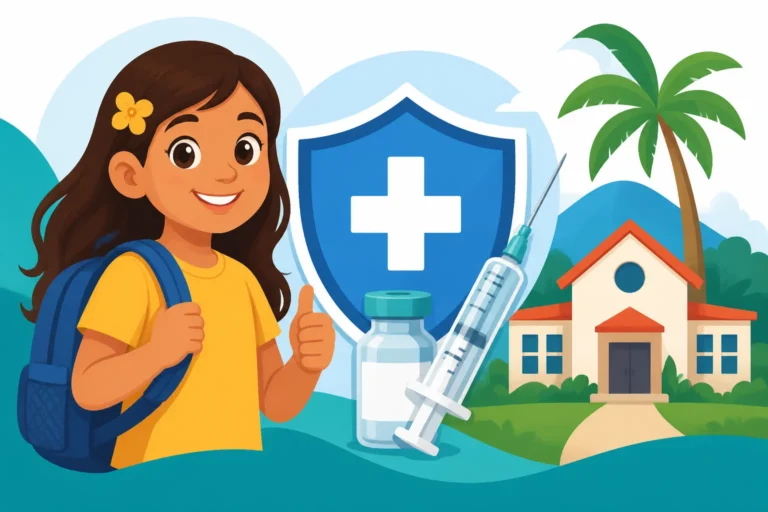
- Children Entering School: This is a big one. All children entering public or private schools in Puerto Rico must meet specific vaccination requirements. This often includes vaccines like MMR, DTaP, Polio, Hepatitis B, Varicella (chickenpox), and sometimes others, depending on age. If your child is missing any required vaccinations, they may not be able to enroll or attend school until they receive them. Pediatricians and public health clinics are well-versed in these requirements and can guide you through the process of getting any necessary catch-up shots. Don't underestimate this; it's a critical step in getting your kids settled.
- Adult Boosters: Adults often overlook booster shots like Tdap (Tetanus, Diphtheria, and Pertussis), especially if they can't remember their last one. Your initial doctor's visit is a perfect time to discuss these. Some vaccines, like Shingles for older adults, or HPV for younger adults, might also be recommended depending on your age and health history.
For a broader understanding of the local medical scene, delving into The Complete Guide to Healthcare in Puerto Rico for New Residents (2027) can provide valuable context beyond just vaccines.
Travel Vaccines and Maintaining Immunity
Living in Puerto Rico means you're often in a hub for travel, both to the mainland and to other Caribbean islands or international destinations. This can introduce additional vaccination considerations.
- International Travel: If you plan to travel internationally, especially to regions with different health risks, you might need specific travel vaccines like Yellow Fever, Typhoid, or Hepatitis A. These are generally not covered by standard health insurance plans for preventative purposes, as they're considered elective for travel. You'll likely pay out-of-pocket for these, and their cost can be higher than routine vaccines. Always consult with a travel clinic or your doctor several months before international travel to understand necessary immunizations and their associated costs.
- Maintaining Local Immunity: Even within Puerto Rico, staying up-to-date on routine vaccinations is crucial. Dengue fever, for instance, is endemic, and while there isn't a universally recommended vaccine for all travelers or residents yet, staying healthy and immune to other preventable diseases helps your body focus its defenses. Ensure you keep track of your vaccination schedule, especially for annual flu shots. This is part of the general wellness strategy for living on the island.
- Pharmacy Access: As mentioned earlier, pharmacies are a convenient option for many adult vaccinations. They can be particularly helpful for quick boosters or seasonal shots when you don't want to wait for a doctor's appointment. Many residents rely on them for straightforward immunizations. Understanding the pharmacy system and generic drugs in Puerto Rico can also help you manage medication costs overall.
Ultimately, proactively understanding the vaccine landscape in Puerto Rico, leveraging both public and private options, and communicating clearly with your healthcare providers and insurance company will ensure you and your family remain protected without any unexpected financial surprises.
Disclaimer
Please note that the information provided in this article is for general informational purposes only and does not constitute professional medical, legal, or financial advice. Vaccine costs, insurance coverage, and eligibility for government programs in Puerto Rico can change frequently. It is highly recommended to consult with a qualified healthcare professional, your insurance provider, or the Puerto Rico Department of Health for the most accurate and up-to-date information pertaining to your specific situation.