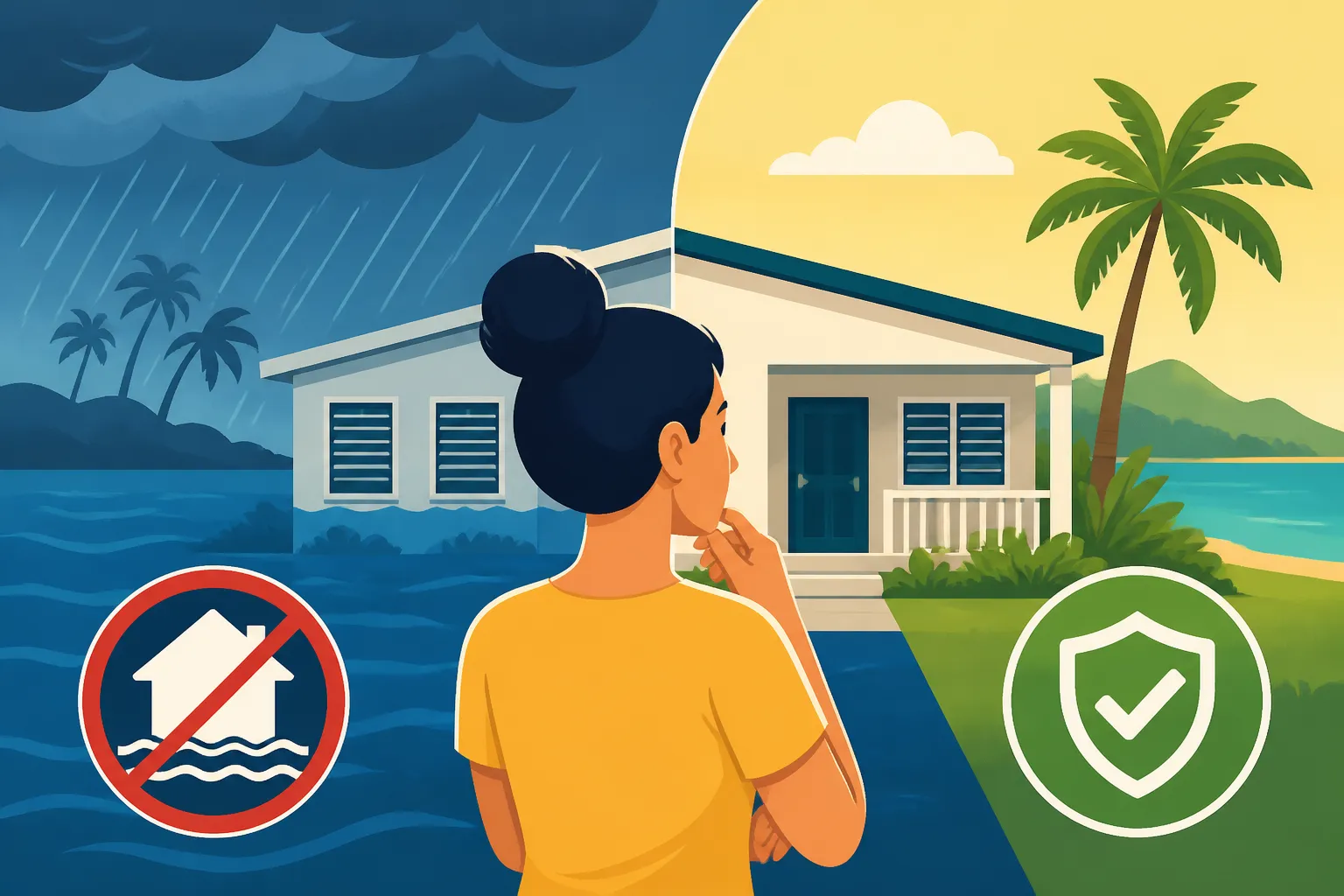
Is It Safe to Buy a Home in a Flood Zone in Puerto Rico?
Moving to Puerto Rico, you're undoubtedly excited about the sunshine, the vibrant culture, and perhaps even the prospect of owning a slice of paradise. But then reality sets in, especially when you start looking at homes, and you stumble upon the term "flood zone." A knot forms in your stomach, right? Is it truly safe to buy a home in a flood zone in Puerto Rico? This isn't just a hypothetical question; it's a very real concern for anyone looking to invest in property on an island that's no stranger to tropical storms and heavy rainfall. This guide will walk you through the nuances, the risks, and the practical steps you can take to make an informed decision, because your peace of mind is paramount.
Understanding Puerto Rico's Flood Zones and Their Realities
Let’s be honest, living on an island, especially one in the Caribbean, means you're going to encounter water, and sometimes, a lot of it. Puerto Rico is breathtakingly beautiful, but its geography also makes certain areas susceptible to flooding. It’s not just about hurricanes; it’s about the lay of the land, the drainage systems, and even just a really good, long tropical downpour.
What Exactly is a Flood Zone in Puerto Rico?
When we talk about a flood zone, we’re generally referring to areas identified by the Federal Emergency Management Agency (FEMA) as having a higher risk of flooding. FEMA creates these detailed maps, known as Flood Insurance Rate Maps (FIRMs), which delineate areas into different zones based on the severity and frequency of flooding. In Puerto Rico, these maps are incredibly important and should be one of your very first stops when you're scouting properties. You can literally input an address and see its classification.
You'll encounter zones like "Zone A," which represents areas with a 1% annual chance of flooding (the infamous 100-year flood plain), or "Zone V," which indicates coastal areas with additional hazards from storm surges. Then there are zones like "Zone X" (unshaded) which are considered minimal flood risk. It's not just about beachfront properties; many homes in low-lying inland areas, near rivers, or even those in urban settings with inadequate drainage systems can find themselves in a designated flood zone. For example, some areas in the historically charming but low-lying parts of Old San Juan, or neighborhoods adjacent to rivers like the La Plata, often fall into these categories. The terrain of Puerto Rico, with its central mountain range and many rivers flowing to the coast, naturally funnels water, making many areas vulnerable, even if they're not directly on the coast.
The Local Impact of Hurricanes and Heavy Rains
Anyone who has lived through a hurricane in Puerto Rico can tell you that the experience is an eye-opener. It's not just the wind; it's the sheer volume of water. Hurricane Maria, for instance, devastated many parts of the island, and while wind damage was significant, the flooding from torrential rains and storm surges was catastrophic for countless homes. Even without a direct hurricane hit, sustained heavy rainfall, which is a common occurrence during the wet season, can lead to localized flooding.
Imagine a charming house nestled in a valley, surrounded by lush greenery. It sounds idyllic, right? But if that valley is a natural basin, it becomes a collection point for rainwater. Countless streets turn into temporary rivers, especially in older neighborhoods where the storm drain infrastructure hasn't been adequately maintained or updated to handle current rainfall intensities. Flash floods can occur rapidly, overwhelming streets and entering homes that might not even be right on the coast or a riverbank. This is why when you're looking at a property, you shouldn't just consider its proximity to a body of water, but also its elevation relative to the surrounding land and the visible condition of the local drainage. These are the kinds of hyper-local details a good real estate agent, and perhaps a candid conversation with future neighbors, can shed light on.
Navigating the Risks: Research, Due Diligence, and Protection
Okay, so you’ve got a better grasp of what a flood zone means here. Now, how do you actually go about figuring out if a property in one of these areas is a smart move for you? It boils down to a whole lot of research, asking the right questions, and understanding your protective options.
Essential Research Before You Buy
This isn't a situation where you can just fall in love with a pretty facade and sign on the dotted line. You need to become a bit of a detective.
- FEMA Maps are Your Bible: First and foremost, check those FEMA maps. Your real estate agent should be able to provide this information, but you can also look it up yourself online. Understand the specific flood zone designation for the property you're considering. It's not enough to know it's in a flood zone; you need to know which one.
- Seller Disclosures are Crucial: In Puerto Rico, sellers are required to disclose known defects and hazards. Pay very close attention to any past flood damage, claims, or even just instances of water intrusion the previous owners experienced. Ask direct questions. Sometimes, even if a property isn't technically in a high-risk flood zone, it might have experienced flooding due to unique local conditions.
- Local Experts are invaluable: Work with a reputable local real estate agent who truly knows the area. They often have firsthand knowledge of which specific streets or blocks tend to flood during heavy rains, regardless of what the official maps might say. They can guide you through the process of How to Buy Property in Puerto Rico: The Full Guide (2027). Also, consider hiring an independent property inspector who is familiar with hurricane-prone construction and can identify potential vulnerabilities related to water.
- Community Insight: Talk to the neighbors! This is one of the best sources of ground-level information. They've lived through the rainy seasons and hurricanes. Ask them about past flooding experiences on that specific street or property. This informal intelligence can be priceless.
- Historical Data: If possible, look into the history of the area. Has it flooded repeatedly? Has the municipal drainage system been updated? While specific data can be hard to come by, local news archives might offer clues about particularly bad flood events in certain municipalities.
Insurance Realities: Flood Insurance in Puerto Rico
This is where the rubber meets the road. If a property is in a high-risk flood zone (Zones A or V), you will almost certainly be required by your lender to carry flood insurance. And trust me, it’s not cheap. Flood insurance is separate from your standard homeowner's insurance policy, which typically excludes flood damage.
In Puerto Rico, flood insurance is primarily offered through the National Flood Insurance Program (NFIP), which is managed by FEMA. However, private flood insurance options are also becoming more available. The cost of your premium will depend heavily on the flood zone designation, the elevation of the lowest floor of your home relative to the Base Flood Elevation (BFE), the type of construction, and the amount of coverage you choose. It's a complex calculation. Premiums range from a few hundred dollars a year for low-risk properties to several thousand for those in high-risk coastal zones with older construction. This significant expense needs to be factored into your overall The Complete Guide to Cost of Living in Puerto Rico (2026) and your budget, as it's an ongoing cost of ownership. For a deeper dive into this, check out Understanding Flood Zones and Hurricane Insurance in Puerto Rico.
Here’s a quick overview of what you might expect regarding flood insurance:
| Factor | Description | Impact on Premium |
|---|---|---|
| Flood Zone | Determined by FEMA maps (e.g., Zone A, Zone V are high-risk, Zone X is low-risk). | Higher risk zones (A, V) will have significantly higher premiums. Lenders usually mandate coverage in these zones. |
| Elevation | The height of your home's lowest floor relative to the Base Flood Elevation (BFE) set by FEMA. Measured via an Elevation Certificate. | Homes built above the BFE often qualify for lower premiums. Homes below BFE will incur higher costs. |
| Deductible | The amount you pay out of pocket before insurance coverage begins. | Choosing a higher deductible can lower your annual premium, but means more out-of-pocket expense if you file a claim. |
| Coverage Amount | The maximum amount the policy will pay for structural damage (building) and contents. | More coverage means a higher premium. Be realistic about replacement costs. |
| Building Type | Features like crawl spaces, basements, or enclosed areas below the lowest elevated floor can affect rates. Older homes may have higher premiums due to less resilient construction. | Basements are particularly risky and expensive to insure. Modern, elevated construction designed to mitigate flood damage will typically have lower rates. |
| Community Rating | If the municipality participates in FEMA's Community Rating System (CRS) by implementing flood mitigation measures, residents can receive discounts on NFIP premiums. | Check if your prospective municipality participates in CRS; this could translate to a small but helpful discount. |
The point is, don't just ask if it has flood insurance; ask how much it costs, and ask for a copy of any Elevation Certificate. This certificate provides critical data about the property's elevation, which directly impacts insurance rates.
Mitigating Risk and Making an Informed Decision
So, you've done your homework, you understand the flood zone classification, and you've got a handle on insurance costs. Now, what can you actually do about it? And ultimately, is it still worth it?
Structural and Property-Level Protections
Sometimes, a property in a flood zone might still be a great fit, especially if it has been built or retrofitted with flood mitigation in mind.
- Elevation is Key: Homes built on elevated foundations (pilings, piers, or columns) are inherently less vulnerable to floodwaters. If the lowest floor of the home is above the Base Flood Elevation (BFE), that's a huge plus, both for safety and for potentially lower insurance premiums. Newer construction in flood zones is often required to meet these higher elevation standards.
- Flood Vents: For homes with enclosed areas below the BFE (like garages or storage spaces), flood vents are critical. These vents allow floodwaters to flow freely through the enclosed area, preventing structural damage from hydrostatic pressure. Without them, even a few feet of water can collapse walls.
- Resilient Materials: If you're building or renovating, consider flood-resistant materials. Concrete, pressure-treated lumber, and water-resistant insulation can make a big difference in how a home withstands and recovers from flooding. Avoid carpet in lower levels and opt for tile or sealed concrete floors instead.
- Improved Drainage: At the property level, you might be able to improve drainage around the house. Simple grading, French drains, or even ensuring your gutters direct water far away from the foundation can prevent localized pooling that might not be covered by flood insurance.
- Utilities Above Flood Level: Check that critical utilities like electrical panels, HVAC units, and water heaters are installed above the BFE. This can save you a fortune in repairs after a flood.
Before you make any big decisions, getting a professional assessment of the property's vulnerabilities and potential mitigation strategies is a smart move. When you're traveling the island to look at these homes, especially in areas with spotty internet, having reliable data can make a world of difference for navigation and research on the go. Services like Airalo can offer great eSIM options to keep you connected without relying on local SIM cards immediately.
The Cost-Benefit Analysis of Flood Zone Living
Ultimately, buying in a flood zone is a personal decision that requires a thorough cost-benefit analysis.
Potential Downsides:
- Higher Costs: You're looking at higher insurance premiums, potentially higher property taxes (though Understanding Property Tax (CRIM) for Homeowners in Puerto Rico will give you the full scoop on that), and the ongoing risk of damage and repairs.
- Resale Value: While demand in certain desirable areas might mitigate this, properties with significant flood risk can be harder to sell down the line, or might sell for less than comparable non-flood zone properties. Future buyers will face the same insurance and risk calculations you are making now.
- Stress and Disruption: Living with the constant worry of an impending storm or heavy rain, and the disruption and emotional toll of a flood event (even if insured), is a very real factor. Ask yourself if you're prepared for that level of anxiety.
- Logistical Challenges: If you ever have to evacuate, it’s a big deal. For example, knowing Understanding Emergency Numbers (911) and Ambulance Care in Puerto Rico is vital, but so is having a solid evacuation plan for yourself and your family.
Potential Upsides:
- Desirable Location: Let's face it, many of the most beautiful and sought-after locations in Puerto Rico are coastal or near water. Buying in a flood zone might be the only way to afford a home in a prime spot like Dorado, Rincón, or certain parts of San Juan. You might get more square footage or a better view for your money.
- Investment Potential (with mitigation): If a property has undergone significant flood mitigation (elevation, robust construction), it might still be a sound investment, particularly if the market in that area is strong.
- Preparedness: By understanding the risks and taking proactive steps, you can be better prepared than many, potentially minimizing damage and recovery time. Many of us expats, once settled, find great comfort in knowing Understanding How to Prepare Your Home for Hurricane Season in Puerto Rico.
- Community: Sometimes, the communities in these areas are particularly resilient and supportive, having gone through similar experiences.
It's about balance. Is the location so perfect that the added costs and risks are acceptable to you? Is the price point so attractive that it justifies the potential future expenses? When you’re planning your move, consider how much effort and cost you're willing to put into ensuring your new home is secure. If you're shipping your entire life over, thinking about every detail, a service like Sirelo can help you find reliable international movers, but the physical security of your home once it arrives is another level of planning.
Before you commit, it's highly advisable to get multiple quotes for flood insurance, and perhaps even a quote for any necessary mitigation work, so you have a clear picture of the true long-term costs. When you're calculating your budget to How Do I Get a Mortgage to Buy a Home in Puerto Rico?, these are not "nice-to-haves"; they are essentials for owning in a flood zone.
Finding the Right Home for You
Ultimately, whether buying in a flood zone is "safe" depends on your risk tolerance, your budget for insurance and potential mitigation, and the specific characteristics of the property itself. A well-built, elevated home in a flood zone might be safer than a poorly maintained home outside of one. A good real estate agent, transparent seller disclosures, thorough inspections, and a clear understanding of flood insurance will empower you to make an informed choice that aligns with your comfort level and financial goals. Puerto Rico offers incredible opportunities, but like any beautiful place, it comes with its unique set of challenges that are best approached with open eyes and a pragmatic mindset.
Disclaimer
The information provided in this article is for general informational purposes only and does not constitute professional advice. While we strive to provide accurate and up-to-date information based on our experience as expats, regulations, laws, and market conditions in Puerto Rico can change. Always consult with qualified local professionals, such as real estate agents, insurance brokers, attorneys, and financial advisors, before making any decisions related to purchasing property or obtaining insurance in Puerto Rico.