How Do I Set Up a Mobile Phone Plan in Puerto Rico?
Alright, let's talk about getting connected in Puerto Rico. One of the first things you realize when you land on this beautiful island, after you’ve navigated the airport and found your new digs, is just how utterly dependent we all are on our phones. It’s not just for scrolling Instagram, folks; it’s for communicating with new landlords, finding your way around, ordering food, and eventually, for coordinating all those other vital steps in setting up your new life. But trust me, setting up a mobile phone plan here can feel like navigating a maze if you're not prepared. This guide is here to walk you through every twist and turn, ensuring you can call home, stream your favorite tunes, and stay connected without a headache.
Understanding Your Mobile Phone Options in Puerto Rico
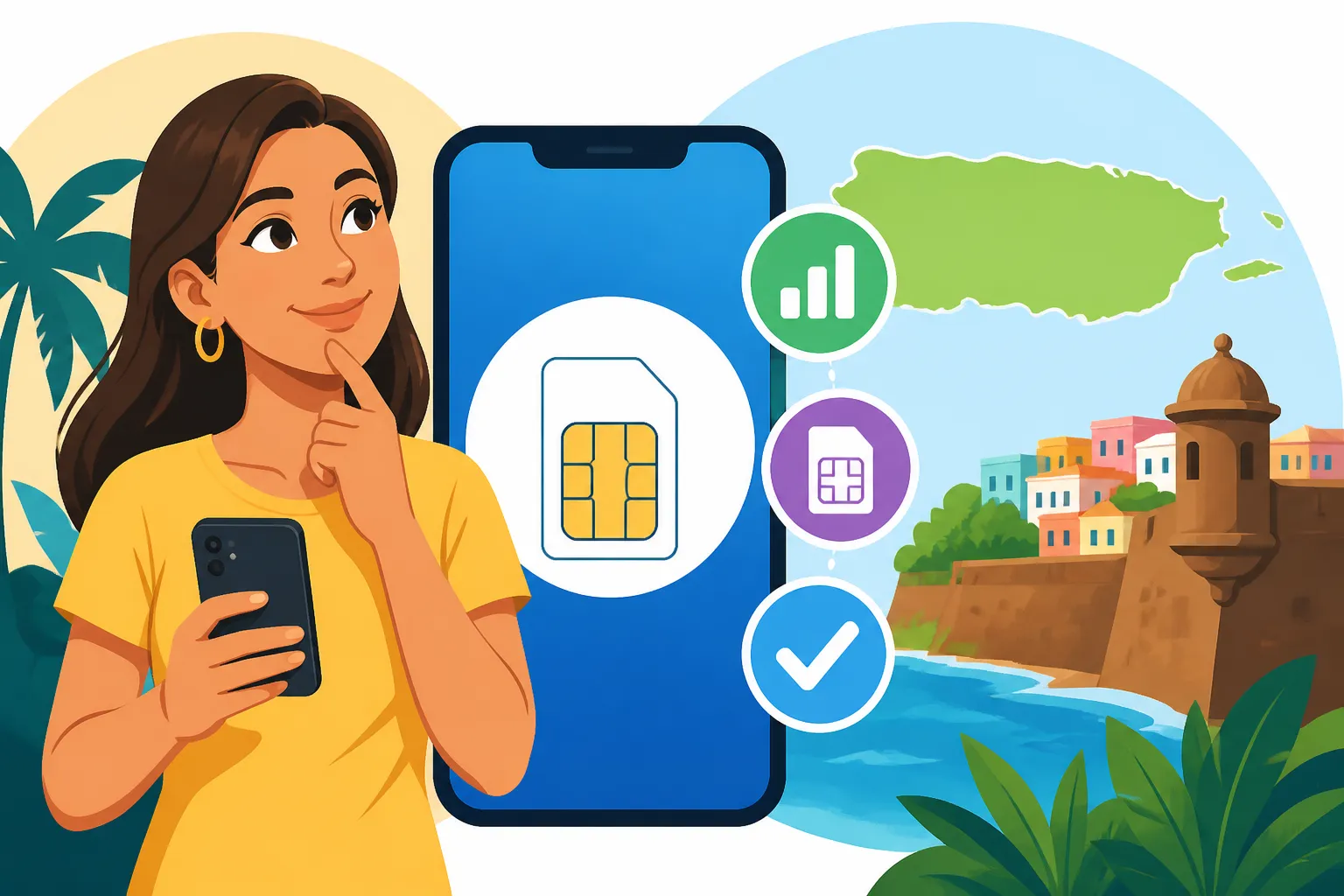
When you first arrive, it's easy to assume your mainland U.S. carrier will just… work. And in many cases, it does, to a certain extent. But relying solely on your existing plan can lead to unexpected costs, throttled data, and a general feeling of being disconnected from the local network. You really have a few core options: sticking with a mainland plan, diving into local carriers, or exploring the modern convenience of eSIMs.
Relying on Your Mainland U.S. Plan
Many major U.S. carriers, such as AT&T and T-Mobile, operate in Puerto Rico. In fact, you'll see their stores here, just like on the mainland. If you have an existing plan with one of these carriers, particularly a newer unlimited plan, you might find that it includes Puerto Rico as part of your domestic coverage area. This can be a huge relief in those initial days when you're just trying to get your bearings. However, don't let this lull you into a false sense of long-term security.
While your calls and texts might work seamlessly, data speeds can often be throttled after a certain usage threshold, even if you have an "unlimited" plan on the mainland. Furthermore, customer service might not be as well-versed in Puerto Rico-specific issues, and you won't have the benefits of truly local numbers or promotions. It's perfectly fine for a week or two, but it's not a sustainable long-term solution for a resident. Imagine trying to coordinate with a local contractor or your child's school and finding out your number isn't easily recognized, or worse, that your data has slowed to a crawl just when you need to navigate to an important appointment. It’s an immediate pain point many of us have faced.
Local Carriers: The Backbone of Connectivity
For true integration and reliable service, looking at local carriers is your best bet. Puerto Rico has a robust competitive market, primarily dominated by:
- Claro Puerto Rico: Historically one of the largest and most established carriers, Claro offers extensive coverage, particularly in more rural areas where other carriers might struggle. They have a variety of plans, both prepaid and postpaid, and their network is generally reliable. You'll see Claro stores everywhere, from major malls to small towns.
- T-Mobile Puerto Rico: Operating under the same brand as its mainland counterpart, T-Mobile PR often boasts competitive plans and decent coverage in urban centers and along major highways. If you're coming from T-Mobile on the mainland, you might find some familiarity, but remember, it’s still a separate entity with its own specific plans and customer service here.
- AT&T Puerto Rico: Like T-Mobile, AT&T operates here, and often caters to a similar demographic as on the mainland. Their coverage is strong in developed areas, and they offer a range of modern smartphone options and family plans.
- Liberty Puerto Rico: This one is a bit different. While primarily known as an internet and cable provider, Liberty has expanded into mobile services, especially after acquiring some other local assets. They can be an interesting option, particularly if you're looking to bundle services (internet, cable, and mobile) for potential savings.
Each carrier has its strengths and weaknesses, often varying by specific location. What works perfectly in Guaynabo might have spotty service in the mountains of Utuado, so always consider where you'll be spending most of your time.
The Rise of eSIMs and International Options
For those who crave flexibility or travel frequently, eSIM technology is a game-changer. An eSIM is essentially a digital SIM card that allows you to activate a mobile plan without needing a physical SIM card. This means you can keep your existing physical SIM (perhaps for your mainland number) active while simultaneously running a local Puerto Rico plan on your eSIM.
Providers like Airalo offer eSIMs specifically for Puerto Rico, providing data-only plans that can be incredibly convenient for short-term stays, digital nomads, or even as a backup data plan. You simply download the eSIM profile, activate it, and you're good to go. This can be fantastic for those first few weeks when you're still deciding on a long-term local carrier, or for supplementing your primary plan when traveling off-island. It avoids the hassle of hunting down a physical SIM card right after you arrive, giving you immediate connectivity. Just remember, these are often data-focused, so you might still need a local voice plan for extensive calling within Puerto Rico.
Choosing the Right Plan: Prepaid vs. Postpaid
Once you've narrowed down your carrier options, the next big decision is whether to go with a prepaid or postpaid plan. Each has its own set of advantages and hurdles, especially for newcomers.
Prepaid Plans: Flexibility and Immediate Access
Prepaid plans are often the easiest and quickest way to get a local number and data service when you first arrive. You pay upfront for a certain amount of talk, text, and data, and when it runs out, you top it up.
Pros:
- No Credit Check: This is huge for new residents. Establishing credit in Puerto Rico takes time, and without it, getting a postpaid plan can be a non-starter. Prepaid plans bypass this entirely.
- Budget Control: You only spend what you load onto your account, making it easy to manage your expenses. This is particularly useful when you're still figuring out your How Much Is the Cost of Living in Puerto Rico for Newcomers?
- No Contract: You're not tied down, allowing you to easily switch carriers if you find one with better coverage in your specific area or a more appealing offer.
- Easy Setup: Usually, you just need a valid ID (like your U.S. driver's license or passport) to purchase a SIM card and load credit.
Cons:
- Potentially Higher Per-Unit Cost: While overall monthly cost might be lower, the per-gigabyte or per-minute cost can sometimes be higher than with postpaid plans.
- Limited Features: Prepaid plans might not offer all the bells and whistles of postpaid, like international roaming packages or advanced customer service options.
- Inconvenience of Topping Up: You have to remember to reload your balance, which can be a minor annoyance. Many stores offer recharges, or you can do it online, but it's still an extra step.
For most newcomers, starting with a prepaid plan from Claro or T-Mobile is often the smoothest transition. It gets you connected immediately and allows you time to build credit and understand your usage patterns before committing to a longer-term contract.
Postpaid Plans: Contracts, Benefits, and Bureaucracy
Postpaid plans are what most people are familiar with from the mainland: you sign a contract, pay a monthly bill, and usually get a phone as part of the deal (though you can also bring your own device).
Pros:
- Better Value for High Usage: If you use a lot of data, talk, and text, postpaid plans often offer more competitive rates and truly unlimited options.
- Device Subsidies/Payment Plans: Carriers often offer attractive deals on new smartphones, allowing you to pay for the device over 24 or 36 months.
- Additional Features: These plans often include perks like international calling bundles, roaming discounts, and family plans.
- Convenience of Monthly Billing: No need to remember to top up; it’s an automatic bill. You might even be able to link it to your new Puerto Rico bank account once you get that sorted out. For more on this, check out What Documents Do I Need to Open a Bank Account in Puerto Rico?
Cons:
- Credit Check Required: This is the biggest hurdle for new arrivals. Carriers will run a credit check, and if you don't have a local credit history, you might be denied or required to pay a hefty deposit. Don't underestimate this; it's a very real frustration for many expats.
- Contract Commitment: You're usually tied into a contract for 12 or 24 months, which can be inflexible if your needs change or if you decide the carrier isn't a good fit.
- More Documentation: Setting up a postpaid plan typically requires more documents, including proof of address (utility bill, lease agreement), a local ID, and a Social Security number.
- Less Immediate: The setup process can take longer due to credit checks and paperwork.
My advice: don't even try for a postpaid plan on day one unless you have a very strong, documented local credit history, which most newcomers simply won't. Start prepaid, then consider postpaid after you've been here for several months and have established some financial footing.
The Step-by-Step Process of Getting Connected
So, you're ready to get your phone set up. Here’s how it usually goes down, especially for new expats.
Gathering Your Documents
This is where the infamous "island time" and bureaucracy often rear their heads. Even for a simple prepaid SIM, it's always best to be overprepared.
For Prepaid Plans:
- Valid Photo ID: Your U.S. driver's license or passport is usually sufficient. Make sure it's current!
- Cash or Credit Card: To purchase the SIM card and initial credit.
For Postpaid Plans (Once You're Established):
- Valid Photo ID: Puerto Rico driver's license or a Real ID compliant ID is preferred, but a U.S. driver's license or passport might work. If you're looking to get your local license, check out How Do I Get a Puerto Rico Driver's License?
- Proof of Address: A utility bill (LUMA, AAA, internet bill) in your name at your Puerto Rico address, or a copy of your lease agreement. This is crucial. For help getting these set up, read our guide on The Newcomer's Guide to Setting Up Utilities (LUMA/AAA) in Puerto Rico.
- Social Security Number (SSN): Required for credit checks.
- Local Bank Account Information: For setting up automatic payments.
- Sometimes, a Local Reference: In some cases, especially if your credit is borderline, they might ask for a local reference or a significant deposit.
Always bring originals and copies of everything. You never know when a specific branch or agent might have slightly different requirements. This might sound excessive, but better safe than sorry when dealing with local administration.
Visiting a Store vs. Online Setup
While many mainland carriers push online sign-ups, in Puerto Rico, especially for new residents, a visit to a physical store is almost always the better option.
In-Store Advantages:
- Personalized Service: You can speak directly with an agent, ask questions about coverage in your specific neighborhood (e.g., in San Juan, Dorado, or Rincon), and compare plans face-to-face. This is invaluable when you're trying to figure out which carrier has the best signal where you actually live and work.
- Immediate Activation: You walk out with an activated SIM card and a working phone. No waiting for shipping or activation emails.
- Troubleshooting: If there are any immediate issues, the agent can often resolve them on the spot.
- Document Handling: They can guide you through the required documents and let you know if anything is missing.
Online/App Setup (Mostly for eSIMs):
- Convenience: You can do it from anywhere, anytime. Perfect for immediate data access upon arrival with services like Airalo.
- Speed: Activation is often instant.
- Limited Scope: Usually data-only, or requires an existing account/credit history for full-service plans.
My personal experience, and that of many expats, is that when you're setting up core services in Puerto Rico, including your mobile plan, face-to-face interaction is king. The time you spend in a store can save you hours of frustration trying to resolve issues remotely. Companies like Sirelo, which focuses on simplifying moves, will often emphasize the importance of local contact for such essential services.
Activation and Your First Steps
Once you've chosen your plan and provided your documents, the agent will typically activate your SIM card right there.
- Insert SIM: They’ll pop the new SIM into your phone (or guide you through eSIM activation).
- Test Connectivity: Make a quick call, send a text, and browse the internet to ensure everything is working as expected. Don't be shy about testing it out thoroughly before you leave the store.
- Download Carrier App: Ask about their mobile app for managing your account, checking usage, and topping up (for prepaid).
- Set Up Voicemail: Follow the prompts to set up your voicemail.
- Inform Contacts: Let your important contacts know your new local number.
You'll quickly find that having a local number makes a difference for things like ordering from local restaurants, getting calls from service providers, and even signing up for loyalty programs at supermarkets. It just smooths out so many daily interactions.
Troubleshooting and Ongoing Management
Life on an island, while amazing, sometimes throws unexpected curveballs, and your phone plan can be one of them. Knowing how to troubleshoot and manage your plan proactively will save you a lot of grief.
Common Issues and Solutions
- Spotty Coverage: This is highly localized. If you find your signal is consistently poor in your home or workplace, try walking outside, or connecting to Wi-Fi. If it's a persistent issue, and you're on a prepaid plan, consider switching carriers. If postpaid, contact customer service to see if there are any known network issues in your area.
- Unexpected Charges: Carefully review your first few bills (postpaid) or usage statements (prepaid). International calls, premium texts, or data overages can add up quickly. Call customer service immediately if something doesn't look right.
- Language Barrier: While many customer service reps speak English, not all do. If you're struggling, politely ask if there's an English-speaking representative available. Having a local friend help with calls can be invaluable in the early days.
- Billing Issues: Sometimes, online payment systems can be finicky. If your payment isn't going through, try another method, or visit a store. For How Do I Pay My LUMA and AAA Bills Online in Puerto Rico?, the process for phone bills is often similar.
- Lost/Stolen Phone: Report it immediately to your carrier. They can block your SIM and sometimes help locate the device if it has GPS tracking enabled.
Upgrading or Changing Your Plan
As you settle in, your needs might change. You might realize you need more data for streaming, or you might want to move from prepaid to postpaid once your local credit is established.
- Visit a Store: Again, the best way to do this is often in person. Discuss your current usage and what you're looking for with a representative.
- Check Online Offers: While I recommend in-store for initial setup, online portals and apps can be good for checking current promotions or upgrading data packages on your existing plan.
- Review Contracts: If upgrading to postpaid, read the terms and conditions carefully, especially regarding early termination fees.
International Calls and Off-Island Travel
Even though Puerto Rico is part of the U.S., making international calls or traveling off-island can sometimes incur extra charges, depending on your plan.
- International Calling: Check if your plan includes international minutes or if you need an add-on package. Many people rely on VoIP apps like WhatsApp or FaceTime for calls to the mainland or other countries, which use data rather than traditional phone minutes.
- Mainland U.S. Travel: If you have a local Puerto Rico-specific plan, clarify whether it includes roaming in the continental U.S. Most do, but data speeds or usage limits might apply.
- International Travel: For travel to other countries, consider purchasing a separate travel package from your local carrier or, again, leverage an eSIM from a provider like Airalo. It’s often much cheaper than paying per-use roaming charges.
Here's a quick comparison of plan types to help visualize:
| Feature | Prepaid Plan (Local Carrier) | Postpaid Plan (Local Carrier) | Mainland U.S. Plan (Roaming) | eSIM (e.g., Airalo) |
|---|---|---|---|---|
| Credit Check | No | Yes (local credit history needed) | No (uses existing mainland credit) | No |
| Contract | No | Yes (typically 12-24 months) | Yes (mainland contract) | No |
| Cost Control | Excellent (pay-as-you-go) | Good (monthly bill, potential overage fees) | Fair (potential throttling, roaming charges outside PR) | Excellent (pre-purchased data packages) |
| Initial Setup | Easy (ID only) | Complex (ID, proof of address, SSN, credit check) | None (already set up) | Very Easy (app download, activation) |
| Local Number | Yes | Yes | No (mainland number) | No (often data-only, no local number) |
| Best For | Newcomers, budget-conscious, short-term stays, flexibility | Established residents, high data users, device financing | Initial days/weeks, temporary visits, backup | Tourists, digital nomads, data backup, international travel |
| Documents Needed | Photo ID | Photo ID, Proof of Address, SSN, Bank Info | None | None |
Getting your mobile phone plan sorted is a fundamental part of truly settling into your new life in Puerto Rico. It enables everything from How to Find and Register with a Primary Care Doctor in Puerto Rico to simply ordering your groceries. Take your time, ask questions, and don't be afraid to start with a flexible option before committing to something long-term. Welcome to the island, and stay connected!
Disclaimer
Please note that telecommunication plans, prices, and policies in Puerto Rico are subject to change. While we strive to provide the most accurate and up-to-date information, it is always recommended to verify details directly with the service providers at the time of your inquiry. This guide is for informational purposes only and does not constitute professional advice.