Do I Need Health Insurance to Live in Puerto Rico?
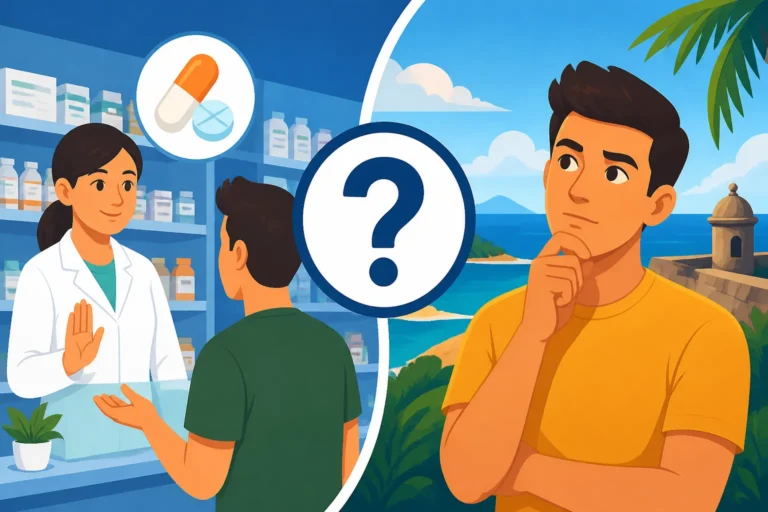
You have finally touched down in San Juan, the tropical breeze is perfect, and you are ready to start your new life in paradise. However, the first time you try to use your mainland insurance card at a local clinic in Condado or Guaynabo, you might receive a polite but firm headshake from the receptionist. This guide solves the confusion surrounding healthcare requirements, explaining the legalities, the practical risks of going uninsured, and how to bridge the gap between mainland and island coverage.
The Legal Reality vs. Practical Necessity of Insurance in Puerto Rico
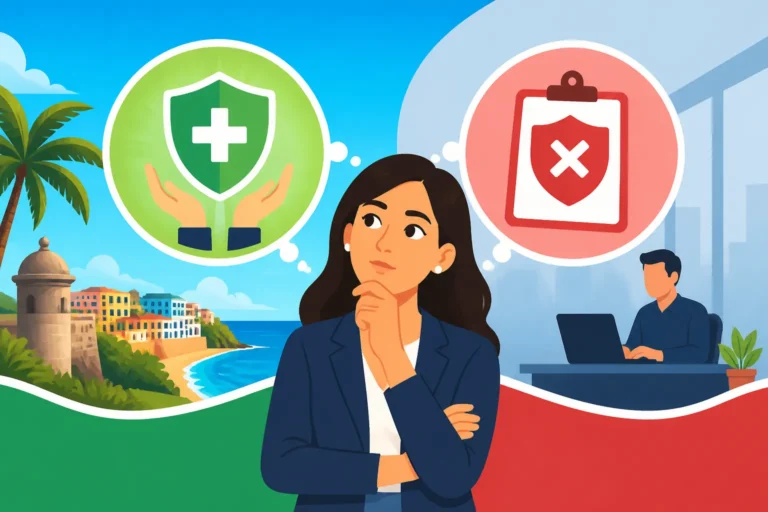
Many newcomers arrive under the impression that because Puerto Rico is a U.S. territory, their existing healthcare infrastructure will follow them seamlessly across the Atlantic. Legally, the landscape has shifted significantly over the last few years. Following the federal elimination of the individual mandate penalty under the Affordable Care Act (ACA), there is no longer a strict legal "fine" for an individual living in Puerto Rico who chooses not to have health insurance. However, looking at the legal requirement alone is a dangerous game that ignores the unique administrative hurdles of the island.
While you might not face a tax penalty, you will face a healthcare system that is heavily tiered. Puerto Rico’s medical landscape is divided into the public sector, known as the Vital plan, and the private sector. Without a formal insurance plan, you are essentially categorized as a "self-pay" patient. In many mainland cities, being self-pay might just mean a higher bill sent to your home later. In Puerto Rico, many private specialists or high-end clinics may require payment upfront before you are even seen, or they may simply prioritize patients who carry a recognized local "Plan Médico."
Navigating the local system requires understanding that "access" and "quality" are often dictated by the card in your wallet. If you are moving here for work or retirement, skipping insurance is technically "legal" but practically reckless. For a deeper look at the structure you'll be entering, you should read How Puerto Rico's Health System Works: Public vs Private Explained (2027) to understand why the distinction matters so much for your daily life.
The Risk of Medical Debt and Upfront Costs
If you decide to live on the island without coverage, you are gambling against a system where a single emergency room visit can derail your relocation budget. While the base cost of care in Puerto Rico is generally lower than in high-cost states like California or New York, those costs add up quickly when you lack negotiated insurer rates. A simple MRI or a night of observation in a private hospital can result in thousands of dollars in out-of-pocket expenses.
Furthermore, the bureaucratic process of "self-paying" is often more exhausting than the medical issue itself. You will often find yourself standing in lines at the "Colecturía" or hospital billing offices, trying to negotiate rates in a language you might still be learning. Having a local plan or a transitionary plan like SafetyWing can provide a buffer that prevents you from having to navigate these financial negotiations while you are ill.
The Problem with "Mainland Thinking" in the Caribbean
One of the most common mistakes veterans of the mainland make is assuming their PPO or HMO will work just as well in Rincon as it did in Chicago. Most mainland insurers treat Puerto Rico as "out-of-network" or, in some cases, "international." Even if your mainland provider claims to cover "emergency care" worldwide, the definition of an emergency is often strictly interpreted, and you will almost certainly have to pay the full bill upfront and fight for a reimbursement months later.
To avoid this trap, it is vital to ask yourself: Does My Mainland Health Insurance Work in Puerto Rico? The answer is usually a complicated "no" for routine care. Relying on mainland coverage for a long-term move often leads to a "coverage gap" where you are essentially uninsured for everything except the most catastrophic accidents.
Why Your Mainland Insurance Likely Isn't Enough
The disconnect between the mainland U.S. insurance market and the Puerto Rican market is one of the biggest sources of "expat" frustration. Even the giant national brands like Blue Cross Blue Shield or Aetna operate differently here. In Puerto Rico, the market is dominated by local players such as Triple-S, MCS, and First Medical. These companies have the "convenios" (contracts) with the local doctors.
If you walk into a specialist's office in San Juan with a mainland Cigna card, the office manager might not even have a way to verify your coverage in their computer system. This results in you being treated as a cash patient. This is especially true for those seeking niche care. If you are looking for specific providers, you might need to research How to Find an English-Speaking Doctor in Puerto Rico to find someone who is even familiar with how to process out-of-island claims, though these doctors are increasingly rare and often have long waitlists.
The Network Gap for Specialists and Routine Care
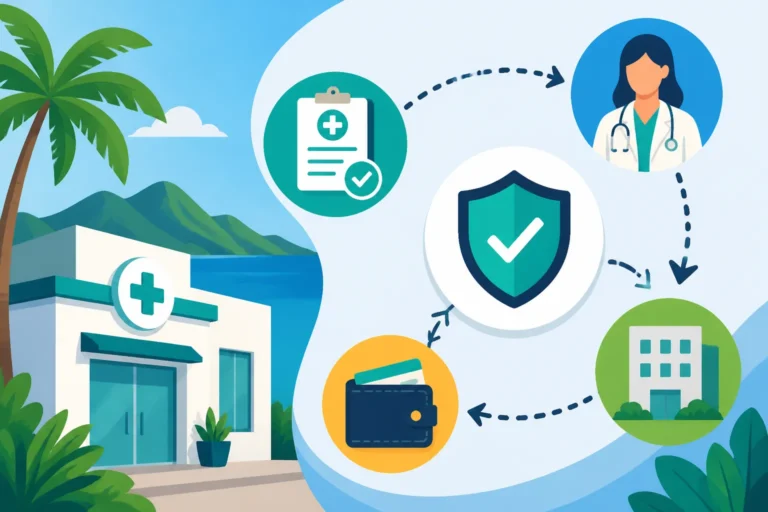
In Puerto Rico, the healthcare system relies heavily on "referrals" and "pre-authorizations" within specific island-wide networks. A mainland plan simply isn't integrated into this local loop. This means that even for routine blood work or a visit to a dermatologist, you will be paying the full retail price. Over a year, the cost of these "routine" visits for a family of four can easily exceed the cost of a local premium.
For those in the middle of a move, it is often wise to carry a flexible plan like SafetyWing. This is particularly helpful for digital nomads or those who haven't yet established the "Bona Fide Residency" required to apply for certain local private plans. SafetyWing acts as a vital bridge, ensuring that if you trip on a cobblestone in Old San Juan, you aren't stuck with a five-figure bill while your mainland insurance company argues about whether Puerto Rico is a "foreign country."
Medicare and Medicaid Nuances in Puerto Rico
If you are a retiree moving to the island, you must be particularly careful. While "Original Medicare" (Parts A and B) works in Puerto Rico, the way "Medicare Advantage" (Part C) and prescription drug coverage (Part D) function is entirely different. In fact, Part D does not exist in the same way on the island; drug coverage is typically bundled into local Medicare Advantage plans.
Many retirees find that their mainland Advantage plan simply terminates the moment they update their permanent address to a Puerto Rico zip code. This can leave you in a lurch. It is highly recommended to study Understanding Medicare and Medicare Advantage in Puerto Rico (2027) before you book your one-way flight. Without a local Advantage plan, your out-of-pocket costs for medications could skyrocket.
Local Private Insurance: The Gold Standard for Residents
Once you have your "Registro de Comerciante" or a local lease, your best bet is to enroll in a local private plan. These are often referred to as "Planes Médicos Privados." The coverage is usually quite comprehensive, often including dental and vision, which are sometimes extra on the mainland. However, the enrollment process can be a lesson in patience. You will need a variety of documents, including proof of address and, occasionally, a local medical exam.
The cost of these plans is one of the few "wins" for expats moving from the mainland. Premiums are generally much lower than what you would pay for an equivalent silver or gold plan in the States. To get a realistic idea of what you'll be paying monthly, check out The Cost of Healthcare in Puerto Rico: A Complete Breakdown for Newcomers (2026). You might find that the money you save on premiums allows you to opt for the highest tier of coverage available.
Choosing Between the "Big Three"
Triple-S (a Blue Cross Blue Shield affiliate), MCS, and First Medical are the primary entities you will encounter. Each has its strengths. Triple-S has the largest network, which is great if you plan on living in the mountains or more rural areas. MCS is often praised for its "Classic" and "Optimum" plans that cater well to professionals in the San Juan metro area.
When choosing, don't just look at the monthly premium. Look at the "co-pago" (co-pay) for specialists. In Puerto Rico, it is common to see a primary care physician for a $10 or $20 co-pay, but a specialist might jump to $40 or $50. If you have a chronic condition, these small differences matter. It’s also worth investigating Health Insurance in Puerto Rico: Plans, Costs and Options Explained (2026) to see which provider fits your specific lifestyle, whether you're a surfer in Rincon or a tech exec in Miramar.
The Vital Plan: Puerto Rico's Public Option
If your income falls below a certain threshold, you may qualify for "Vital," the government-funded health plan. This is Puerto Rico's version of Medicaid. While it provides a crucial safety net, it is important to manage your expectations. The wait times for specialists under the Vital plan can be months long, and the choice of hospitals is more limited compared to private insurance.
For many newcomers, especially those moving under Act 60 or with remote mainland jobs, you likely won't qualify for Vital. However, it is good to understand the system's floor. You can find more information on eligibility at Understanding the Vital Plan (Government Health Plan) in Puerto Rico (2027). Most expats find that even a basic private plan is worth the investment to avoid the crowded waiting rooms of the public system.
Bridging the Gap: What to Do While You Wait
One of the most stressful periods of moving to Puerto Rico is the "90-day gap." This is the time between leaving your mainland job (and its insurance) and successfully enrolling in a local Puerto Rican plan. Because the administrative wheels turn slowly on the island, you cannot always get a plan on day one. You need a "safety net" during this transition.
This is where a solution like SafetyWing becomes incredibly valuable. Unlike traditional local insurance that requires a long-term commitment and local residency documents, SafetyWing is designed for the mobile individual. It covers you while you are still "scouting" the island or waiting for your local paperwork to be processed. It’s a low-cost way to ensure that you aren't one of the people asking What Happens If I Get Sick Before My Insurance Starts in Puerto Rico? in a panicked Facebook group.
Comparing Your Options
| Feature | Self-Pay (No Insurance) | Mainland U.S. Plan | Local P.R. Private Plan | Transition/Expat (e.g. SafetyWing) |
|---|---|---|---|---|
| Emergency Coverage | Full Price Out-of-Pocket | Usually Covered (Reimbursement) | Comprehensive | High (Direct Pay/Reimbursement) |
| Routine Visits | $50 – $150 per visit | Often Out-of-Network | $10 – $30 Co-pay | Usually Not Covered |
| Specialist Access | Easy (if you pay cash) | Difficult/No Contract | Good (within network) | Emergency-focused |
| Prescription Cost | Retail Price | High/Out-of-Network | Low Co-pays | Varies |
| Residency Required | No | No (but impractical) | Yes | No |
The "CDT" System: The Uninsured's Only Choice?
If you are uninsured and need urgent care, you will likely end up at a CDT (Centro de Diagnóstico y Tratamiento). These are community health clinics that offer everything from basic check-ups to minor emergency services. They are the backbone of the island's public health system.
While CDTs are affordable, the quality and wait times vary wildly by municipality. For instance, if you are wondering Where Is the Nearest CDT or Public Clinic in Caguas? you will find several, but you should expect a very different experience than a private urgent care center in the U.S. These clinics are often overwhelmed, and while the doctors are capable, the facilities can be dated. For any serious condition, you will want a plan that gives you access to private hospitals like Auxilio Mutuo or Ashford Presbyterian.
Practical Advice for New Residents
The best piece of advice I can give after years on the island is to start your insurance search at least a month before you move. Don't wait until you have a toothache or a fever. Puerto Rico is a place where "who you know" and "what paperwork you have" matters immensely.
Make sure you have physical copies of your medical records. Digital transfers between mainland hospitals and Puerto Rican clinics are notoriously unreliable. If you are worried about the transition, consider a hybrid approach: keep a high-deductible mainland plan for major surgeries (if they allow you to keep it) and get a local "wrap-around" plan for daily life. But for most, the cleanest break is to switch to local insurance and use a bridge like SafetyWing for the travel days and the first month of "limbo."
Emergency Preparedness and the "911" Reality
In an emergency, you need to know that the ambulance service in Puerto Rico is not always centralized. Many municipalities have their own, and there are private ambulance companies that often respond faster. If you have private insurance, check if they have a specific ambulance provider they prefer.
Also, be aware that you will likely need to show proof of insurance or a credit card the moment you enter a private ER. Having your insurance information easily accessible on your phone or in your wallet is non-negotiable. If you're still skeptical about the local networks, read Can I Use Mainland Insurance at Hospitals in Puerto Rico? one more time—it's the most common "hard lesson" learned by new residents.
Final Thoughts on Staying Protected
Living in Puerto Rico is an incredible experience, but it requires a shift in how you think about "the system." Healthcare is not a "set it and forget it" part of your move. It requires active management, local research, and an acceptance that things move at a different pace here.
Whether you choose a top-tier Triple-S plan or use SafetyWing to cover your first few months of digital nomad life, the answer to "Do I need health insurance?" is a resounding yes. Not because a law tells you so, but because the peace of mind allows you to actually enjoy the island. You didn't move to the Caribbean to spend your afternoons arguing with a hospital billing department in a hot waiting room. Get covered, get your local card, and get back to the beach.
Disclaimer
This guide is for informational purposes only and does not constitute medical, legal, or financial advice. Healthcare laws and insurance provider networks in Puerto Rico are subject to frequent changes. Always consult with a licensed insurance broker or a legal professional specializing in Puerto Rican law before making decisions regarding your healthcare coverage.